


As summer gives way to crisp mornings and cooler evenings, rivers across the country begin to transform—and so does the behavior of smallmouth bass. For many anglers, fall is the hidden gem of smallmouth fishing. Fish that spent summer scattered in deep pools or shaded current seams suddenly turn aggressive, feeding heavily before winter sets in. If you know how to read cooling rivers, adjust your tactics, and match their seasonal patterns, fall smallmouth can provide some of the best action of the year.
Why Cooling Rivers Trigger Smallmouth Action
When water temperatures dip into the 50s and 60s, smallmouth bass shift into a pre-winter feeding frenzy. This period offers anglers a sweet spot where fish are both aggressive and predictable.
- Metabolism Shift: As water cools, smallmouth conserve energy, positioning themselves where food comes to them.
- Forage Movement: Baitfish schools tighten up in shallows and mid-river flats, drawing smallmouth into ambush zones.
- Lower Pressure: With many anglers moving to hunting season, fall rivers see less fishing pressure—meaning more opportunities for you.
Locating Smallmouth in Fall Rivers
1. Riffle-to-Pool Transitions
Smallmouth use current seams where fast water dumps into deeper pools. These areas provide oxygen, food delivery, and shelter all in one.
2. Rock Ledges and Boulders
As temperatures drop, smallmouth stick close to structure. Ledges and boulders act as ambush points where they can strike passing baitfish.
3. Gravel Bars and Flats
During sunny afternoons, shallow gravel bars warm slightly, attracting baitfish. Smallmouth move onto these areas to feed aggressively before sliding back into deeper runs.
4. Current Breaks and Eddies
Look for submerged timber, wing dams, or mid-river islands. Smallmouth use these breaks to rest while waiting for food to drift past.
Best Fall Tactics for Smallmouth Bass
Crankbaits for Covering Water
Medium-diving crankbaits in shad or craw patterns excel at covering riffle-to-pool transitions. Work them steadily along current seams to trigger reaction strikes.
Jigs and Plastics for Precision
When fish hold tight to rocks or ledges, a football jig tipped with a craw-style trailer can be deadly. Drag it slowly along bottom contours to mimic crayfish.
Topwater Still Produces
Don’t stow away your poppers or walking baits just yet. On warm afternoons, smallmouth will rise to smash a surface lure, especially around gravel bars.
Live Bait in Tough Conditions
When a cold front hits, live minnows or nightcrawlers drifted along bottom seams can keep the bite going.
Timing the Bite
- Mornings: Cooler temps push smallmouth into deeper pools early in the day. Fish with jigs or deeper-running crankbaits.
- Afternoons: Sun-warmed shallows draw baitfish, and smallmouth follow. Topwater and jerkbaits shine here.
- Evenings: As temps drop again, fish move back to mid-depth current breaks—perfect for slow-rolled spinnerbaits.
Gear Tips for Fall River Smallmouth
- Medium-Heavy Spinning or Casting Rod: Enough backbone for strong river bass, but still sensitive for finesse bites.
- 8–12 lb Fluorocarbon or Braid with Leader: Fluoro for clear water, braid for heavy cover.
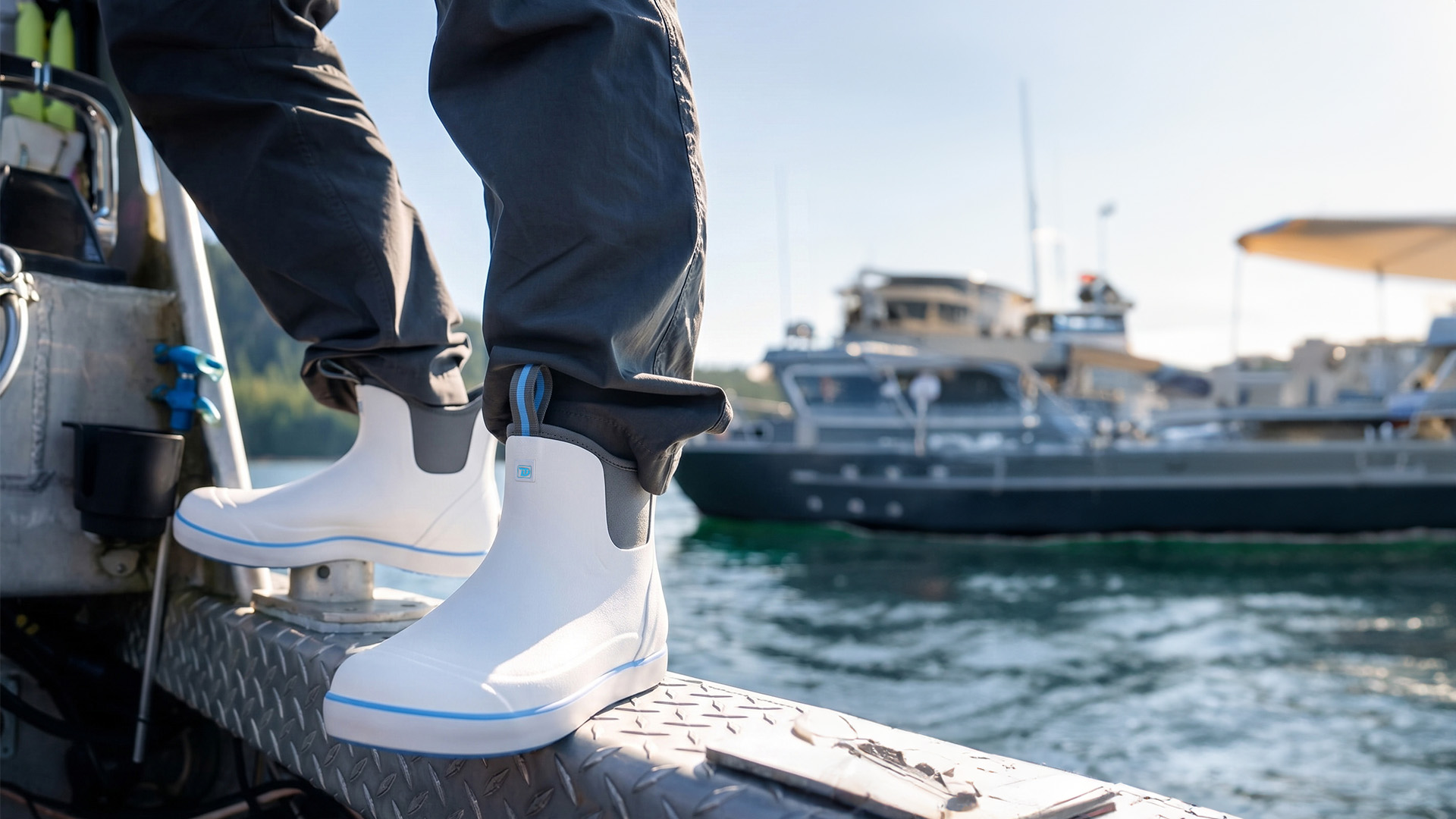
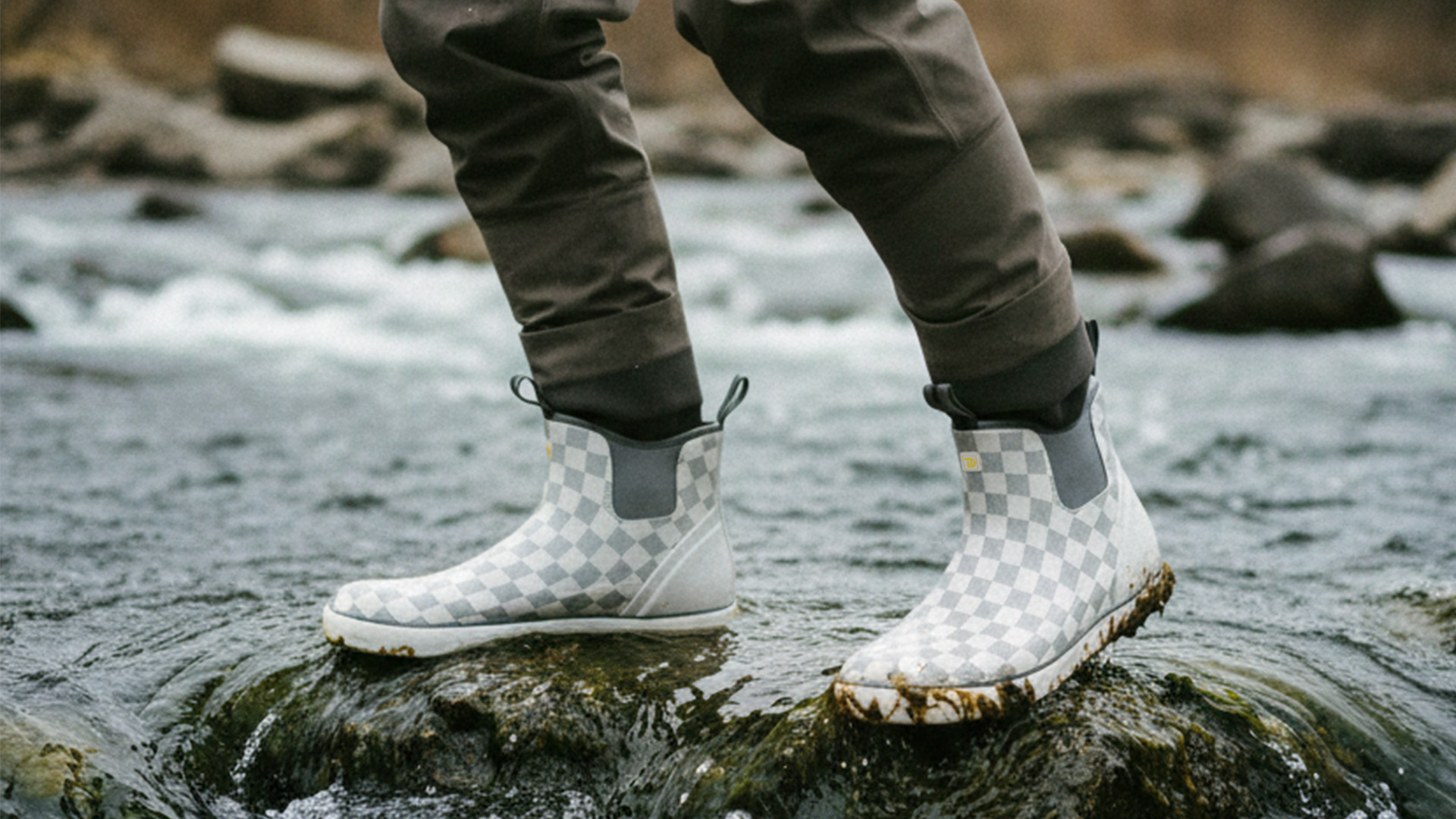
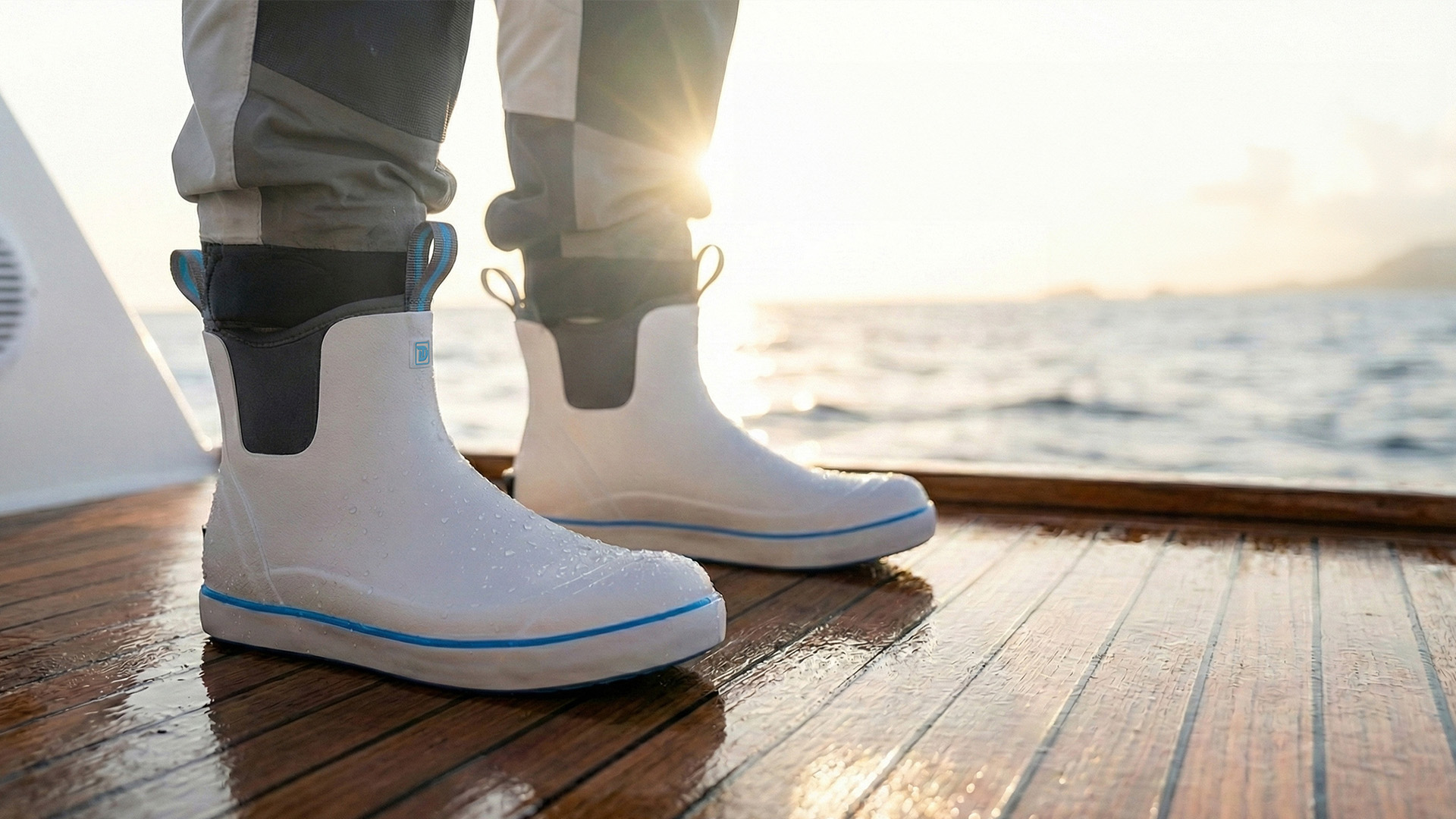
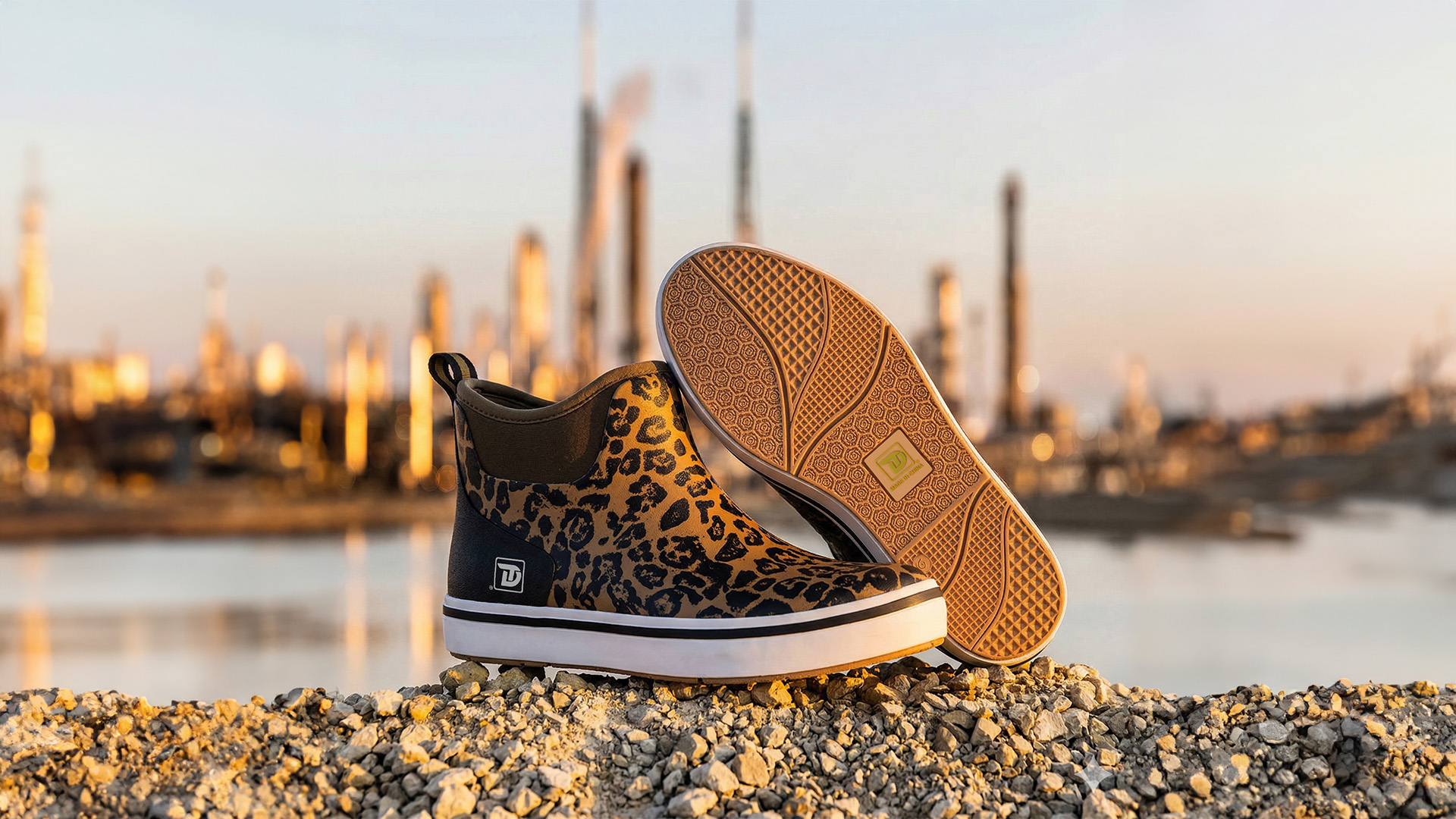
- Layered Clothing: Fall mornings can be chilly, so dress for changing conditions. Waterproof boots are a must for wading anglers.
Safety on Fall Rivers
Cooling rivers can be tricky. Always keep safety in mind:
- Wear a wading belt and PFD in swift currents.
- Watch water levels—autumn rains can raise rivers quickly.
- Avoid slippery rocks with the right wading boots.
Final Thoughts
Fall isn’t just a transition season—it’s a window of opportunity. As rivers cool, smallmouth bass shift into predictable patterns and feed with urgency. By focusing on riffle-to-pool transitions, rock structure, and baitfish movement, you’ll find yourself in the thick of the action. Combine smart location choices with seasonal tactics, and you’ll unlock some of the best smallmouth fishing of the year.
So grab your crankbaits, jigs, and topwaters, layer up for crisp mornings, and hit the river—because when the water cools, the smallmouth bite heats up.