




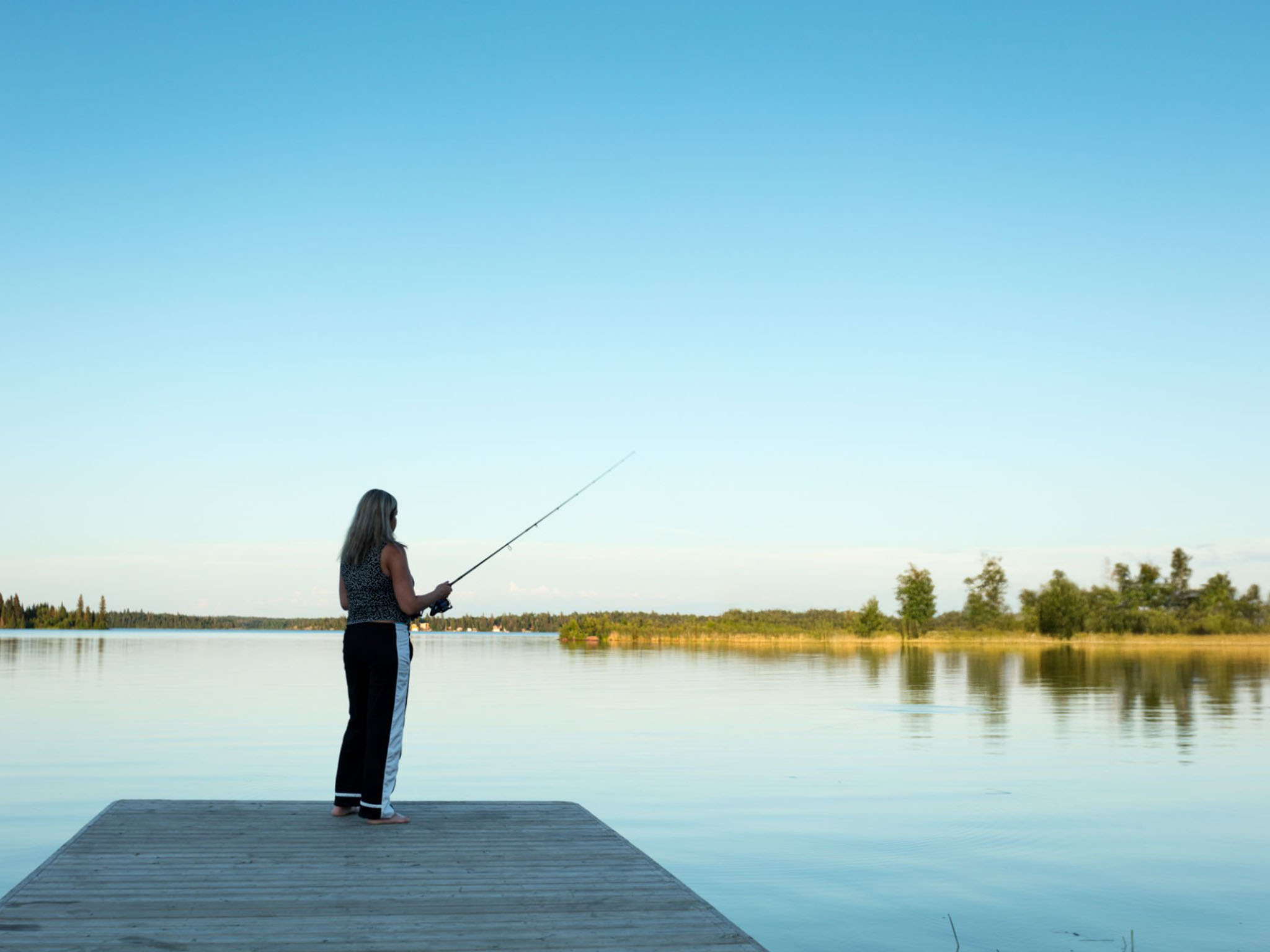
As summer fades into fall, largemouth bass shift their behavior, moving in response to cooling water, shorter daylight hours, and changing forage patterns. For anglers, this transition period creates both challenges and opportunities. While bass may no longer linger in their predictable summer haunts, their fall movement often brings them back toward shoreline zones where feeding activity peaks. Learning how to locate these shoreline strikes during changing fall conditions is the key to consistent success.
Understanding Fall Bass Movements
In early fall, largemouth begin leaving deep offshore structures and start following baitfish migrations toward shallower waters. The cooling water temperature triggers baitfish schools—like shad, minnows, and bluegill—to move into coves, creek arms, and shoreline edges. Bass follow them closely, taking advantage of the concentrated forage.
- Early Fall: Bass may still suspend offshore but will make short trips to shorelines, particularly during feeding windows in the morning and evening.
- Mid-Fall: Cooling waters push both baitfish and bass into shallower zones, often along flats, coves, and bank edges.
- Late Fall: As water temperatures drop further, bass may retreat slightly deeper again but remain near transitional shoreline structures.
Key Shoreline Structures to Target
- Riprap Banks – Rocky banks hold heat longer and attract both baitfish and bass, making them productive throughout the day.
- Submerged Vegetation – As weeds begin to die back in fall, bass focus on remaining green patches that provide oxygen and cover.
- Laydowns and Fallen Timber – Shoreline wood provides ambush points for bass waiting on passing schools of baitfish.
- Docks and Piers – Shade and structure create a reliable fall refuge where bass stack up during sunny days.
- Creek Mouths and Inflows – Moving water attracts forage and provides oxygen, making these transition zones hotspots.
Baits and Presentations for Shoreline Success
- Topwater Lures: Early fall mornings along banks are perfect for walking baits, poppers, or buzzbaits. Strikes are explosive when bass ambush baitfish near the surface.
- Crankbaits: Medium-diving crankbaits mimic fleeing shad and are deadly when run parallel to shorelines, especially around rock and timber.
- Spinnerbaits: Their flash and vibration excel in stained water or windy shoreline conditions.
- Soft Plastics: Texas-rigged worms or creature baits work well when flipped into shoreline cover like docks or laydowns.
- Jigs: Ideal for working along rocky banks or dragging slowly across shallow flats.
Timing Matters: When to Work the Shoreline
- Morning: Look for feeding activity in shallow zones as baitfish move toward the bank.
- Afternoon: On sunny days, bass may pull back slightly deeper but remain close to shoreline shade or cover.
- Evening: Another prime window when baitfish return to the shallows, sparking aggressive shoreline strikes.
Adapting to Changing Conditions
Fall weather can be unpredictable, and bass react accordingly:
- Cold Fronts: Bass may move slightly deeper or become less aggressive, requiring slower presentations like jigs or soft plastics.
- Warm Streaks: A few days of warmth can pull fish back shallow, reigniting topwater action.
- Windy Days: Wind pushes baitfish toward windblown banks, concentrating bass along those shorelines.
Conclusion
Locating largemouth bass in fall is all about following the forage and understanding their seasonal shoreline patterns. From riprap banks to creek mouths, shoreline structures provide the ambush points where bass feed most aggressively this time of year. With the right timing, baits, and willingness to adjust to shifting conditions, anglers can capitalize on shoreline strikes and experience some of the best bass fishing of the year.