
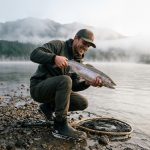
Early fall is one of the most exciting times for panfish anglers. As water temperatures start to cool from summer highs, bluegill and crappie undergo subtle shifts in behavior, creating opportunities for enthusiastic anglers to fill their buckets with quality fish. Understanding these patterns and adapting your tactics is key to consistent success on lakes, ponds, and rivers across the country.
Understanding Early Fall Panfish Behavior
As fall begins, panfish focus on feeding heavily to store energy for the colder months. Bluegill often move to slightly deeper waters than their summer shallow zones, while crappie begin forming schools around structure in preparation for winter. These changes make it crucial to locate feeding zones where fish congregate naturally.
- Bluegill: Typically found near submerged vegetation, docks, and brush piles, bluegill are still active but may be slightly deeper than in midsummer. They prefer areas where they can ambush insects and small baitfish.
- Crappie: Crappie move from shallow spawning beds to deeper points, submerged trees, or brushy drop-offs. They often group tightly, which allows anglers to target multiple fish at once.
Locating Productive Feeding Zones
- Transition Areas: Look for zones where shallow flats meet deeper water. Panfish use these transitional areas as travel corridors to follow food sources.
- Submerged Structure: Crappie and bluegill congregate near brush piles, stumps, rock reefs, and fallen timber. Anglers who can locate these structures often experience explosive bite activity.
- Dock Shadows and Overhangs: Piers and dock structures offer shade and shelter, attracting hungry panfish. Early morning and late afternoon are ideal for fishing these spots.
Choosing the Right Tackle
- Ultralight Spinning Gear: Light lines (2–6 lb test) and small reels allow for delicate presentations and better sensitivity when fish are finicky.
- Jigs and Soft Plastics: Small jigs (1/32–1/8 oz) tipped with minnows, waxworms, or soft plastic grubs are effective for both bluegill and crappie.
- Slip Bobbers: Perfect for suspending baits at precise depths, especially over submerged brush or weeds where panfish feed.
Best Techniques for Early Fall Panfish
- Vertical Jigging: Particularly effective over deep brush piles or submerged trees. A slow, subtle lift-and-drop action triggers strikes from crappie in tighter schools.
- Drifting with Live Bait: Slowly drifting with minnows under a bobber allows you to cover larger areas and locate active fish.
- Casting Around Structure: For bluegill, cast small jigs or soft plastics near docks, fallen trees, or weed edges, letting them settle naturally before a slow retrieve.
Timing Your Fall Panfish Excursion
- Morning: Early hours often trigger shallow feeding activity, particularly for bluegill hunting insects or baitfish near the surface.
- Midday: Crappie may move deeper, making vertical presentations over brush piles or drop-offs more productive.
- Late Afternoon: Fish often return to slightly shallower zones as the water warms in the sun, offering surface or near-structure action.
Weather Considerations
Cooler nights and mild daytime temperatures can make panfish slightly less aggressive, but consistent patterns emerge near key feeding areas. Overcast skies often trigger midday activity, while bright sunny days may push fish to deeper shade or cover. Tracking water temperature and clarity is essential for fine-tuning your approach.
Conclusion
Early fall panfish fishing is a rewarding experience for both novice and seasoned anglers. By understanding the seasonal movements of bluegill and crappie, targeting key feeding zones, and using the right tackle and techniques, anglers can maximize their catch and enjoy consistent success. With preparation and observation, your early fall panfish trips can turn into a genuine frenzy.