

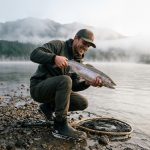
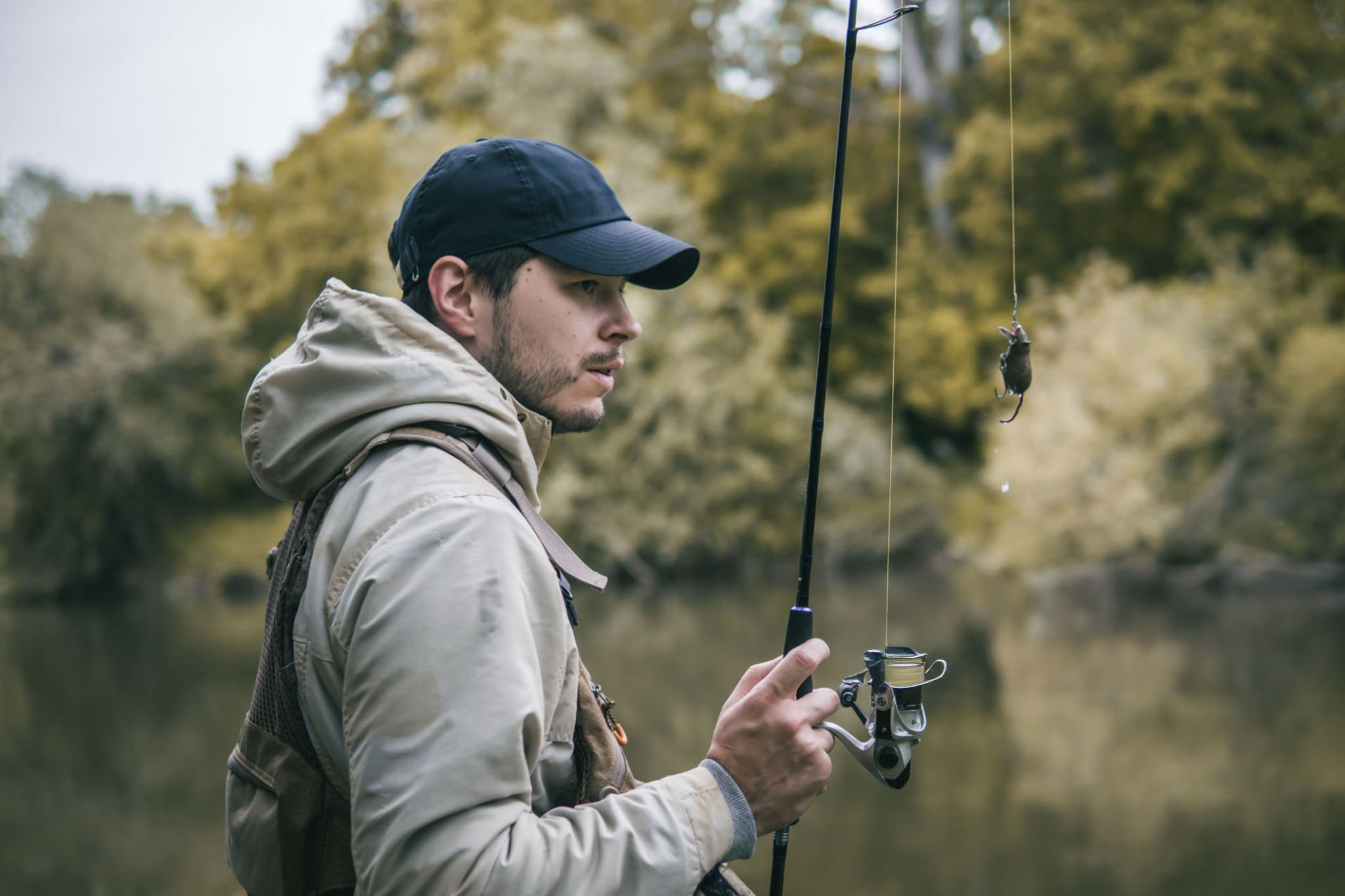
When the air turns crisp and leaves begin to change, most people think of hunting season, pumpkin patches, and football games. But for anglers, fall means one thing: some of the best fishing of the entire year. As lakes cool, predator fish become more active and feeding windows grow longer, setting the stage for trophy catches that are often harder to come by in summer.
In this guide, we’ll break down why cooling lakes make fish hungrier, which species respond best, and how to adjust your tactics to maximize success on the water.
Why Fish Feed Aggressively in the Fall
Fish behavior is directly tied to water temperature and seasonal cycles. During summer, warm waters often stress fish, limiting their activity to short feeding windows in early morning or late evening. But once fall arrives and temperatures drop, conditions improve:
- Higher Oxygen Levels – Cooler water holds more oxygen, giving fish the stamina to chase and strike prey.
- Pre-Winter Feeding – Predator species instinctively bulk up before the lean months of winter. Bass, walleye, and pike all feed more aggressively to build energy reserves.
- Baitfish Movements – Shad, minnows, and other forage species migrate into shallower waters, followed closely by larger predators.
This seasonal shift essentially flips a switch—making fall the closest thing to a “feeding frenzy” that freshwater anglers can count on every year.
Target Species for Fall Fishing
Not every fish responds to cooling water the same way. Here’s a look at the prime targets for fall anglers:
- Largemouth Bass – Fall bass chase shad schools into coves, creek channels, and shallow flats. They’re often more willing to strike moving baits than during the heat of summer.
- Smallmouth Bass – Cooler rivers and rocky points draw smallmouths into predictable patterns, often schooling tightly and striking with aggression.
- Walleye – Shorter days trigger walleyes to move along drop-offs and rocky points. Night bites become especially productive in autumn.
- Northern Pike and Muskies – Big predators thrive in cooler waters, roaming weed edges and ambush points with explosive strikes.
- Crappie and Panfish – Schools move shallower in search of food, making them easier to find and great for filling coolers before winter.
Best Fall Fishing Tactics
To turn fall opportunities into big catches, anglers should adapt their strategies to match changing fish behavior.
1. Follow the Bait
Predators rarely stray far from food. Use electronics or visual cues (like birds diving) to locate shad schools. Once you find the bait, the game fish won’t be far behind.
2. Use Moving Baits
Crankbaits, spinnerbaits, and swimbaits shine in fall. Their flash and vibration mimic baitfish, triggering strikes from fish that are on the move.
3. Fish the Wind
Wind pushes baitfish into certain shorelines and coves. Casting into the windblown side of the lake can dramatically improve catch rates.
4. Experiment With Depths
Fish move between shallow flats and deeper drop-offs depending on weather swings. Don’t be afraid to adjust your depth until you find active fish.
5. Don’t Ignore Nights
For species like walleye and stripers, nighttime fall fishing can be exceptional. Cooler nights make predators bold and less wary.
Gear and Presentation Tips
- Rod & Reel Setup – Medium-heavy spinning or baitcasting setups handle most fall situations, especially when tossing crankbaits or jerkbaits.
- Line Choice – Braided line with a fluorocarbon leader provides strength and sensitivity for aggressive strikes.
- Colors & Sizes – Match local forage. In clear lakes, natural shad colors work best. In stained waters, chartreuse or bright patterns trigger strikes.
- Lure Speed – Fall is about balance. Retrieve too slow, and you’ll miss aggressive feeders. Retrieve too fast, and you may spook lethargic ones. Vary your speed until fish respond.
The X-Factor: Weather
Fall weather can be unpredictable, and fish respond quickly to changing conditions:
- Before a Cold Front – Fish feed heavily in anticipation of shifting pressure.
- After a Cold Front – Fish often slow down, requiring finesse tactics like jigs or soft plastics.
- Warm, Overcast Days – Often the best overall conditions, extending feeding activity throughout the day.
Why Fall Outshines Spring
Many anglers focus on spring because fish are shallow and spawning. But fall often delivers bigger fish with less pressure. As hunting season pulls outdoorsmen away, fewer boats crowd the lakes. Combine that with hungry, aggressive fish, and you have a recipe for the best catches of the year.
Final Thoughts
Fall fishing is all about timing, preparation, and understanding seasonal shifts. As lakes cool, fish are no longer sluggish—they’re feeding machines. By targeting key species, following baitfish, and adjusting your tactics to match conditions, you can make this season your most productive yet.
So, pack a thermos of coffee, grab your crankbaits, and hit the water. Cooling lakes mean hungry fish—and fall is your prime time to land a trophy.