

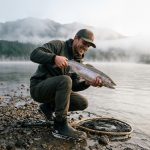
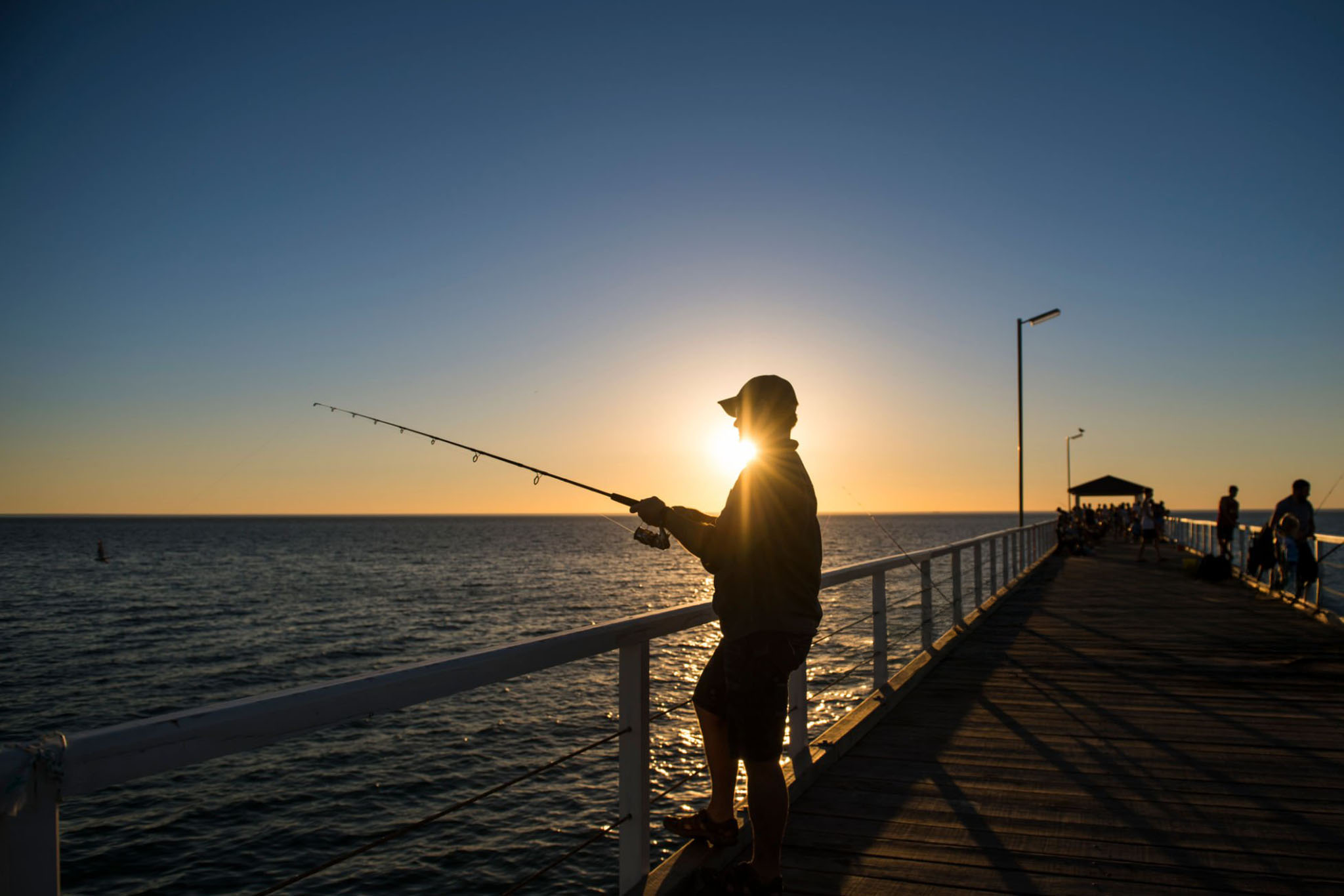
When autumn settles in and daylight hours begin to fade, walleye anglers know it’s time to adjust their game plan. As nights grow longer and water temperatures start to dip, walleye shift into shoreline patterns that make them highly accessible to anglers willing to adapt. Understanding these seasonal changes is the key to turning a slow outing into a shoreline ambush full of action.
Why Walleye Shift Toward Shorelines in Fall
Walleye are opportunistic predators that thrive on following baitfish. During early and mid-fall, cooling water pushes shad, perch, and other forage closer to shore. These baitfish use rocky shorelines, weed edges, and shallow flats for warmth and cover, and the walleye follow. Shorter days also trigger biological changes, preparing walleye for the coming winter, making them more aggressive feeders.
This shoreline migration makes the fall season one of the best times to connect with trophy fish in relatively shallow water.
Prime Times to Target Fall Walleye
- Evenings and After Dark
As nights lengthen, walleye become more nocturnal. The best action often comes during the last light of day and several hours into the night, when fish move tight to shore to hunt baitfish silhouetted against the surface. - Cloudy Days and Weather Shifts
Overcast skies and pre-frontal conditions can extend feeding windows well into the daytime. A sharp drop in barometric pressure often gets walleye snapping. - Late Fall Window
As water dips below 50°F, walleye feed heavily to build energy reserves. This late fall push can be some of the hottest shoreline action of the season.
Where to Set Up for a Shoreline Ambush
Walleye don’t just roam randomly along the shoreline. Look for structural elements that concentrate baitfish and create ambush zones:
- Rocky Points and Riprap – These hold heat and provide cover for baitfish, making them magnets for fall walleye.
- Weed Edges – As weeds die off in fall, remaining green patches concentrate forage and predators alike.
- Creek Mouths – Freshwater inflows funnel baitfish and attract walleye staging for easy meals.
- Shallow Flats with Drop-Offs – Walleye move onto the flats to feed, then slide back into deeper water during the day.
Best Baits and Techniques for Shoreline Walleye
- Crankbaits – Slim, shallow-diving crankbaits mimic baitfish and are deadly when retrieved parallel to shorelines at dusk.
- Jigs with Plastics – Paddle-tail swimbaits and flukes tipped on a jighead provide lifelike action in shallow water.
- Slip Bobbers with Live Bait – A minnow or leech suspended at the right depth can outproduce artificials, especially in calm conditions.
- Casting vs. Trolling – In shoreline ambush scenarios, casting and covering ground slowly often outfishes trolling, which shines better in open water.
Fine-Tuning Your Fall Approach
- Slow Down – In cooling water, walleye metabolism drops, making slower retrieves more effective.
- Use Subtle Colors – Natural hues like silver, perch, and shad often outperform flashy tones in clear fall waters.
- Bring a Headlamp – Many of the best bites happen in pitch black, so be prepared to fish safely after dark.
Final Thoughts
Fall walleye fishing is about timing, patience, and precision. As nights stretch longer, the shoreline becomes a prime hunting ground where predator and prey collide. By reading the season, choosing the right structure, and fine-tuning your presentation, you’ll put yourself in the perfect position to experience the shoreline ambush firsthand.
If you’re ready to maximize your autumn fishing success, keep your focus shallow, slow down your approach, and let the growing nights work in your favor.