




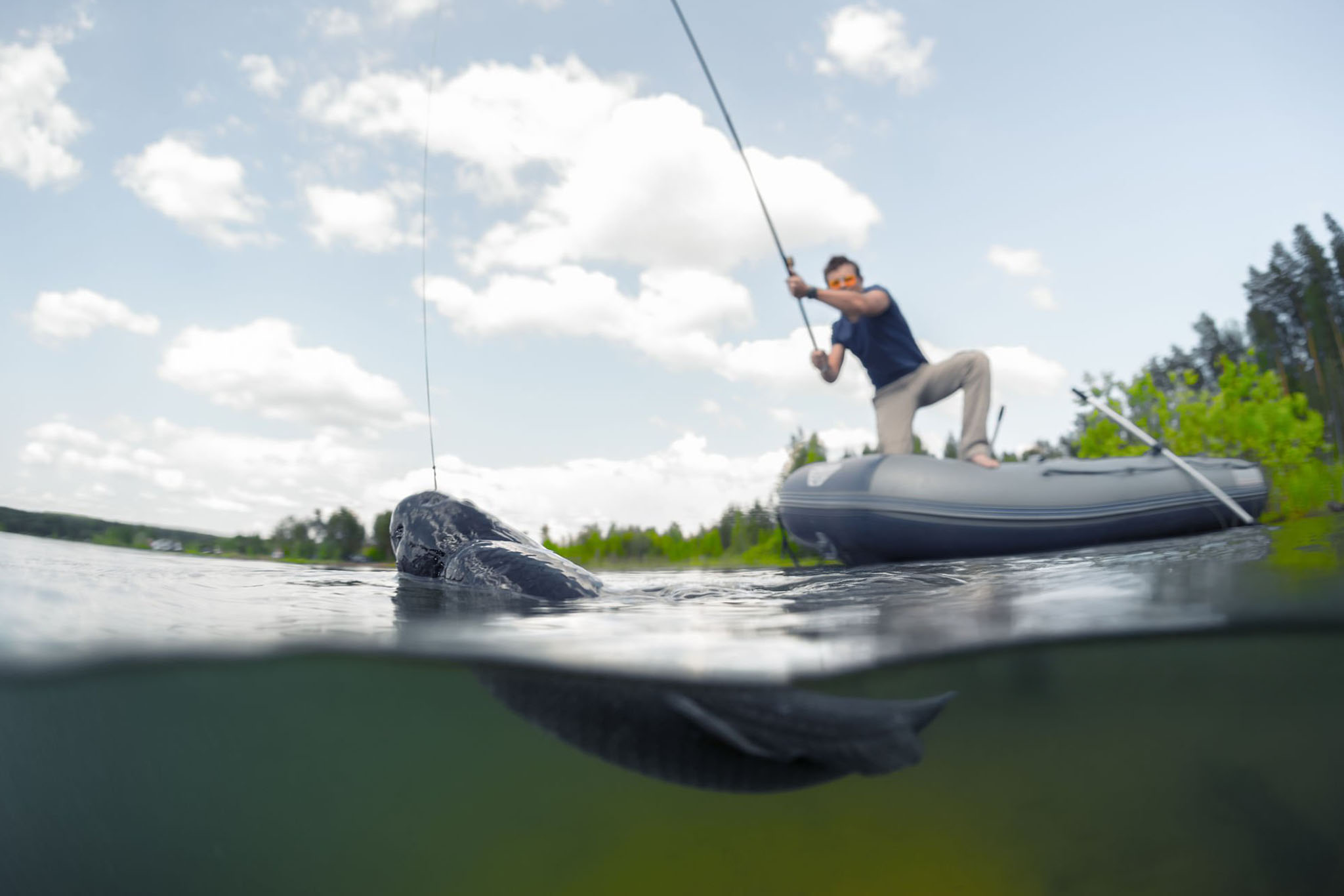
As summer heat fades and crisp mornings return, anglers face one of the most exciting yet challenging times of the year—the early fall transition. Largemouth bass are no longer locked in their summer haunts, nor have they fully committed to late-fall feeding patterns. Instead, they are in motion, shifting between deep and shallow water, following baitfish migrations, and reacting to shorter days and cooling water temperatures.
For anglers who can crack this transitional bite, the rewards are incredible. Early fall is often when you’ll catch both numbers of fish and big, heavy bass feeding before winter sets in.
Why Early Fall Is a Transition Period
In September and early October, water temperatures drop from the high 70s or low 80s into the 60s in many regions. This cooling triggers several changes:
- Shad and baitfish schools begin migrating from deep summer haunts into creeks and coves.
- Bass metabolism slows slightly, but their need to bulk up for winter drives heavy feeding.
- Weed growth dies back, making cover less predictable and forcing bass to relocate.
- Daylight hours shorten, signaling seasonal shifts in behavior.
The result? Largemouth bass are more nomadic, moving frequently, and anglers must stay flexible to stay on the bite.
Key Locations for Early Fall Bass
Finding bass in transition requires focusing on migration routes and staging areas. Instead of camping in one spot, think about how fish move between summer and fall patterns.
- Creek Channels: Bass follow baitfish into creeks, often stopping at channel bends or intersections.
- Points and Secondary Points: These serve as ambush spots for bass moving shallow.
- Grass Edges: As weeds begin to thin, bass use the remaining green patches for cover.
- Rocky Banks and Riprap: Cooler water pulls baitfish here, and bass aren’t far behind.
- Backwater Flats: On overcast days, bass may chase shad onto shallow flats for explosive feeding.
Best Lures and Presentations
Early fall is a time for versatility. You’ll need both power and finesse to match conditions and moods of fish.
- Topwater Baits: Walking baits, buzzbaits, and poppers shine during low-light hours when bass push shad shallow.
- Crankbaits: Medium-diving crankbaits mimic baitfish and allow you to cover water quickly on points and along creek channels.
- Spinnerbaits and Chatterbaits: Excellent for searching in stained water or windy conditions.
- Jigs: When bass tuck tight to remaining cover, a jig pitched into brush or grass edges produces big bites.
- Soft Plastics: Finesse worms, flukes, or swimbaits rigged weedless can tempt pressured or inactive fish.
Pro Tip: Match the hatch. In early fall, bass are dialed in on shad and minnows, so stick to natural silver, white, and translucent patterns.
How Weather Affects the Early Fall Bite
Weather plays a critical role in early fall bass fishing:
- Cold Fronts: Bass often slow down and retreat deeper. Switch to finesse baits and slow presentations.
- Warm Fronts & Cloud Cover: Bass feed aggressively, chasing bait into shallower areas. Power fishing with moving baits pays off.
- Wind: Wind-blown banks and points concentrate baitfish—always worth targeting.
Common Mistakes Anglers Make
Even experienced bass fishermen get tripped up in the fall transition. Here are pitfalls to avoid:
- Fishing Too Deep or Too Shallow Exclusively: Bass are moving. If you don’t adjust, you’ll miss them.
- Ignoring Baitfish: Wherever the shad go, bass follow. Spend more time looking for bait than for bass themselves.
- Not Covering Enough Water: Fall bass are mobile, so use lures that allow you to search efficiently.
Timing the Bite
The best windows in early fall often come during:
- Early mornings and evenings when bass push bait shallow.
- Pre-front conditions, when falling barometric pressure makes bass aggressive.
- Overcast days, when topwater action can last all day.
Final Thoughts
Early fall largemouth bass fishing may test your adaptability, but it also provides some of the most exciting action of the year. By focusing on transitional areas, baitfish movement, and weather shifts, anglers can unlock the secret to cracking the bite during this in-between season.
If you’re ready to chase bass that are on the move and feeding aggressively, now’s the time to hit the water. Learn the patterns, stay mobile, and you’ll find yourself connecting with both numbers and quality largemouth before the season turns cold.