

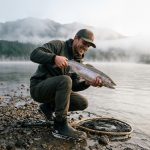
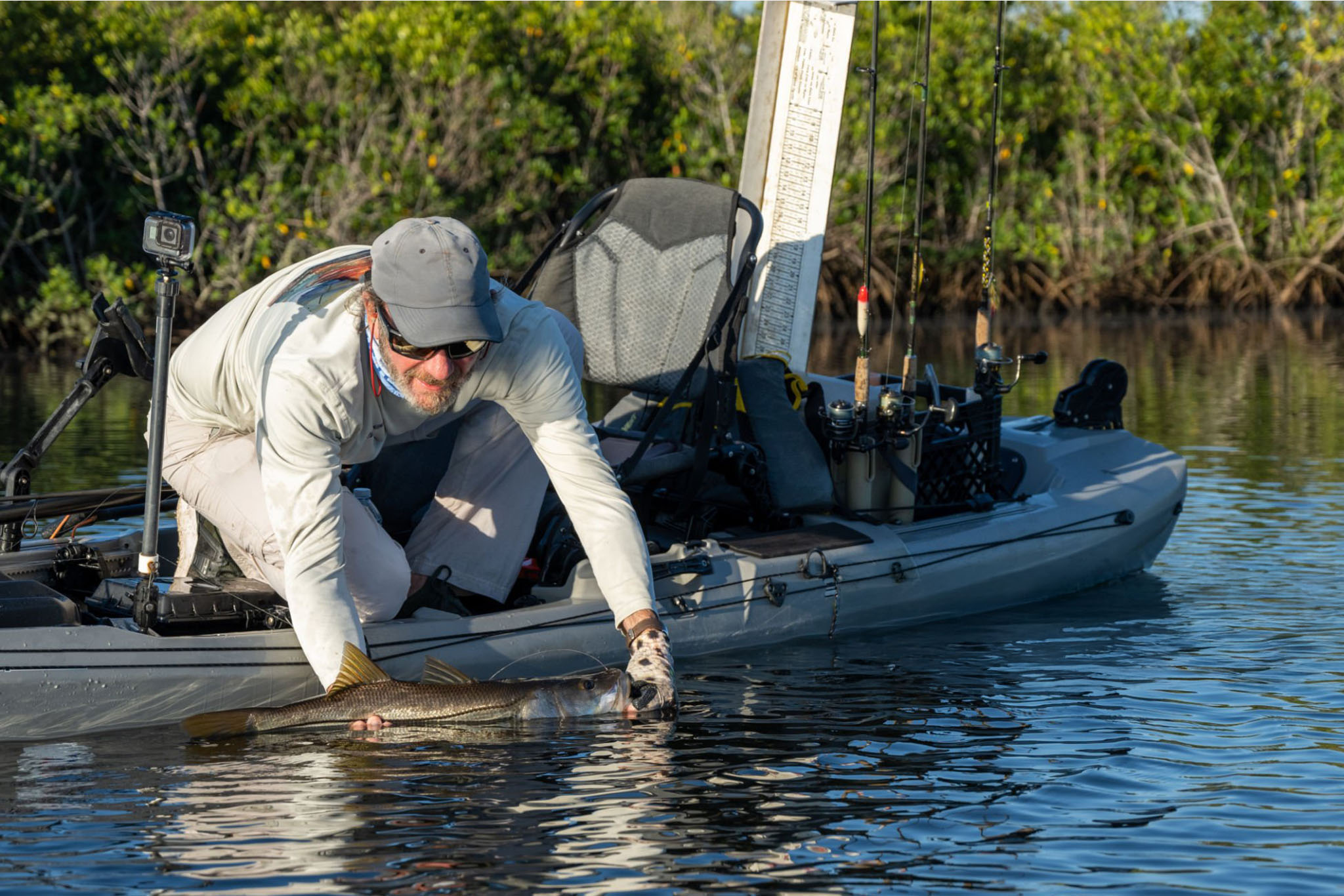
As the days shorten and water temperatures drop, predator fish like bass, pike, walleye, and musky shift into high gear. They feed aggressively in autumn, bulking up before the long, lean winter months. For anglers, this seasonal feeding frenzy represents one of the best windows of the year to land trophy fish. But to take full advantage, you need to understand the biology behind this behavior and adjust your tactics to match.
Why Predator Fish Feed Heavily in Fall
1. Metabolism and Energy Storage
Cold-blooded fish respond directly to water temperature. As fall cools the water, predator fish experience a change in metabolic rate. Their bodies signal the need to store fat reserves, ensuring survival through winter when food becomes scarce.
2. Forage Migration
Baitfish like shad, shiners, and alewives often move shallow or school tightly in the fall. Predator fish follow, capitalizing on these dense food sources. This makes fall one of the few times when large predator fish are both accessible and actively feeding.
3. Shortened Feeding Windows
As daylight hours decrease, predator fish instinctively feed more often during low-light periods—early morning, late evening, and overcast days. This urgency drives them to hit lures with less caution than in summer.
4. Pre-Spawning Preparation (Certain Species)
For species like walleye, fall feeding not only supports survival but also helps females prepare energy reserves for spring spawning.
Where to Find Predator Fish in Fall
Understanding location is just as important as lure choice. In autumn, predator fish shift habitats in response to cooling water and forage availability.
- Shallow Flats and Shorelines: As baitfish move shallow, expect largemouth bass and pike to follow. Early mornings and evenings are prime times here.
- Current Breaks and River Bends: In rivers, predator fish conserve energy behind rocks, in eddies, or near seams where prey drifts by.
- Weed Edges and Drop-offs: As weeds begin to die back, predator fish transition to edges where structure meets deeper water.
- Bait Schools in Open Water: On larger lakes, follow electronics to locate bait pods. Where you find forage, predator fish won’t be far behind.
Best Tactics to Catch Bulking-Up Predator Fish
1. Big Baits for Big Fish
Predators know winter is coming and seek maximum energy from each strike. Oversized swimbaits, glide baits, and large spinnerbaits often outproduce smaller offerings in the fall.
2. Crankbaits and Jerkbaits
Medium- to deep-diving crankbaits mimic schooling baitfish, especially effective along drop-offs and ledges. Suspending jerkbaits work well when fish are active but holding mid-depth.
3. Topwater for Explosive Action
Even in cooler water, topwater lures like walking baits and buzzbaits can draw heart-stopping strikes during low-light hours. Pike and bass, in particular, feed aggressively in shallows at dawn and dusk.
4. Jigs and Soft Plastics
Dragging football jigs or swimbaits along structure is highly effective. In cooler flows, slower presentations often tempt lethargic predators to bite.
5. Live Bait Options
For anglers who prefer natural offerings, large minnows, suckers, or shad are irresistible to musky, pike, and walleye. Rig them on quick-strike systems to minimize deep hooking.
Timing the Fall Bite
- Early Fall (September): Predator fish are still scattered, chasing forage across shallow flats and river systems. Fast-moving baits excel.
- Mid-Fall (October): Cooling water consolidates baitfish. Look for predators along drop-offs and structure. Slow down presentations.
- Late Fall (November): The big feed is on. Fish aggressively in deeper pools, ledges, and near wintering holes. Large, slow-moving baits are key.
Gear Tips for Fall Predator Fishing
- Rod & Reel: Medium-heavy to heavy setups with fast-action tips provide strength for large lures and big fish.
- Line: Braided line with a fluorocarbon leader gives sensitivity and abrasion resistance around rocks and structure.
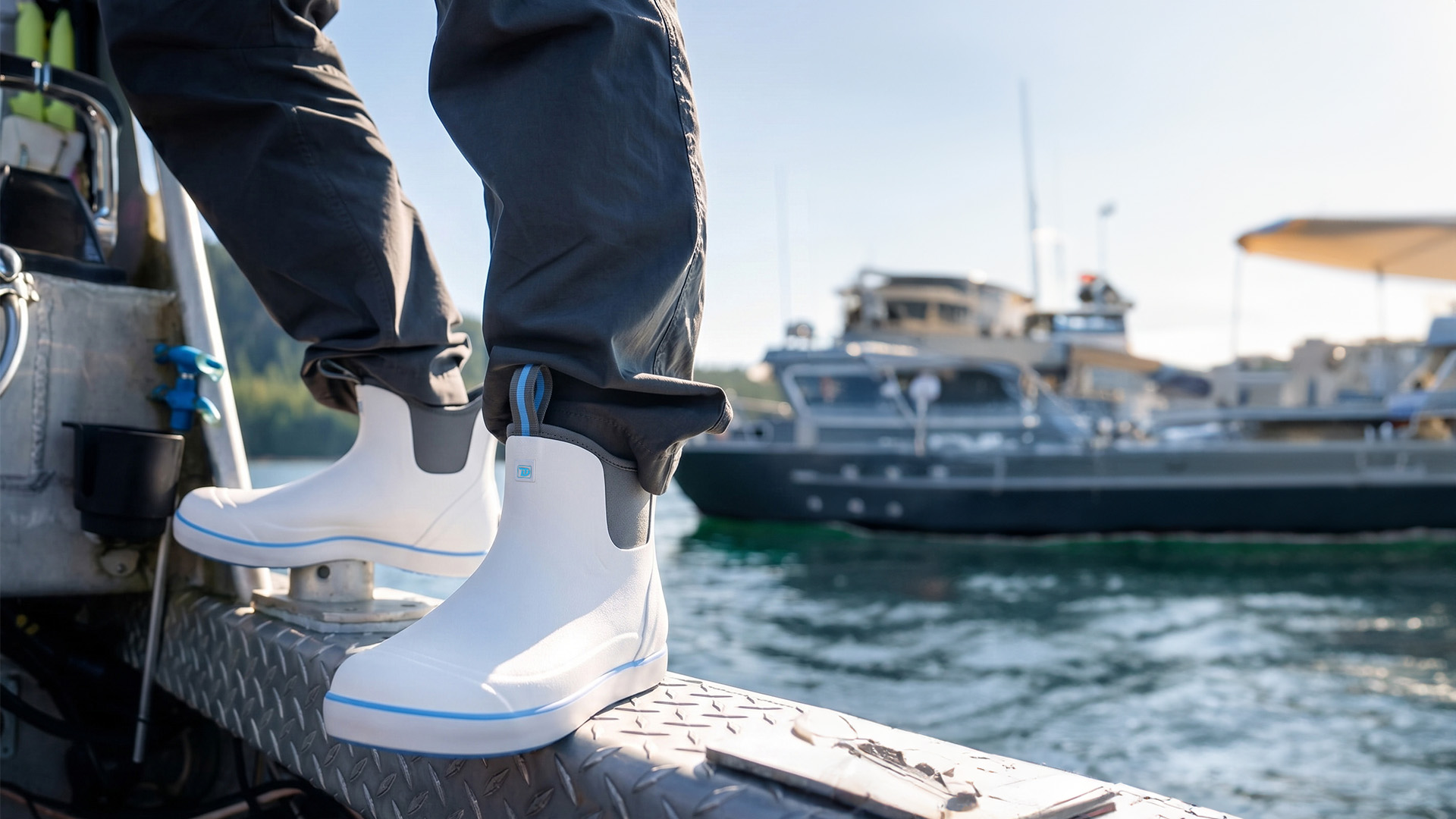
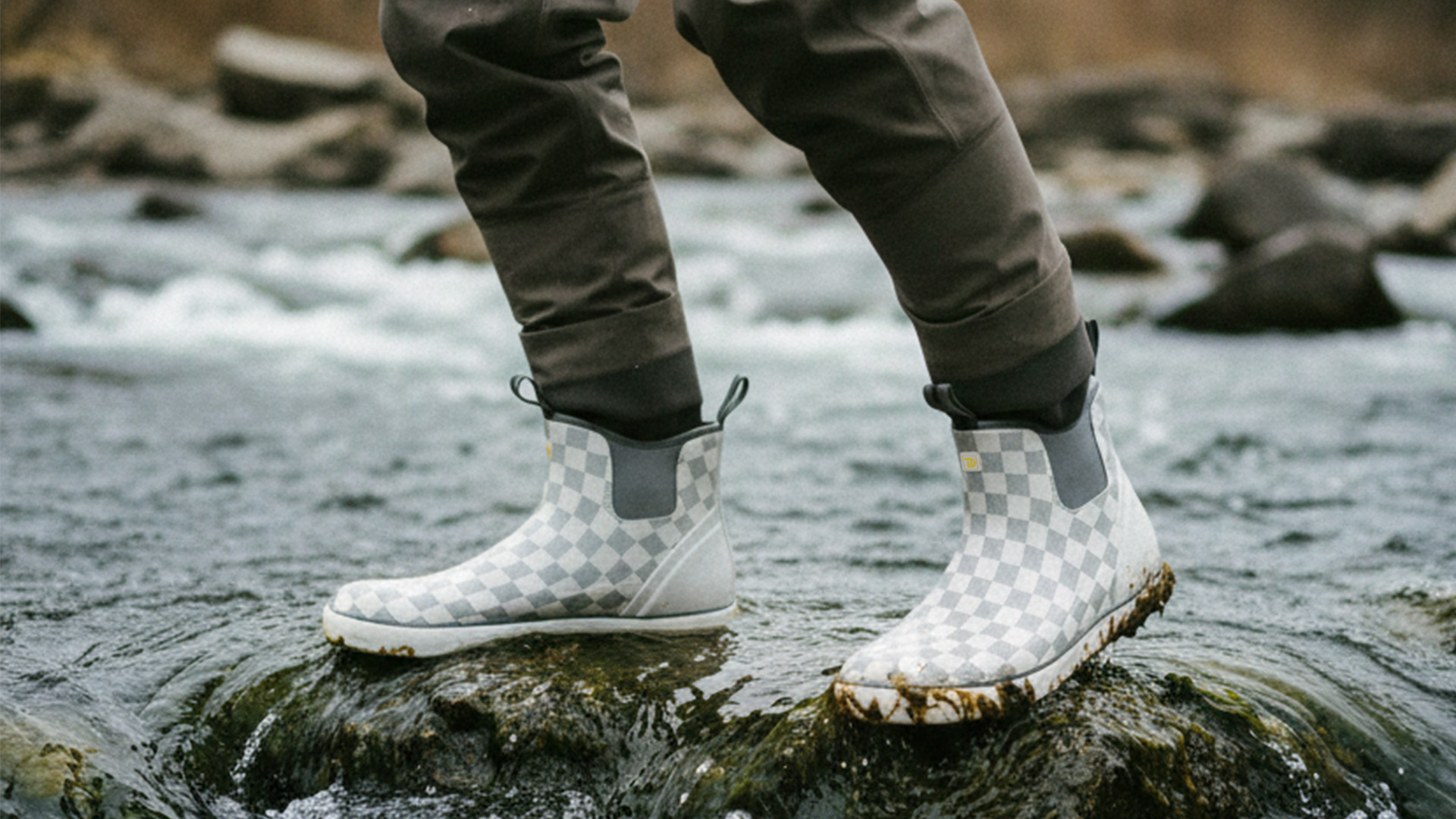
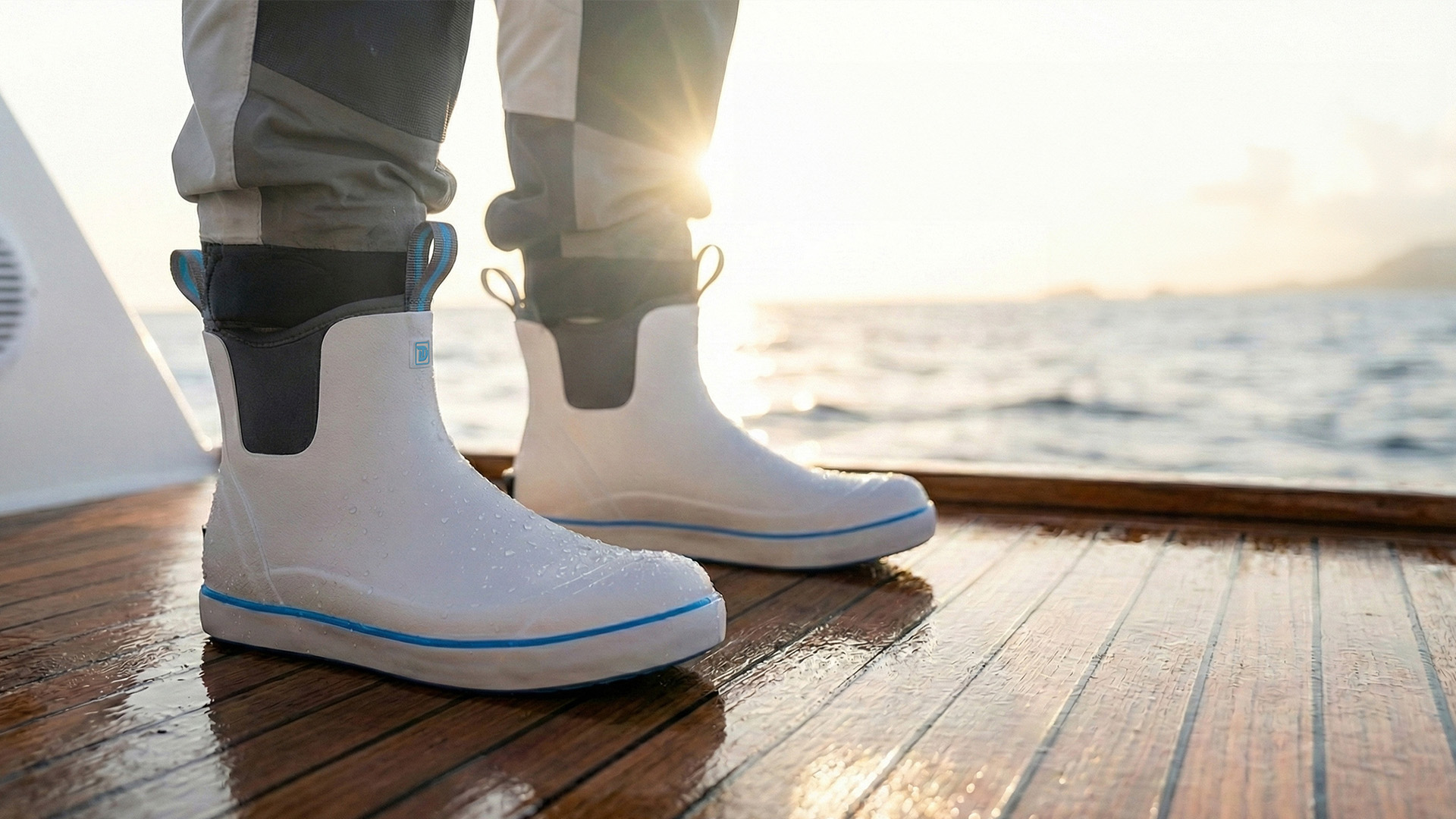
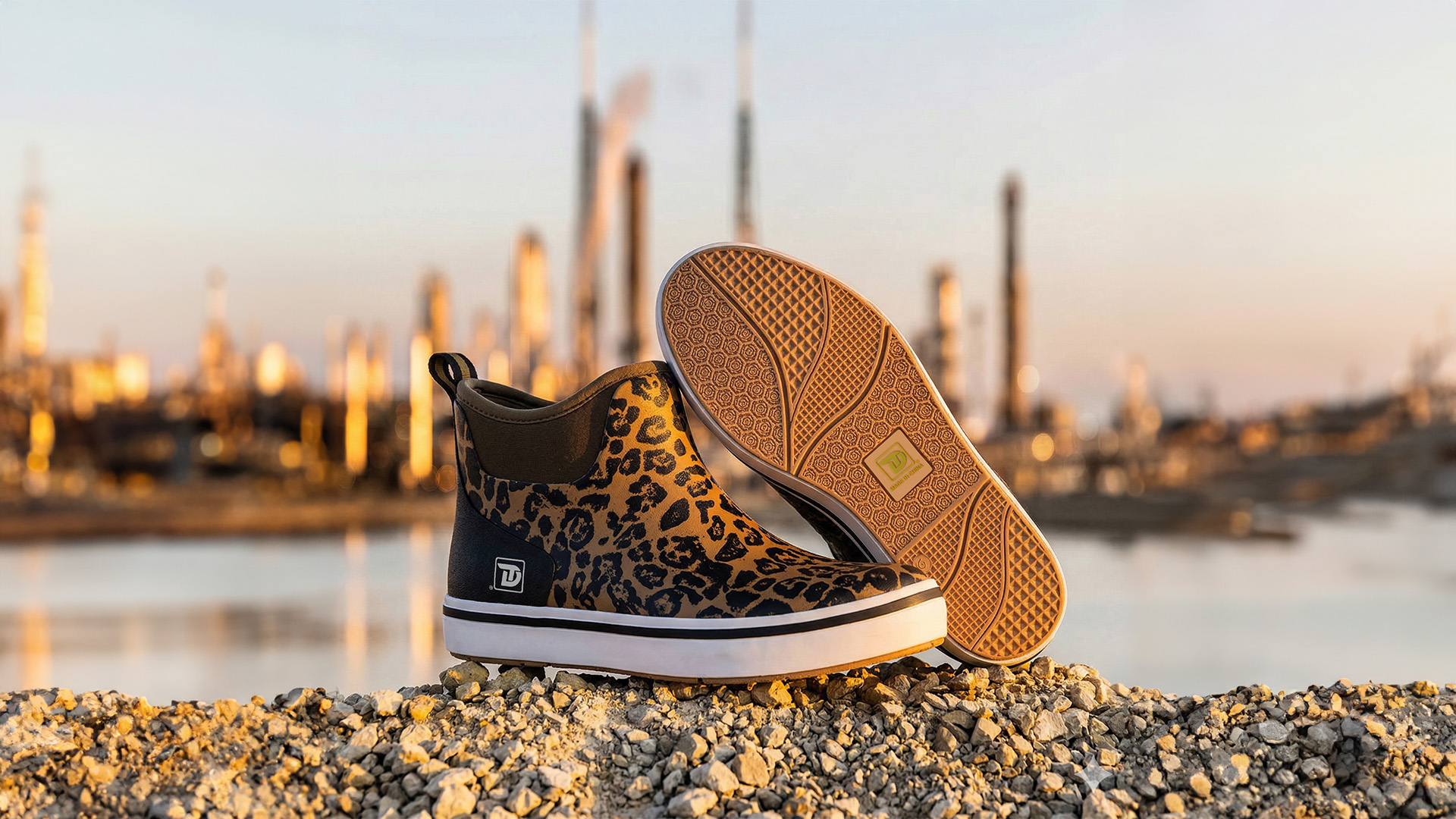
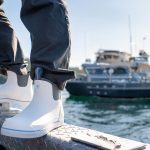
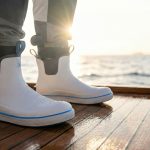
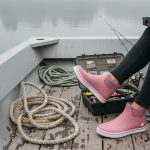
- Clothing & Safety: Cold water increases risk. Invest in waterproof boots, waders, and layered clothing to stay safe and comfortable.
Final Thoughts
Fall isn’t just a transition season—it’s a predator angler’s dream. The combination of cooling water, abundant forage, and instinct-driven feeding creates prime opportunities to hook the fish of a lifetime. By targeting the right locations, matching your lures to forage movements, and adjusting presentation speed to the season, you’ll put yourself in the middle of the autumn bulk-up bite.
If you’re looking for trophy action, fall is the time to be on the water. Don’t just wait for next season—this is when predator fish are at their heaviest, hungriest, and most aggressive.