


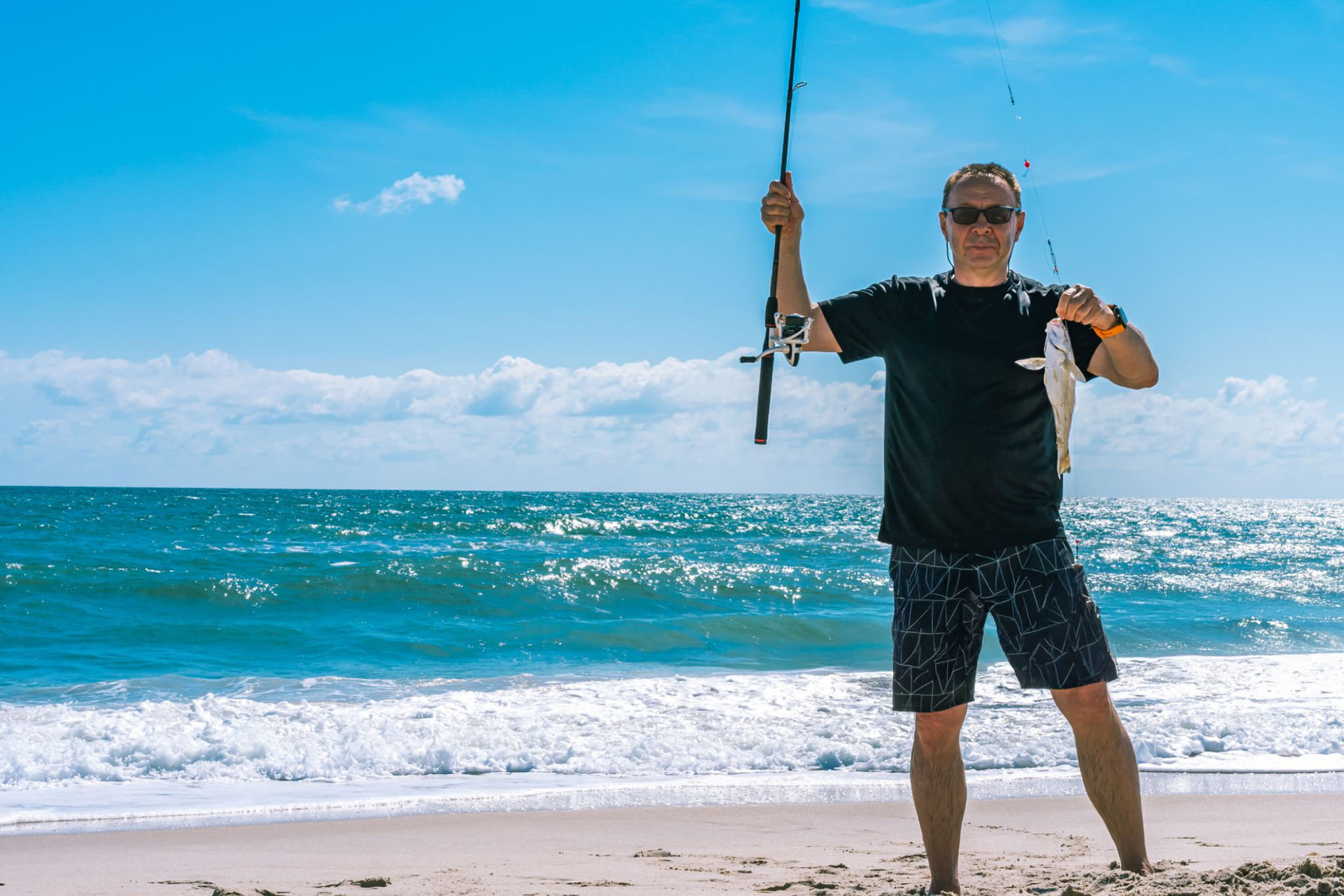
As summer fades and the first signs of autumn settle in, anglers across the U.S. notice a familiar shift: fish begin moving back toward the shallows. What seems like a seasonal mystery has clear biological and ecological explanations. Understanding these patterns gives fishermen a powerful edge in early fall, when both gamefish and baitfish transition into shoreline waters.
Why Fish Move Shallow in Early Fall
1. Cooling Water Temperatures
During summer, surface temperatures can climb to levels that push many species into deeper, cooler water. As September arrives, cooling nights lower surface temps, creating a more comfortable environment near the banks. Species like bass, walleye, and panfish are drawn into these zones to feed.
2. Oxygen Redistribution
Warm summer water often stratifies, with oxygen concentrated at mid-depths. As lakes and ponds cool, oxygen levels balance throughout the water column, making shallow zones just as viable as deeper areas. This opens up habitat along weedlines, coves, and rocky banks.
3. Baitfish Migration
Shad, minnows, and young-of-year perch often gather in schools along shorelines in early fall. Larger predators follow this movement. Where the baitfish go, the bass, pike, and walleye won’t be far behind.
4. Forage Diversity
Shorelines host a wide variety of forage: crayfish, frogs, insects, and baitfish all thrive here in September. Predators take advantage of this buffet, making the shallows a prime hunting ground.
Species Behavior Near Shorelines
Bass
Largemouth bass gravitate to shallow weed edges, docks, and laydowns. Smallmouth, on the other hand, key in on rocky points and gravel flats near shore, ambushing baitfish moving in schools.
Walleye
Walleye often chase bait into windblown shorelines at dusk and dawn. These feeding windows are some of the most productive times to catch trophy fish.
Panfish
Bluegill and crappie follow insect hatches and baitfish schools close to banks, especially in coves and sheltered bays.
Best Tactics for Shallow Fishing in Early Fall
- Topwater Lures: With cooler water and active fish, topwater baits like poppers and walking lures can trigger explosive strikes.
- Crankbaits and Jerkbaits: These mimic fleeing baitfish and work well along rocky shorelines and weedlines.
- Soft Plastics: Tubes, craws, and swimbaits dragged along shallow cover imitate crayfish and smaller fish.
- Live Bait: Minnows and nightcrawlers remain reliable for panfish and walleye near shore.
Reading the Shoreline
Not all shallow water is created equal. Productive spots often include:
- Windblown Banks – Waves push baitfish against shore, drawing predators.
- Weed Edges – Transition zones between cover and open water are ambush points.
- Rocky Points – Smallmouth and walleye use these as feeding stations.
- Shade and Cover – Overhanging trees, docks, and fallen timber create protection for both prey and predator.
Timing Matters
- Morning & Evening: Lower light levels give predators confidence to push shallow.
- Overcast Days: Cloud cover extends shallow activity throughout the day.
- Post-Front Conditions: After a cold front, fish may pull slightly deeper, but they’ll return shallow once conditions stabilize.
Final Thoughts
Shoreline fishing in early fall isn’t just convenient—it’s often the most productive pattern on the water. As temperatures drop and forage piles up near the banks, predators from bass to walleye can’t resist moving in. By focusing on structure-rich shorelines and matching your tactics to natural forage, you can unlock one of autumn’s most reliable fishing opportunities.
Whether you’re casting a topwater bait at dawn or working a jig along a rocky bank at dusk, September’s shoreline secrets can turn an ordinary trip into a season highlight.