


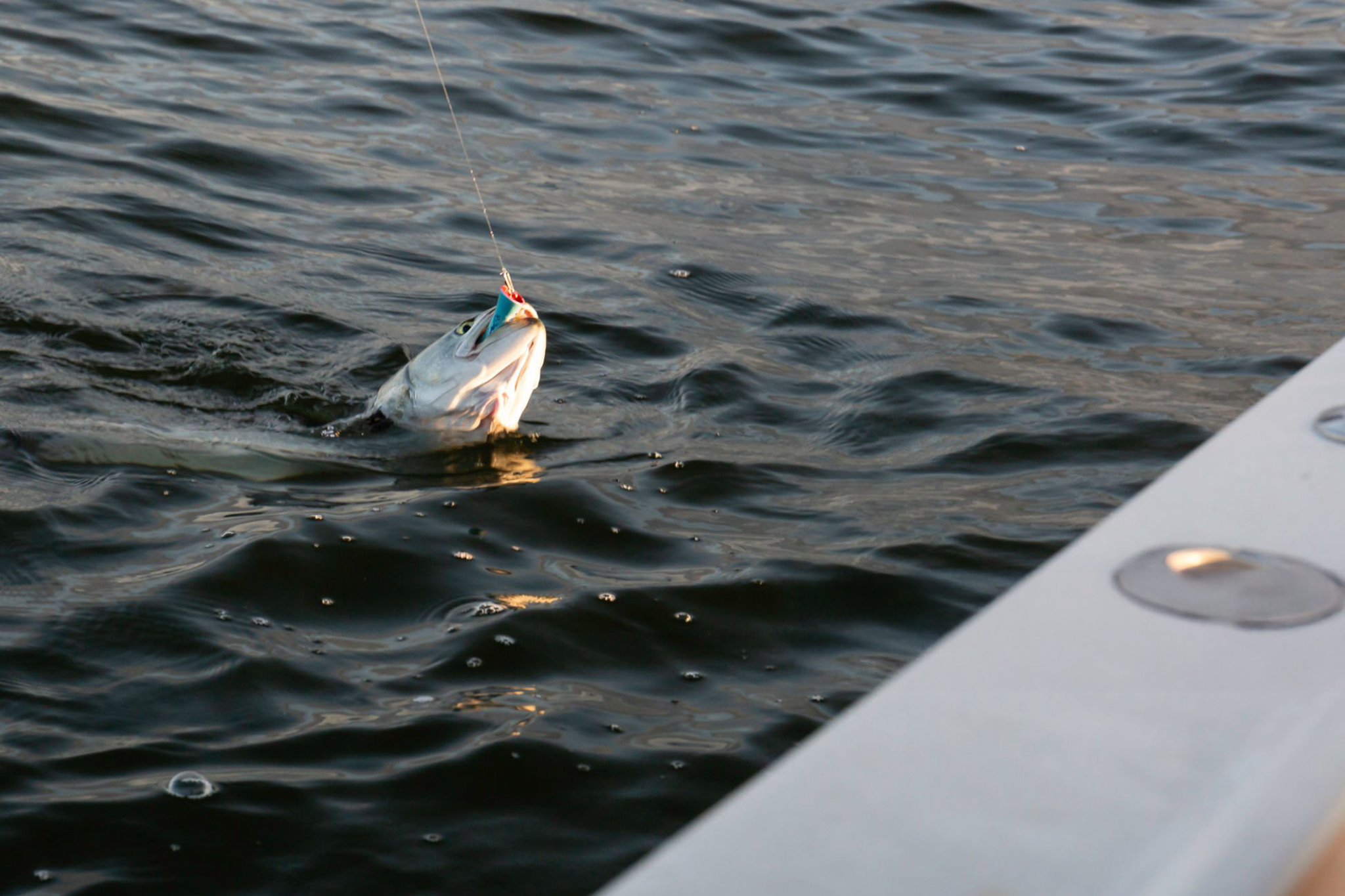
As summer fades and crisp mornings settle in, many anglers put away their topwater lures, assuming bass will head deep and ignore surface offerings. That’s a mistake. Early fall is actually one of the most exciting times to experience explosive topwater bass strikes, thanks to cooling water temperatures and shifting forage patterns.
In this guide, we’ll explore why topwater remains a deadly option in cooler weather, what lures excel in early fall, and how to fine-tune your tactics for consistent bass success.
Why Topwater Still Works as Weather Cools
When water temps drop into the high 60s and low 70s Fahrenheit, bass feeding behavior shifts dramatically. Schools of shad, bluegill, and minnows migrate into creeks and shallower bays, and bass follow. This movement makes bass more aggressive, and often more willing to smash prey at the surface.
- Increased oxygen: Cooler water holds more oxygen, keeping baitfish lively and near the surface.
- Feeding frenzy: Bass bulk up for winter, often chasing bait into shallow flats where topwater lures shine.
- Low-light advantage: Shorter days and earlier sunsets extend prime topwater windows.
Best Topwater Lures for Early Fall
Not all topwater baits work the same in cooler conditions. Here are proven options for fall bass:
- Walking baits (Spooks, pencil baits): Perfect for imitating shad schools, especially when worked with a steady side-to-side cadence.
- Poppers: Great for calm mornings, producing subtle splashes that trigger surface strikes.
- Buzzbaits: Best during windy days or when bass are aggressively chasing. Their commotion draws strikes from distance.
- Hollow-body frogs: Effective along weed edges and pads that remain green into early fall.
- Prop baits: Ideal around cover when bass are feeding in tight ambush zones.
Pro tip: Match lure color to the forage. White or silver mimics shad, while bluegill patterns work well around grass and docks.
Prime Conditions for Topwater Strikes
Early fall topwater fishing requires paying attention to details. The right conditions make all the difference:
- Time of day: Dawn and dusk remain reliable, but don’t ignore overcast midday hours.
- Wind direction: Wind pushes baitfish; fish the windy side of points and coves.
- Water clarity: Clear water often calls for more natural colors and subtler presentations.
- Temperature swings: Sudden cold fronts can slow surface activity, but a steady cooling trend keeps bass active.
Techniques to Maximize Topwater Success
- Work shallow flats near channels: Bass use these transition areas to trap bait.
- Vary your cadence: Speed up retrieves when fish are aggressive; slow down when bites are tentative.
- Target ambush cover: Laydowns, weedlines, and riprap offer perfect feeding spots.
- Use the pause: With poppers and walkers, pausing mid-retrieve often triggers strikes from following bass.
Common Mistakes to Avoid
- Fishing too fast in calm conditions: Sometimes subtle, patient presentations draw more strikes.
- Overlooking midday bites: Cooler fall water keeps bass more active, even under a high sun.
- Ignoring smaller forage: Downsizing your topwater lure often matches the hatch more effectively.
Final Thoughts
Early fall brings some of the most explosive topwater action of the year. As bass chase bait into the shallows, anglers who stay confident with walking baits, poppers, and buzzbaits can experience unforgettable surface strikes. By reading the conditions, matching your lure to the forage, and adjusting your retrieve, you’ll unlock consistent topwater success even as the air gets crisp.
Don’t pack away those topwater lures just yet—fall may be your best chance at the strike of a lifetime.