





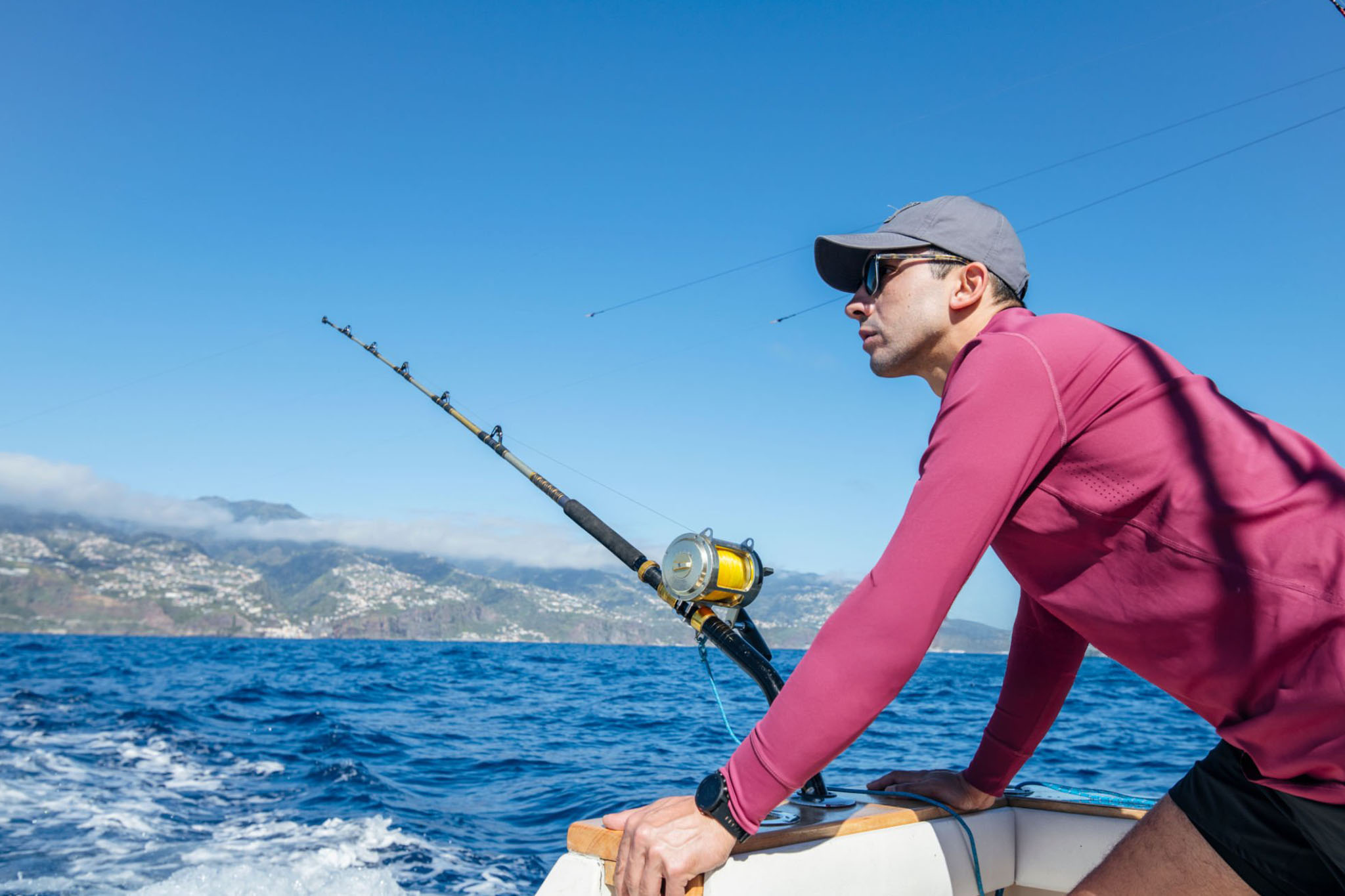
September is a golden month for surfcasters. With baitfish schools moving along the coast and predator species following closely behind, the surf becomes alive with opportunity. But to make the most of this transition season, anglers must sharpen their ability to read beaches and understand tidal movements. Both factors dictate where fish stage and how they feed, making them crucial for success in surfcasting.
Why September Is Prime for Surfcasting
September marks a seasonal shift along most U.S. coastlines. Cooling water temperatures trigger bait migrations such as mullet, peanut bunker, and anchovies, drawing striped bass, bluefish, redfish, and weakfish into surf zones. Unlike summer, when fish often retreat to deeper, cooler waters during daylight, fall conditions keep them active in the shallows for longer stretches. Surfcasters who adapt to these patterns can encounter some of the most exciting bites of the year.
How to Read Beaches for Productive Surfcasting
1. Identifying Sandbars and Cuts
Sandbars act as natural highways for baitfish. Breaks or “cuts” in these bars funnel water—and food—back into deeper troughs, creating ambush points for predators. Stand back at low tide to scout the contour of the beach, noting where channels form or where waves break unevenly, as these often signal a cut.
2. Spotting Troughs and Gutters
Just beyond the shoreline, troughs (or “gutters”) hold fish waiting for bait washed out by the surf. These are often darker, calmer sections of water between sandbars. Casting parallel to the beach into these zones often pays off, especially during a moving tide.
3. Watching Wave Action and Foam Lines
Foam lines on the surface often indicate current seams where baitfish collect. Fish cruise along these lines for easy meals. Similarly, spots where waves consistently break harder or softer than surrounding areas can reveal structure beneath the surface that holds fish.
Understanding Tides in September Surfcasting
Incoming Tide (Flood)
As the tide rises, water floods into cuts, troughs, and along jetties, carrying bait with it. Predator fish move in closer to shore, making the first half of the flood an excellent time to fish.
Outgoing Tide (Ebb)
The ebbing tide often concentrates baitfish as water drains from back bays, estuaries, and cuts in sandbars. This movement creates natural feeding funnels, particularly effective for striped bass and bluefish in September.
Slack Tide
While slack tide (when water stops moving) is generally less productive, it can provide short windows when fish reposition. Use this time to switch lures or scout new beach structure.
Best Lures and Baits for September Surfcasting
- Topwater Plugs: Pencil poppers and spooks shine during low-light hours, capitalizing on surface feeding activity.
- Swimbaits and Soft Plastics: Match mullet and peanut bunker for a natural presentation in the surf.
- Bucktail Jigs: Versatile and effective in troughs, cuts, and deeper water where bait schools pass.
- Cut Bait or Live Bait: Fresh mullet, bunker, or clam strips are excellent for stationary rigs when predators are thick.
Pro Tips for Surfcasters in September
- Fish Dawn and Dusk: Low-light hours coincide with active bait migrations, often triggering aggressive strikes.
- Travel Light: Covering water is key in surfcasting. A small plug bag, spare leader, and a pair of pliers are often all you need.
- Match the Hatch: Observe what baitfish are most abundant on your stretch of beach and select lures that mimic them in size, shape, and color.
- Be Patient and Observant: Take time to watch the water before casting. The surf reveals patterns if you look closely—seagulls diving, bait showering, or waves breaking differently.
Final Thoughts
September surfcasting offers anglers a chance to connect with migrating fish at their most aggressive stage. By learning to read beaches and tides, surfcasters can consistently put themselves in the right place at the right time. Whether you’re casting into a cut, working a trough on a rising tide, or walking the sandbars at dawn, understanding the surf’s language is what transforms September from just another month into the start of fall fishing’s most rewarding season.