


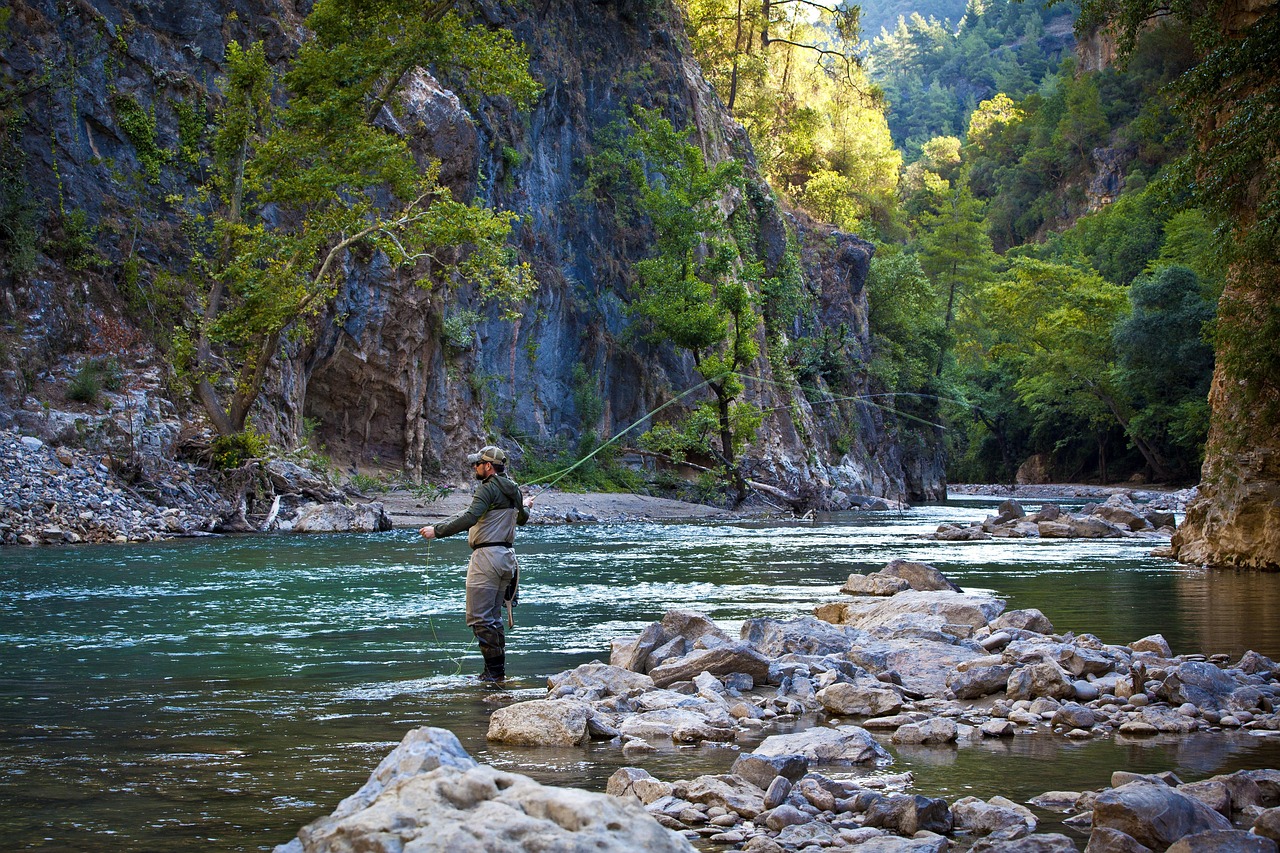
September marks a turning point in the trout angler’s calendar. As water temperatures cool and daylight shortens, trout transition from sluggish summer behavior into a more aggressive, opportunistic feeding mode. For fly fishermen and spin anglers alike, understanding how to “match the hatch” in early fall is the key to consistent action. Whether you’re wading a small Appalachian stream, drifting a Rocky Mountain river, or casting in a stocked tailwater, tailoring your flies and lures to the natural forage can make the difference between an empty net and a memorable day.
Why September Is Unique for Trout Fishing
During summer, trout often retreat to deeper, cooler pools and feed sparingly during low-light hours. But September ushers in relief: oxygen levels improve, insect hatches shift, and baitfish become more active. Trout sense the changing season and start bulking up for winter, feeding more frequently and moving into shallower runs, riffles, and shorelines.
This seasonal behavior gives anglers the chance to experiment with a wider range of tactics, from imitating late-summer insects to presenting small baitfish patterns.
Key Hatches to Watch in September
Matching the hatch starts with knowing what insects are hatching and how trout respond to them. Here are the most common September hatches across much of the U.S.:
- Blue-Winged Olives (BWOs): These mayflies thrive in cool, overcast fall weather. Sizes usually range from #18–22, and trout often rise aggressively during BWO hatches.
- Tricos: Tiny but abundant, Tricos can create blanket hatches on calm mornings. Micro-dry flies or drowned spinners are often effective.
- Caddisflies: While spring is their peak, many regions still see sporadic caddis activity in September, particularly tan or olive varieties.
- Terrestrials: Grasshoppers, beetles, and ants remain trout favorites until the first frost. Bankside casts with foam hoppers can trigger explosive strikes.
For fly anglers, it’s critical to carry a selection of dries, emergers, and nymphs to adjust as trout shift between surface and subsurface feeding.
Fly Patterns That Work in September
Here are proven patterns that imitate September forage:
- Dry Flies: Parachute Adams (#18–22), Elk Hair Caddis (#14–16), Foam Hopper (#8–10), Hi-Vis BWO (#20).
- Nymphs & Emergers: Pheasant Tail (#18–20), RS2 (#20–22), Zebra Midge (#20–24), Caddis Pupae (#14–16).
- Streamers: Woolly Bugger (olive or black, #6–10), Muddler Minnow (#8–12), and Sparkle Minnows to imitate baitfish.
Tip: In September, trout often key in on emergers just below the surface. A soft hackle swung through riffles or an unweighted nymph drifting near the top column can outfish dries when rises slow.
Spin Fishing Lures That Match the Hatch
Not every trout angler is on the fly rod, and spin gear can also “match the hatch” effectively. Focus on downsizing and using natural colors:
- Inline Spinners: Panther Martin or Mepps in brown trout, gold, or olive patterns.
- Small Crankbaits: Rapala Original Floating Minnow in size 3–5, silver or brown trout patterns.
- Soft Plastics: 2–3 inch swimbaits or grubs rigged on light jigheads, imitating minnows.
- Spoons: Kastmasters or Little Cleos in silver or copper, especially effective in deeper pools.
The trick in September is a subtle retrieve. Letting a spinner drift with current seams or twitching a minnow bait along eddies often mimics natural forage behavior.
Water Conditions and Presentation
September trout fishing success hinges on adapting to shifting water conditions:
- Low, Clear Water: Use longer leaders, lighter tippets, and small flies. Presentations should be delicate to avoid spooking fish.
- Stained or Higher Flows (from fall rains): Larger streamers or brighter lures can draw reaction strikes.
- Cooler Evenings and Mornings: Prime feeding times shift back to early and late in the day.
Always pay attention to trout behavior. If you see rises but no hookups, try emergers or spinners. If trout hug bottom, switch to nymph rigs or deeper-running lures.
Tips for Success
- Cover Water: In September, trout spread out across riffles, runs, and banks—don’t just fish deep holes.
- Think Seasonal Forage: Grasshoppers and baitfish patterns dominate until the first frosts.
- Pack Variety: Carry a mix of flies and lures; September conditions can change quickly with weather shifts.
- Stay Stealthy: Clear water and shallow positioning mean trout are more wary—wade carefully and keep a low profile.
Final Thoughts
September offers one of the best windows for trout anglers. Cooler water, shifting insect hatches, and active forage combine to create prime opportunities. By selecting flies and lures that truly match the hatch—whether it’s a tiny BWO emerger, a foamy hopper, or a minnow-pattern crankbait—you’ll maximize your odds of success. For fly and spin anglers alike, September trout fishing is about staying observant, adapting quickly, and presenting something that looks as close to natural forage as possible.
If you embrace these September-specific tactics, you’ll not only hook more trout but also gain a deeper appreciation for how fish respond to the changing rhythms of the season.