


As summer fades and the first cool nights of September roll in, anglers across the country start rethinking their fishing strategies. Early fall is a transitional period when water temperatures shift, forage species move, and fish behavior changes dramatically. Whether you prefer casting on a quiet lake or wading into a moving river, understanding how to adapt your game plan is the key to turning September outings into consistent success.
Understanding the Transition
The cooling water of early fall triggers a noticeable shift in fish activity. Bass, walleye, trout, and panfish all respond to shorter daylight hours and dropping surface temps by feeding more aggressively. However, their behavior differs dramatically depending on whether they’re in still waters or flowing rivers.
- In lakes, fish often move from deep summer haunts toward shallower structure, chasing baitfish like shad or perch.
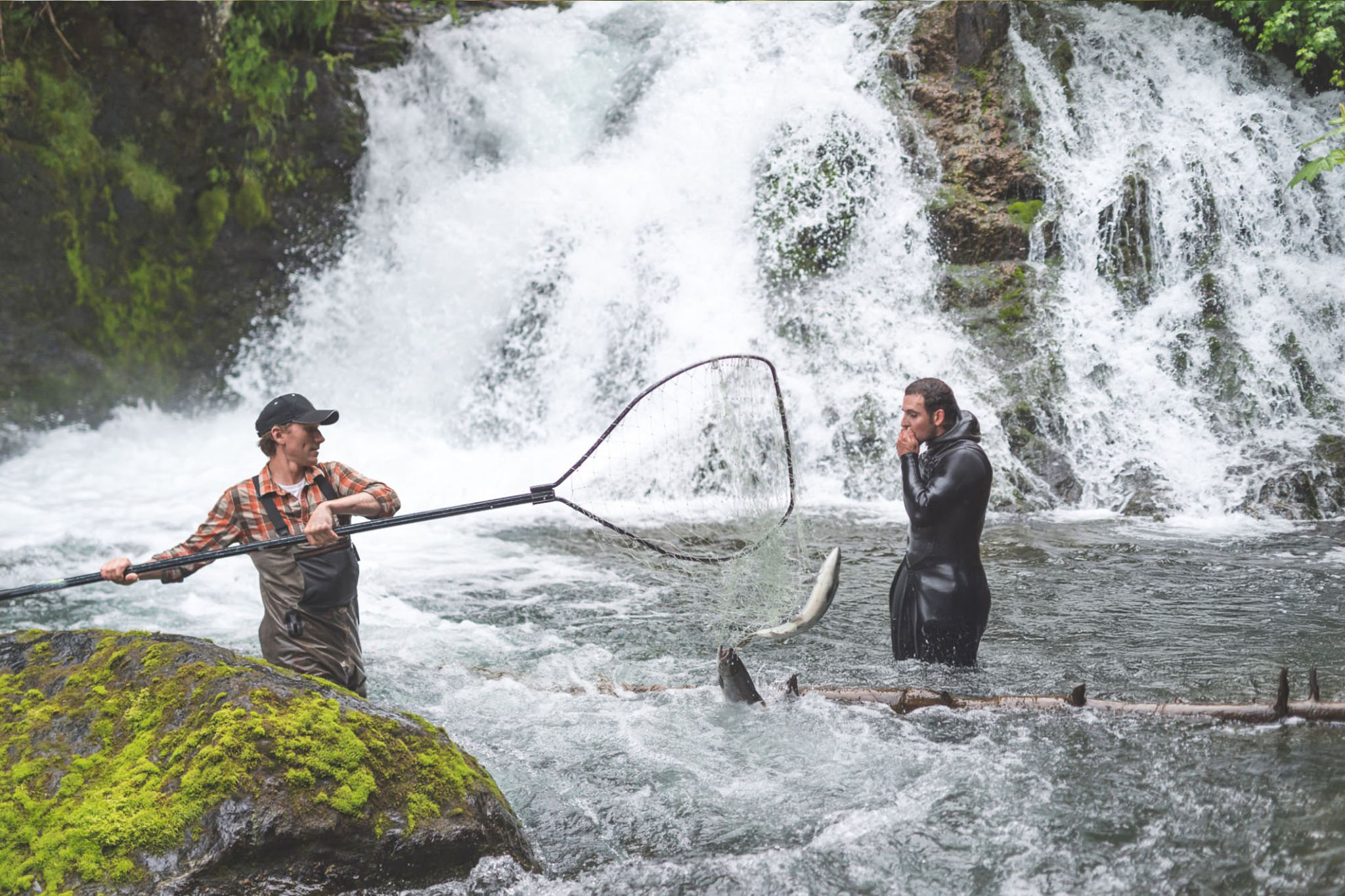
- In rivers, fish adjust to fluctuating flows and use current breaks and feeding seams to ambush prey.
Knowing these contrasts allows you to tailor your lures, presentations, and location choices accordingly.
Lake Fishing in Early Fall
Where to Look
On lakes, focus on transition zones: points, flats near deep water, and shallow coves. Bass often push schools of baitfish toward shorelines, while walleye start suspending around drop-offs and humps. Crappie and bluegill gather around brush piles and submerged timber as water cools.
Productive Tactics
- Crankbaits & Jerkbaits: Perfect for covering water and mimicking baitfish on the move.
- Spinnerbaits: Great for shallow flats when fish are chasing schools near the surface.
- Vertical Jigging: Effective when fish suspend off points or along ledges.
Timing
Early mornings and late afternoons see the most activity, but stable weather patterns can keep fish biting all day. Cloud cover often improves shallow bites as predator fish feel more comfortable pushing closer to shore.
River Fishing in Early Fall
Where to Look
Unlike lakes, rivers provide a constant buffet of food due to current. In early fall, focus on eddies, current seams, and backwater pools. Smallmouth bass, in particular, become highly active in September, using rocks, fallen trees, and riffles as ambush points.
Productive Tactics
- Soft Plastics on Jig Heads: Work them along seams and behind rocks where fish hold.
- Topwater Plugs: During warm afternoons, smallmouth often explode on surface baits in shallow runs.
- Inline Spinners: Great for covering stretches of water quickly and enticing aggressive strikes.
Timing
Midday can often be prime time on rivers, especially after a cool night. Sunlight warms shallow riffles, drawing baitfish — and the predators that follow.
Key Differences: Lake vs. River
| Factor | Lake Fishing | River Fishing |
|---|---|---|
| Fish Movement | Seasonal migration between depths & cover | Constant adjustment to current & flows |
| Forage Behavior | Baitfish schools drive predator location | Current delivers food through seams & pools |
| Best Lures | Crankbaits, spinnerbaits, vertical jigs | Soft plastics, spinners, topwater plugs |
| Timing | Dawn/dusk most productive | Midday often stronger after cool nights |
Tips for Adjusting Your Game Plan
- Read Water Temps: Even a few degrees can shift fish locations. Use electronics on lakes, and trust your thermometer in rivers.
- Follow the Food: If you can find baitfish, predators won’t be far behind.
- Stay Mobile: Don’t lock into one spot. In both lakes and rivers, fish are in transition — keep moving until you find active zones.
- Adapt Gear: Downsizing lures often pays off in clearer, cooling water, especially for finicky bass or trout.
Final Cast
Early fall fishing offers some of the most rewarding days of the year. Lakes and rivers both hold incredible opportunities, but success comes from recognizing their differences and adapting accordingly. By understanding how fish transition with the season, you’ll put yourself in the best position to turn crisp autumn mornings and cool evenings into memorable catches.