




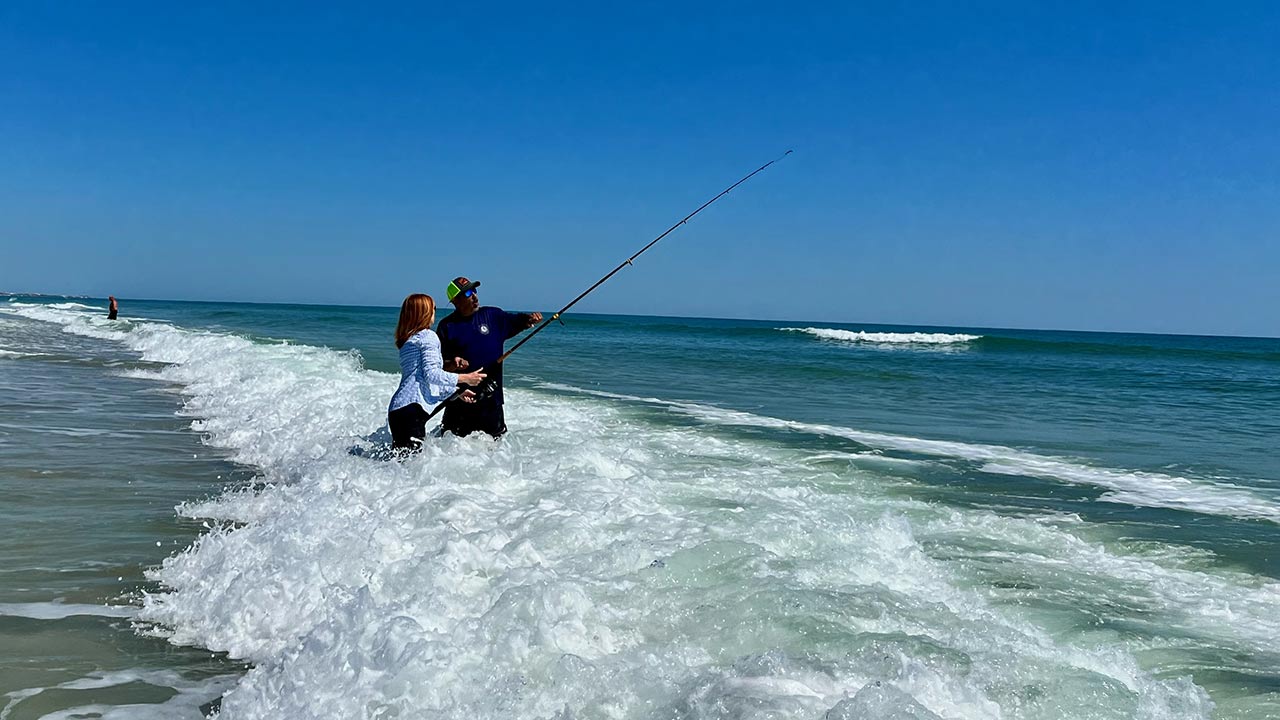
As the summer heat begins to fade and the first hints of fall creep in, surf anglers know that September marks the start of one of the most exciting times of year. The full-blown bait migrations haven’t yet begun, but the signs of change are everywhere: cooler mornings, shifting tides, and more active predator fish moving along the surf. Success this month often comes down to reading the beach — understanding how water, sand, structure, and forage interact to put fish in predictable places.
Whether you’re targeting stripers in the Northeast, redfish in the Southeast, or surf-roaming pompano and whiting along the Gulf, September offers prime opportunities if you know how to break down the shoreline.
Why September Surf Fishing Matters
September sits at a sweet spot in the coastal fishing calendar:
- Baitfish gather and stage. Schools of mullet, menhaden, and anchovies start bunching up, preparing for migrations. Gamefish lurk nearby, capitalizing on these easy meals.
- Water temperatures moderate. Cooler surf makes fish more active compared to the sluggish heat of August.
- Less competition. Summer beach crowds fade after Labor Day, leaving more room for anglers.
All of this means September can deliver steady action if you’re prepared to adapt your tactics.
Reading Beaches Like a Pro
Surf fishing isn’t just about casting far. It’s about understanding where fish naturally feed and travel. Here are the key structures to study every time you step on the sand:
1. Cuts and Troughs
Look for darker water seams where waves break unevenly. These indicate deeper cuts and troughs, natural travel lanes for bait and predators alike. Casting into these funnels often produces strikes from stripers, drum, or blues.
2. Sandbars
Outer bars create zones of calmer water on the inside and rip currents on the outside. Fish often hold at the edges of these bars, ambushing bait swept over. September’s shifting tides can rearrange sandbars daily, so scout carefully at low tide.
3. Points and Pockets
Any irregularity in an otherwise straight shoreline — a point jutting out or a pocket curving in — concentrates water movement. Predators use these ambush zones to pin bait.
4. Wave Action and Foam Lines
Watch where the waves consistently crash and where whitewater lingers. Foam lines carry food and attract smaller baitfish, which in turn draw in bigger predators.
September Targets by Region
Different coasts offer different opportunities in early fall. Here’s what anglers can expect:
- Northeast (New England to New Jersey): Striped bass and bluefish begin staging near beaches, feeding on peanut bunker and mullet. False albacore may show in the surf on clear days.
- Mid-Atlantic: Red drum and speckled trout become more active as surf temps cool. Schools of mullet start moving south, sparking classic “mullet run” action late in the month.
- Southeast and Gulf: Pompano, whiting, Spanish mackerel, and slot-sized redfish prowl the surf. Watch for diving birds over bait schools to find fast action.
- West Coast: Surf perch remain steady, while halibut and stripers follow anchovy schools into casting range.
Tactics That Work in September
Match the Hatch
Carry a selection of lures and baits that resemble local forage. In September, mullet imitations (soft plastics, topwaters, swim shads) are deadly. On calmer days, small spoons and metals mimic anchovies or glass minnows.
Time the Tides
Early morning and evening high tides tend to be the most productive. Moving water concentrates bait and triggers predator feeding.
Use Natural Baits
Shrimp, sand fleas, and cut mullet remain staples. Fish them on fish-finder rigs or double-dropper setups for consistent action on a variety of surf species.
Travel Light
In September, fish may be scattered. A mobile approach — walking the beach with a single rod, backpack, and a plug bag — often outproduces camping in one spot.
Gear Considerations
- Rod & Reel: A 9–11 ft surf rod matched with a saltwater spinning reel in the 4000–6000 size range covers most September surf situations.
- Line: 20–30 lb braid with a 20–40 lb fluorocarbon leader offers strength without sacrificing casting distance.
- Terminal Tackle: Pyramid sinkers hold in shifting surf; circle hooks improve hookups and fish survival.
Safety and Comfort
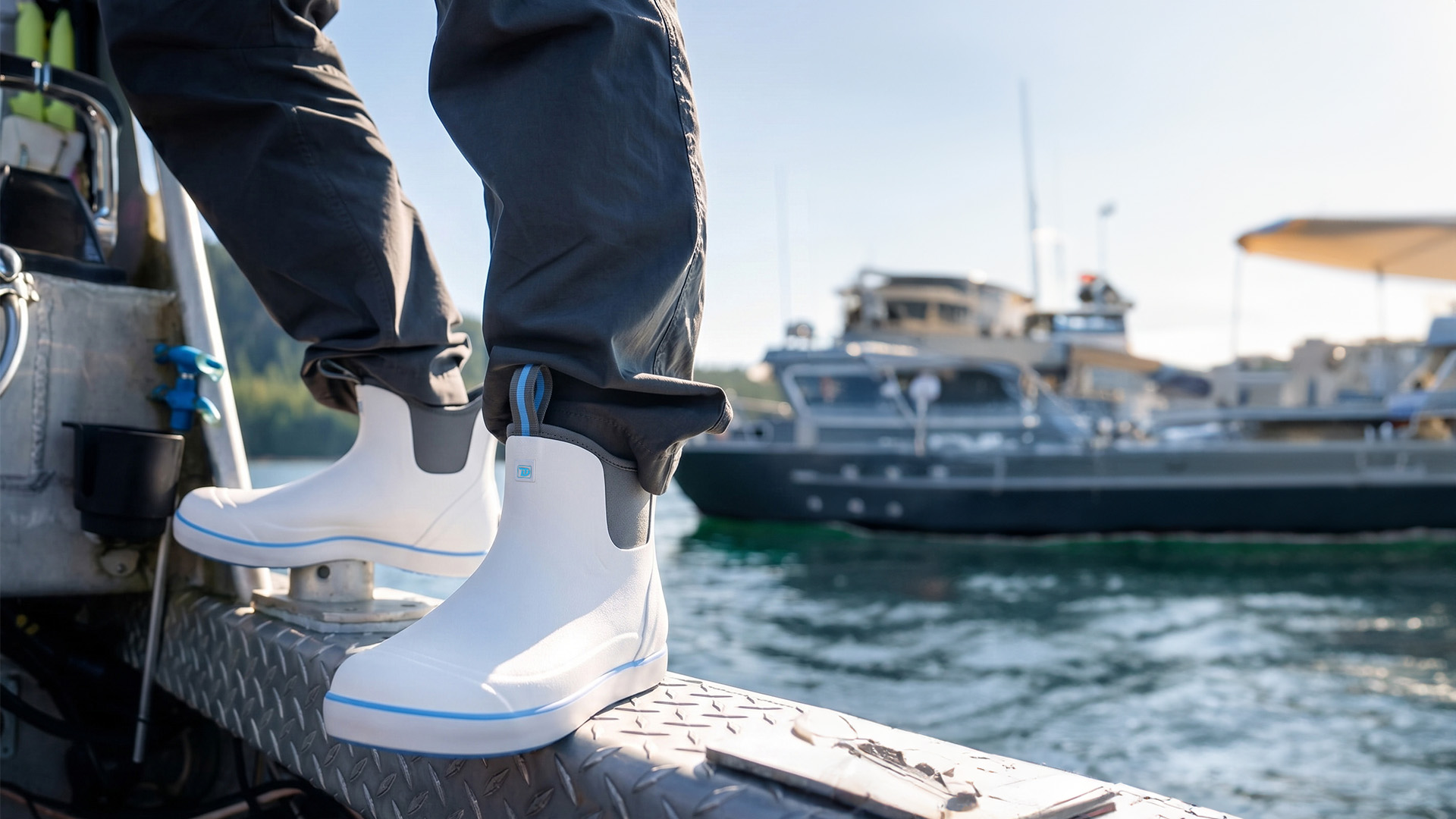
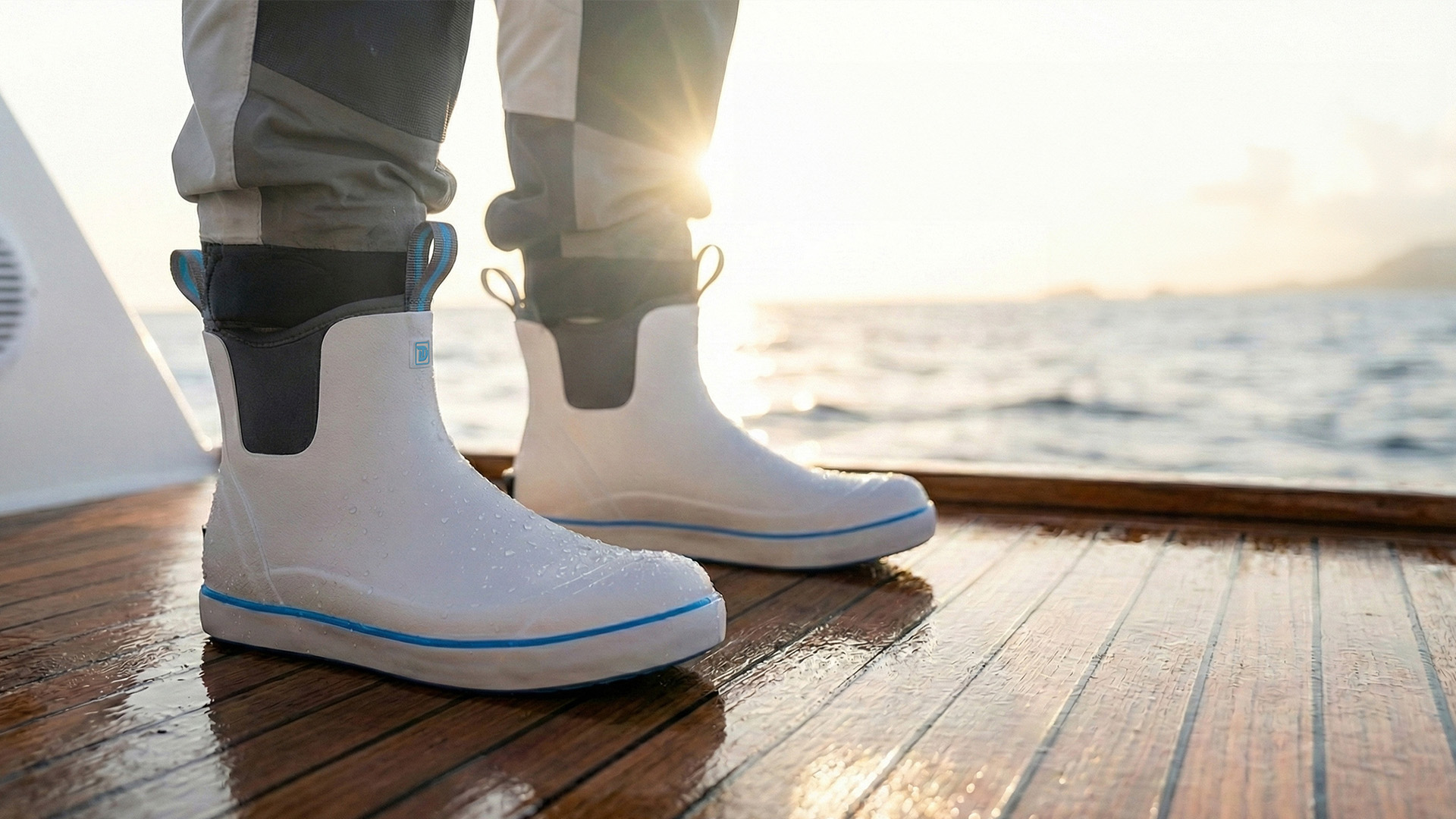
September can bring unpredictable conditions: storms offshore, stronger rip currents, and chillier mornings. Always check the marine forecast, wear proper footwear, and don’t wade too deep when waves are stacked.
Final Cast
Surf fishing in September is all about anticipation. You’re fishing the edge of summer and fall, when bait schools gather and predator fish patrol the shallows before the migrations hit full swing. By learning to read the beach, adjusting your tactics to shifting conditions, and targeting the structures that concentrate fish, you’ll turn September’s transitional surf into a month of consistent success.