

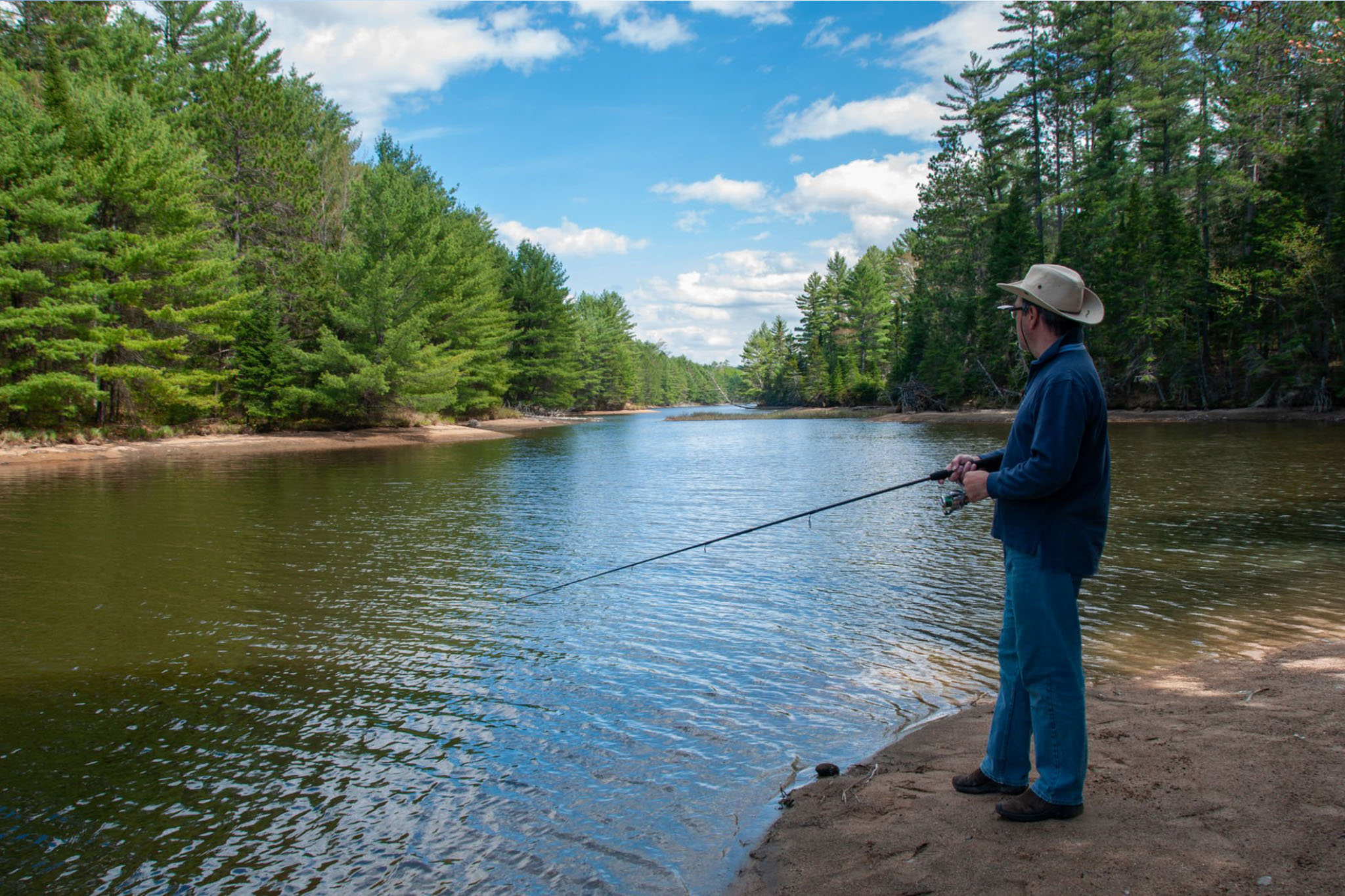
As summer fades and fall approaches, anglers across the country face a familiar challenge: fish behavior starts to change. Cooling nights, shorter days, and shifting food availability push fish to move differently than they did in the heat of summer. But here’s the catch—rivers and lakes don’t transition the same way. If you want to stay successful in early fall, you’ll need to adjust your fishing strategy depending on whether you’re casting in moving water or still water.
How Early Fall Impacts Fish Behavior
When September arrives, water temperatures dip, oxygen levels improve, and baitfish begin to school. This seasonal shift creates more aggressive feeding activity across species, but rivers and lakes respond differently:
- In lakes, fish follow baitfish schools, often transitioning from deep summer haunts back toward mid-depths and shallows.
- In rivers, current remains a dominant factor. Even with cooler water, fish orient themselves around flow, structure, and food funnels.
Understanding these key differences is the first step to refining your approach.
Lake Fishing in Early Fall
Lakes in September can be incredibly productive, but fish are on the move. Tracking bait and identifying transition zones is essential.
Key Lake Fishing Tactics:
- Follow the Baitfish
Shad, minnows, and bluegill often move into coves, creek arms, and flats as temperatures drop. Bass, walleye, and pike follow closely behind.- Best Lures: Crankbaits, jerkbaits, spinnerbaits, and swimbaits that mimic schooling baitfish.
- Target Mid-Depth Structure
Fish often stage on secondary points, humps, or submerged timber before moving shallow.- Best Approach: Use electronics to locate suspended schools, then work vertical jigs or drop shots.
- Capitalize on Topwater Windows
Early mornings and evenings are prime times for explosive surface strikes as predators corral bait in shallow water.- Best Lures: Walking baits, poppers, and buzzbaits.
River Fishing in Early Fall
Rivers bring a whole different game. While lakes rely heavily on baitfish movements, rivers are dictated by current flow and structural breaks.
Key River Fishing Tactics:
- Fish the Current Seams
Where fast water meets slower water, fish set up ambush points. These seams concentrate oxygen and drifting food sources.- Best Lures: Jigs, soft plastics, or crankbaits worked along the current breaks.
- Target Deep Holes and Runs
As temperatures drop, larger fish like smallmouth bass, catfish, or trout often move into deeper runs during midday.- Best Approach: Drift live bait or weighted nymphs through deeper slots.
- Look for Woody Structure and Rock Cover
Fallen trees, logjams, boulders, and riprap offer both shelter and feeding opportunities.- Best Tactics: Flipping jigs, Texas-rigged plastics, or crankbaits bounced off cover.
Comparing Rivers and Lakes in Early Fall
| Factor | Lakes | Rivers |
|---|---|---|
| Fish Location | Following baitfish schools, shifting between deep and shallow zones | Oriented around current seams, deep holes, and structure |
| Primary Influence | Temperature shifts and forage movement | Current flow and structural cover |
| Best Times to Fish | Dawn and dusk for topwater; midday for suspended fish | Consistent action throughout the day, especially near seams |
| Tackle Adjustments | Electronics, baitfish imitations, finesse rigs | Heavier weights, current-resistant rigs, accurate casting |
Tips for Success in Both Waters
- Stay Mobile: Don’t lock into one spot—fish are moving more than in summer.
- Match the Forage: Observe what baitfish or insects are present and choose lures accordingly.
- Pay Attention to Weather: Cold fronts in September can temporarily push fish deeper in both rivers and lakes.
- Bring Versatility: Carry a mix of topwater, mid-depth, and bottom-contact presentations.
Final Thoughts
Early fall is a transition period, and fishing success depends on recognizing the differences between rivers and lakes. In lakes, focus on baitfish movements and transitional structures. In rivers, let the current and cover guide your strategy.
By fine-tuning your approach to each environment, you’ll not only catch more fish—you’ll also experience some of the most rewarding action of the year. So whether you’re casting into a glassy reservoir at dawn or working a river seam on a crisp September afternoon, remember: cool water means hot fishing.