


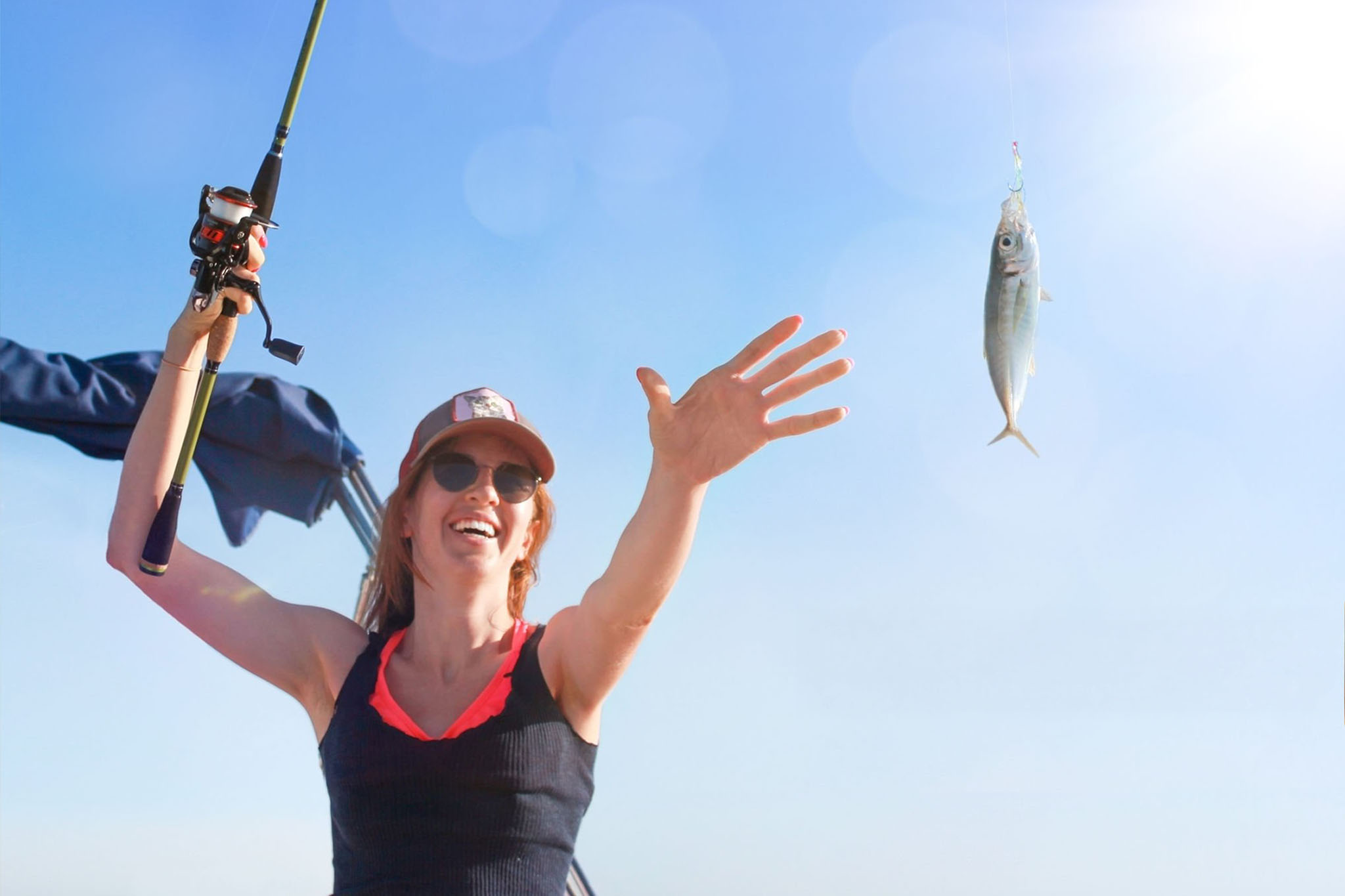
For saltwater anglers, late summer and early fall represent a sweet spot on the fishing calendar. Coastal waters are teeming with life, baitfish are abundant, and inshore predators like redfish, speckled trout, and flounder are feeding heavily before fall migrations kick into full swing.
If you’re looking to maximize your time on the water before cooler weather scatters schools offshore, now is the moment. Here’s how to make the most of inshore angling opportunities before fall migrations begin.
Why This Time of Year Matters
Late August through September is a period of transition along America’s coastlines. Water temperatures are still warm, but days are shorter, tides run stronger, and baitfish begin staging for southbound migrations.
Inshore predators know what’s coming. They feed aggressively to bulk up before winter and migration patterns shift. For anglers, this means high catch rates, strong fights, and consistent action in back bays, marshes, and estuaries.
Target Species in Late Summer and Early Fall
Redfish (Red Drum)
- Behavior: Redfish move in schools across grass flats and oyster bars, feeding heavily on mullet and shrimp.
- Tactics: Topwater plugs at dawn or live bait like finger mullet on popping cork rigs are proven winners.
Speckled Trout
- Behavior: Found around deeper grass edges, channels, and oyster reefs during cooler mornings.
- Tactics: Soft plastic paddle tails, shrimp under popping corks, or suspending twitch baits draw strikes.
Flounder
- Behavior: Ambush predators lying in wait near sandy bottoms, creek mouths, and structure.
- Tactics: Slow-dragging jigs tipped with live minnows or scented soft plastics near structure produces bites.
Snook and Tarpon (Southern Waters)
- Behavior: In Florida and Gulf states, late summer offers prime time to hook powerful tarpon or inshore snook before migrations.
- Tactics: Live bait drifting near passes, or heavy swimbaits at tide changes, are top choices.
Timing Your Trips
The key to late-summer coastal fishing is reading tides and temperatures:
- Early mornings and evenings: Cooler water temps push baitfish shallow, drawing predators within casting distance.
- Incoming tides: Rising water floods grass flats, opening new feeding grounds for redfish and trout.
- Overcast days: Cloud cover keeps fish active longer, extending bite windows beyond dawn and dusk.
Productive Inshore Locations
- Grass Flats: Look for schools of mullet and shrimp activity. Predator fish won’t be far behind.
- Oyster Reefs: Hard structure holds bait and attracts everything from trout to drum.
- Creek Mouths and Cuts: As baitfish funnel in and out, flounder and redfish set up to ambush.
- Bridges and Pilings: Excellent for snook, sheepshead, and other structure-oriented species.
Gear and Tackle for the Transition
- Rods & Reels: A 7’ medium to medium-heavy spinning setup covers most inshore species.
- Line: 10–20 lb braided line with a fluorocarbon leader for stealth and abrasion resistance.
- Lures: Topwater plugs, soft plastics, jig heads, popping cork rigs, and suspending baits.
- Live Bait: Finger mullet, shrimp, and mud minnows are highly effective this time of year.
Conservation Matters
With heavy feeding and schooling behavior, it’s easy to catch multiple fish this time of year. But responsible coastal anglers should:
- Follow slot limits and regulations for redfish, trout, and flounder.
- Practice catch-and-release when possible to sustain healthy populations.
- Handle fish properly by wetting hands, avoiding long air exposure, and reviving before release.
Common Mistakes to Avoid
- Ignoring tides: Fishing slack water rarely produces. Time your outings around moving water.
- Overlooking shallow flats: Many anglers stick to deep channels, but fish often move shallow in late summer.
- Using too heavy tackle: Stealth is critical in clear water. Downsizing can make the difference.
Final Thoughts
The period before fall migrations is one of the most rewarding times for inshore fishing. Redfish school up, trout feed aggressively, and flounder stack near ambush points—all while baitfish stage for seasonal shifts.
Whether you’re fishing grass flats in the Gulf, oyster reefs in the Carolinas, or mangrove edges in Florida, late summer into early fall offers some of the best action of the year.
So grab your rod, check the tide charts, and get out on the water—because once migrations begin, today’s opportunities may be gone until next year.