


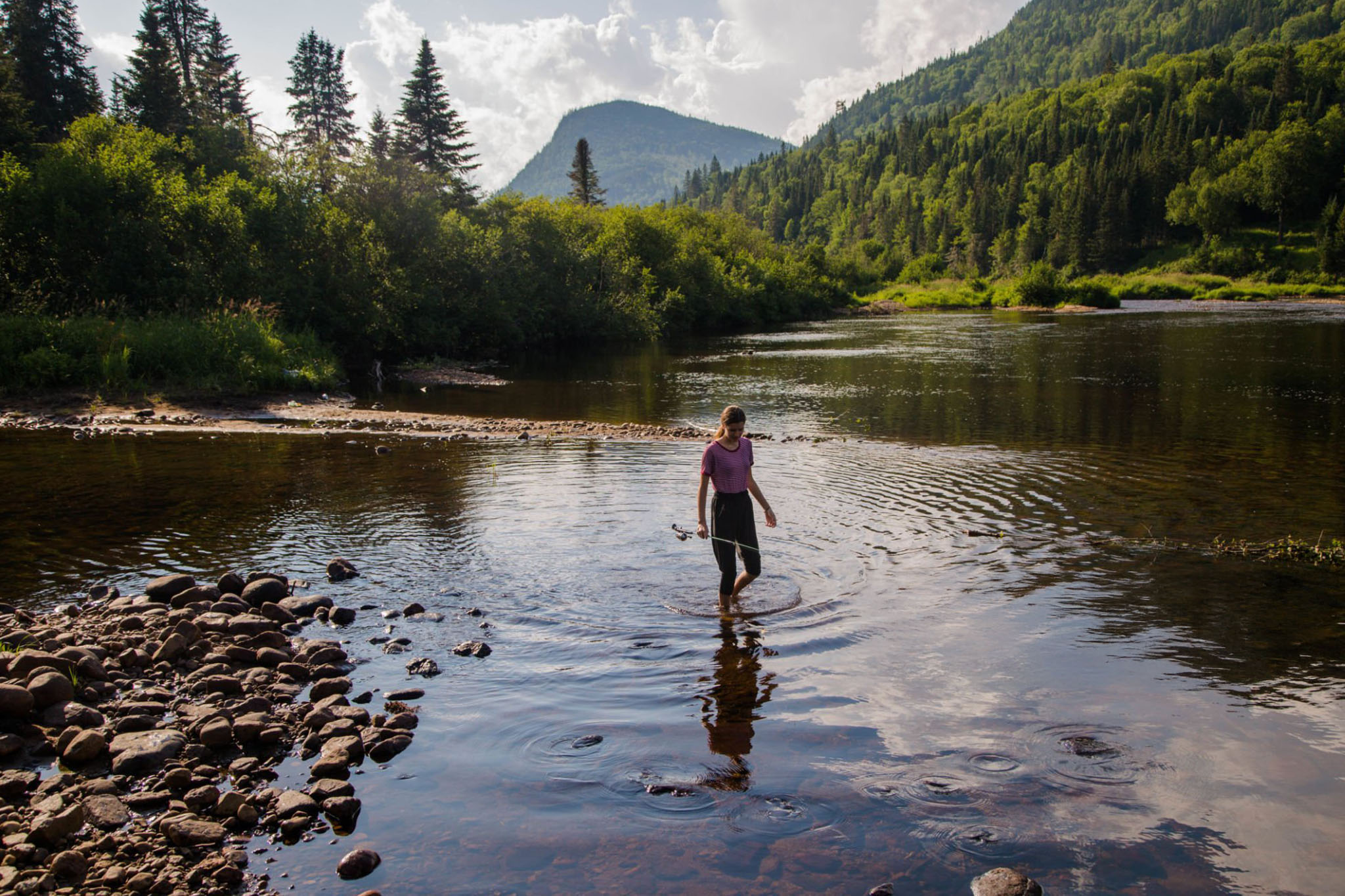
As fall settles in and water temperatures begin their steady drop, river smallmouth bass enter one of their most dynamic phases of the year. Unlike their lake-dwelling cousins, river smallmouth are tied to moving water, and seasonal changes in current, flow, and temperature dictate where and how they feed. For anglers willing to adjust their tactics, the cooling currents of autumn can bring some of the most rewarding fishing of the season.
Why Cooling Currents Matter
River ecosystems change dramatically in fall. Cooler nights reduce surface temperatures, triggering baitfish migrations and reorganizing the food chain. Insects wash downstream less frequently, crayfish slow down, and minnows school tighter in preparation for winter. Smallmouth bass, ever opportunistic, adapt by shifting locations and striking with urgency to pack on calories before the true cold sets in.
Unlike summer, when oxygen levels and high flows scatter fish, autumn brings more predictable holding spots. Bass want comfort, consistent oxygen, and easy access to forage—and they’ll let the current do a lot of the work in delivering meals.
Where to Find Fall River Smallmouth
1. Eddies and Current Breaks
As currents cool and strengthen, smallmouth will use structure to conserve energy. Look for boulders, wing dams, or downed timber that create soft spots in the flow. These areas give bass a front-row seat to bait being swept downstream. Casting just upstream and allowing a lure to tumble naturally into the eddy can be deadly.
2. Deep Pools Below Riffles
One of the best fall smallmouth locations is where shallow riffles empty into deeper pools. The oxygen-rich riffle attracts baitfish, while the pool offers bass a stable, cooler holding zone. Work these transitions thoroughly with both bottom-oriented baits and suspending lures.
3. Outside Bends and Drop-offs
As the season advances, smallmouth shift toward deeper runs, especially where outside river bends create cut banks or shelves. These spots concentrate forage and allow bass to set up ambush positions. A jig bounced along the seam of current and slack water often draws a thumping strike.
4. Mid-River Structure
Don’t overlook submerged rocks and gravel bars in the middle of the river. While they seem exposed, these structures create micro-breaks in current, holding both bait and bass. If flows are low and clear, this is prime water for finesse tactics.
Effective Presentations for Cooling Currents
Crankbaits and Jerkbaits
As baitfish school tightly in fall, lures that mimic minnows shine. Medium-diving crankbaits and suspending jerkbaits worked along current seams often outproduce flashier summer lures. A stop-and-go cadence can trigger reaction bites from bass that are following but hesitant.
Bottom Baits
Crawfish may slow down as the water chills, but smallmouth still key on them when available. Football jigs, tube baits, and soft-plastic craws dragged slowly across rocky bottoms remain productive, especially in deeper pools.
Finesse Presentations
On clear rivers, downsizing can make all the difference. Drop-shot rigs, Ned rigs, and small swimbaits fished in natural colors match the hatch perfectly when smallmouth get picky. The subtle action of finesse rigs is ideal for pressured or heavily fished waters.
Topwater (Early Fall Window)
Don’t put away your topwater box too soon. In the early stages of fall, when water is still in the 60s, river smallmouth will smash walking baits or poppers in shallow runs and tailouts. Once water dips consistently into the low 50s, the surface bite fades fast.
Timing Your Trips
One of the best parts of fall river fishing is the consistency of the bite. While summer often demands dawn and dusk outings, cooling water keeps smallmouth active longer throughout the day. Midday, when the sun warms the shallows slightly, can actually be the most productive window, especially after a chilly morning.
That said, stable weather patterns are your ally. A sudden cold front can shut fish down temporarily, while three to four days of steady temperatures will have bass feeding with confidence.
Gear Considerations
Fall river smallmouth can be strong, aggressive fighters. Medium spinning setups spooled with 8–10 lb fluorocarbon or braid-to-fluoro leaders offer the sensitivity to detect subtle strikes while still having the backbone to handle current-driven runs. Don’t be afraid to size down hooks and lures when the bite gets finicky; precision often beats power in clear, cooling rivers.
Final Thoughts
Chasing smallmouth in rivers during fall is about understanding transitions: from shallow riffles to deeper pools, from scattered summer feeding to concentrated ambushes, and from warm-water aggression to cold-water efficiency.
By reading current breaks, following bait migrations, and adjusting your lure selection, you can unlock the “river rewards” that only autumn delivers. For many anglers, these weeks before winter lock-in are the highlight of the year—a chance to connect with hard-fighting bronzebacks in waters that feel alive with seasonal change.