


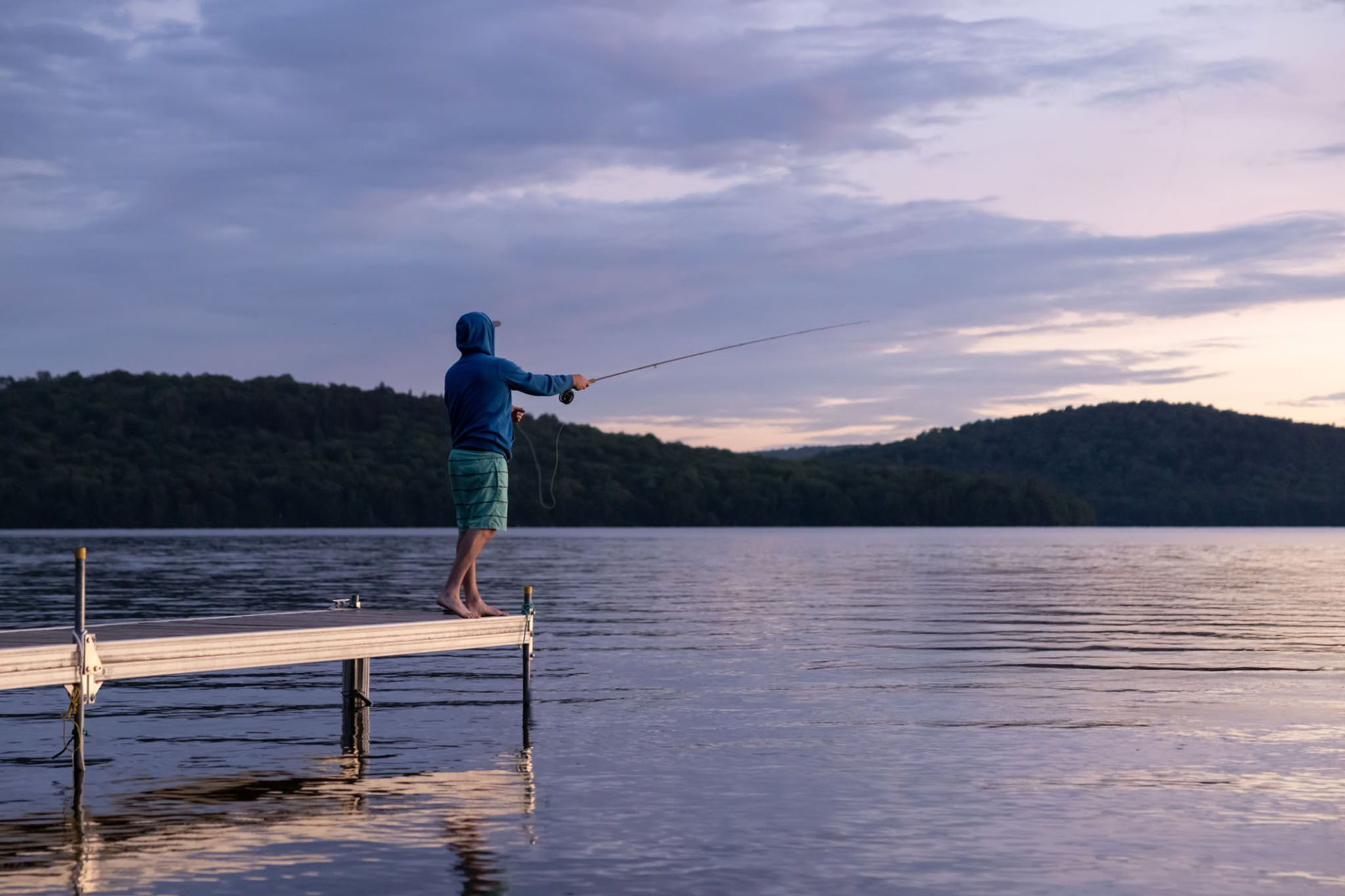
Not every angler has access to a bass boat or kayak, but that doesn’t mean big bass are out of reach. In fact, fall is one of the best times of the year for bank anglers. Cooling temperatures bring baitfish shallow, bass follow, and plenty of opportunities unfold right within casting distance of the shoreline. With the right approach, bank fishing in the fall can be just as productive—if not more—than being out on the water.
Why Fall Levels the Playing Field
During summer, bass often suspend in offshore schools that are tough to reach without electronics or a boat. But once the water starts to cool in fall, baitfish move shallow into creeks, coves, and edges where vegetation and cover still provide food and protection. That puts bass back within reach of shoreline anglers, eliminating much of the “boat advantage.” The key is knowing how to target these areas from the bank effectively.
Scouting Shoreline Hotspots
Big bass rarely waste energy unless there’s a payoff. Bank anglers should focus on locations where forage naturally collects or where structure creates ambush opportunities:
- Creek Mouths and Inlets: Moving water pulls baitfish in and positions bass for easy meals.
- Riprap and Rock Banks: Rocks hold heat, attracting both baitfish and predators in cooling water.
- Laydowns and Timber: Fallen trees close to shore offer ambush cover for cruising bass.
- Shallow Grass Lines: While grass begins to die back in late fall, remaining green patches are magnets for both bait and bass.
Low-Cost Gear That Works
You don’t need an arsenal of tackle to land big bass from the bank. A few affordable tools go a long way:
- Spinnerbaits: Their flash and vibration cover water quickly, and they work in both stained and clear conditions.
- Lipless Crankbaits: Perfect for casting far and ripping through dying grass to trigger reaction strikes.
- Texas-Rigged Worms or Creatures: A simple, weedless setup that can be flipped into brush or along edges where bass stage.
- Topwater Poppers and Walking Baits: Early morning and evening topwater explosions are just as accessible from the bank.
Pair these with a medium-heavy spinning or baitcasting combo and some quality line, and you’re set without breaking the bank.
Approach and Presentation Tips
Bank anglers often face one challenge: limited mobility compared to boaters. To maximize success, fish smart and deliberate.
- Work Angles: Instead of casting straight out, fish parallel to the shoreline to stay in the strike zone longer.
- Stay Stealthy: Bass in shallow fall water can spook easily. Avoid stomping, casting shadows, or splashing lures in.
- Cover Water Efficiently: Start with moving baits like spinnerbaits or lipless cranks, then slow down with plastics once you locate fish.
- Timing Matters: Early morning and late afternoon are prime, especially as bass push shallow to ambush baitfish during low-light conditions.
Stretching Your Dollar
One of the best parts of bank fishing is how little it costs. You don’t need gas money, expensive electronics, or fancy tackle storage. With a backpack, a few tackle boxes, and a rod, you can stay mobile and fish multiple spots in a single outing. And fall is forgiving—since bass are feeding heavily ahead of winter, you don’t always need the fanciest gear to catch them.
Final Thoughts
Bank fishing in fall proves that big bass aren’t only for those with boats. The season draws fish shallow, concentrates forage, and gives shoreline anglers a real shot at trophy catches. With a few smart lure choices, careful approaches, and an eye for productive spots, you can turn any stretch of bank into your personal bass hotspot.
So don’t let the lack of a boat hold you back this season. Grab your gear, hit the shoreline, and take advantage of fall’s feeding frenzy—because some of the biggest bass of the year are waiting just a cast away.