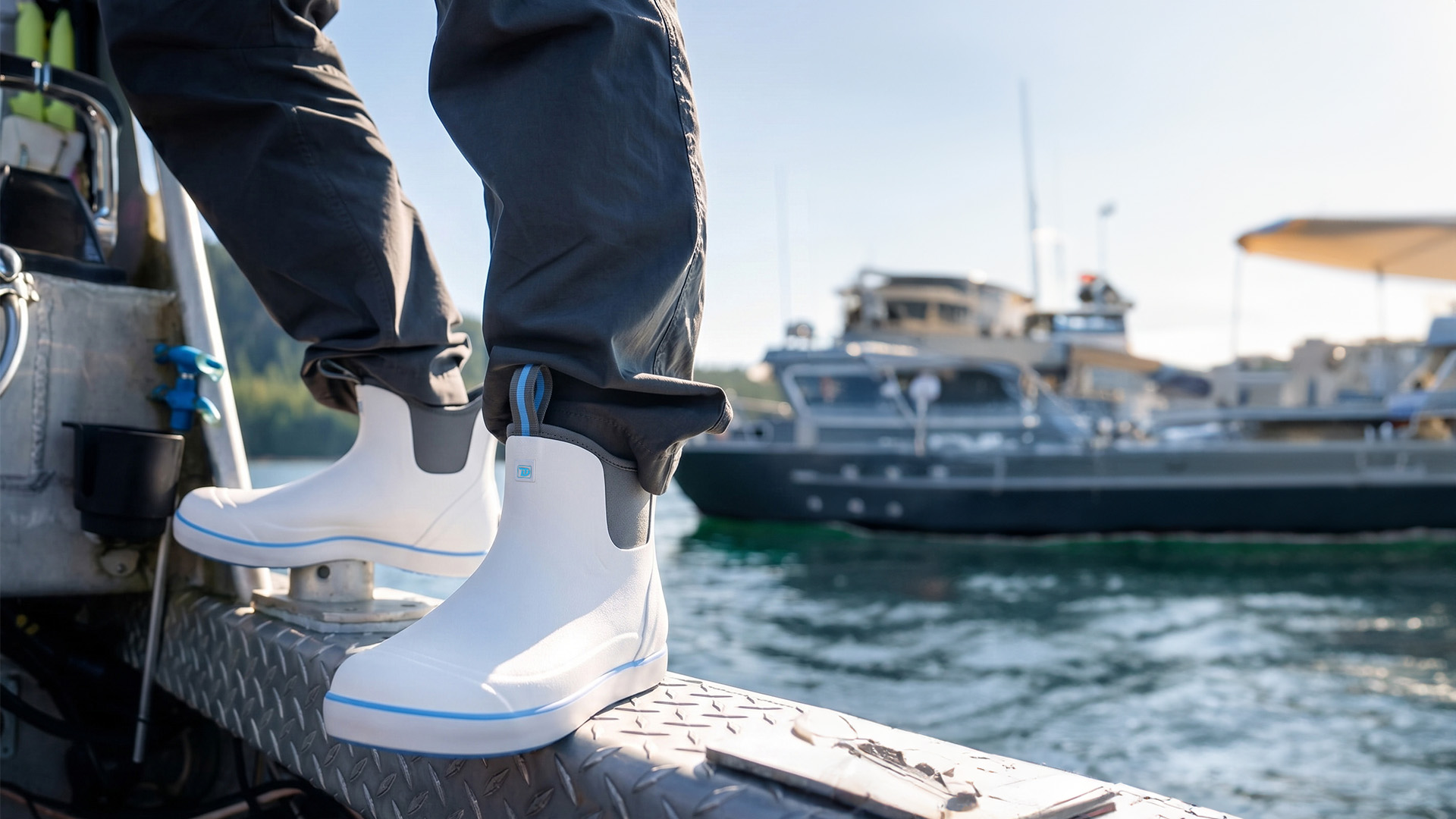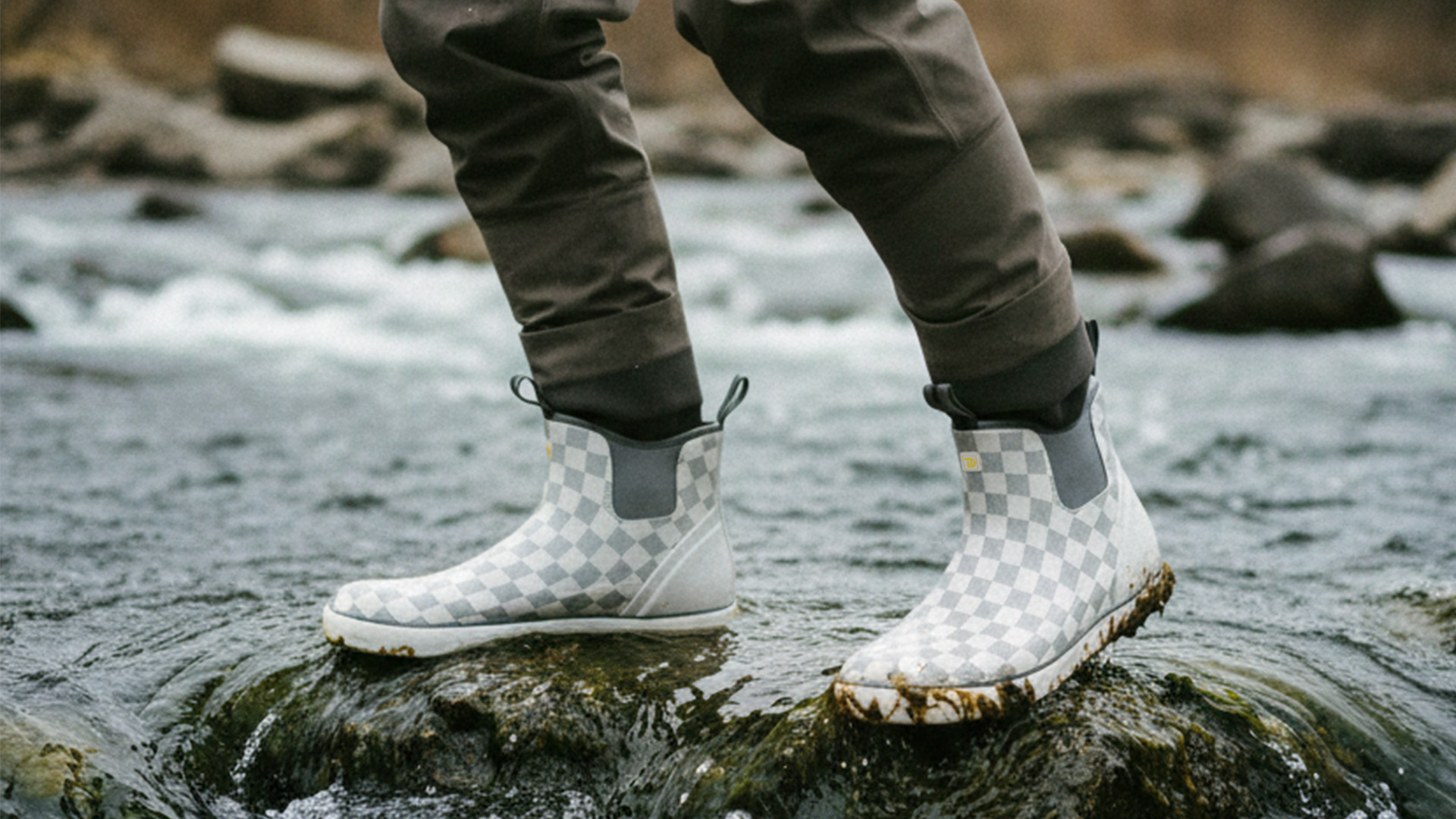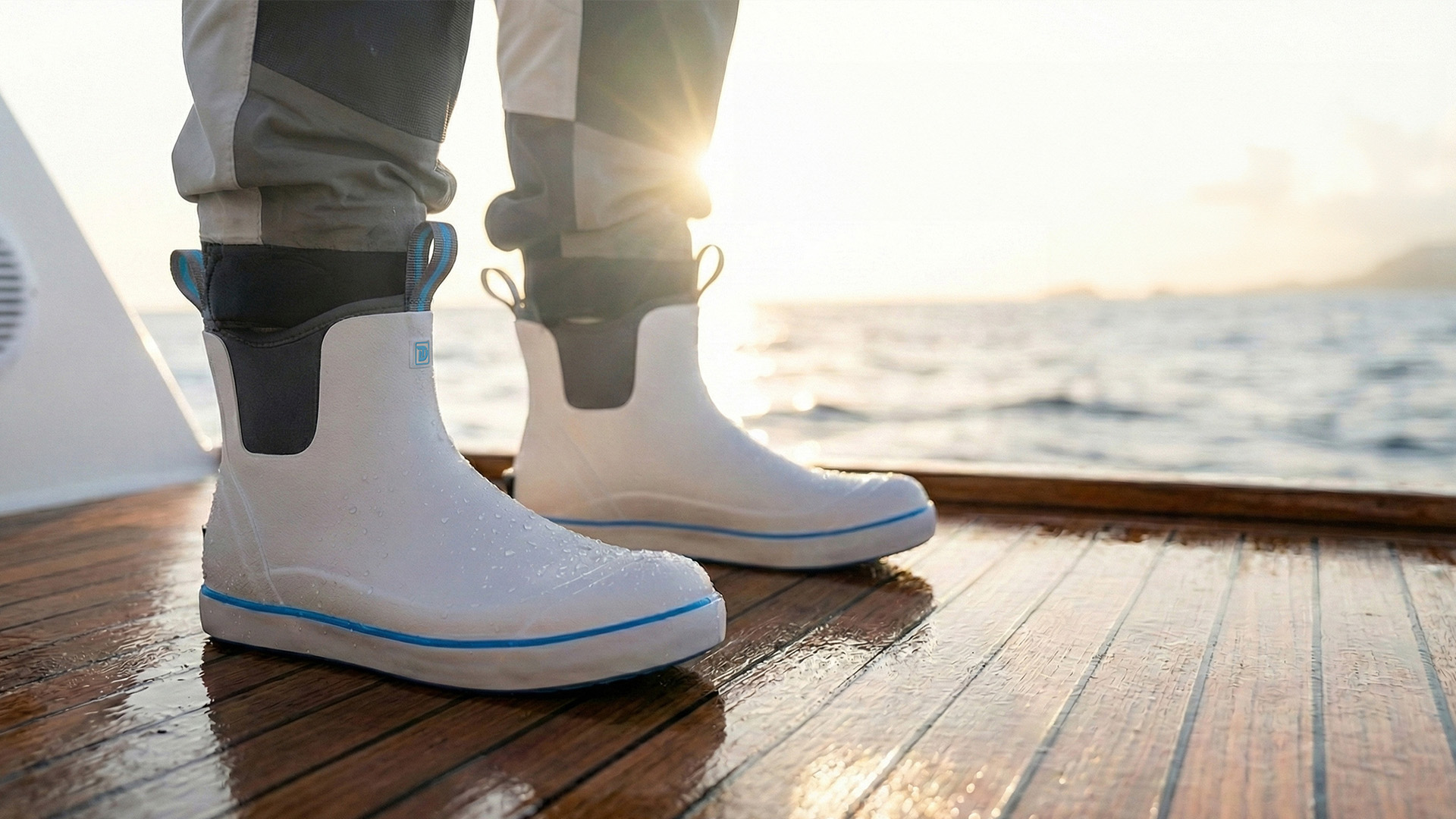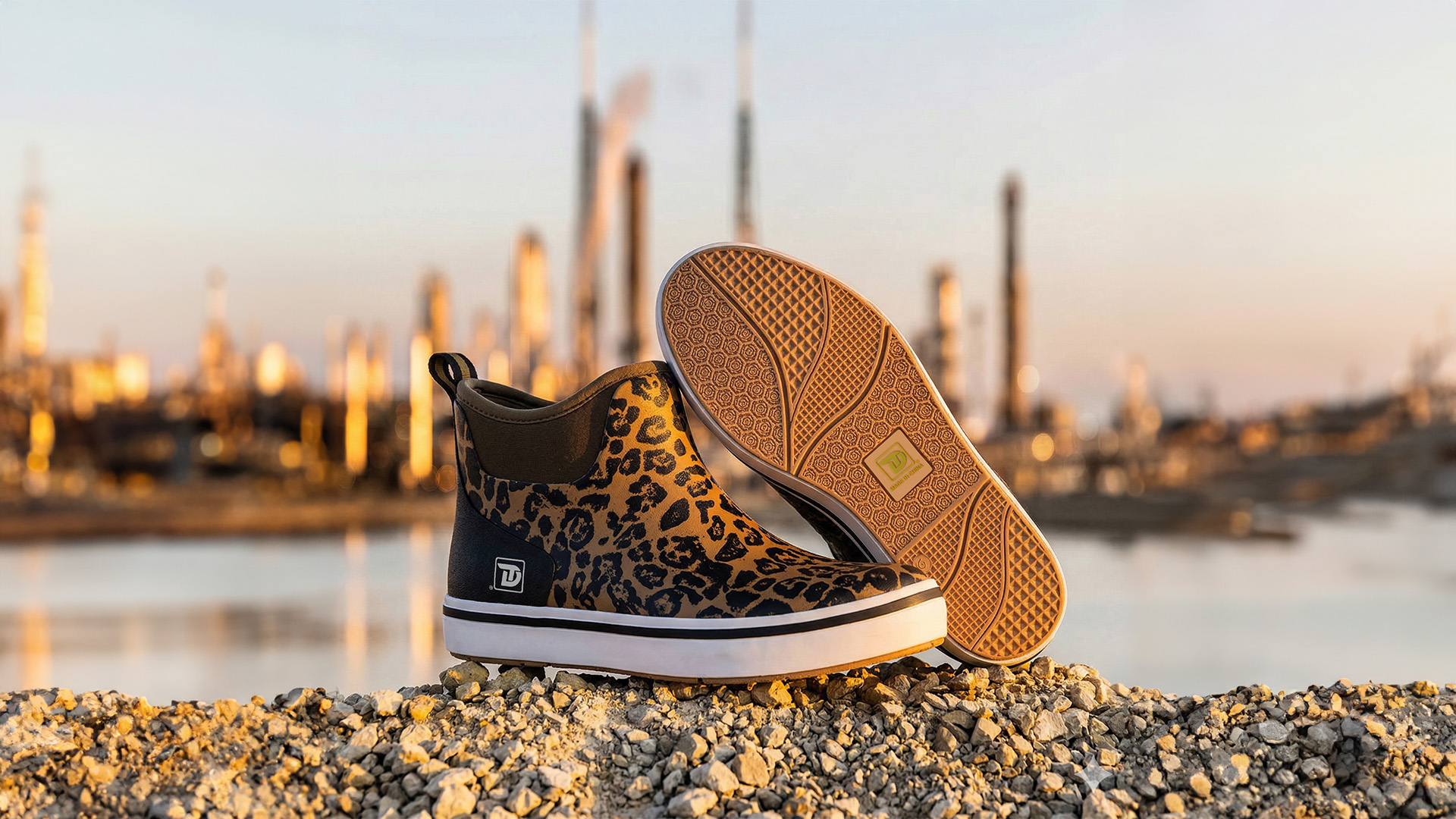



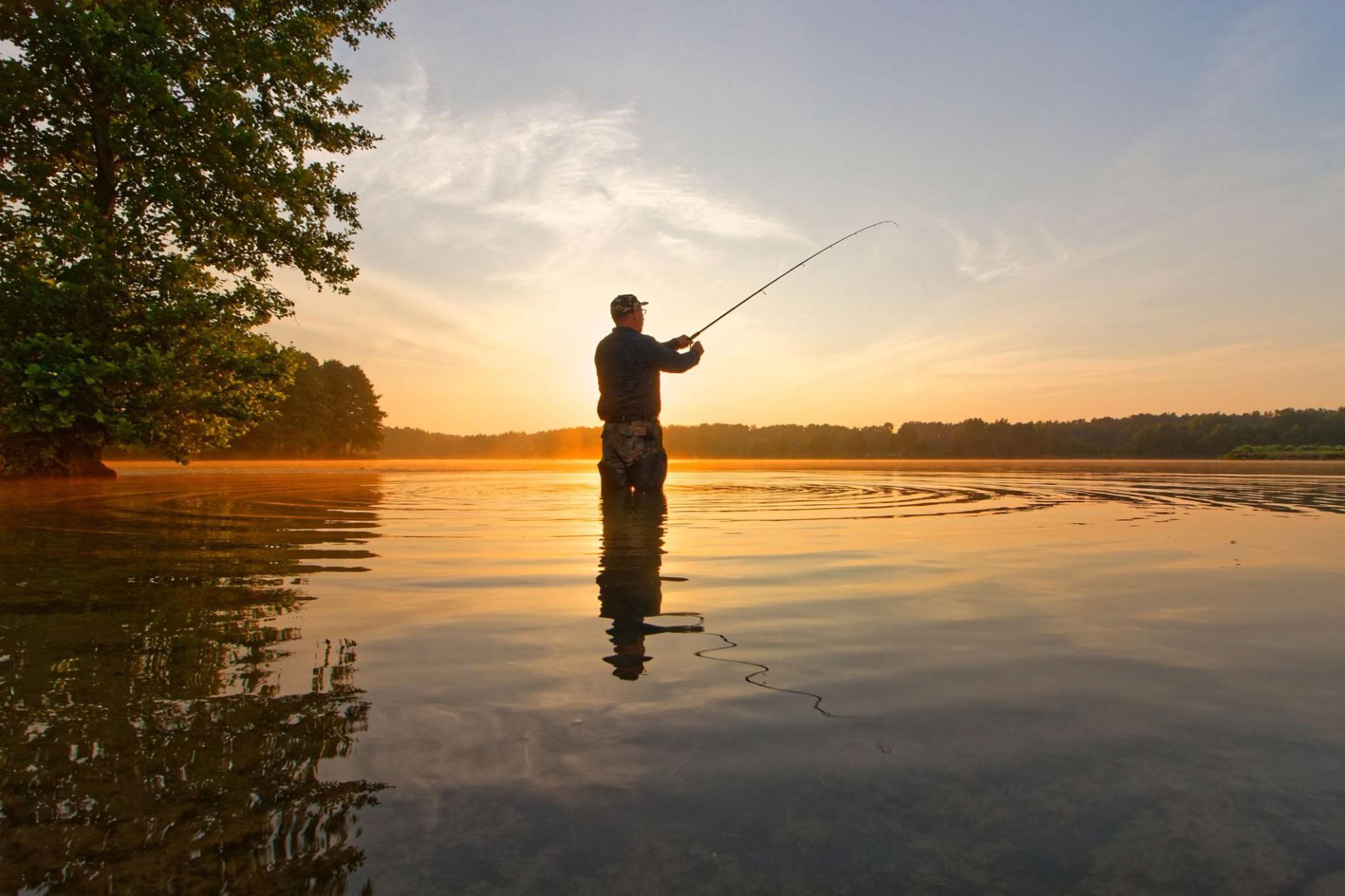
Not every angler owns a boat, and truthfully, not every fall bite requires one. As the water cools and fish begin shifting patterns, bank anglers can find themselves in prime position to score big. The shoreline in fall is not just accessible—it can actually be the best seat in the house if you know where to look, what to throw, and how to adapt with the season.
Why Fall Levels the Playing Field
During the summer heat, many species retreat to deeper, cooler waters out of reach from the bank. But fall changes the equation. Shorter days and lower water temperatures push forage into the shallows, and gamefish follow. Bass chase shad into coves, crappie cruise along riprap, and catfish feed heavily in river current seams. Suddenly, water that seemed barren in July comes alive in October.
For the bank angler, this means less time wishing for a trolling motor and more time focusing on shoreline opportunities.
Reading Shoreline Structure
Finding fish from the bank is about identifying the “edges” and ambush points predators love to use. Some productive fall options include:
- Riprap Banks and Bridges: Rock holds heat and attracts baitfish. Bass, crappie, and even walleye often push tight against these areas in fall.
- Creek Mouths: Where a small creek or drain enters a larger body of water, current brings food and oxygen. It’s a magnet for multiple species.
- Points and Inside Bends: Shoreline points offer ambush angles, while bends in a river create eddies where fish conserve energy and wait for forage.
- Shallow Flats with Quick Access to Depth: Bass especially love roaming flats near drop-offs, giving them both feeding grounds and a quick escape route.
Gear That Gives You an Edge
Bank fishing in fall requires some small but critical adjustments:
- Rod Selection: A medium spinning rod (6’6” to 7’) is versatile enough for casting crankbaits, jigs, or live bait rigs from shore.
- Line Considerations: Monofilament offers stretch for treble-hook baits, while braid with a fluorocarbon leader gives you the casting distance and sensitivity for jigs or plastics.
- Tackle Management: A compact backpack or shoulder bag keeps gear mobile. Fall fish often roam, so staying light allows you to cover more ground.
Smart Shoreline Tactics
- Fan Casting for Coverage
From a fixed bank position, cover water systematically. Cast left, right, and straight out, working your bait back at different depths. Fish often roam, and spreading casts increases your odds of finding a school. - Match the Hatch
In fall, many species feed heavily on young-of-the-year shad, bluegill, or minnows. Small swimbaits, inline spinners, and 2–3” crankbaits mimic this forage perfectly. For bottom feeders like catfish, fresh cut bait works better than ever. - Use the Wind Wisely
Wind pushes bait into the shore. If you see shad flicking on the surface or gulls diving, fish are close. Position yourself on the windward bank, even if it means tougher casting conditions—you’ll be where the food is. - Low-Light Advantage
Morning and evening bites can be explosive from shore, especially around riprap and points. Carry a headlamp if you plan to fish into dusk—often that’s when bigger fish move shallow. - Don’t Overlook Live Bait
While artificials shine for covering water, live minnows or nightcrawlers under a slip float remain deadly in fall. Adjust the float depth until you find the strike zone.
Seasonal Species Highlights
- Bass: Look for them chasing bait into shallow coves or staging along rocky banks. Lipless crankbaits and jerkbaits shine.
- Crappie: Often suspend around bridge pilings or riprap walls. A small jig under a float is an easy, effective setup.
- Catfish: Cooling water sparks heavy feeding. Target current seams or creek mouths with cut shad or live bait.
- Walleye: These fish become shoreline hunters in fall, especially at night. Casting stickbaits along rocky points or bridge riprap can produce trophies.
The Mental Edge
One of the biggest advantages bank anglers have in fall is stealth. Boats create wake, noise, and pressure on fish. A bank angler slipping quietly along shoreline cover often gets first shot at undisturbed schools. Combine patience with mobility, and you can stay a step ahead of other anglers—without ever leaving solid ground.
Final Thoughts
Fall is one of the most rewarding times for fishing from the bank. The cooling season pulls fish shallow, condenses bait, and makes shoreline structure productive again. By reading water, staying mobile, and applying smart seasonal tactics, you can turn the lack of a boat into a genuine advantage.