



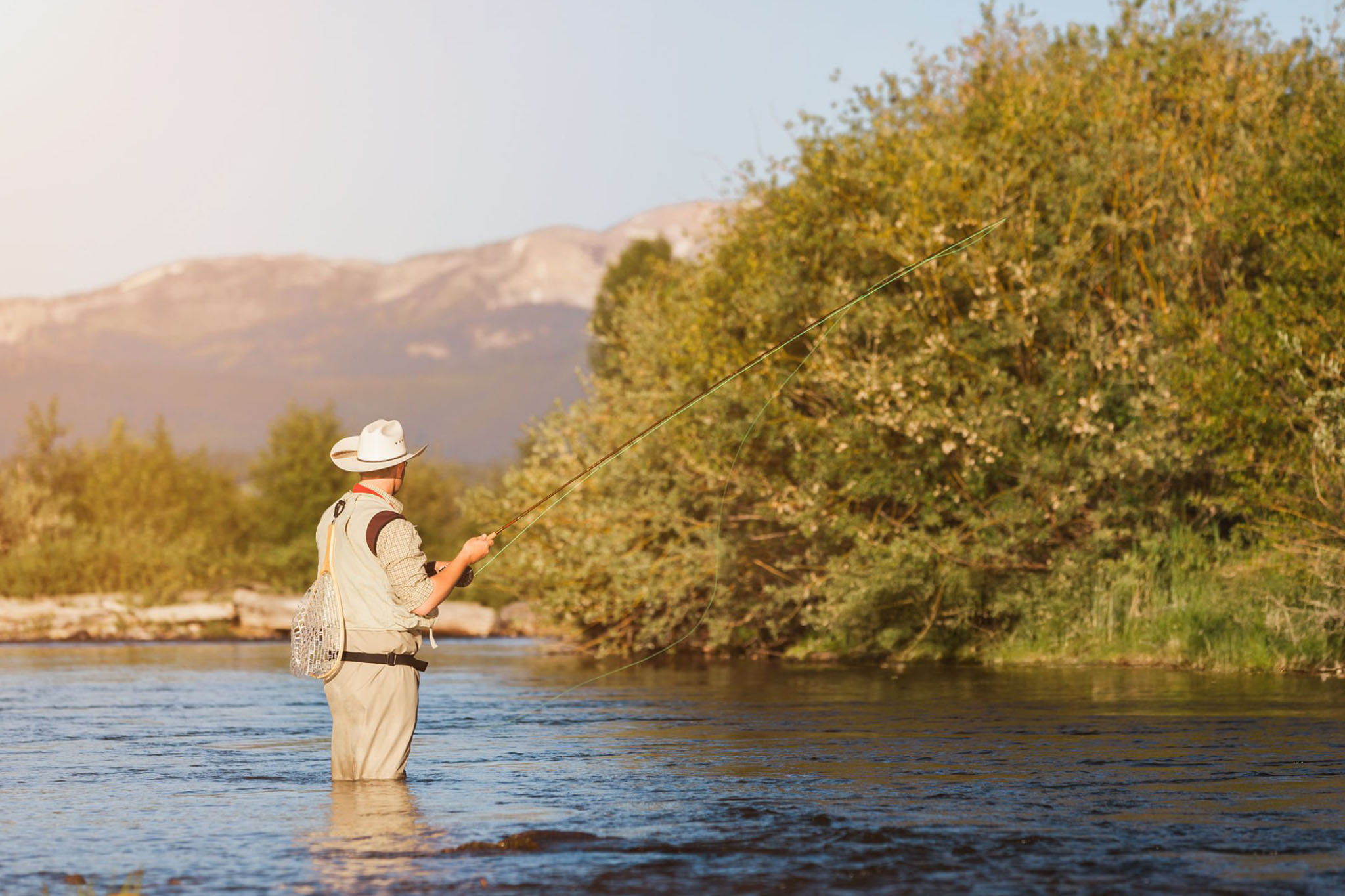
There’s something magnetic about autumn smallmouth fishing. As summer’s heat fades and rivers begin to stabilize after early fall rains, conditions align for some of the year’s most consistent smallmouth action. Water levels settle, clarity improves, and baitfish movements concentrate bronzebacks into predictable holding spots. For anglers who know where to look, this is the season to connect with heavy-shouldered smallmouth at their most aggressive.
Why Rivers Shine in Fall
Rivers differ from lakes in one critical way: current dictates everything. In summer, high flows or warm water scatter fish. But as autumn progresses, flows often drop into a stable rhythm, creating prime feeding lanes. This period of stability means smallmouth aren’t just roaming aimlessly — they’re setting up in reliable positions where food funnels their way.
Three key factors drive smallmouth location in fall rivers:
- Settled Currents: Fish can conserve energy in current breaks while still having food delivered.
- Cooling Water Temps: Mid-60s into the low 50s is a sweet spot that triggers heavy feeding.
- Baitfish Concentration: Shad, crayfish, and minnows stage in predictable areas, and smallmouth aren’t far behind.
Prime Hotspots to Target
1. Current Seams
Where fast water meets slow water, smallmouth thrive. These edges provide the perfect balance of cover and feeding opportunity. In fall, look for:
- Outside Bends where current scours deep holes.
- Eddies created by boulders or downed trees.
- Tailouts at the end of riffles where fish intercept drifting bait.
Tip: Cast upstream at an angle and let your bait swing naturally across the seam. Smallmouth often strike as the presentation enters slack water.
2. Mid-River Rock Humps and Ledges
As rivers clear, mid-channel structures become visible and fishable. Submerged ledges and rocky humps offer prime ambush points for bronzebacks. Smallmouth use these as staging areas before sliding into deeper winter holes.
- Crankbaits and jerkbaits ticked across the tops of rocks often trigger reaction strikes.
- In slower pools, a football jig or tube dragged along the ledge mimics crayfish perfectly.
3. Transitional Flats
Between summer shallows and wintering holes, smallmouth frequently pause on mid-depth gravel or sand flats. These areas may seem featureless, but in rivers, even subtle changes matter. Look for:
- Patches of broken rock among sand.
- Small depressions or dips created by past high flows.
- Isolated logs or brush that provide cover.
These spots shine in the afternoons when sun warms the shallows slightly and baitfish schools push up.
4. Deep Wintering Pools (Early Stages)
Though smallmouth don’t fully commit to wintering holes until later in the season, many begin staging nearby as rivers cool. Focus on:
- Head of Deep Pools: Fish stack here to intercept food drifting downstream.
- Pool-to-Riffle Transitions: Edges where depth changes provide ambush points.
Dragging soft plastics like tubes or Ned rigs slowly along the bottom is deadly when fish get picky.
Seasonal Bait and Presentation Choices
Crankbaits
Medium-diving crankbaits excel in the fall river game. Natural craw and shad patterns match forage perfectly. Use a steady retrieve with the occasional pause to mimic struggling baitfish.
Jerkbaits
As water cools below 60°F, suspending jerkbaits shine. Long pauses between twitches can be irresistible to smallmouth holding in slower water.
Jigs and Tubes
Old-school but unbeatable. Football jigs, finesse jigs, or tubes dragged along rocks imitate crayfish — a fall staple in the bronzeback diet.
Topwater (Early Fall Mornings)
If flows are low and mornings calm, don’t overlook a walking bait or popper. Fall smallmouth will explode on surface offerings, especially near shallow current seams.
Reading the River for Fall Success
- Watch the Flow: Stable, moderate current is ideal. Rising or muddy water scatters fish, while dropping, clearing water pulls them into defined areas.
- Follow the Sun: In cool mornings, focus deeper. As the day warms, fish may push onto shallower flats and rocky points.
- Stay Mobile: Fall smallmouth aren’t everywhere. Cover water efficiently until you find concentrations, then slow down and work the spot thoroughly.
Final Thoughts
Fall river smallmouth fishing is about timing and location. As flows settle, bronzebacks group in predictable hotspots — seams, ledges, transitional flats, and early wintering pools. Anglers who adapt presentations to both current and forage stand the best chance at connecting with the hard-fighting, bronze-backed trophies that make autumn river fishing unforgettable.
So, grab the crankbaits, pack a handful of tubes, and hit the rivers while conditions settle. This is the season when smallmouth are not only hungry but also highly predictable — a golden window for anyone chasing bronze.