




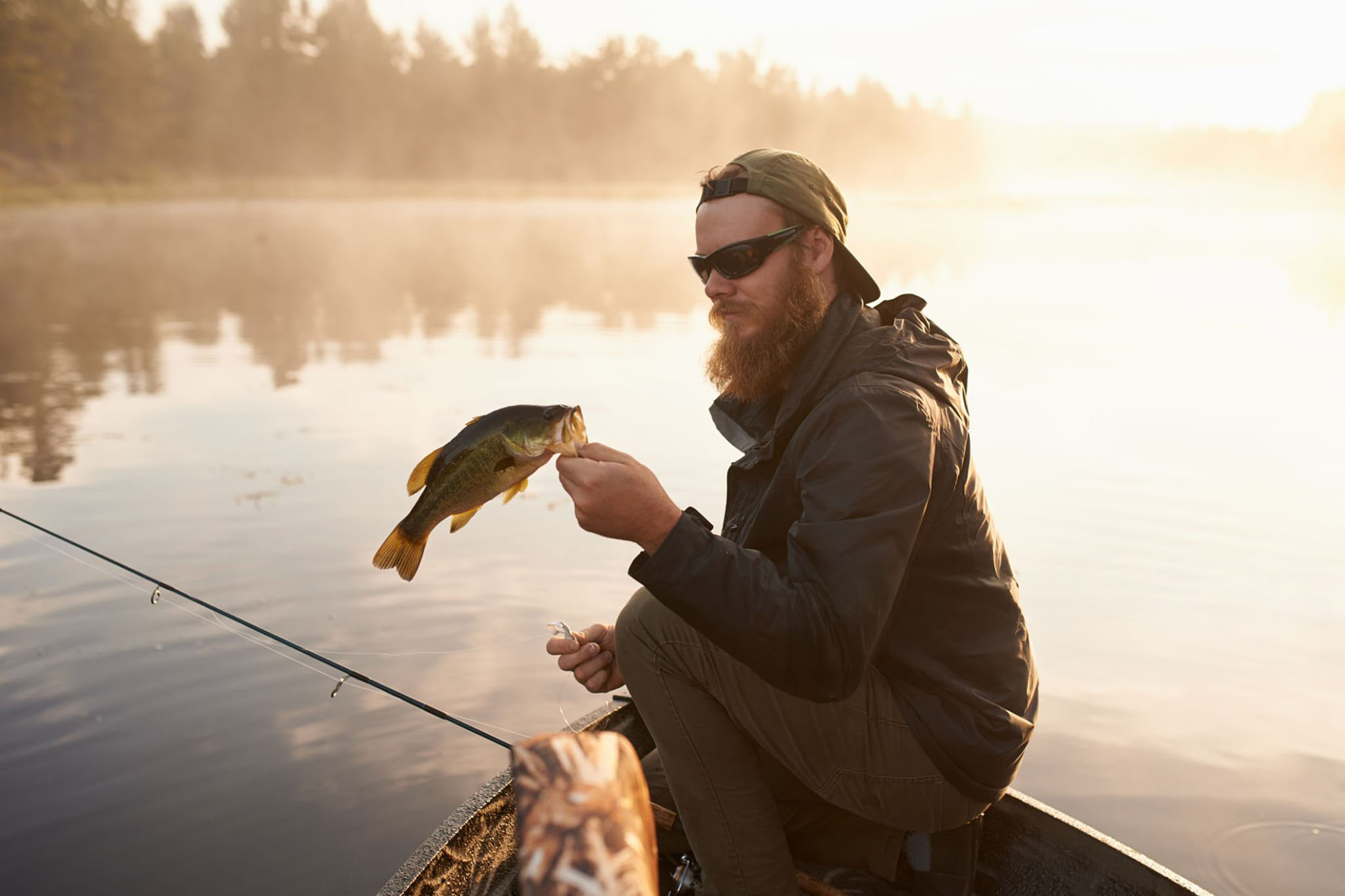
For many anglers, autumn marks the sweet spot of the season for chasing smallmouth bass. As the air turns crisp and the rivers cool, smallmouth instincts kick into overdrive. They know winter is coming, and feeding opportunities narrow with each passing week. This seasonal urgency makes smallmouth more predictable—if you know how to read the water. Current breaks, those subtle or dramatic shifts in flow, are the key to consistent action when chasing bronzebacks in fall.
Why Current Breaks Matter in Autumn
Current breaks are places where the river’s flow slows, shifts, or changes direction. For smallmouth, these breaks are energy-saving shelters that also act as ambush points for baitfish and crawfish.
- Energy Efficiency: In cooler water, smallmouth won’t waste energy fighting heavy current. They’ll sit just off the main flow where they can dart out, grab a meal, and slip back to rest.
- Forage Funnels: Baitfish schools often get pushed by current into eddies, seams, or slack pockets, concentrating food in small zones.
- Seasonal Strategy: As fall progresses, smallmouth shift from scattered summer haunts to predictable current breaks that deliver consistent meals.
Understanding these holding areas is the difference between casting blind and dialing into a productive fall pattern.
Types of Current Breaks to Target
Not all current breaks are created equal, and in autumn, certain types become especially productive.
1. Seams Between Fast and Slow Water
The classic spot: one side fast, one side calm. Smallmouth tuck into the slow seam and wait for food drifting by in the current.
2. Behind Rock Piles and Boulders
Large rocks create eddies and slack water. In fall, look for groups of smallmouth stacking behind these structures.
3. Undercut Banks and Wood Cover
Trees or cutbanks alter current flow, giving fish both shade and ambush cover. These spots often hold bigger bronzebacks in the cooler months.
4. Inside Turns
Where a river bends, the inside edge usually has softer flow and often piles of rock or sand—perfect for smallmouth staging in autumn.
5. Tailouts Below Riffles
As insect activity slows with cooler weather, baitfish concentrate in the oxygen-rich zones below riffles. Tailouts are prime fall feeding lanes.
Matching Tactics to the Breaks
Once you’ve identified productive current breaks, your presentation should match both the structure and the season.
Jigging for Precision
- Hair Jigs or Tube Jigs: These mimic crayfish, a fall favorite. Work them slowly across bottom, pausing often.
- Weight Choice: Go slightly heavier than summer setups to stay down in stronger current and deeper pools.
Crankbaits and Spinnerbaits for Aggressive Fish
- Shad-Profile Crankbaits: Match late-season baitfish. Bounce them off rocks or sweep them through seams.
- Spinnerbaits in Eddies: A thumping blade in slower water can trigger bigger fall bass.
Finesse Rigs for Tough Days
- Ned Rigs and Drop Shots: Perfect for colder mornings when smallmouth are less aggressive.
- Natural Colors: Greens, browns, and smoke patterns work well in clear autumn water.
Reading the River Like a Roadmap
Think of a river in autumn as a highway system. The main channel is like the interstate—fast and constant—but smallmouth often linger on the side roads, pull-offs, and rest stops.
- Electronics Help: Side imaging can reveal submerged boulders and ledges where current breaks form.
- Observation Matters: Watch for foam lines, swirling leaves, or subtle changes in surface flow. These often mark hidden breaks.
- Seasonal Timing: In early fall, fish may still use shallower seams. As water temps drop into the 50s, they push toward deeper, slower breaks.
Common Mistakes to Avoid
- Fishing Only Obvious Spots: Everyone hits the biggest rock in the river. Smallmouth often sit on secondary, less obvious breaks nearby.
- Working Too Fast: In autumn, smallmouth often want a slower presentation. Rushing your bait through a seam misses fish.
- Ignoring Depth Changes: A one-foot drop along a seam can hold more bass than an entire shallow flat.
Fall Payoff: Consistency Through Current
By focusing on current breaks, you eliminate guesswork and target the very places smallmouth want to be in autumn. These fish are feeding with purpose, and the predictable flow of rivers funnels forage directly to their holding zones. Whether you’re hopping a jig behind a boulder, sweeping a crankbait through a seam, or finessing a soft plastic in a tailout, the key is letting the current work for you.
In autumn, rivers may feel big and daunting, but once you learn to read breaks, every pool and bend starts to make sense. That’s when consistent action with hard-fighting smallmouth becomes not just possible—but expected.