


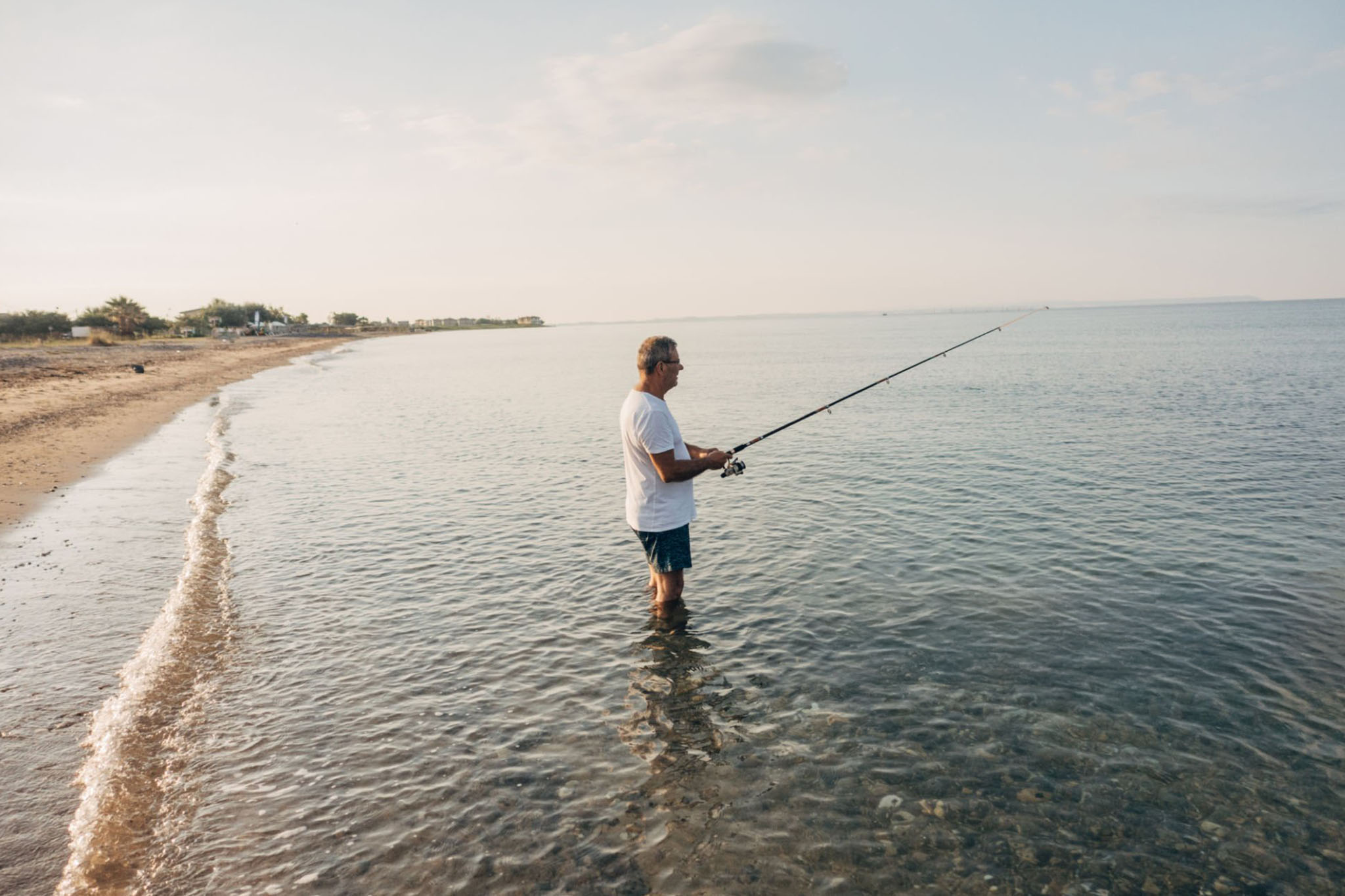
As summer gives way to fall, coastal anglers face one of the most dynamic and rewarding times of the year. The “transition season” is when saltwater ecosystems shift gears—baitfish begin their migrations, water temperatures cool, and predator activity intensifies. To consistently catch fish during this window, two elements rise above all others: tide and temperature. Understanding how these forces interact can make the difference between a quiet outing and a cooler full of fish.
Why the Transition Season Is Different
Unlike the stable patterns of midsummer or the locked-in cold routines of winter, the early fall transition is defined by change. Baitfish such as mullet, menhaden, and anchovies leave shallow backwaters and start moving along the coast, while gamefish like striped bass, red drum, bluefish, and speckled trout ramp up their feeding. But these predators don’t move randomly—they follow the rhythms of the tide and the comfort zone created by water temperature.
Tide: The Daily Pulse of the Coast
Incoming Tide = Feeding Time
As the tide floods in, cooler offshore water pushes toward the shoreline, bringing baitfish with it. Predators follow this influx, using troughs, points, and estuary mouths as ambush zones. During the transition season, incoming tides often offer the best opportunity to target fish actively chasing bait into new feeding areas.
Outgoing Tide = Funnel Effect
When the water drains out, baitfish and crustaceans are swept through cuts, channels, and river mouths. Predators stack up on these funnels, waiting for the current to do the work of delivering prey. For anglers, this means positioning near natural choke points is key—whether that’s a jetty gap, a sandbar cut, or an inlet mouth.
Slack Tide = Tough Bite
One mistake anglers often make in the transition season is ignoring the role of slack tide. When the current stops moving, predators lose their ambush advantage and feeding slows. You can still catch fish, but the action will almost always be better when water is moving.
Temperature: The Silent Trigger
Comfort Zones for Predators
Every saltwater species has an optimal temperature range. For example:
- Striped Bass: Thrive in 55–68°F water, so early fall is their sweet spot.
- Red Drum: Prefer warmer water in the 65–75°F range, but will stay shallow longer during mild falls.
- Speckled Trout: Feed best between 60–70°F.
As nights cool, shallow flats drop in temperature more quickly than deeper channels. This shift pushes predators to adjust their daily routes, often feeding shallow at dawn and dusk before retreating to deeper water mid-day.
Temperature + Tide Interaction
Temperature changes are magnified by the tide. An incoming tide may bring cooler ocean water onto a hot flat, triggering a burst of feeding activity. Conversely, on chilly mornings, an outgoing tide may drain warmer back-bay water that holds baitfish, making down-current areas prime ambush zones. Recognizing these overlaps is one of the best ways to predict the bite.
Practical Strategies for Transition Season Success
1. Scout Bait Movement
Instead of chasing fish, watch the bait. If mullet schools are running the beach or shrimp are being flushed from marshes, predators won’t be far behind. Pair your lure selection with what’s most abundant—topwater plugs for mullet, soft plastics for shrimp, or metals for anchovies.
2. Fish the Temperature Swings
Carry a small digital thermometer and track water temps at different tide stages. If you notice a 3–5 degree swing during incoming or outgoing water, expect predator activity to spike.
3. Time Your Sessions
During the transition season, the most productive windows are often short but intense. Plan outings around tide changes rather than clock hours, and align them with low-light periods for maximum effect.
4. Adapt Gear to Conditions
- Rods/Reels: Medium-heavy setups with strong drag for handling multiple species.
- Line: 20–30 lb braid with fluorocarbon leaders to handle clear water.
- Lures: Versatile options like bucktails, swimbaits, and surface walkers to match varied baitfish.
- Bait: Fresh cut mullet, shrimp, or clams can still outproduce artificials in slower conditions.
The Mindset Shift
The transition season requires flexibility. Instead of sitting on one spot all day, think like a predator. Ask yourself: Where is the current strongest? Where is the water coolest or warmest? Where will baitfish be funneled? By aligning your fishing with the rhythm of the tide and the trigger of temperature, you’ll turn unpredictable conditions into reliable opportunities.
Final Thoughts
Saltwater fishing in the transition season is about reading the subtle cues. The tide dictates movement, and the temperature dictates comfort—and together, they dictate where the fish will be. Learn to unlock both, and you’ll find yourself in the middle of some of the best action of the year.