
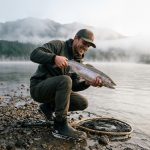
Late summer into early fall is a season of subtle but powerful change on the water. For walleye anglers, this “transition time” can be tricky. The fish you found in late July may have vanished from those same humps, weed edges, or river bends. As days shorten and the sun’s intensity wanes, walleye shift their patterns—sometimes daily—responding to changes in light, water temperature, forage movement, and oxygen levels. The good news? If you understand the cues driving these changes, you can stay on the fish all season long.
Why Walleye Move in Late Summer
By August’s end, surface water begins cooling at night, even if afternoons still feel hot. This temperature change triggers baitfish migrations—shiners, young perch, and shad start moving toward areas with consistent food and oxygen. Walleye follow their groceries.
Key factors influencing movement:
- Cooling surface temps make shallower structures more comfortable at night and early morning.
- Shorter daylight hours extend prime feeding windows.
- Forage movement forces walleye to leave mid-summer haunts and roam.
- Wind direction and turnover patterns alter where oxygen-rich water exists.
Where to Look During the Transition
This time of year is less about one magic spot and more about tracking daily shifts. Focus on:
- Main-Lake Points and Breaks
- Walleye often stage on points with deep water nearby.
- Look for transitions between rock and sand—these edges often hold both bait and predators.
- Mid-Depth Weed Edges
- Green weeds still hold bait, but dying weeds lose oxygen and repel fish.
- Healthy cabbage or coontail in 8–14 feet can be gold during low-light hours.
- Shallow Flats at Night
- As temps drop after sunset, walleye move shallow to ambush minnows.
- Flats adjacent to deeper basins are prime night spots.
- River Current Breaks
- Inflow areas and channel bends hold steady oxygen and forage.
- Rocks, wing dams, and logjams create ambush lanes.
Presentation Adjustments for Shorter Days
As the season shifts, so should your tactics.
- Daytime:
Vertical jigging or live-bait rigging along deeper breaklines is productive when fish are sluggish. Use 1/4–3/8 oz jigs tipped with minnows or nightcrawlers, adjusting weight for wind and current. - Evening & Night:
Crankbaits shine in low light. Troll or cast minnow-shaped plugs over shallow flats and weedlines, matching baitfish size. - Windy Conditions:
Harness the wind by drifting spinners with crawlers across points and reefs. A bit of chop triggers feeding behavior.
Electronics Are Your Best Friend
Transition-season walleye often suspend, following bait schools rather than relating tightly to structure. Your sonar will tell the truth—watch for arcs above the thermocline or pods of baitfish mid-water. Side imaging is especially valuable for covering ground and spotting isolated structure or roaming schools.
Follow the Forage, Not Just the Calendar
Don’t lock yourself into “fall patterns” too soon. Early September walleye may still act like summer fish, especially if water temps are high. By contrast, an early cold snap can push them into full autumn feeding mode. Your best move is to keep checking known summer spots while also scouting likely fall locations.
Bonus Tip: Time Your Trips
With shorter days, your prime windows shift:
- Pre-dawn until sunrise — walleye hunt aggressively in shallow water.
- Dusk into darkness — longer low-light periods mean extended feeding.
- Pre-front weather — falling barometric pressure often sparks a binge.
Bottom line: Late summer into early fall isn’t a time to chase walleye randomly—it’s a chess match where every move is dictated by water temp, light, and forage. Learn to read these seasonal cues, and you’ll stay one step ahead of the transition curve, putting more gold in the net while others wonder where the bite went.