


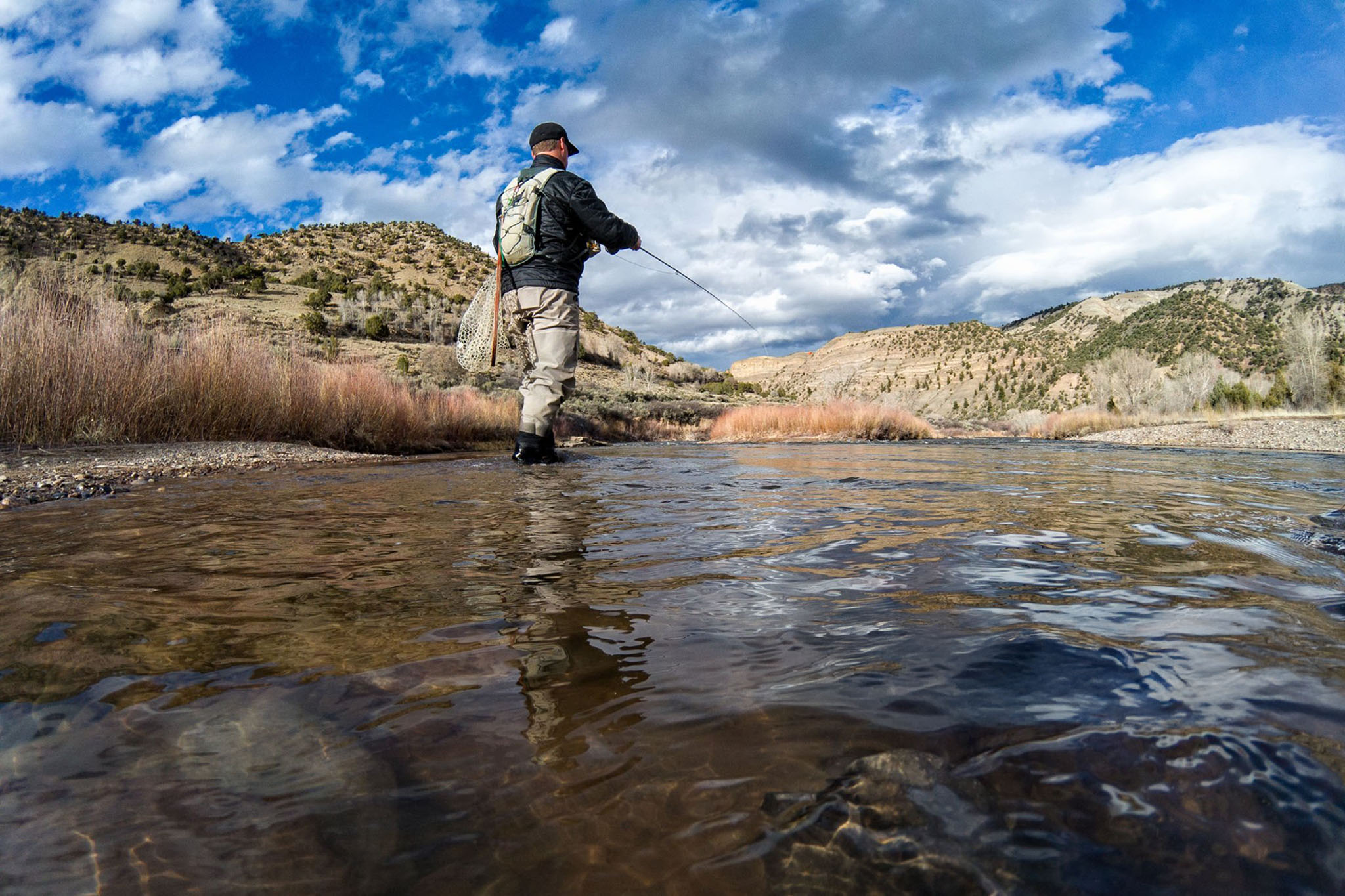
By late summer, many rivers across the U.S. run skinny. Snowmelt is long gone, spring rains are a memory, and weeks of heat have left only trickles in some stretches. While low water can make a river look lifeless to the casual eye, it actually creates some of the best opportunities of the season for anglers who know how to adapt. When flows drop, fish concentrate in fewer spots, become more predictable, and — with the right approach — more catchable.
Understanding Late-Summer Low Water Conditions
Low water changes the river’s personality. Current slows, pools shrink, and once-deep runs turn into ankle-deep riffles. This forces fish to:
- Congregate in Deeper Holding Water: Big pools, shaded undercut banks, and troughs hold the majority of the fish.
- Seek Cooler Water: Springs, tributary inlets, and shaded stretches become critical in hot months.
- Feed in Narrow Windows: Often at dawn, dusk, or during small temperature drops triggered by cloud cover or light rain.
Recognizing these shifts is the first step to fishing successfully in August’s skinny water.
Locating Fish in Shallow Flows
In low rivers, you can almost “read” the fish’s position from the bank if you know the signs. Look for:
- Tailouts of Deep Pools
- Fish stage here to intercept drifting food before it sweeps into shallows. Perfect for nymphing or slow-rolling small spinners.
- Current Seams
- Even in low flows, there are tiny lanes where faster and slower water meet. Fish use these to feed while conserving energy.
- Boulder and Log Cover
- Provides shade and breaks current, both valuable in late summer heat. Bass, trout, and walleye tuck close to these features.
- Inflow Points
- Where a small creek or spring-fed trickle enters, the water is often several degrees cooler — a magnet for summer fish.
Stealth Becomes Critical
Low, clear water means fish can see you coming — and feel your presence through vibrations — long before you make a cast. To beat their caution:
- Approach From Downstream: Let the current carry your scent and noise away.
- Stay Low and Use Cover: Kneel behind rocks, tall grass, or cutbanks when moving into position.
- Minimize Wading: Every step sends shockwaves through the riverbed. Fish from shore whenever possible.
Tackle Adjustments for Low Water
- Light Line & Leaders: Drop down to 4-6 lb fluorocarbon for spinning gear, or 5X–6X tippet for fly fishing.
- Smaller Lures & Flies: Match the smaller forage fish and invertebrates available in late summer.
- Natural Colors: Olive, brown, and silver mimic the river’s actual prey in clear water.
Top Late-Summer Low Water Baits:
- Tiny inline spinners for smallmouth bass and trout
- Micro jigs for panfish and spotted bass
- Foam hoppers, beetles, and ant patterns for fly anglers
- Weightless soft plastics for bass holding under shade
Timing Your Trips
In shallow rivers, midday fishing is usually slow. Instead, focus on:
- Early Morning: Water is coolest, and low light boosts predator confidence.
- Evening: Shadows stretch, bugs hatch, and baitfish move into feeding lanes.
- Overcast Days: Cloud cover extends active feeding periods.
If you’re chasing trout, be mindful of water temps over 68°F — prolonged stress can kill released fish. Target warmwater species like smallmouth or catfish if temps get too high.
Working With the Current
Even in low flows, current is the river’s conveyor belt of food. Use it to your advantage:
- Cast upstream or quartering upstream, letting your lure or fly drift naturally into holding water.
- Pause baits in slack pockets along current seams — fish often ambush here.
- Retrieve slowly; in hot water, fish conserve energy and won’t chase aggressively.
Conservation in Low Water
Low water stresses fish, especially cold-water species. Practicing responsible handling is more important than ever:
- Land fish quickly to avoid exhausting them.
- Keep them in the water while unhooking.
- Skip fishing for trout during the hottest part of the day.
Final Thoughts
Low water late-summer rivers can be intimidating, but they actually strip away the guesswork of high flows — fish have fewer places to hide. If you can combine stealth, light tackle, and precise reading of the river, you’ll find these “skinny” stretches hold some of the most reliable bites of the year. Come prepared to adjust, and you’ll discover that low water doesn’t mean low success — it just means you have to fish smarter.