
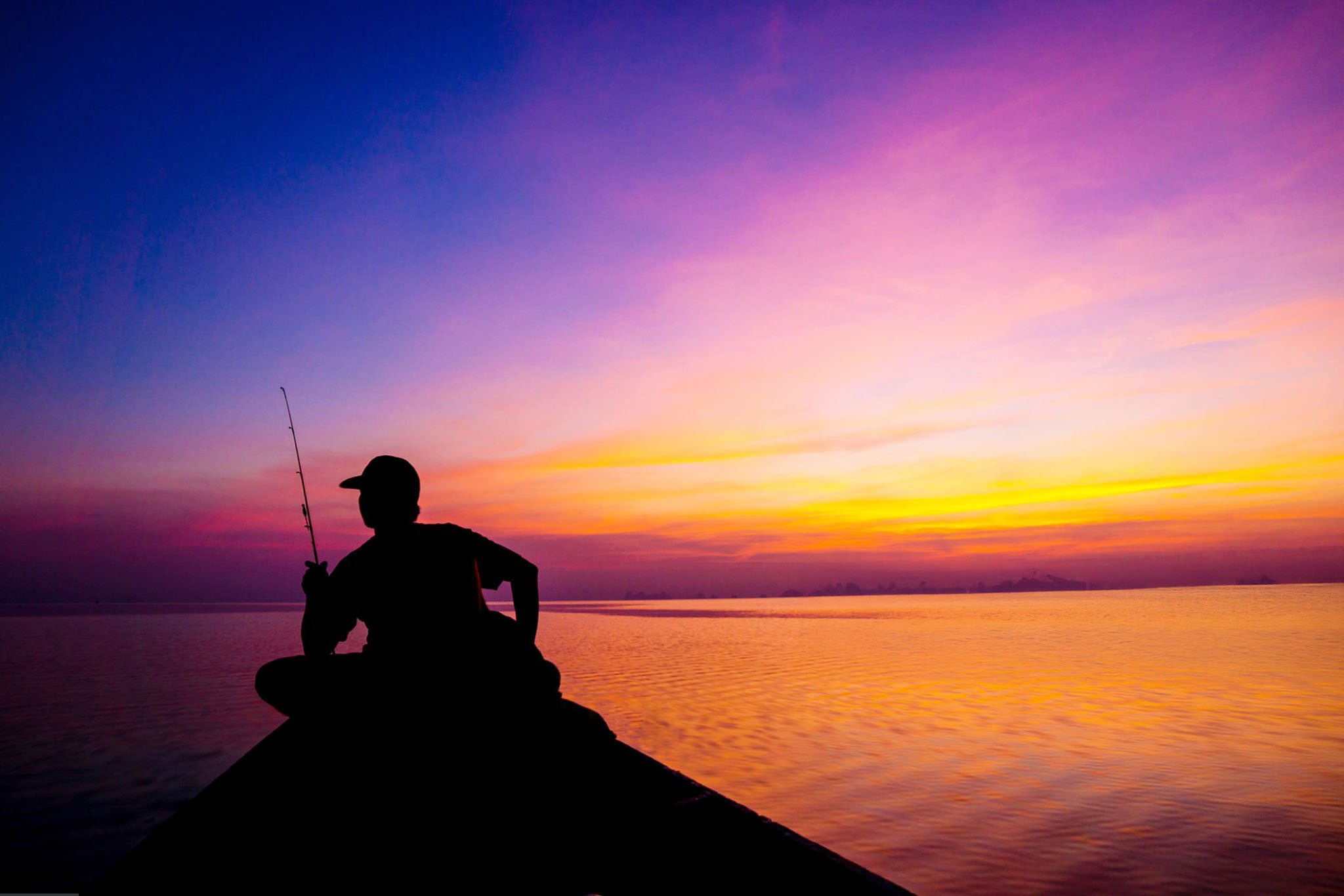
As the dog days of summer start to drag on and many anglers shift their focus to prepping for hunting season or chasing bigger gamefish, bluegill quietly offer some of the most dependable and action-packed fishing of the year. In late summer, when the sun is high and the lakes are glassy, bluegill are still active, aggressive, and more than willing to put a solid bend in your ultra-light rod.
If you’re looking for non-stop fun, teaching a kid to fish, or just want to feel that sweet tap on the line again, this is the time to scale down and go after big summer ‘gills.
Why Late Summer is Prime for Bluegill
Bluegill don’t get the summer blues. Even when water temps climb and other species go deep or sluggish, bluegill remain active feeders, especially in the early morning and late evening. The key is that their metabolism is high, and they’re constantly on the hunt for small insects, crustaceans, and minnows.
What makes this time especially productive:
- Stable weather patterns mean predictable feeding behavior.
- Abundant forage from summer insect hatches keeps them shallow and aggressive.
- Less angling pressure as other anglers shift focus.
- Consistent bite windows during dawn and dusk, plus shaded midday spots.
Ultra-Light Gear: The Secret to Maximum Fun
Chasing bluegill with ultra-light gear brings the fight to life. These fish may be small, but they punch way above their weight when matched with the right setup.
Recommended Setup:
- Rod: 5’6” to 6’6” ultra-light spinning rod
- Reel: Small spinning reel with a smooth drag (size 500-1000)
- Line: 2–6 lb test monofilament or fluorocarbon for sensitivity and stealth
Ultra-light gear isn’t just about making it fun — it also helps you cast smaller presentations farther and more accurately, which is critical when fish are skittish or suspended in shallow water.
Best Late Summer Locations for Bluegill
Target areas with structure and cover that hold insects, shade, and oxygen. Top spots include:
- Shallow weed edges: Especially where grass or lily pads meet open water.
- Dock pilings and boat slips: Offer shade and easy ambush points.
- Brush piles and submerged timber: Natural cover that attracts insects and protection-loving bluegill.
- Creek mouths and inflows: Moving water brings cooler temps and food.
- Under overhanging trees: Shade and falling insects make this a late-summer buffet.
Pro tip: Use polarized sunglasses to spot fish holding near cover in clear water.
Top Baits and Presentations
Late-summer bluegill will hit a variety of offerings, but finesse is the name of the game. Keep your baits small and natural-looking.
Live Baits:
- Waxworms
- Red wigglers
- Crickets
- Small minnows
Artificial Lures:
- 1/64 to 1/16 oz. jigs tipped with soft plastics (try chartreuse, white, or natural bug patterns)
- Tiny inline spinners (like Panther Martin or Mepps #0)
- Popper flies on a spinning setup with a casting bubble — great for surface action at dawn and dusk
Float Rigs:
For kids or relaxed fishing, rigging a small hook under a slip bobber with a split shot allows precise depth control and visible strikes.
When to Fish
Bluegill bite best during:
- Early mornings (sunrise to 9 a.m.)
- Late afternoons into evening (5 p.m. to sunset)
- Midday bites are possible in shaded or deeper areas
On hot, still days, go deep or find shade. On breezy, overcast days, fish may roam more and feed closer to the surface.
Catch and Release vs. Keep
Bluegill are one of the most prolific fish in North America, and late summer can be a great time to harvest a few for the frying pan — especially when targeting larger males in deeper water.
That said:
- Keep medium-sized fish (6-8”) for best eating
- Release big breeders over 9” to help sustain local populations
- Handle fish gently and release quickly if you’re practicing catch and release
Final Thoughts
Late summer bluegill fishing with ultra-light gear isn’t just a backup plan — it’s some of the most consistent and rewarding action you’ll find all year. Whether you’re solo, with buddies, or introducing someone new to the sport, the tug of a feisty ‘gill on a light rod never gets old.
So grab your smallest tackle box, string up your 4-lb line, and head for that shady cove or grassy edge. The evening is warm, the water is alive, and the bluegill are waiting.