

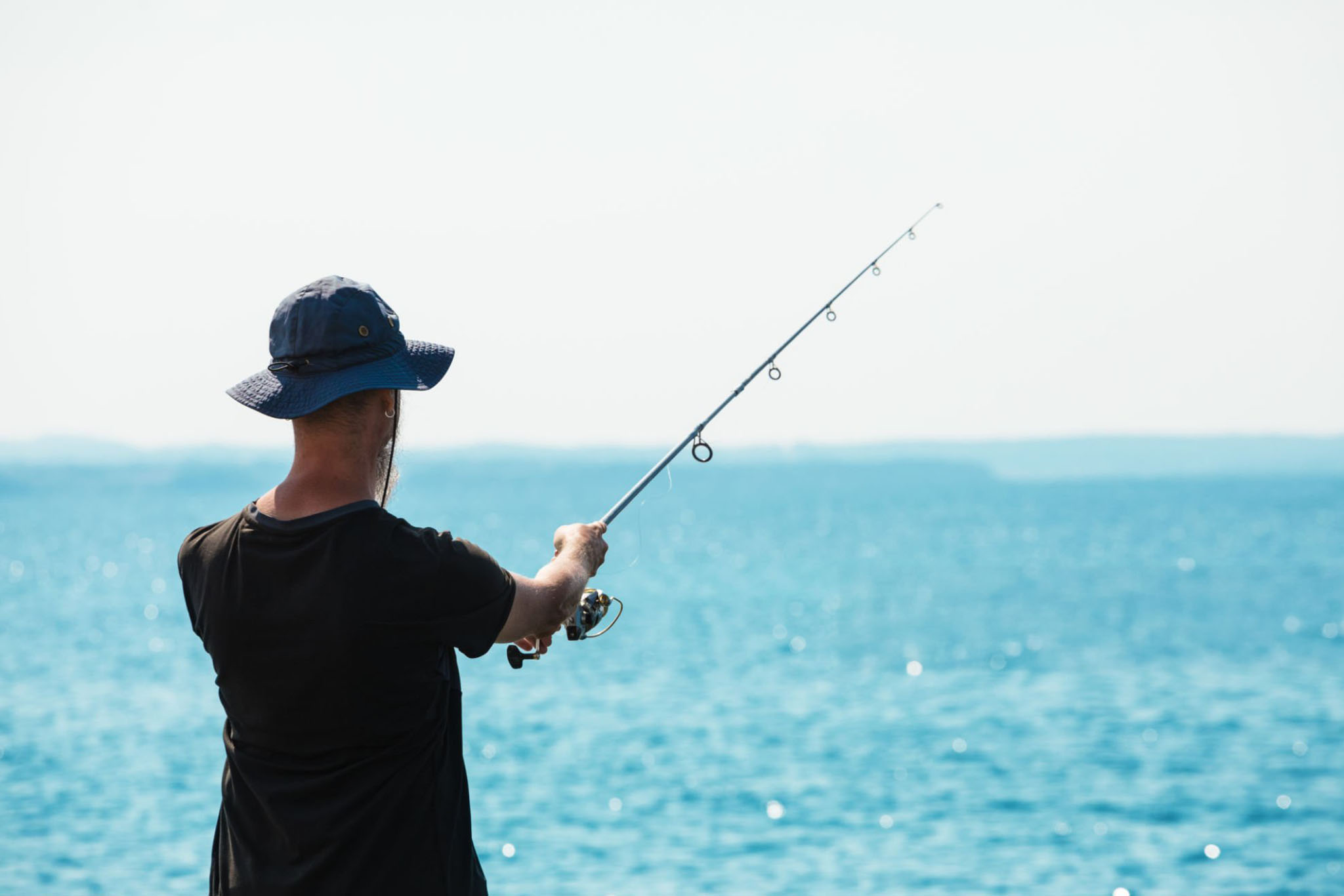
August may be one of the hottest months of the year, but for dedicated surf anglers, it’s also one of the hottest times to hit the beach. With baitfish moving through the surf zone, predators like striped bass, bluefish, red drum, pompano, and even snook are on the hunt close to shore. But surf fishing in August requires the right combination of gear, bait, and timing to turn a casual cast into a serious hookup.
Whether you’re fishing the Atlantic coast, Gulf shores, or Pacific beaches, here’s how to stack the odds in your favor.
1. Surf Fishing Gear That Works in the Heat
Your gear needs to handle long casts, tough fish, and salty conditions—especially in August when fish may be scattered and feeding aggressively.
Rod and Reel Setup
- Rods: Opt for a 9- to 12-foot surf rod rated for 2–6 oz weights. Longer rods help get past the breakers where fish often cruise.
- Reels: A sealed spinning reel in the 4000–8000 class is ideal for handling salt spray and strong fish like blues or drum.
- Line: Braided line in the 20–40 lb range gives you casting distance and sensitivity. Use a fluorocarbon leader (20–50 lb) to avoid breakoffs and stay stealthy.
Terminal Tackle
- Fish Finder Rigs: Perfect for live or cut bait; the sliding weight keeps your bait anchored while letting fish run.
- High-Low Rigs: Great for multiple baits and species like pompano or whiting.
- Circle Hooks: Required in some regions and great for safe catch-and-release—size 2/0 to 6/0 depending on your target.
2. Best Baits for August Surf Action
August surf fishing is all about presenting natural food sources. Fish are feeding aggressively in preparation for seasonal changes, so they’re not shy—if the bait looks (and smells) right.
Live and Cut Baits
- Mullet: Live or fresh-cut, mullet is a favorite for red drum, snook, and bluefish. Cast into the trough or near cuts in the bar.
- Shrimp: Dead or alive, shrimp is a universal offering that works from the Carolinas to the Gulf.
- Clams and Sand Fleas: Especially productive for pompano and black drum on East Coast beaches.
- Squid: Durable and easy to use; it draws in just about anything from surf perch to sharks.
Artificial Baits
- Metal Spoons: Excellent for casting far and covering water. Perfect for chasing blitzing Spanish mackerel or blues.
- Soft Plastics: Paired with a jig head, they can mimic baitfish or shrimp.
- Topwater Plugs: Use them at sunrise or sunset when predatory fish are cruising the shallows.
3. Timing Is Everything
When you fish in August is just as important as what you use. The right window can mean the difference between a slow day and a personal best.
Best Times of Day
- Early Morning: The cool temps and low light mean baitfish are close, and predators are feeding shallow.
- Late Evening: As the sun sets, water temps drop slightly, and the bite often picks up again.
- Night Fishing: Especially on the Gulf and East Coast, night fishing can produce snook, sharks, and tarpon right in the wash.
Tide Considerations
- Incoming Tide: This is prime time—bait moves in, and fish follow. Fish the last two hours of the incoming for best results.
- High Tide: Fish stack closer to shore; great for targeting deeper troughs near sandbars.
- Low Tide: Can expose structure or troughs you’ll want to remember for later tides.
Moon and Weather Factors
- Full/New Moon: Stronger tides mean more movement and usually better fishing.
- Stable Weather Patterns: Avoid fishing during major wind shifts or right after storms—fish are often scattered or inactive.
4. Finding the Right Spot on the Beach
A productive surf spot doesn’t always look like much to the untrained eye—but with a little attention, you can find the fish highways.
- Look for Cuts: These are deeper channels between sandbars where bait funnels through. Birds, foam lines, and darker water are all giveaways.
- Troughs and Holes: Fish use these like underwater highways to ambush prey.
- Points and Jetties: Breaks in the shoreline can create current seams that hold fish.
- Foam and Suds: Where the waves churn up the sand, bait gets disoriented—and fish go hunting.
5. Pro Tips for More Hookups
- Keep Bait Cold & Fresh: Use a cooler with ice packs or frozen bottles to keep your shrimp and mullet in top shape.
- Use Sand Spikes: Give yourself multiple rods in the water without holding them all day.
- Travel Light but Prepared: A small surf bag with leaders, pliers, extra rigs, and lures is easier to manage than a big tackle box.
- Watch the Birds: If you see diving birds, cast under them—there’s bait and likely feeding fish beneath.
Final Thoughts
August surf fishing can be hot in every sense of the word. While the midday sun may drive many anglers off the beach, those who know when and where to fish—and how to present the right bait—can score big. Whether you’re targeting big reds, sneaky snook, or blitzing blues, the surf zone is full of opportunity.
So gear up, watch the tides, and don’t be afraid to cast into the froth. Your next beachside bruiser could be just a wave away.