



Late summer afternoons might seem like a challenging time to target smallmouth bass in rivers, but with the right tactics and understanding of fish behavior, this window can produce some truly memorable catches. As the sun beats down and river flows stabilize after summer rains, smallmouth become more predictable—and more aggressive—if you know where to look and what to throw.
Here’s how to adjust your approach and capitalize on river smallmouth in the late-day heat.
1. Read the River First
Late summer river levels are often lower and clearer than earlier in the season, which means current breaks and structure are even more important.
- Look for Shade + Current: Smallmouth use overhanging trees, boulders, and undercut banks as ambush points where cooler water mixes with the main current.
- Eddies and Seams: Find areas where fast water meets slow water. These transition zones concentrate oxygen, bait, and hungry smallies.
- Deeper Runs Near Riffles: In the afternoon heat, bass slide back into slightly deeper pockets—especially below faster water where food gets funneled.
2. Match Your Lure to the Conditions
Afternoon smallmouth aren’t necessarily less active—but they are more selective. Picking the right bait can be the difference between a few taps and a full-on smash.
- Topwater Lures: Surprisingly, topwater can still produce late in the day—especially in shaded stretches. Try a walk-the-dog bait like a Heddon Spook Jr. or a popping frog in slack water near cover.
- Soft Plastics: Grubs, tubes, or 3″ swimbaits on 1/8–1/4 oz jigheads work great in rocky current. Choose natural colors like green pumpkin, watermelon, or smoke.
- Crankbaits & Spinnerbaits: Use crawfish- or shad-patterned cranks to bump along the bottom in deeper runs, or burn a spinnerbait through shallower riffles when the bite turns on.
3. Stay Mobile and Stealthy
Late summer river smallmouth are wary in the clear water—especially after being pressured all season. Covering water quietly is key.
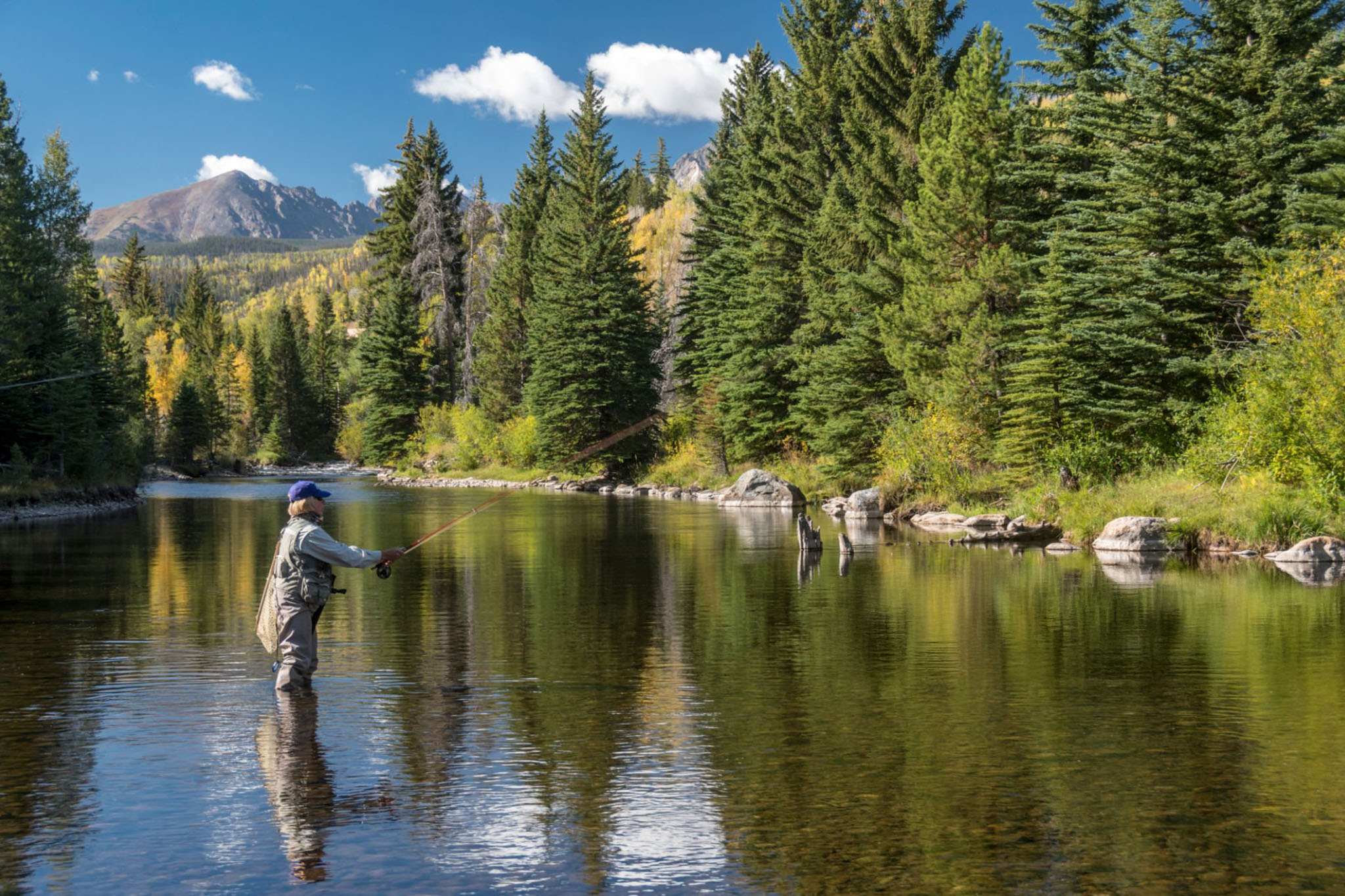
- Wade When Possible: If your river allows, slipping through on foot reduces water disturbance and lets you make precise casts to high-percentage spots.
- Use Light Line: 6–8 lb fluorocarbon or braid with a fluoro leader offers both stealth and sensitivity.
- Long Casts, Accurate Placement: Use the current to your advantage—cast slightly upstream and let your lure swing naturally into holding zones.
4. Trigger Reaction Strikes
If bass are hanging back in the shadows and not actively chasing, you can still provoke them with erratic or sudden movement.
- Pause & Pop: With soft plastics or jerkbaits, a stop-and-go retrieve can simulate a fleeing baitfish, especially around submerged wood or rocks.
- Bottom Contact Matters: Let your bait touch or bounce off rocks—this mimics crawfish and stirs up dust clouds, grabbing a smallie’s attention.
- Don’t Be Afraid to Upsize: Bigger fish will eat a 4″ or 5″ bait even in pressured water, especially if it moves like an easy meal.
5. Think Like a Predator
Remember, smallmouth are opportunistic hunters. When the sun is high and the water is warm, they don’t roam far—they wait for the current to deliver food.
- Focus on Funnels: Any place that concentrates bait—whether it’s a narrowing of the river, a logjam, or a rocky bend—can hold multiple fish.
- Cast Multiple Times: Don’t leave after one cast. A well-placed second or third cast at a slight angle can produce a strike when the first didn’t.
- Stay Patient: Afternoon bites often come in short bursts. If you know fish are present, slow down and be methodical.
6. Time It Right
Late summer afternoons don’t fish the same all day. Timing can play a huge role in success.
- Prime Window: 3:30–6:30 PM — As light softens, temperatures slightly drop, and bass become more willing to roam and feed.
- Overcast Days = Opportunity: Cloud cover can extend the bite window and keep fish higher in the water column.
- Pre-Storm Bites: If a front is rolling in, fish often become aggressively active just before the pressure drops.
Final Cast
Late summer afternoons aren’t a dead zone for smallmouth—in fact, they offer a golden opportunity for anglers willing to adjust. By targeting shaded current, slowing down your presentation, and playing the patience game, you can hook into some aggressive river bronzebacks when most anglers are packing it in.
So next time the sun’s high and the water’s warm, don’t leave the river—lean into the challenge. The smallies are still there. You just have to meet them on their terms.