




Whether you’re a weekend angler or a serious fisherman chasing trophy bass, choosing the right reel can make the difference between frustration and a full livewell. Each reel type—spinning, baitcasting, spincast, and even fly reels—brings unique strengths and challenges. Mastering them all not only expands your skill set but also makes you a more versatile angler, ready for any fishing situation.
In this guide, we’ll break down reel types, how to use them effectively, and when each one shines.
1. Spinning Reels: The Beginner-Friendly Workhorse
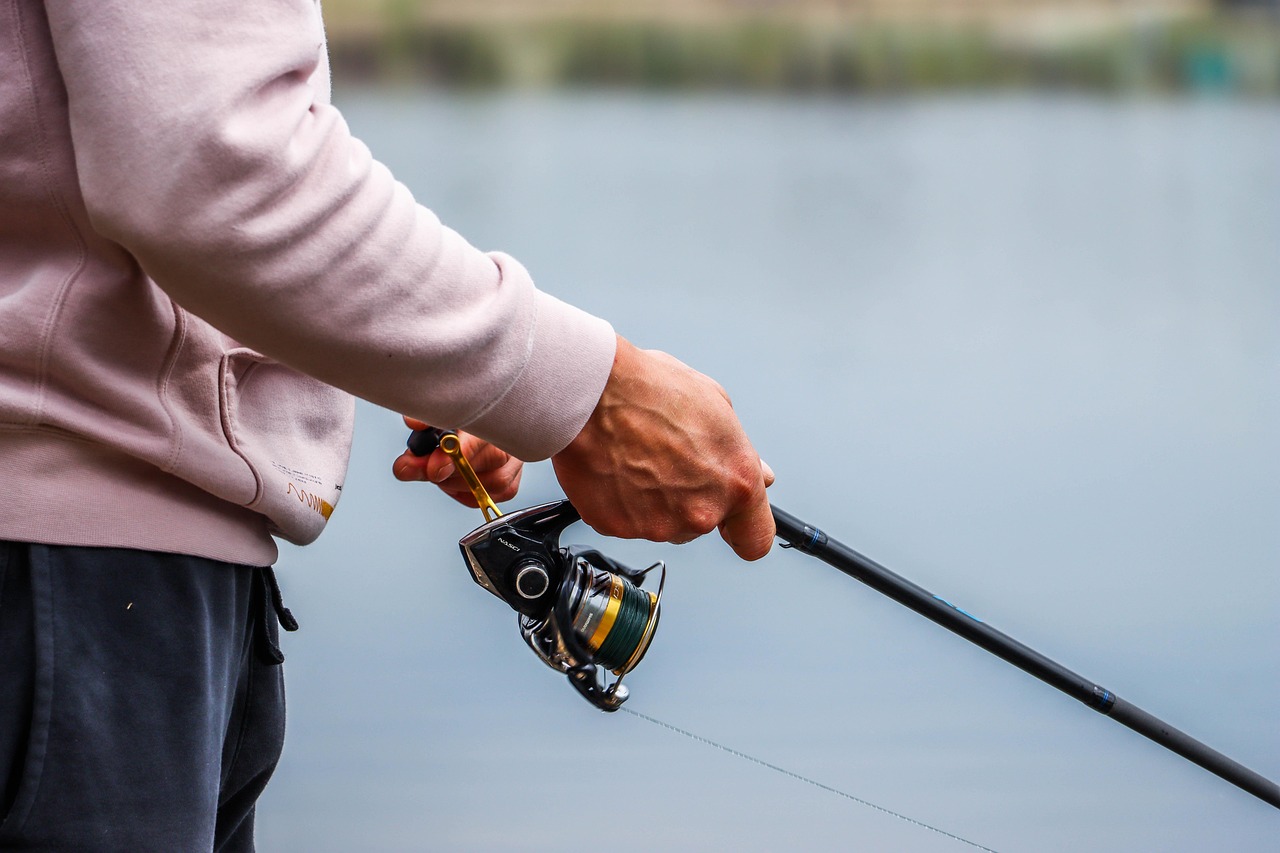
Spinning reels are the most popular reel type in the U.S., and for good reason.
Key Features
- Mounted under the rod with an open-faced design.
- Uses a bail arm to release and retrieve line.
- Handles light to medium lures and lines effortlessly.
Advantages
- Easy to cast, even for beginners.
- Excels with finesse presentations like soft plastics, drop shots, and small jigs.
- Less prone to backlashes compared to baitcasters.
Best Use Cases
- Bass and panfish fishing with lightweight lures.
- Trout fishing in streams or lakes.
- Saltwater inshore fishing for species like redfish and snook with medium setups.
Pro Tip: When using spinning reels, keep your spool nearly full and close the bail manually after a cast to reduce line twist.
2. Baitcasting Reels: Precision and Power
Baitcasters are the reel of choice for serious anglers who demand accuracy and control.
Key Features
- Sits on top of the rod with a revolving spool.
- Uses a thumb control to manage line during casting.
- Often features adjustable brakes and tension knobs to fine-tune performance.
Advantages
- Superior casting accuracy and distance for heavy lures.
- Handles stronger lines (12–25 lb test or more).
- Provides more cranking power for pulling fish out of heavy cover.
Best Use Cases
- Bass fishing with crankbaits, spinnerbaits, and jigs.
- Pike, musky, or catfish where heavy lines and big baits are required.
- Flipping and pitching in thick cover where pinpoint accuracy matters.
Pro Tip: Practice with heavier lures first, and use your thumb to feather the spool during casts to prevent backlashes.
3. Spincast Reels: Simple and Hassle-Free
Spincast reels, often called push-button reels, are popular with beginners and casual anglers.
Key Features
- Closed-face design with a button to release the line.
- Minimal line twist and easy operation.
Advantages
- Virtually tangle-free and beginner-friendly.
- Affordable and low-maintenance.
Best Use Cases
- Casual fishing trips for bluegill, crappie, and small bass.
- Kids and beginners who want a hassle-free introduction to fishing.
Pro Tip: While convenient, spincast reels lack casting distance and struggle with heavier lines. Consider upgrading once your skills improve.
4. Fly Reels: A Specialized Tool for Fly Fishing
Fly fishing is a world of its own, and fly reels are a critical piece of the puzzle.
Key Features
- Mounted under a fly rod, designed to hold fly line and backing.
- Plays a bigger role in line management than casting distance.
Advantages
- Smooth drag systems for battling trout or larger species.
- Essential for delicate fly presentations and line control.
Best Use Cases
- Trout streams, salmon rivers, and saltwater flats.
- Anglers seeking a challenge and a more hands-on fishing style.
Pro Tip: Focus on line control and drag adjustment, since most fly fishing is about presentation rather than power casting.
5. Matching Reels to the Right Situation
A seasoned angler knows that no single reel does it all. Here’s how to pick the right tool for the job:
- Finesse fishing for bass or trout? → Go spinning.
- Heavy cover or big lures? → Choose baitcasting.
- Family-friendly panfish outing? → Stick with spincast.
- Fly fishing adventure? → Use a fly reel.
6. Maintenance Tips to Extend Reel Life
No matter which reel you use, proper care keeps it performing smoothly:
- Rinse with freshwater after saltwater use to prevent corrosion.
- Oil bearings and moving parts every few trips.
- Check your line and spool for damage before every outing.
Regular maintenance ensures you’re ready when the big one bites.
Final Thoughts
Mastering every reel type—from spinning to baitcasting—makes you a complete angler. Spinning reels handle finesse, baitcasters bring power and accuracy, spincast reels are beginner-friendly, and fly reels open up a new dimension of fishing.
The more reels you learn to use, the more waters and species you can confidently target. Next time you hit the lake, match the reel to the challenge, and watch your catch rate soar.