Whether you’re casting a line into your local pond or dreaming of hooking a monster bass in the Great Lakes, freshwater fishing offers one of the most accessible and rewarding ways to enjoy the outdoors in the U.S. If you’re new to fishing, don’t worry—you don’t need a fancy boat or expensive gear to get started. This beginner’s guide will walk you through the basics so you can hit the water with confidence.
🗺️ 1. Understanding Freshwater Fishing in the U.S.
Freshwater fishing means targeting fish species that live in non-salty bodies of water—like lakes, ponds, rivers, and streams. The U.S. is home to some of the best freshwater fishing in the world, from the bass-rich lakes of the South to trout streams in the Rockies.
Popular freshwater destinations include:
- Lake Okeechobee (Florida) – Largemouth bass haven
- Lake Erie (Ohio/Pennsylvania/New York) – Walleye, smallmouth bass
- Missouri River (Midwest) – Catfish, walleye
- Great Smoky Mountains (Tennessee/North Carolina) – Trout fishing paradise
🐟 2. Common Freshwater Fish Species for Beginners
These species are widely available, relatively easy to catch, and fun to fight:
- Largemouth Bass – Known for aggressive strikes and acrobatic fights
- Bluegill & Sunfish – Great for kids and beginners, easy to find
- Catfish – Bottom-dwellers that bite well at night or after rain
- Trout – Found in cool streams and rivers; fly fishing is popular
- Crappie – Schooling fish that are great for springtime action
🎒 3. Basic Gear You’ll Need
You don’t have to break the bank to gear up. Here’s a simple setup:
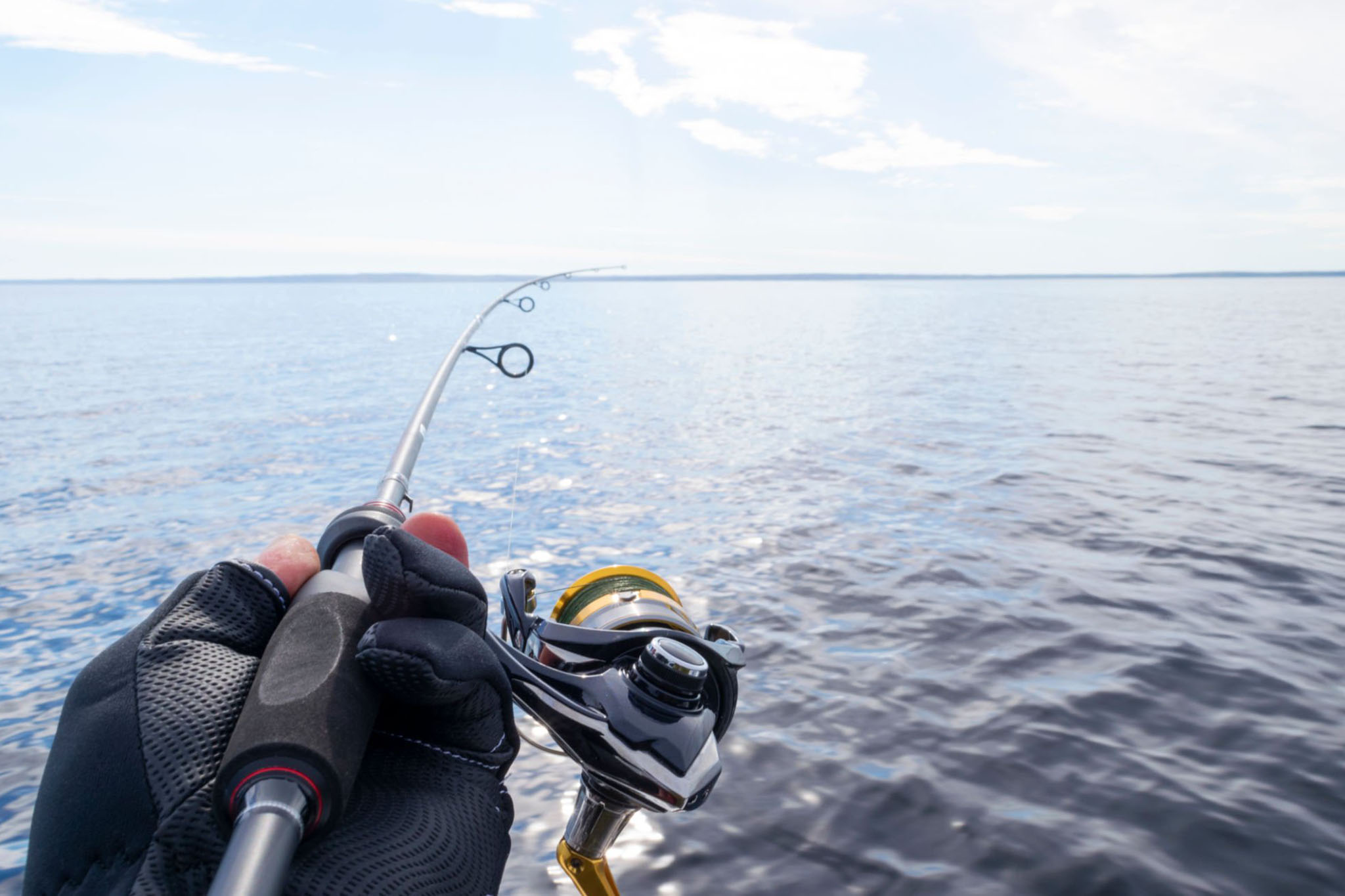
- Spinning Rod and Reel Combo – Ideal for beginners (6–7 ft rod)
- 8–10 lb Monofilament Line – Forgiving and easy to handle
- Hooks, Bobbers, and Split Shot – For basic live bait rigs
- Lures – Start with soft plastics, crankbaits, or spinners
- Tackle Box – Keep your gear organized
- Pliers and Line Clippers – For hook removal and cutting line
- Fishing License – Required in all states (can often buy online)
💡 Pro Tip: Most big-box stores like Bass Pro Shops, Walmart, or local bait shops offer beginner kits.
🪱 4. Bait: Live vs. Artificial
Live bait is a safe bet for beginners:
- Worms (nightcrawlers) – Catch almost anything
- Minnows – Great for bass and crappie
- Crickets – Bluegill favorites
Artificial lures take practice but offer variety:
- Soft Plastics – Versatile for bass and panfish
- Spinners – Flashy and easy to use
- Topwater Baits – Fun for explosive strikes (especially bass)
🕰️ 5. Best Times to Fish
Timing can make or break a day on the water. Here’s a cheat sheet:
- Early Morning (Sunrise to 9 a.m.) – Cool temps, fish are feeding
- Evening (5 p.m. to sunset) – Especially great in summer
- Overcast Days – Fish are more active near the surface
- Pre-storm Fronts – Barometric pressure changes often trigger bites
📍 6. Where to Fish (Even Without a Boat)
You don’t need a boat to catch fish. Try these spots:
- Public Ponds – Great for bluegill and bass
- Fishing Piers – Found on many public lakes and reservoirs
- Rivers and Streams – Target current breaks and eddies
- Docks and Shorelines – Bass love structure
Use Google Maps or apps like Fishbrain to scout locations, or ask your local bait shop.
✅ 7. Fishing Etiquette & Safety
A few unspoken rules go a long way:
- Clean up your trash – Leave the water better than you found it
- Respect space – Don’t crowd other anglers
- Handle fish gently – Especially if releasing
- Watch your cast – Look behind you before you whip that lure
- Wear sunscreen and a hat – Sun exposure sneaks up on you
- Bring bug spray – Especially near still water
📝 8. Learning Local Rules & Getting Licensed
Each state has its own fishing regulations: size limits, seasons, and species restrictions. Before you hit the water:
- Buy a fishing license – Usually online through your state DNR
- Check local regulations – Daily bag limits and restricted waters
- Take a kid fishing day – Many states offer license-free events
🎯 Final Thoughts: It’s About More Than the Catch
Freshwater fishing isn’t just about pulling in the biggest fish—it’s about slowing down, being present, and enjoying time outdoors. Whether you’re casting a worm under a bobber or learning to twitch a soft plastic, every trip is a learning experience.
So grab a rod, pick a local pond, and start casting. Tight lines!