


When the summer sun is blazing and water temperatures climb, catching big bass can feel like a game of hide-and-seek. But seasoned anglers know that even in the heat of July and August, bass don’t just vanish—they relocate to cooler, more comfortable zones that provide them food and cover. If you want to stay on the bite during those dog days of summer, here’s how to pinpoint the hidden hotspots where the giants are holding.
🎯 1. The Thermocline Effect: Go Deep for Giants
As lakes heat up, bass tend to move deeper, seeking oxygen-rich water and stable temperatures. The thermocline—a layer in the water column where temperatures drop sharply—is often the sweet spot.
- How to find it: Use your fish finder to locate that distinct layer (often between 12–20 feet in midsummer).
- Where to fish: Target drop-offs, deep ledges, and humps that intersect with the thermocline.
- Bait to use: Try a Carolina rig with soft plastics or deep-diving crankbaits. Let them linger in the strike zone for as long as possible.
🌿 2. Weedy Edges and Grass Mats: The Midday Refuge
Bass love aquatic vegetation during summer because it offers shade, oxygen, and ambush points for feeding. Hydrilla, milfoil, and lily pads become bass magnets, especially on sunny afternoons.
- Focus areas: Fish the outer edges of grass lines where they meet open water, or punch through dense mats.
- Go-to tactics: Use hollow-body frogs on the mats and flipping jigs with heavy weights to penetrate cover. Be ready for vicious strikes.
💧 3. Moving Water: Creeks, Springs, and Current Breaks
When lakes and ponds heat up, bass are drawn to inflows where cooler, oxygenated water enters. Moving water also brings food, which makes these zones feeding highways for bass.
- Scout for: Creek mouths, underwater springs, and river channels. In reservoirs, target areas with sustained current.
- Best presentations: Spinnerbaits and swimbaits fished just off the current seams are deadly.
🌅 4. Low-Light Honey Holes: Dawn, Dusk, and Nighttime Fishing
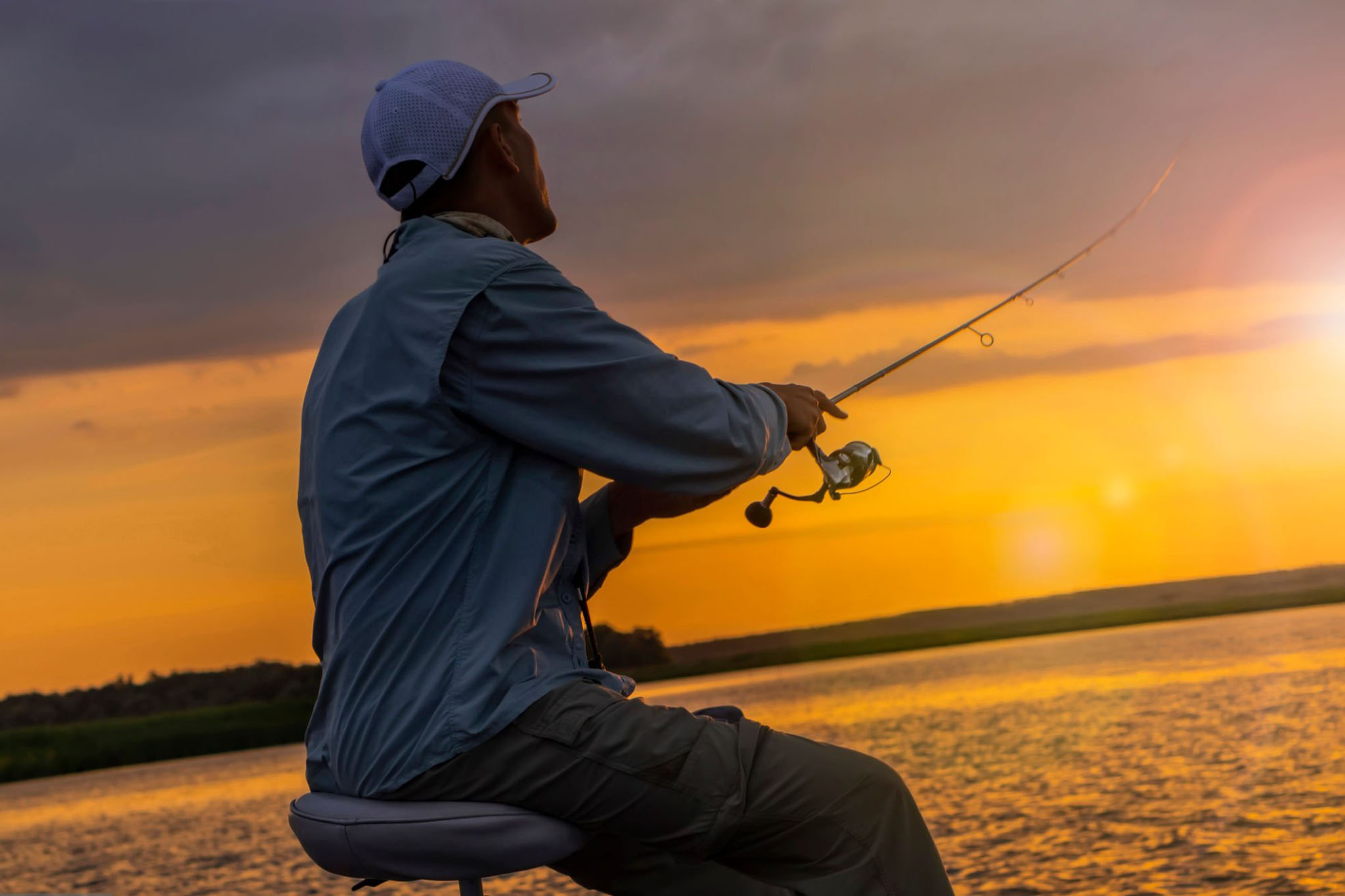
Bass are most active during low-light periods, especially on hot summer days. At these times, they’ll move shallow to feed aggressively.
- Where to fish: Focus on shallow flats near deep water, docks, and riprap shorelines.
- Nighttime gear: Slow-rolled black spinnerbaits or big, noisy topwater plugs can tempt monster bites after sunset.
🛶 5. Hidden Backwaters and Shaded Overhangs
Don’t overlook secluded pockets or areas with overhanging trees. These spots often stay cooler and hold bass looking for an easy meal.
- Perfect for kayak anglers: Slide quietly into hard-to-reach backwaters where big boats can’t go.
- Lures to try: Weightless soft plastics like Senkos, worked slowly under shaded limbs.
🛠️ Pro Tips for Finding Summer Bass Hotspots
✅ Invest in good electronics: Side-scan sonar and mapping apps can reveal submerged structure.
✅ Think like a bass: Seek cooler water, shade, and areas with baitfish.
✅ Stay stealthy: In shallow or clear water, keep noise to a minimum and make long casts.
✅ Hydrate and protect yourself: Summer fishing can be brutal on anglers too—don’t forget sunscreen, hats, and plenty of water.
🎣 Final Thoughts: Outthink the Heat
Big bass don’t disappear in summer—they just get picky about where they hang out. By targeting deep structure, shaded vegetation, and moving water, you’ll not only locate these fish but also unlock some of the most rewarding bites of the year. So grab your gear, plan smart, and start exploring those hidden summer hotspots.