


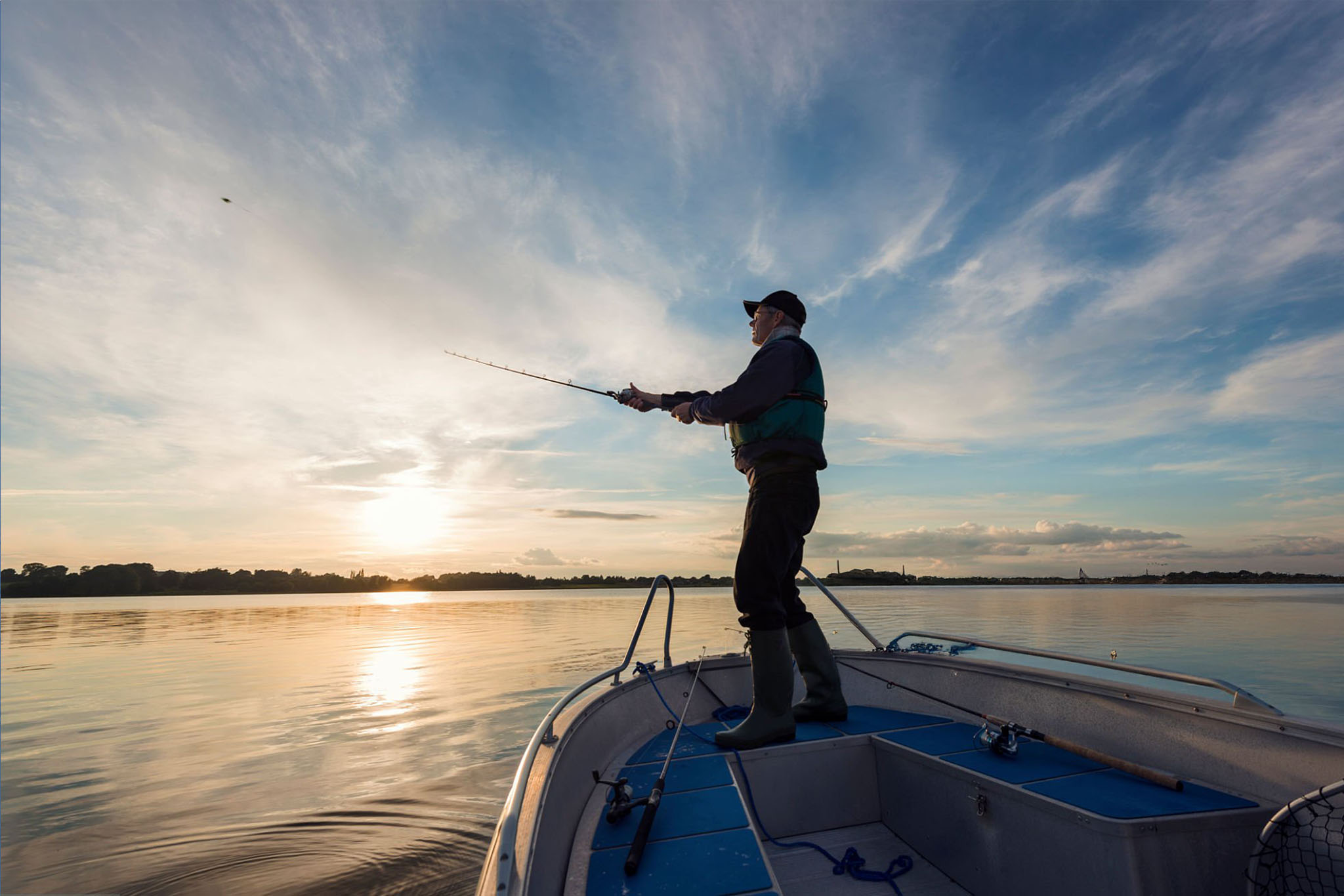
There’s something magical about fishing as the sun dips low on the horizon. The oppressive heat of the day begins to fade, the water calms, and fish that seemed dormant for hours suddenly come alive. For many anglers, the “golden hour” is prime time—a window of opportunity when you can stack the odds in your favor.
But maximizing this brief and explosive period requires a smart approach. Let’s break down why evenings are so productive and how to make every cast count when the light turns gold.
🌅 Why Golden Hour Fishing Works
The golden hour—roughly the hour before and after sunset—is more than just pretty light. It’s the perfect storm of environmental conditions for fish activity:
✅ Cooling Water Temps: As the sun sets, surface temperatures drop slightly, pulling baitfish up from deeper, cooler water and drawing predators closer to the shallows.
✅ Low Light Advantage: Reduced light gives bass, trout, and other species a sense of security. They’ll roam farther from cover and feed more aggressively.
✅ Increased Insect Activity: For trout and panfish, evening insect hatches often trigger feeding frenzies on the surface.
✅ Pressure Relief: After a day of boat traffic and fishing pressure, fish are less cautious as activity on the water decreases.
🎣 Pro Tip: Pay attention to your local moon phase and weather conditions; overcast evenings can extend golden hour activity.
🪝 Top Golden Hour Fishing Strategies
🎯 1. Location, Location, Location
- Shallow Flats: Fish cruise shallow water to ambush baitfish.
- Points and Drop-Offs: Perfect spots where predators can intercept bait moving between shallow and deep water.
- Vegetation Edges: Lily pads and weed lines often hold fish as they transition into evening feeding zones.
🎯 Hot Tip: Position yourself to cast parallel to structure or cover instead of perpendicular. This keeps your lure in the strike zone longer.
🎣 2. Lure Selection for Evening Success
As light fades, lure choice becomes critical:
✅ Topwater Baits (Bass & Pike)
- Frogs, poppers, and buzzbaits shine during this time. Their surface disturbance is irresistible in low light.
✅ Slow-Rolling Spinnerbaits (Bass & Walleye)
- Cover water quickly with a flash that mimics baitfish movement.
✅ Soft Plastics (Finesse)
- On tough bite nights, Texas-rigged worms or creature baits fished slowly can produce.
✅ Flies and Small Poppers (Trout & Panfish)
- Match the hatch for insect-eating fish rising on the surface.
🎯 Color Tip: As light dims, use darker silhouettes (black, purple) that stand out against the fading sky.
🕔 3. Timing Your Approach
- Arrive Early: Be in position at least 30 minutes before peak activity begins.
- Capitalize on the Transition: Fish are most aggressive as daylight fades to full darkness.
- Stay Late: Sometimes the best bites happen in the first hour after dark—don’t pack up too soon.
🥵 Stay Comfortable & Safe in Evening Hunts
- Bug Protection: Dusk is prime time for mosquitoes—use repellents or wear lightweight bug-proof clothing.
- Polarized Sunglasses: Even with less light, these reduce glare and let you spot movement in the water.
- Headlamp Ready: If fishing past dark, have a hands-free light for knot tying and safe navigation.
🎣 Safety Reminder: If you’re boating, ensure navigation lights are on and visible as dusk turns to night.
🏆 Why Evening Fishing Is Worth It
For anglers who work long hours or simply can’t stand the blazing midday heat, evenings are a gift. The golden hour provides a narrow but high-quality window to target actively feeding fish with less competition and better conditions.
By focusing on productive locations, using the right lures, and adjusting to low light, you’ll stack your cooler while most people are heading home for dinner.
So next time the sun starts to dip, don’t call it a day. Grab your rod, hit your favorite spot, and make the most of your Evening Edge.