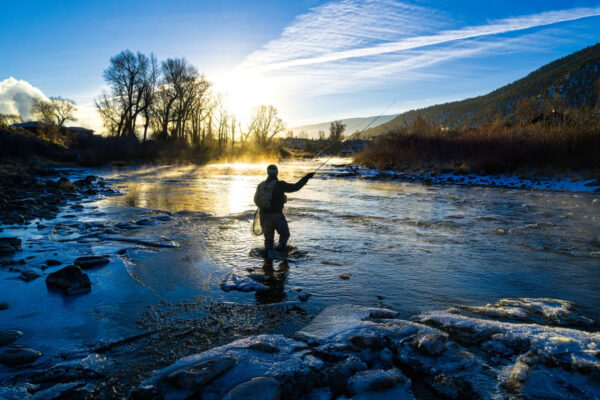





Using Current and Temperature Changes to Predict Fish Feeding

Winter and early spring fishing can be challenging, but understanding how water current and temperature changes influence fish feeding behavior can dramatically improve your catch rate. Fish are cold-blooded, meaning their metabolism and activity levels are highly sensitive to environmental conditions. By monitoring subtle shifts in currents and water temperature, anglers can predict feeding windows…

Read More

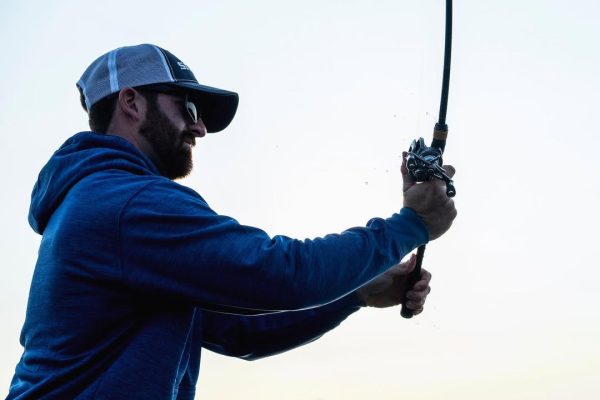
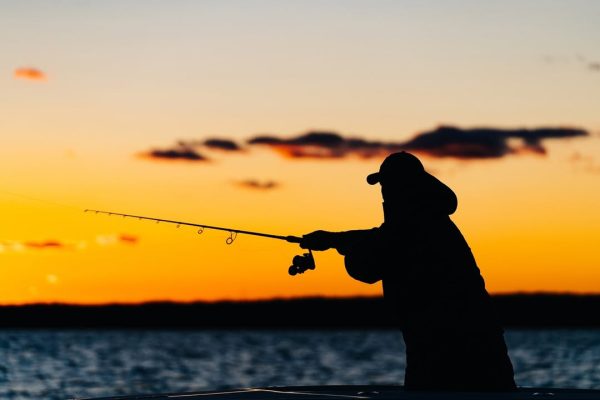
Low-Light Fishing: Early Morning and Late Evening Techniques for Winter Fish

Winter fishing can be challenging, but the pre-dawn and twilight hours often provide the best opportunities. Fish are generally more active in low-light conditions during the cold months, taking advantage of reduced human activity and subtle changes in water temperature. Mastering low-light fishing requires understanding fish behavior, choosing the right gear, and employing techniques that…

Read More

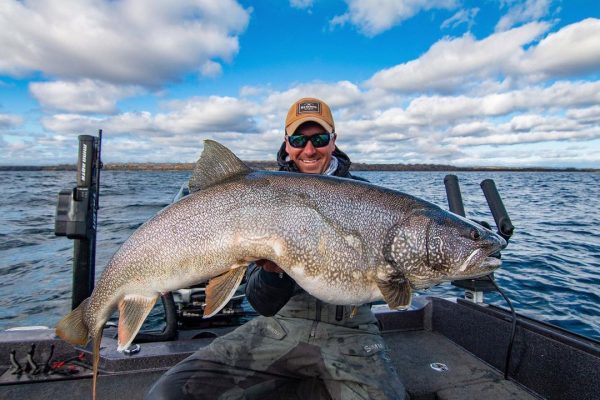
Glidebait Precision: The Pause-and-Fall Rhythm Fish Can’t Resist in Winter

Winter fishing is a season of subtlety. While warm-water bass will chase a fast-moving crankbait or smash a reaction jig, cold-water predators behave differently. Their metabolism slows, their strike windows shrink, and their feeding decisions become calculated. That’s exactly why glidebaits—when fished the right way—become one of the most efficient tools for targeting trophy-size fish…

Read More