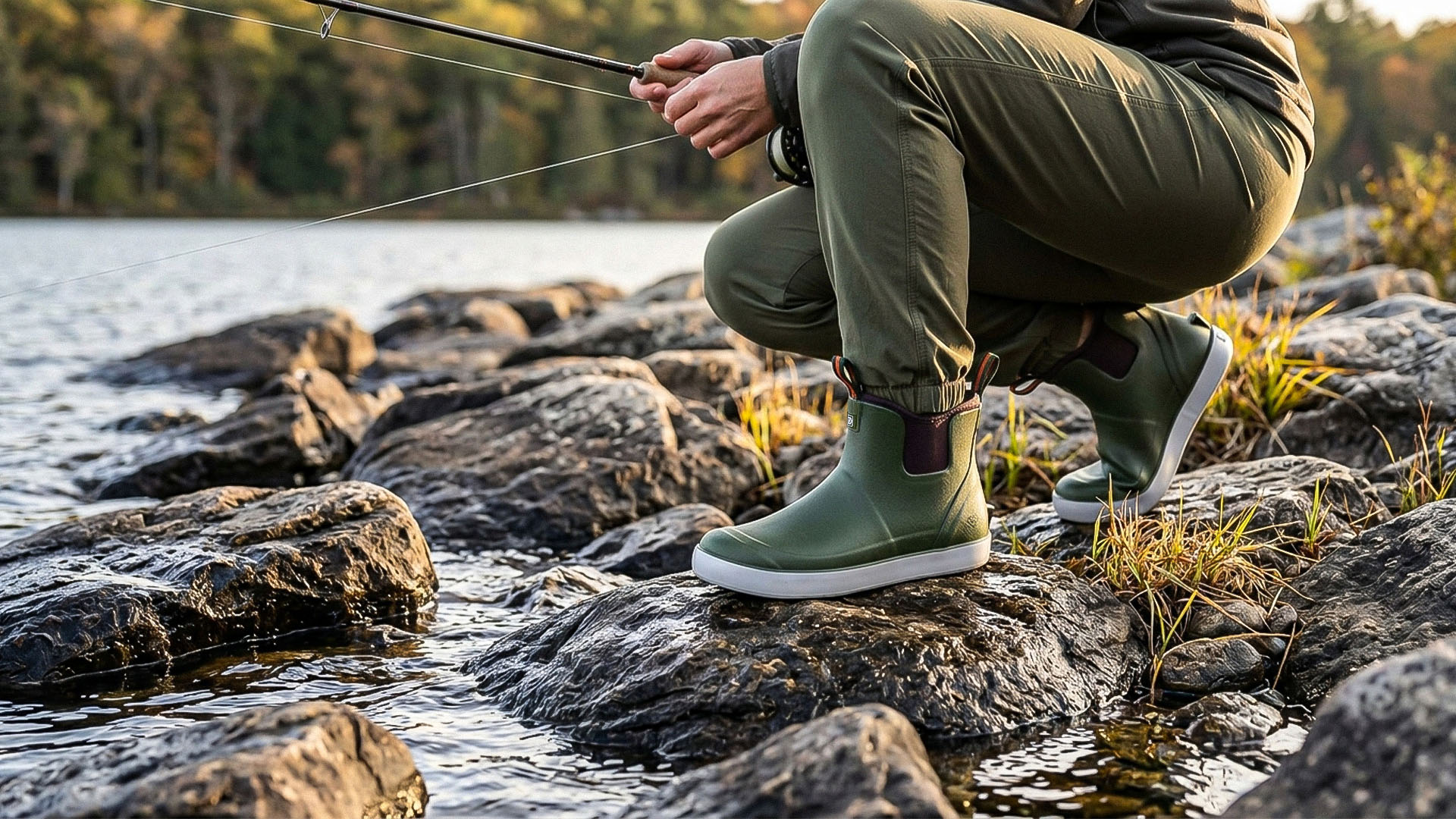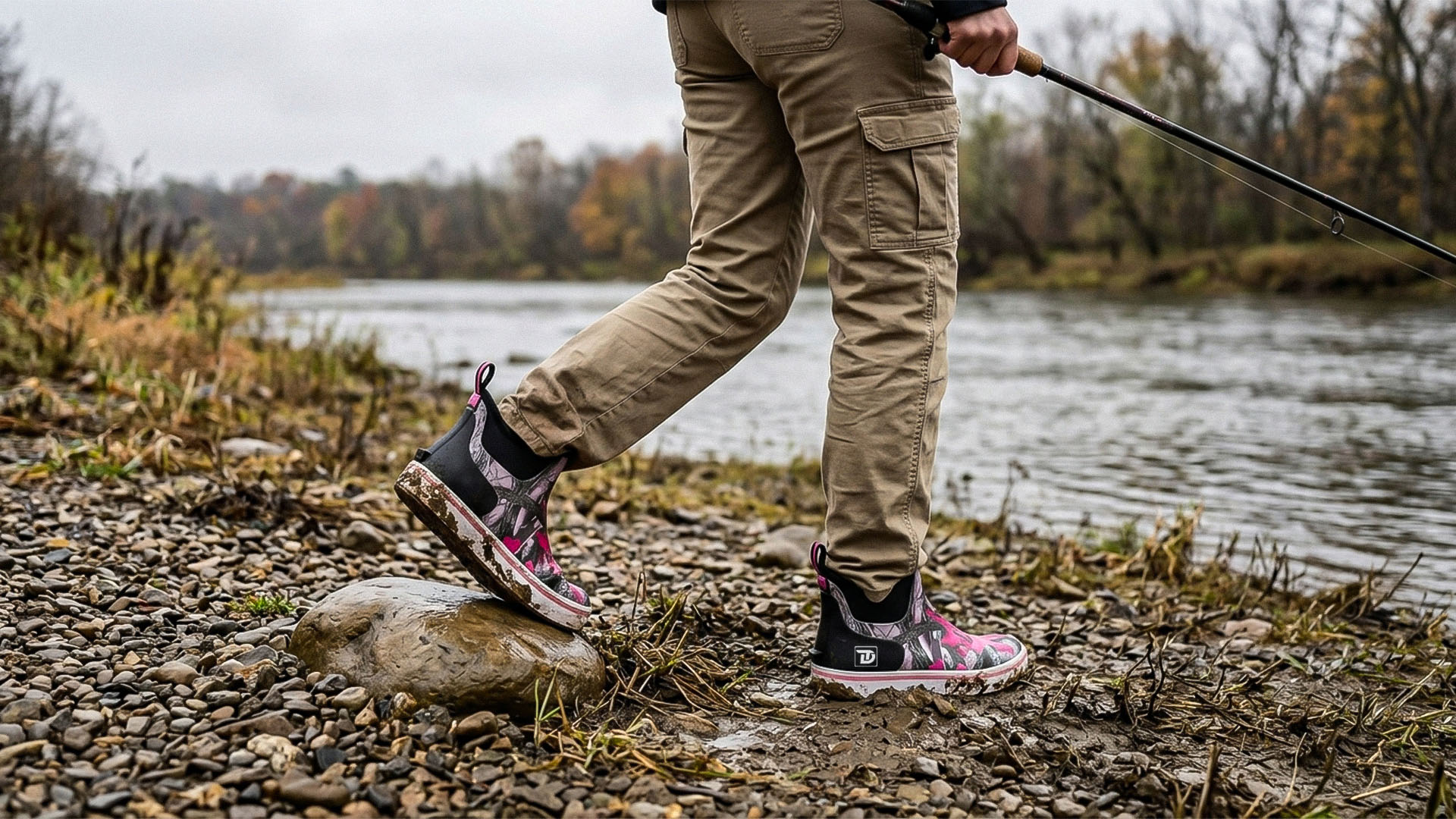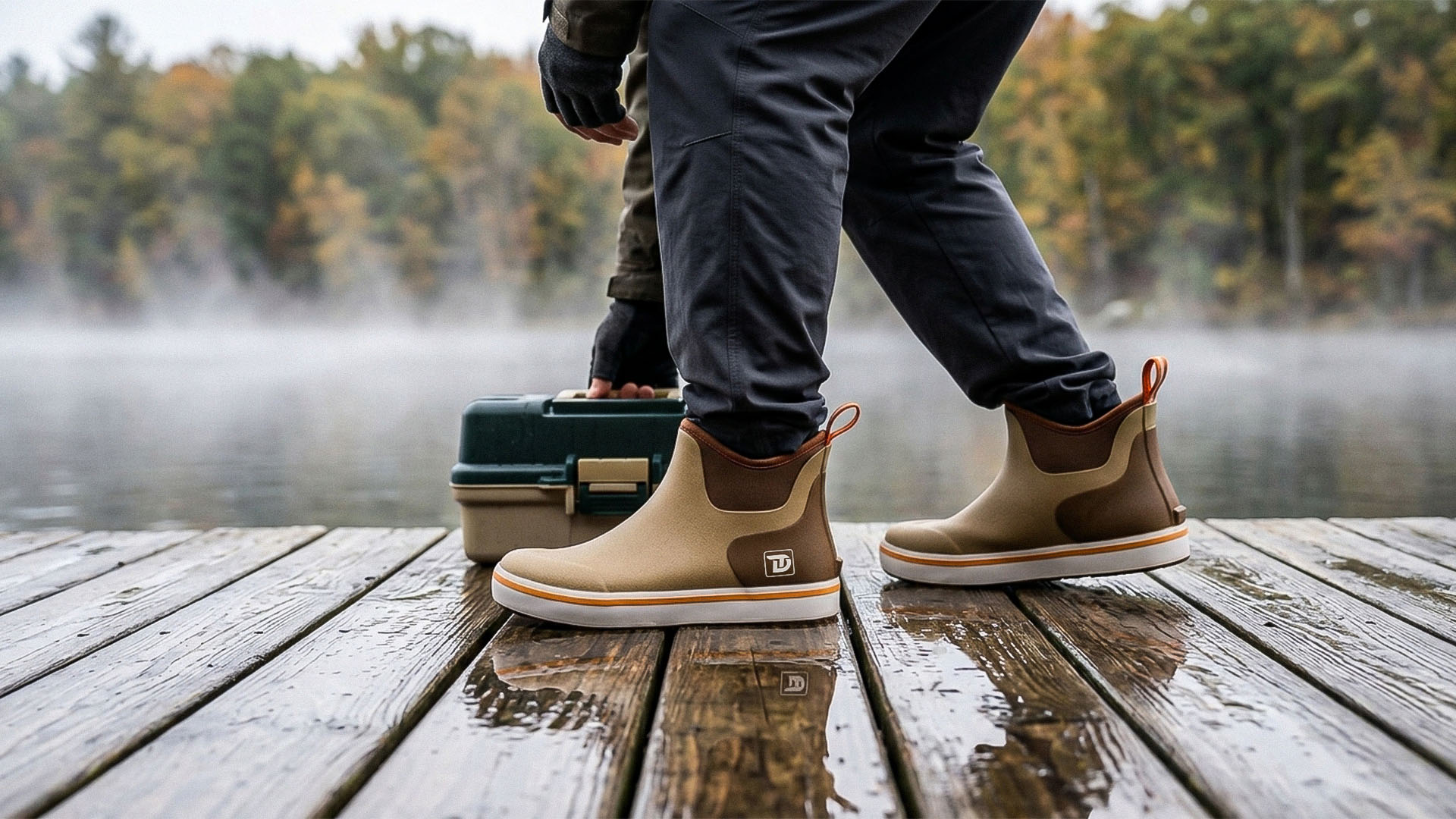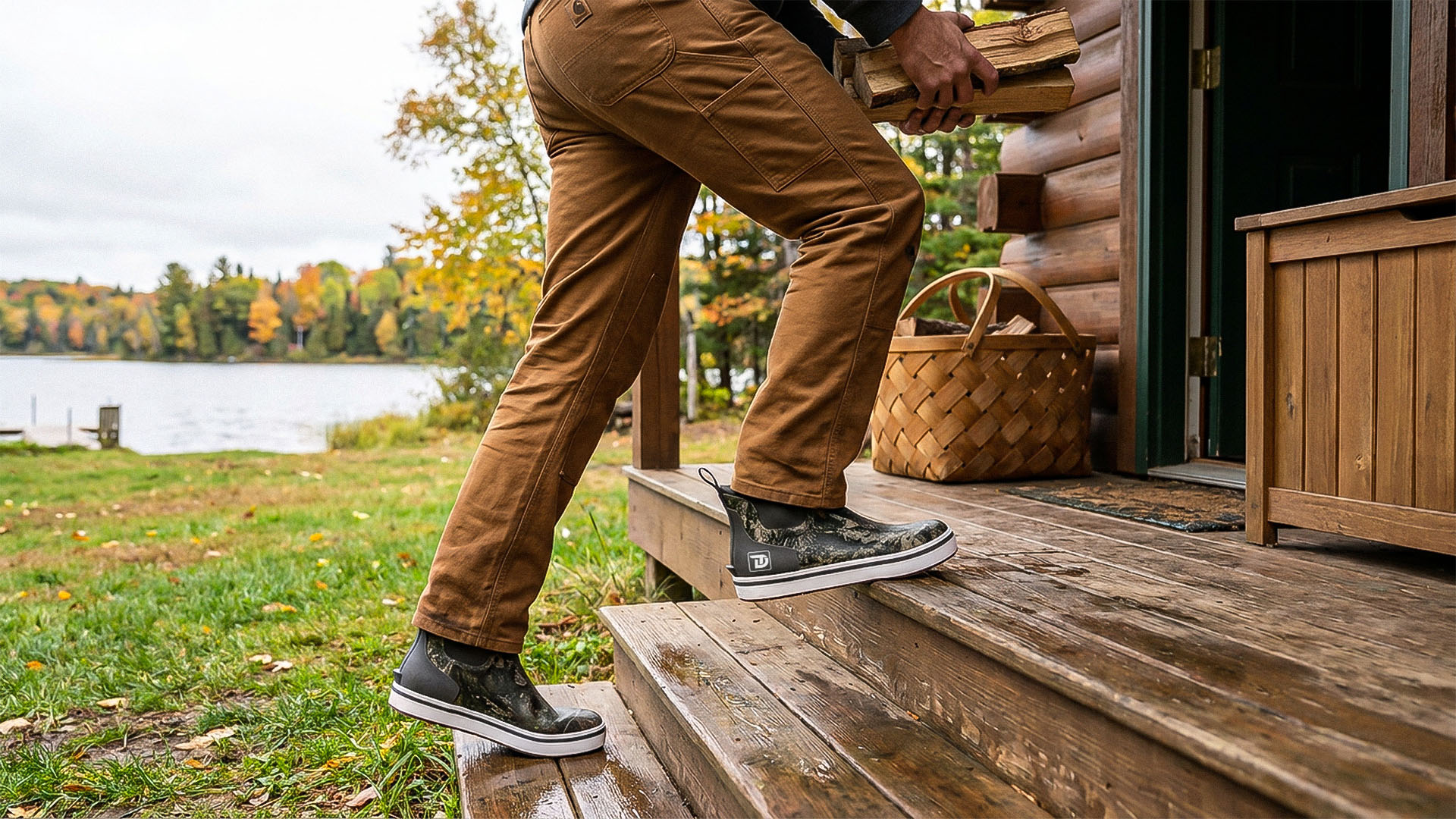
Warsaw grouper fishing represents a very different type of saltwater fishing from casting for inshore species or working shallow reefs.
Deep water, heavy bottom tackle, substantial sinkers, large hooks, long offshore runs, strong fish, and wet working decks can all be part of the experience.
For anglers preparing for this type of trip, footwear may not seem as important as rods, reels, leaders, bait, and electronics.
But once you spend hours standing on a moving offshore deck, managing heavy rigs, handling bait, moving around fish boxes, and dealing with repeated washdowns, the value of the right footwear becomes much clearer.
The best deck boots for Warsaw grouper fishing should provide:
- Waterproof protection
- Stable wet-deck traction
- Secure heel fit
- All-day cushioning
- Easy cleanup
- Enough mobility for heavy tackle work
- Comfortable performance during long offshore runs
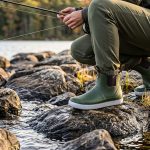
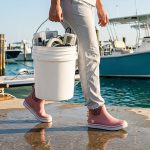
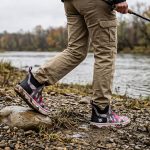
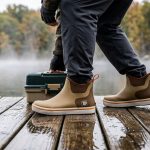
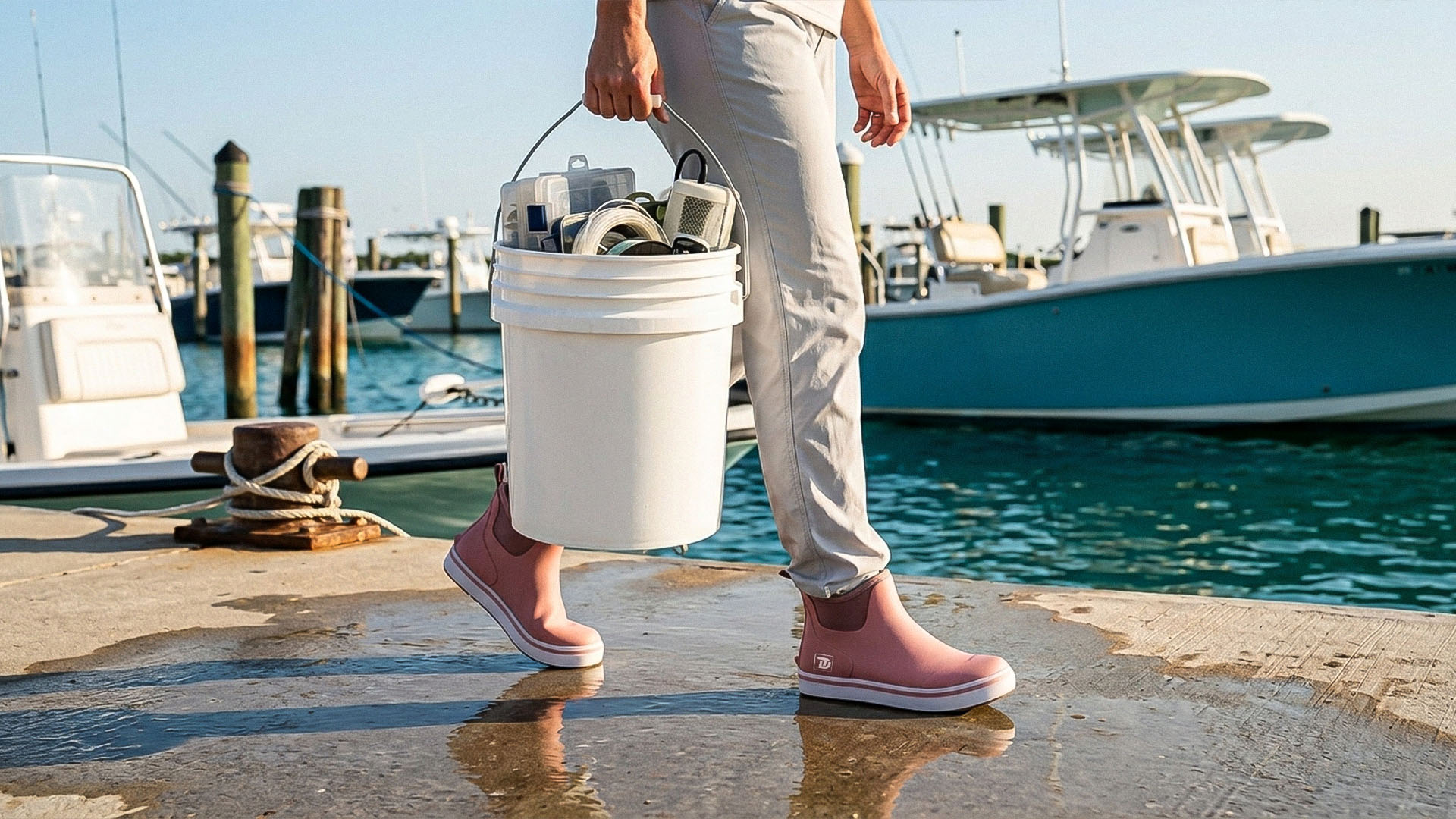
For many recreational anglers, waterproof ankle or mid-height deck boots offer a practical combination of comfort and marine protection.
Anglers comparing footwear can evaluate waterproof deck boots for deep drop fishing alongside other options based on fit, outsole design, cushioning, boot height, removable insoles, and expected offshore conditions.
Why Warsaw Grouper Fishing Creates Unique Footwear Demands
Warsaw grouper fishing can involve much heavier equipment than ordinary reef fishing.
A typical setup may include:
- Heavy rods
- Large conventional reels
- Strong braided line
- Heavy leaders
- Large hooks
- Deep-drop sinkers
- Large natural baits
All of this equipment must be managed while standing on a boat that may be moving continuously.
The angler’s lower body becomes part of the fishing system.
Stable footwear helps support:
- Balance
- Bracing
- Controlled movement
- Long periods of standing
- Safe repositioning
Deepwater Fishing Changes Everything
Deep-drop fishing creates a slower but more physically repetitive fishing rhythm.
Instead of casting repeatedly, anglers may spend significant time:
- Preparing a heavy rig.
- Lowering it through deep water.
- Monitoring bottom contact.
- Adjusting for current.
- Waiting for a bite.
- Reeling from depth.
- Handling fish or rebaiting.
- Resetting everything.
Each individual movement may seem simple.
Over many hours, the cumulative fatigue becomes significant.
Why Waterproof Deck Boots Make Sense Offshore
A deepwater fishing deck may become wet from:
- Saltwater spray
- Bait containers
- Fish slime
- Blood
- Ice melt
- Rain
- Livewell water
- Washdowns
Fabric shoes can absorb this moisture.
Once saturated, they may stay wet for most of the trip.
Waterproof deck boots are easier to:
- Rinse
- Dry
- Clean
- Maintain
and help keep socks protected during routine wet-deck conditions.
Long Offshore Runs
Warsaw grouper trips may involve substantial travel before fishing begins.
Long runs can expose anglers to:
- Wind
- Spray
- Boat vibration
- Early-morning temperatures
- Rough water
Footwear needs to remain comfortable even when you are not actively fishing.
A boot that feels heavy or loose at the dock may become irritating several hours later.
Stable Cushioning for Offshore Fishing
Deep-drop anglers often stand for long periods.
Hard marine decks can create pressure around the:
- Heel
- Arch
- Forefoot
- Knees
- Lower back
Look for footwear with cushioning that feels supportive rather than excessively soft.
Very soft foam may compress unpredictably when the boat rolls.
Moderately firm cushioning can provide a more stable platform.
Secure Heel Fit
Heel movement matters more offshore than many anglers expect.
A loose boot may cause:
- Heel rubbing
- Blisters
- Toe gripping
- Reduced balance
- Excessive foot movement
The boot should move naturally with the foot.
Toe Room
At the same time, the front of the boot should not be excessively tight.
Feet may swell during long fishing days.
Allow enough space for:
- Natural toe movement
- Fishing socks
- Extended standing
A comfortable fit at the beginning of the day usually matters even more later.
Flexible Forefoot
Heavy tackle fishing still requires frequent movement.
A flexible forefoot helps during:
- Squatting
- Rigging
- Bracing
- Turning
- Side stepping
- Fish handling
A boot that is too rigid may make repetitive movement tiring.
Heavy Deep-Drop Sinkers
One of the biggest differences between shallow fishing and deep-drop fishing is sinker weight.
Deep water and current may require substantial terminal weight.
This creates an important footwear limitation.
Ordinary recreational deck boots are not impact-rated safety footwear.
A dropped heavy sinker may still cause serious injury.
Keep Heavy Sinkers Off the Walking Deck
The best prevention is organization.
Store sinkers inside:
- Dedicated trays
- Buckets
- Tackle compartments
- Weight bins
Do not leave them loose where boat movement can send them rolling across the cockpit.
Rolling Weights Are a Major Deck Hazard
A heavy sinker moving across the deck creates both:
- A trip hazard
- An impact hazard
Boot thickness should never be treated as a substitute for proper tackle storage.
Large Hooks
Warsaw grouper rigs may use substantial hooks.
These hooks can penetrate ordinary footwear.
Deck boots are not hook-proof.
Keep hooks:
- Covered when possible
- Controlled while rigging
- Stored when not in use
- Away from primary walking areas
Heavy Leaders
Large grouper fishing may involve strong leader material.
Leader can become difficult to see when lying across a wet deck.
Keep excess leader:
- Coiled
- Organized
- Clear of walkways
Deck boots cannot prevent line or leader entanglement.
Natural Bait
Large natural baits can create significant deck mess.
Bait preparation may leave:
- Fish oil
- Blood
- Scales
- Slime
- Small fragments
around the rigging area.
This is another reason easy-clean waterproof footwear is useful.
Bait Oil and Traction
Fish oil can significantly reduce traction.
It may contaminate:
- Fiberglass
- Painted decks
- Aluminum
- EVA flooring
- Boot tread
Even a good marine outsole can become slippery if coated with oil.
Cleaning Bait Oil From Deck Boots
If bait residue reaches your boots:
- Rinse with fresh water.
- Apply mild soap to oily areas.
- Brush the outsole grooves.
- Rinse thoroughly.
- Allow the boots to dry with ventilation.
Keep Bait Preparation Localized
Whenever possible, prepare bait in one designated area.
This prevents fish oil and organic residue from spreading across the entire cockpit.
Bait Knives
Heavy bottom fishing often involves cutting or preparing bait.
Sharp knives should remain:
- Sheathed
- Secured
- Away from walking paths
Recreational deck boots are not cut-resistant safety footwear.
Manual Deep-Drop Reels
Anglers using conventional manual reels may spend significant time retrieving heavy tackle from depth.
Repeated cranking can fatigue the entire body.
The angler may brace through:
- Legs
- Core
- Back
- Feet
Stable footwear helps provide a consistent base.
Electric Reel Fishing
Electric reels can reduce some of the repetitive retrieval effort.
However, they do not eliminate deck hazards.
Electric-reel fishing may still involve:
- Heavy sinkers
- Large hooks
- Natural bait
- Wet decks
- Fish slime
- Large fish
- Power cables
Good footwear still matters.
Cable Management
Powered equipment should be arranged so cables and connections do not cross primary walking paths.
Follow the reel and boat equipment manufacturer’s instructions.
Avoid allowing cords to become another trip hazard.
Rod Stations and Cockpit Movement
A deep-drop angler may repeatedly move between:
- Rod holder
- Bait station
- Electronics
- Fish box
- Helm
- Rigging area
A low-profile waterproof boot makes these short transitions easier.
Fishing Over Deep Ledges
Deep structure may include:
- Ledges
- Drop-offs
- Rocky transitions
- Wrecks
- Hard bottom
Accurate boat positioning matters.
Current and wind may constantly change the line angle.
Drift and Line-Angle Adjustments
Anglers may need to move around the cockpit to maintain a clean line angle.
That can involve:
- Side stepping
- Moving toward the stern
- Clearing another line
- Shifting around rod holders
Secure footwear helps during these adjustments.
Fighting a Warsaw Grouper
Large grouper fishing can put substantial pressure through the angler’s body.
A hooked fish may stay deep and pull hard.
The angler may need to:
- Brace
- Maintain drag pressure
- Reel steadily
- Shift stance
- Follow line angle
A stable outsole and secure heel help maintain control.
Heavy Drag and Lower-Body Stability
Heavy drag transfers force through the:
- Arms
- Shoulders
- Back
- Core
- Legs
The feet provide the foundation.
Footwear should feel stable rather than loose or excessively soft.
Reeling From Deep Water
Even after the hardest part of the fight is over, bringing a fish upward from depth may take time.
Long retrievals can create fatigue.
Comfortable footwear removes one unnecessary source of discomfort.
Boat Roll During a Fish Fight
Offshore swell may cause the boat to roll while the angler is under pressure.
This creates constant balance corrections.
Secure-fitting deck boots can help the foot remain connected to the footwear during these movements.
Multiple Anglers
Deep-drop charter trips may have several anglers working heavy rigs simultaneously.
A crowded deck increases the importance of organization.
Keep walkways clear of:
- Buckets
- Tackle bags
- Coolers
- Spare rods
- Heavy sinkers
- Loose leaders
Good footwear cannot compensate for a cluttered deck.
Fish Approaching the Boat
Landing a large grouper may introduce additional activity around the cockpit.
There may be:
- Heavy leader
- Large hooks
- Nets
- Other landing tools
- Moving fish
- Water on the deck
Keep unnecessary people out of the landing area.
Never Use Your Boot to Control a Large Fish
A freshly landed grouper may continue moving strongly.
Do not try to pin or restrain it with your foot.
Deck boots are not fish-handling safety equipment.
Fish Fins and Spines
Large fish may have fins or spines capable of causing injury.
Ordinary recreational boots should not be treated as puncture-resistant protection.
Hooks May Still Be Attached
A landed fish may still have:
- Hooks
- Heavy leader
- Sinkers
- Other rigging components
Control the tackle before moving close to the fish.
Grouper Slime and Wet Decks
Fish slime can quickly make a working area slippery.
Rinse landing zones as soon as practical.
Slime may reduce traction on both:
- Deck surfaces
- Outsole tread
Fish Blood
Retained fish may create blood around the deck and fish boxes.
Waterproof boots make cleanup easier.
Rinse contaminated areas promptly.
Large Fish Boxes
Deep-drop trips may use substantial fish-storage systems.
Areas around fish boxes may contain:
- Ice
- Meltwater
- Fish slime
- Blood
Waterproof footwear is particularly practical in these zones.
Ice Slurry
Ice slurry can make the deck extremely wet.
Move carefully and keep the area around fish storage organized.
Wet Fiberglass
Fiberglass may become slippery when contaminated with:
- Fish oil
- Slime
- Blood
- Sunscreen
- Soap
- Saltwater
Look for an outsole with:
- Broad deck contact
- Water-channeling tread
- Flexible rubber
- Stable heel geometry
No recreational footwear guarantees traction on every contaminated surface.
Aluminum Decks
Wet aluminum may become slippery.
Keep tread clear of:
- Fish oil
- Mud
- Sand
- Slime
Painted Working Decks
Painted marine surfaces may become slick during:
- Washdowns
- Bait preparation
- Fish handling
Routine deck cleaning is essential.
EVA Deck Flooring
Many modern offshore boats use EVA-style flooring.
Inspect tread before boarding.
Remove:
- Sand
- Gravel
- Shell fragments
that could damage softer deck materials.
Frequent Washdowns
Heavy offshore fishing may require repeated cleaning throughout the day.
Deck boots work well because they can be rinsed alongside the boat.
Rough Sea Conditions
Deepwater fishing may expose anglers to:
- Long-period swell
- Wind chop
- Boat wake
- Spray
Footwear should fit securely enough that the foot does not move independently inside the boot.
Use Available Handholds
No outsole replaces good boat movement.
During rough conditions:
- Move deliberately
- Keep knees slightly bent
- Use handholds
- Avoid unnecessary walking
Warm Offshore Conditions
Heavy insulated boots may be uncomfortable in warm offshore weather.
For many trips, lightweight uninsulated deck boots are more practical.
Cooler Runs Offshore
Even warm-water destinations may feel cooler during:
- Early morning
- High-speed boat runs
- Wind
- Rain
- Heavy spray
Sock choice can help adapt footwear to changing conditions.
Best Socks for Warsaw Grouper Fishing
Choose moisture-wicking socks made from:
- Synthetic fibers
- Merino wool
- Merino-synthetic blends
Avoid cotton when possible.
Cotton absorbs moisture and dries slowly.
Bring Spare Socks
A dry backup pair is useful if water enters over the boot opening.
Store them inside a waterproof bag.
Ankle vs. Mid-Height Deck Boots
Ankle Deck Boots
Best for:
- Warm weather
- Maximum mobility
- Moderate spray
- Long fishing days
Mid-Height Deck Boots
Better for:
- Heavy spray
- Frequent washdowns
- Rain
- Wetter offshore boats
Rain Pants and Deck Boots
Keep waterproof pant cuffs outside the boot opening.
This helps water flow down the exterior rather than into the boot.
Marina Preparation
Many offshore trips begin before sunrise.
Marina docks may already be wet from:
- Dew
- Rain
- Boat cleaning
- Saltwater
Deck boots can keep feet dry before departure.
Boat Ramp Conditions
Private boaters may encounter:
- Wet concrete
- Sand
- Mud
- Gravel
Waterproof deck boots are useful around launches.
Clean Mud Before Boarding
Mud-packed tread can reduce traction on smooth marine decks.
Rinse heavy mud from the outsole before boarding.
Ramp Algae
Submerged boat ramps may be extremely slippery.
No ordinary recreational deck boot guarantees traction on algae-covered concrete.
Move carefully and use available handholds.
Charter Warsaw Grouper Fishing
Before a charter trip, consider asking:
- What footwear does the captain recommend?
- Are non-marking soles required?
- Will we use heavy deep-drop sinkers?
- Will electric reels be used?
- How long is the offshore run?
- How wet does the deck typically become?
Always follow vessel-specific instructions.
Private Boat Warsaw Grouper Fishing
Private-boat anglers may move frequently between:
- Electronics
- Helm
- Bait station
- Rod holders
- Fish boxes
- Rigging stations
Lightweight waterproof footwear works well across these areas.
Non-Marking Soles
Some vessels require or prefer non-marking footwear.
Check before boarding.
Remember that non-marking construction and wet-deck traction are separate characteristics.
Deck Boots vs. Fishing Shoes
Deck Boots Are Better For:
- Heavy bait use
- Offshore spray
- Repeated washdowns
- Fish slime
- Blood
- Wet working decks
Fishing Shoes Are Better For:
- Very hot dry conditions
- Maximum ventilation
- Long dry walking
Deck Boots vs. Sneakers
Sneakers may absorb:
- Spray
- Bait water
- Blood
- Slime
- Washdown water
Once saturated, they may remain uncomfortable for much of the trip.
Deck boots are much easier to rinse.
Deck Boots vs. Flip-Flops
Flip-flops are poorly suited to Warsaw grouper fishing around:
- Large hooks
- Heavy sinkers
- Heavy leader
- Landing equipment
- Wet decks
They also provide very little heel security.
Deck Boots vs. Tall Rubber Boots
Tall rubber boots provide more water coverage but may add:
- Heat
- Weight
- Bulk
For recreational offshore fishing, ankle or mid-height deck boots often provide a better balance.
Deck Boots vs. Safety Boots
Recreational deck boots prioritize:
- Waterproofing
- Comfort
- Mobility
- Easy cleaning
Certified safety footwear may be more appropriate in industrial or commercial environments requiring:
- Impact protection
- Safety toes
- Puncture resistance
Do not assume recreational deck boots meet workplace safety standards.
Cleaning Warsaw Grouper Fishing Boots
After the trip:
- Rinse the boots with fresh water.
- Remove visible bait and fish residue.
- Use mild soap on oily areas.
- Brush the outsole grooves.
- Rinse thoroughly.
- Remove the insoles.
- Allow everything to dry completely.
Saltwater Care
Freshwater rinsing helps remove salt from:
- Upper material
- Tread
- Pull tabs
- Collar areas
Routine cleaning can help keep fishing footwear more comfortable between trips.
Odor Prevention
Heavy offshore fishing can expose boots to:
- Bait
- Fish slime
- Blood
- Sweat
- Damp storage
Reduce odor by:
- Cleaning promptly
- Removing insoles
- Drying thoroughly
- Storing boots with ventilation
Best Deck Boot Features for Warsaw Grouper Fishing
Look for:
Waterproof Construction
Useful around offshore spray, bait, fish boxes, and washdowns.
Stable Marine Outsole
Important on wet fiberglass, aluminum, and painted working decks.
Secure Heel Fit
Helps during heavy tackle handling and offshore boat movement.
Stable Cushioning
Important during long periods standing at deep-drop stations.
Flexible Forefoot
Useful during rigging and cockpit movement.
Removable Insoles
Helpful for drying and support adjustment.
Easy-Clean Exterior
Especially useful around fish oil, bait, blood, and grouper slime.
Moderate Boot Weight
Heavy footwear can add unnecessary fatigue during long offshore days.
Warsaw Grouper Fishing Footwear Checklist
Before fishing:
- Check offshore weather
- Inspect outsole tread
- Confirm boots are dry
- Wear moisture-wicking socks
- Pack spare socks
- Secure heavy sinkers
- Store large hooks safely
- Organize deep-drop rigs
- Prepare bait
- Secure knives
- Keep walkways clear
- Check vessel footwear rules
During fishing:
- Keep sinkers away from feet
- Keep large hooks controlled
- Clean bait-oil spills
- Keep heavy leader away from ankles
- Manage electric-reel cables
- Maintain clear landing space
- Avoid standing near an uncontrolled fish
- Never use your foot to restrain a grouper
After fishing:
- Rinse saltwater
- Remove bait residue
- Clean fish oil
- Remove fish slime
- Rinse blood
- Brush tread
- Remove insoles
- Dry everything completely
Common Warsaw Grouper Fishing Footwear Mistakes
Wearing Open Footwear Around Heavy Tackle
Flip-flops and loose sandals provide poor heel stability around large hooks and weights.
Assuming a Deck Boot Is Impact Protection
Recreational deck boots are not designed to protect against heavy dropped sinkers.
Assuming Waterproof Means Hook-Proof
Large hooks may penetrate ordinary waterproof materials.
Buying Boots Too Loose
Loose boots reduce stability during rough-water movement and heavy fish fights.
Wearing Excessively Heavy Boots
Extra footwear weight can increase fatigue over a long offshore day.
Ignoring Fish Oil
Fish oil may dramatically reduce traction.
Leaving Heavy Leader Across the Deck
Footwear cannot prevent entanglement.
Leaving Sinkers Loose
Heavy weights rolling across the cockpit create serious hazards.
Allowing Cables Across Walkways
Deep-drop equipment should not create unnecessary trip hazards.
Using a Boot to Control a Fish
Deck boots are not bite-resistant, puncture-resistant, or fish-restraint equipment.
Final Thoughts
Warsaw grouper fishing combines deep water, heavy rigs, large hooks, substantial sinkers, long leaders, natural bait, long offshore runs, moving decks, fish slime, blood, and repeated deep-drop work.
For most recreational offshore anglers, waterproof ankle or mid-height deck boots provide a practical balance of dry-foot protection, stable movement, easy cleanup, and all-day comfort.
Choose boots with:
- A stable marine outsole
- Secure heel fit
- Flexible forefoot
- Removable insoles
- Supportive cushioning
- Lightweight waterproof construction
Wear moisture-wicking socks rather than cotton.
Keep large hooks, sinkers, leaders, bait knives, electric-reel equipment, landing tools, and fish-storage areas organized.
The most important hazards in Warsaw grouper fishing often come from the equipment and deck environment rather than the fish itself.
Heavy weights, loose hooks, oily bait, fish slime, heavy leader, and cluttered walkways can all create problems regardless of footwear quality.
Standard recreational deck boots are not hook-proof, impact-rated, puncture-resistant, cut-resistant, or protection against line entanglement.
But when the boat is far offshore, heavy rigs are descending into deep water, spray is moving across the cockpit, and anglers are spending hours managing deep-drop tackle on a wet deck, waterproof deck boots become one of the most practical pieces of everyday fishing equipment onboard.
After the trip, rinse the boots thoroughly with fresh water, clean bait and fish residue from the outsole, remove the insoles, and allow everything to dry completely.
The right Warsaw grouper fishing footwear should require very little attention while you focus on bottom structure, depth, current, bait placement, line angle, and safely managing the next deepwater fish.
Frequently Asked Questions
Are deck boots good for Warsaw grouper fishing?
Yes. Waterproof deck boots are especially practical during deep-drop fishing involving heavy tackle, natural bait, offshore spray, washdowns, and wet working decks.
What boots should I wear for Warsaw grouper fishing?
Waterproof ankle or mid-height deck boots with stable cushioning and secure heel fit are practical for most recreational offshore trips.
Are deck boots good for deep-drop fishing?
Yes. Their waterproof construction and easy-clean design work well around bait, spray, fish slime, and repetitive deepwater fishing.
Are deck boots good around heavy sinkers?
They are useful wet-deck footwear, but ordinary deck boots are not impact-rated protection against dropped heavy weights.
Are deck boots hook-proof?
No. Large fishing hooks may penetrate ordinary recreational deck boots.
Are deck boots good with electric reels?
Yes as wet-deck footwear, but electric-reel cables and other equipment should still be organized safely.
Can fish oil make deck boots slippery?
Yes. Fish and bait oil may reduce traction considerably. Clean contaminated tread promptly.
Can grouper slime reduce traction?
Yes. Fish slime can reduce grip on both footwear and deck surfaces.
What socks are best for deepwater grouper fishing?
Moisture-wicking synthetic or merino-blend socks are generally more practical than cotton.
Do I need insulated deck boots?
Usually not for warm offshore fishing. Weather-appropriate socks can provide additional warmth when necessary.
Are ankle deck boots high enough?
They work well on many moderately wet fishing boats. Mid-height boots may provide more coverage during heavy spray or frequent washdowns.
Are deck boots comfortable for long offshore runs?
They can be if they fit securely and provide supportive cushioning, adequate toe room, and appropriate insoles.
Can deck boots prevent fishing-line entanglement?
No. Loose fishing line and heavy leader must be kept controlled and away from walking areas.
Are deck boots good for charter Warsaw grouper fishing?
Yes. Waterproof closed-toe footwear is practical around heavy rigs, bait, washdowns, fish slime, and wet deck surfaces.
How should Warsaw grouper fishing boots fit?
They should hold the heel securely while leaving enough toe room for long periods of standing and offshore movement.
How do I clean deck boots after deep-drop fishing?
Rinse them with fresh water, clean oily residue with mild soap, brush the tread, remove the insoles, and allow the boots to dry completely.
What is the biggest footwear mistake in Warsaw grouper fishing?
Treating ordinary deck boots as protective safety boots around large hooks, extremely heavy weights, and other deep-drop equipment is a major mistake. Their main role is waterproof comfort, traction, and easy cleanup—not certified impact or puncture protection.