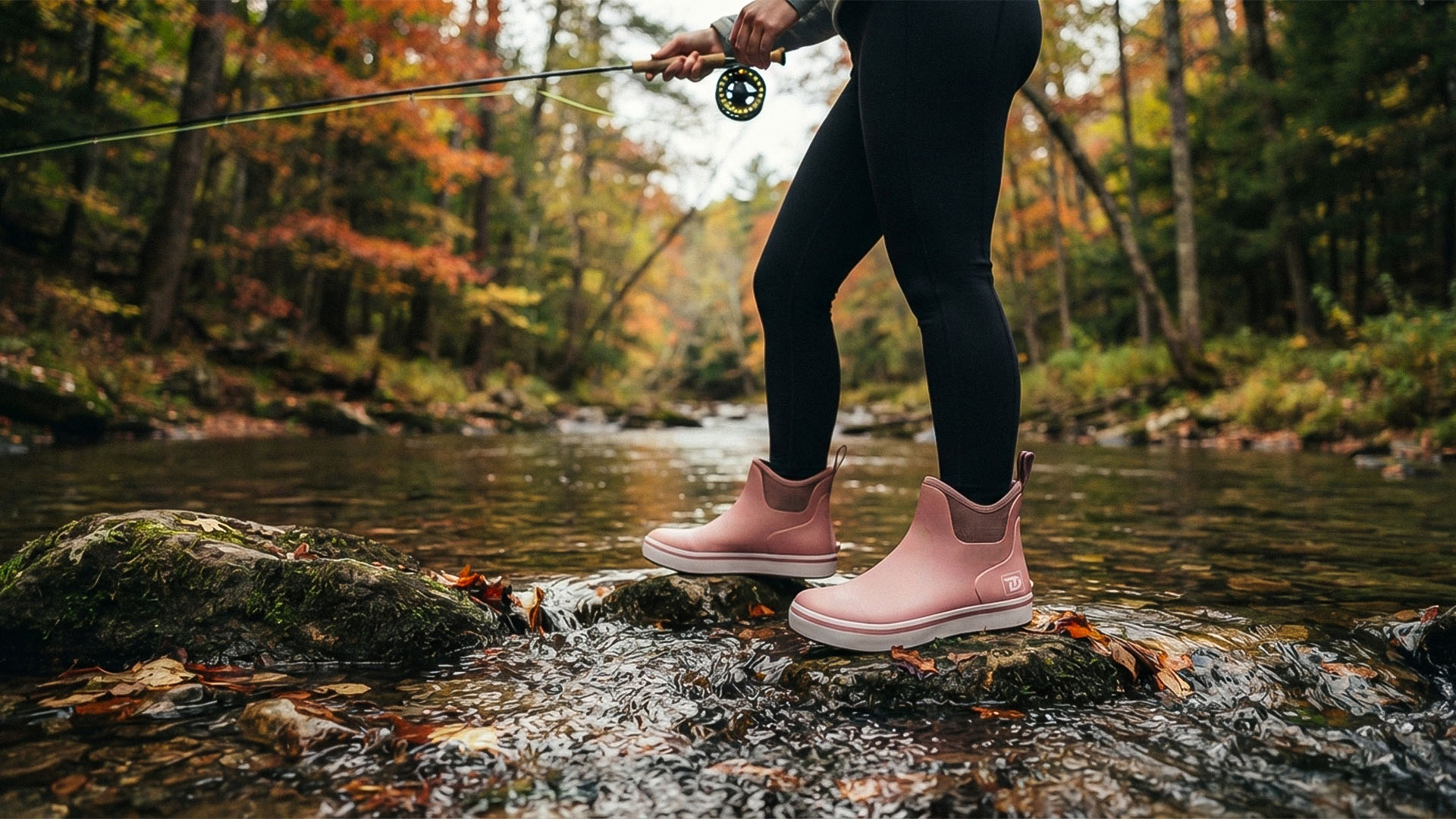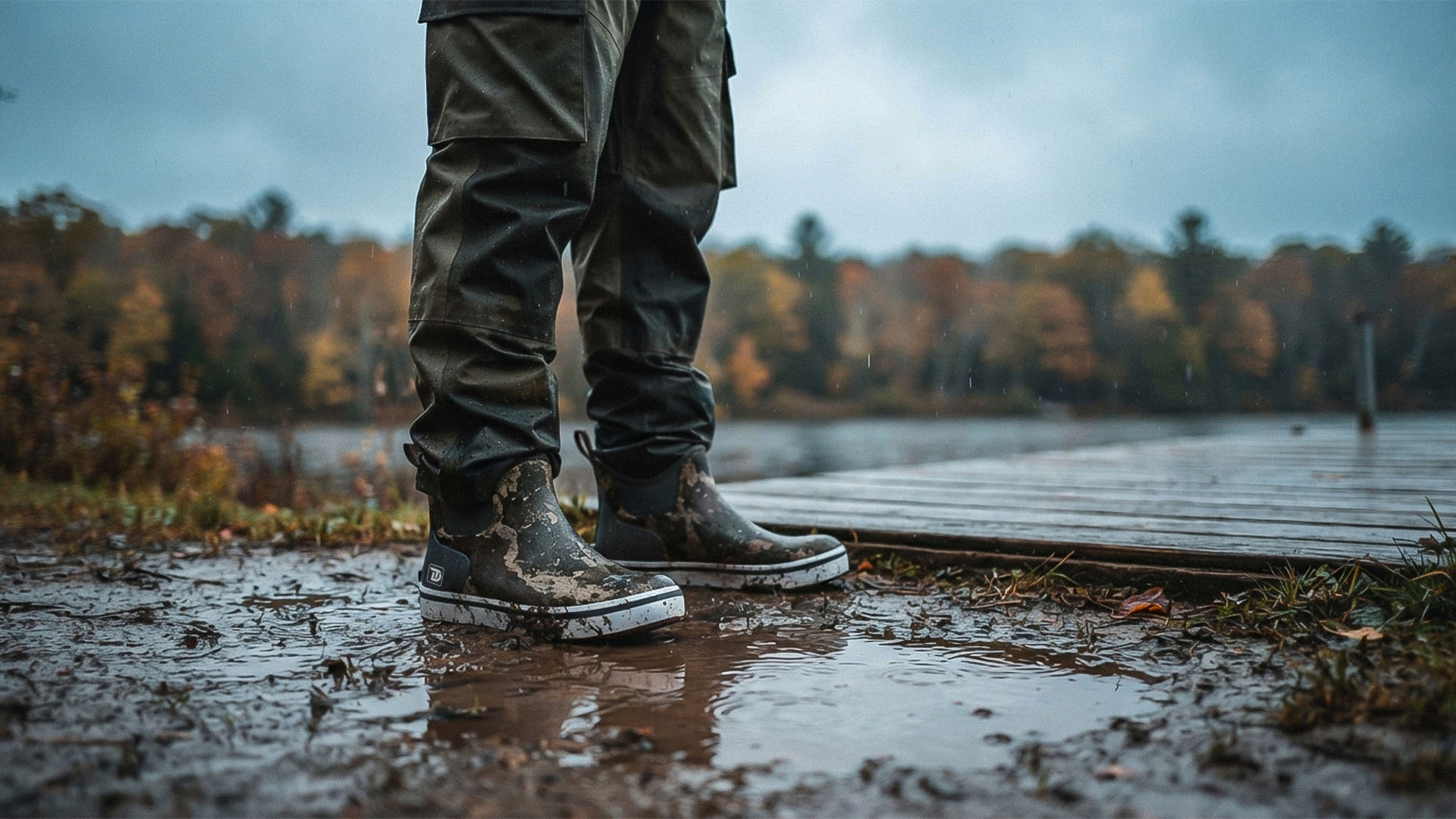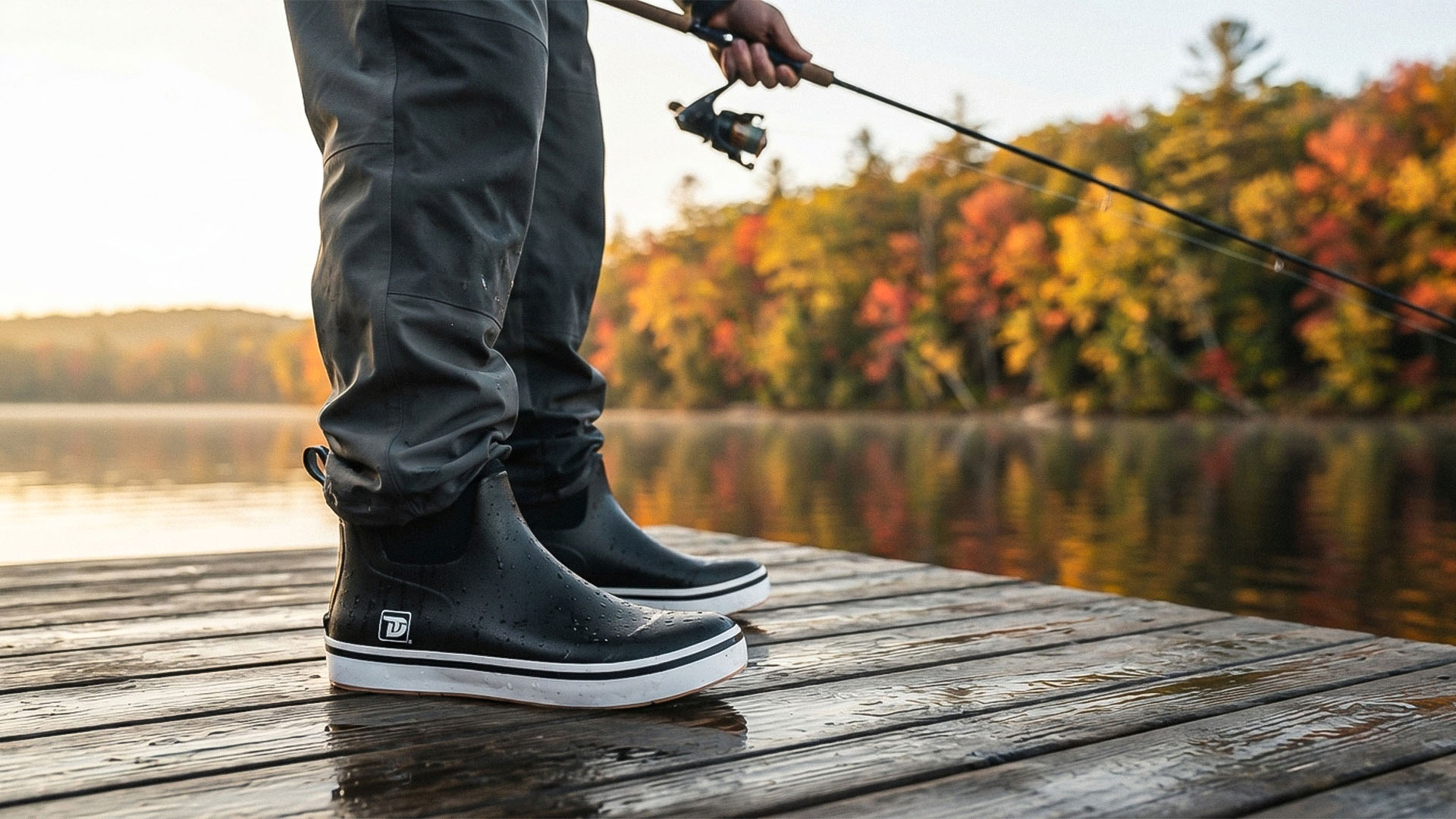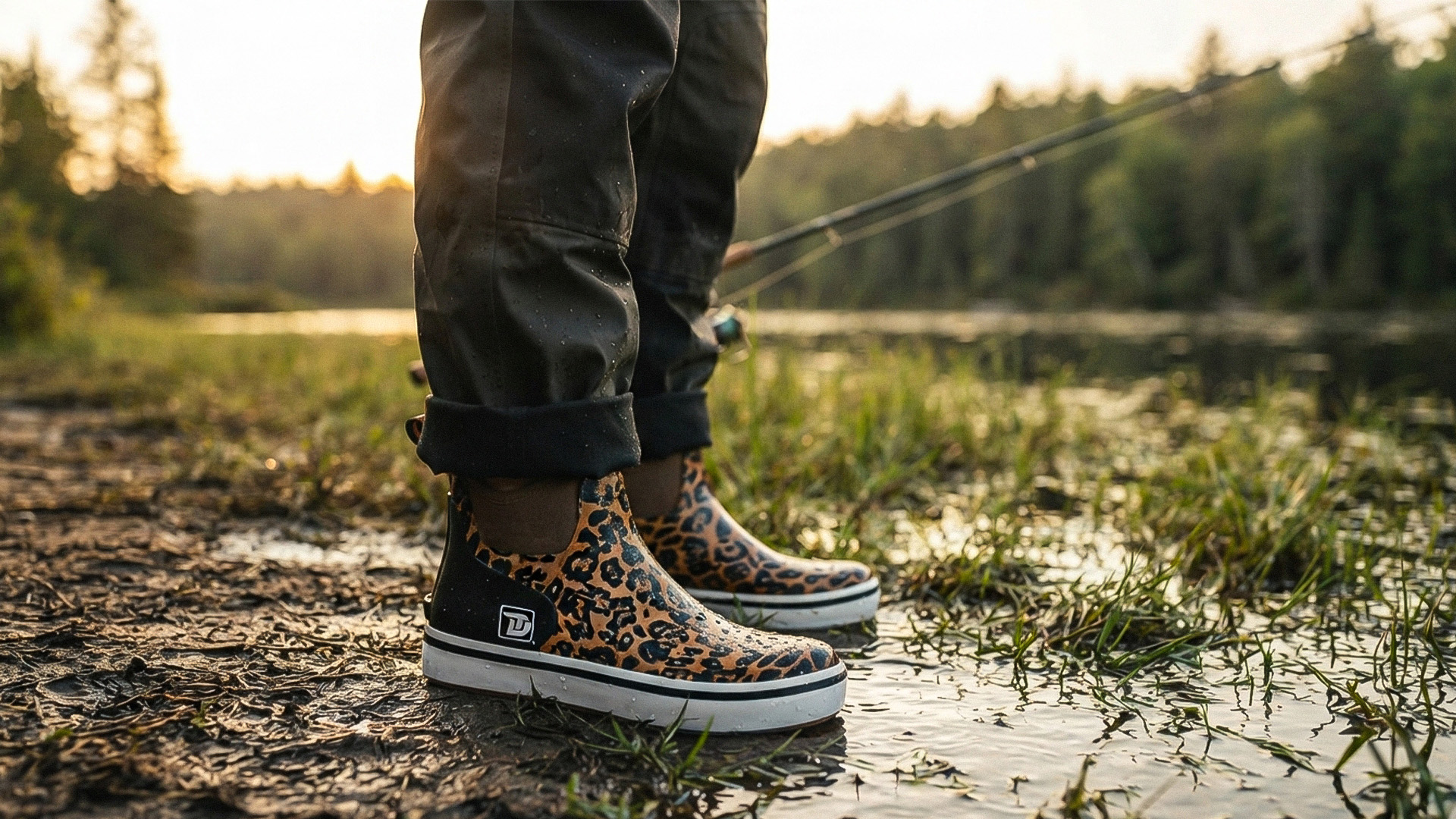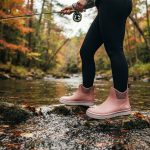
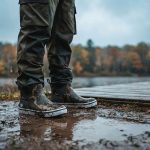
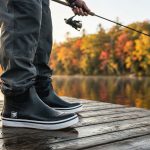
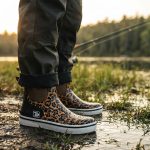
Trout fishing is one of the most popular freshwater fishing activities in North America.
From Montana rivers and Colorado streams to Appalachian creeks and Great Lakes tributaries, trout anglers spend their days in some of the most beautiful but challenging outdoor environments.
Unlike many boat-based fisheries, trout fishing often involves moving between different surfaces:
- Riverbanks
- Wet grass
- Mud
- Rocks
- Wooden docks
- Boats
- Stream edges
Weather can also change quickly.
A trout fishing day may include:
- Morning fog
- Cold water
- Rain
- Wet rocks
- Muddy trails
- Fish slime
- Long periods standing
Choosing the right footwear depends on how you fish.
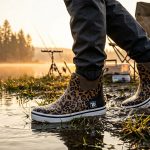
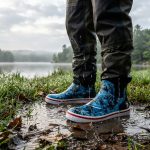
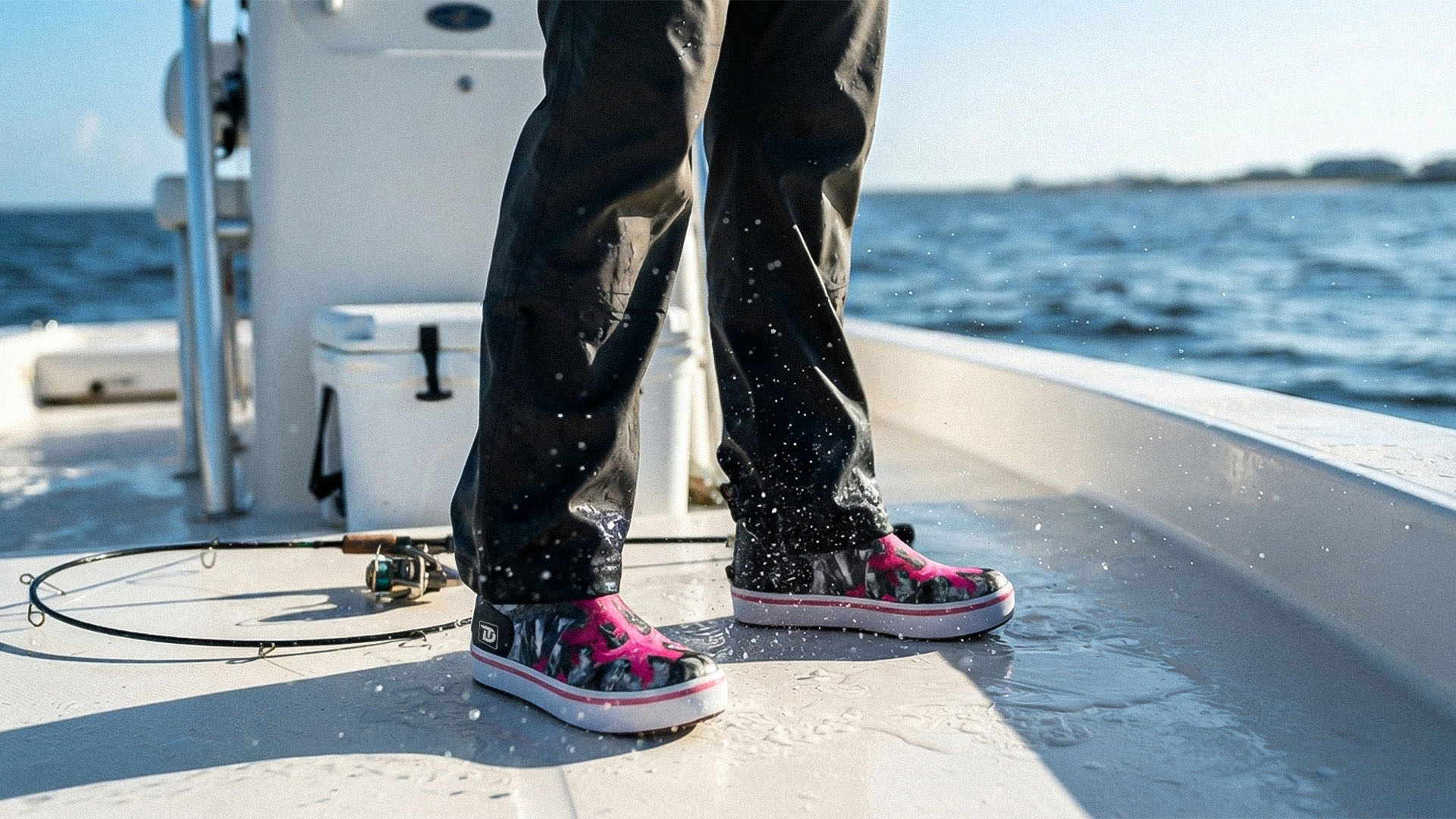
For anglers fishing from boats, docks, and wet shore areas, waterproof deck boots provide excellent protection from moisture and changing weather.
For anglers walking directly in rivers, specialized wading boots are usually the better option.
This guide explains how to choose deck boots for trout fishing, where they work best, how fly fishing changes footwear needs, and when other footwear types may be more suitable.
Why Trout Fishing Creates Footwear Challenges
Trout fishing often involves staying close to water.
That means footwear is exposed to:
- River spray
- Rain
- Wet vegetation
- Mud
- Fish slime
- Cold surfaces
- Damp rocks
Wet feet can quickly reduce comfort during long fishing sessions.
The right footwear helps maintain warmth, stability, and focus.
Why Deck Boots Work Well for Trout Fishing
Deck boots are useful for trout anglers fishing from:
- Drift boats
- Fishing boats
- Lakes
- Docks
- Shorelines
- Camp areas
They provide:
- Waterproof protection
- Closed-toe coverage
- Easy cleaning
- Wet-surface traction
- Comfortable standing support
They are especially useful during rainy or damp conditions.
Anglers comparing waterproof fishing footwear can evaluate TruDaveGear deck boots alongside other options based on fit, traction, cushioning, weight, and intended fishing environment.
Fly Fishing and Footwear Needs
Fly fishing requires balance and patience.
Anglers may spend hours:
- Standing
- Casting
- Watching currents
- Moving slowly
- Changing positions
Comfort becomes extremely important.
A good fishing boot should not create fatigue during long sessions.
Riverbank Trout Fishing
Many trout anglers fish from shore.
Riverbanks may include:
- Mud
- Grass
- Leaves
- Uneven ground
- Wet soil
Deck boots can work well for casual shoreline fishing.
For difficult terrain or long hikes, hiking-style footwear may provide better support.
Stream Fishing Conditions
Small streams often involve:
- Narrow paths
- Wet vegetation
- Slippery edges
Footwear should provide confidence without unnecessary bulk.
Match the boot to the amount of water exposure.
Wading vs. Deck Boots
This is one of the most important differences.
Deck boots are designed for:
- Boats
- Docks
- Wet surfaces
Wading boots are designed for:
- River entry
- Underwater footing
- Rock contact
If you spend most of the day standing in the river, choose wading equipment.
Wet Rocks and River Safety
Wet rocks can be extremely slippery.
Standard deck boots are not designed for technical river crossings.
If walking on submerged rocks, use appropriate wading boots with suitable traction systems.
Always consider water depth and current.
Montana Trout Fishing
Montana is famous for trout fishing.
Anglers encounter:
- Large rivers
- Cold water
- Gravel banks
- Changing weather
Boat anglers and shore anglers have different footwear needs.
Deck boots are useful around boats and wet access points.
Colorado Trout Fishing
Colorado trout streams often involve:
- Rocky terrain
- Mountain weather
- Cold mornings
- Hiking access
For anglers walking long distances, hiking or wading footwear may be preferred.
Deck boots are useful around vehicles, camps, and boats.
Great Smoky Mountains Trout Fishing
Mountain streams create unique conditions:
- Wet rocks
- Forest trails
- Rain
- Uneven surfaces
Choose footwear based on whether you spend more time hiking, wading, or standing near the water.
Lake Trout Fishing
Lake trout fishing often happens from boats.
Boat conditions may include:
- Spray
- Rain
- Wet decks
- Long trolling periods
Deck boots are well suited for this environment.
Drift Boat Trout Fishing
Drift boats create a strong use case for deck boots.
Anglers may deal with:
- Wet floors
- Splash
- Fish slime
- Changing weather
Waterproof footwear keeps feet comfortable throughout the trip.
Rainy Trout Fishing
Rain is common in many trout fisheries.
Wet conditions can create:
- Mud
- Slippery banks
- Damp clothing
Deck boots provide protection against continuous moisture.
Rain Pants and Deck Boots
Keep rain pants outside the boot opening.
This prevents water from running inside.
Even waterproof footwear works best when used correctly.
Cold Water Trout Fishing
Cold water conditions require attention to:
- Waterproofing
- Socks
- Fit
- Circulation
A dry foot is usually easier to keep warm.
Best Socks for Trout Fishing
Recommended materials:
- Merino wool
- Synthetic performance fibers
- Wool blends
Avoid cotton.
Cotton holds moisture and dries slowly.
Thick Socks and Boot Fit
Cold-weather socks require extra space.
Avoid boots that become tight when wearing thicker socks.
Restricted circulation can make feet feel colder.
Fish Handling and Trout Slime
Trout produce slime that protects their skin.
During handling, residue may reach:
- Hands
- Nets
- Boots
Clean footwear after fishing.
Fish slime can reduce traction on wet surfaces.
Catch and Release Fishing
Many trout anglers practice catch and release.
Proper handling matters.
Avoid unnecessary contact with fish and keep equipment organized.
Clean residue from footwear afterward.
Boat Ramp Conditions
Trout anglers using boats often encounter:
- Wet docks
- Mud
- Gravel
- Grass
Deck boots are useful during launching and loading.
Clean debris before entering the boat.
Gravel and Dirt Trails
Small stones can become trapped in boot tread.
Before stepping onto:
- Boat decks
- Camp floors
- Indoor areas
remove dirt and gravel.
Deck Boots vs. Fishing Shoes
Deck Boots Are Better For:
- Wet boats
- Rain
- Docks
- Fish handling
- Cold moisture
Fishing Shoes Are Better For:
- Hot dry weather
- Maximum airflow
- Long walking
Deck Boots vs. Hiking Boots
Hiking boots provide:
- Better trail support
- Better walking comfort
Deck boots provide:
- Better waterproof protection
- Easier cleaning
Choose based on your activity.
Deck Boots vs. Sneakers
Sneakers may absorb:
- Rain
- River spray
- Mud
- Fish water
Deck boots are easier to maintain.
Deck Boots vs. Wading Boots
Wading boots are better for:
- River entry
- Underwater traction
- Technical fishing
Deck boots are better for:
- Boats
- Docks
- Wet surfaces
Kayak Trout Fishing
Kayak trout fishing creates special needs.
Consider:
- Cockpit space
- Boot height
- Flexibility
- Weight
A compact ankle deck boot can work well for many setups.
Removable Insoles
Useful benefits:
- Faster drying
- Better odor control
- Comfort adjustment
Remove insoles after wet trips.
Wide Feet
Look for:
- Comfortable toe box
- Proper width
- Secure heel
Avoid oversized boots.
High Instep
Choose boots with:
- Comfortable opening
- Enough volume
- Easy pull tabs
Avoid pressure points.
Cleaning Trout Fishing Boots
After fishing:
- Rinse dirt.
- Remove slime.
- Clean outsole.
- Remove insoles.
- Dry completely.
Drying Boots
Use airflow.
Avoid:
- High heat
- Clothes dryers
- Open flames
Heat can damage materials.
Odor Prevention
Prevent odor by:
- Cleaning residue
- Drying fully
- Removing insoles
- Avoiding sealed storage
Best Deck Boot Features for Trout Fishing
Look for:
Waterproof Construction
Protects against wet conditions.
Comfortable Fit
Important for long sessions.
Stable Outsole
Useful on wet surfaces.
Lightweight Design
Reduces fatigue.
Removable Insoles
Improve drying.
Easy-Clean Materials
Useful around fish slime.
Appropriate Height
Match your fishing style.
Trout Fishing Footwear Checklist
Before fishing:
- Check weather
- Inspect footwear
- Choose proper socks
- Pack spare socks
- Prepare rain gear
After fishing:
- Rinse boots
- Remove slime
- Clean tread
- Dry completely
Common Trout Fishing Footwear Mistakes
Using Deck Boots for Deep Wading
They are not designed for river walking.
Wearing Cotton Socks
They stay wet.
Choosing Boots Too Tight
Cold conditions require circulation.
Ignoring Wet Rocks
Slippery surfaces require caution.
Leaving Fish Slime on Soles
It reduces traction.
Final Thoughts
Trout fishing takes anglers into some of the most beautiful but demanding outdoor environments.
Cold water, rain, wet rocks, riverbanks, boats, and changing weather all create footwear challenges.
For boat-based trout fishing and wet shoreline conditions, lightweight waterproof deck boots provide an excellent balance of protection, comfort, and easy maintenance.
Choose boots with a secure fit, stable outsole, comfortable cushioning, removable insoles, and enough room for the socks you plan to wear.
Remember that deck boots are not a replacement for specialized wading boots when entering rivers.
Match your footwear to your fishing style.
The best trout fishing footwear should allow you to focus on the current, insects, presentation, and the moment a trout finally takes the fly.
Frequently Asked Questions
Are deck boots good for trout fishing?
Yes, especially for boats, docks, rain, and wet shoreline conditions.
Are deck boots good for fly fishing?
They can work well near boats and shore, but wading anglers usually need specialized footwear.
Can I use deck boots for river fishing?
Only for shoreline fishing and shallow conditions. They are not designed for deep wading.
What boots should I wear for trout fishing?
Choose based on your environment. Deck boots work well around boats and wet surfaces.
Are deck boots warm enough for cold trout fishing?
Warmth depends on socks and insulation. Waterproof protection is essential.
What socks should I wear with trout boots?
Use merino wool or synthetic moisture-wicking socks.
Are deck boots good for Alaska trout fishing?
They are useful around boats and camps, but river access may require wading boots.
How do I clean trout slime from deck boots?
Rinse with fresh water, remove residue, clean tread, remove insoles, and dry fully.
Are deck boots better than sneakers for trout fishing?
Usually yes in wet environments.
Should rain pants go inside deck boots?
No. Keep rain pants outside the boot opening.
What is the biggest trout fishing footwear mistake?
Using footwear that does not match the fishing environment, especially wearing regular shoes in wet conditions or using deck boots for technical wading.