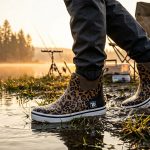
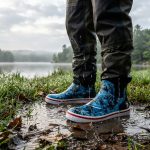
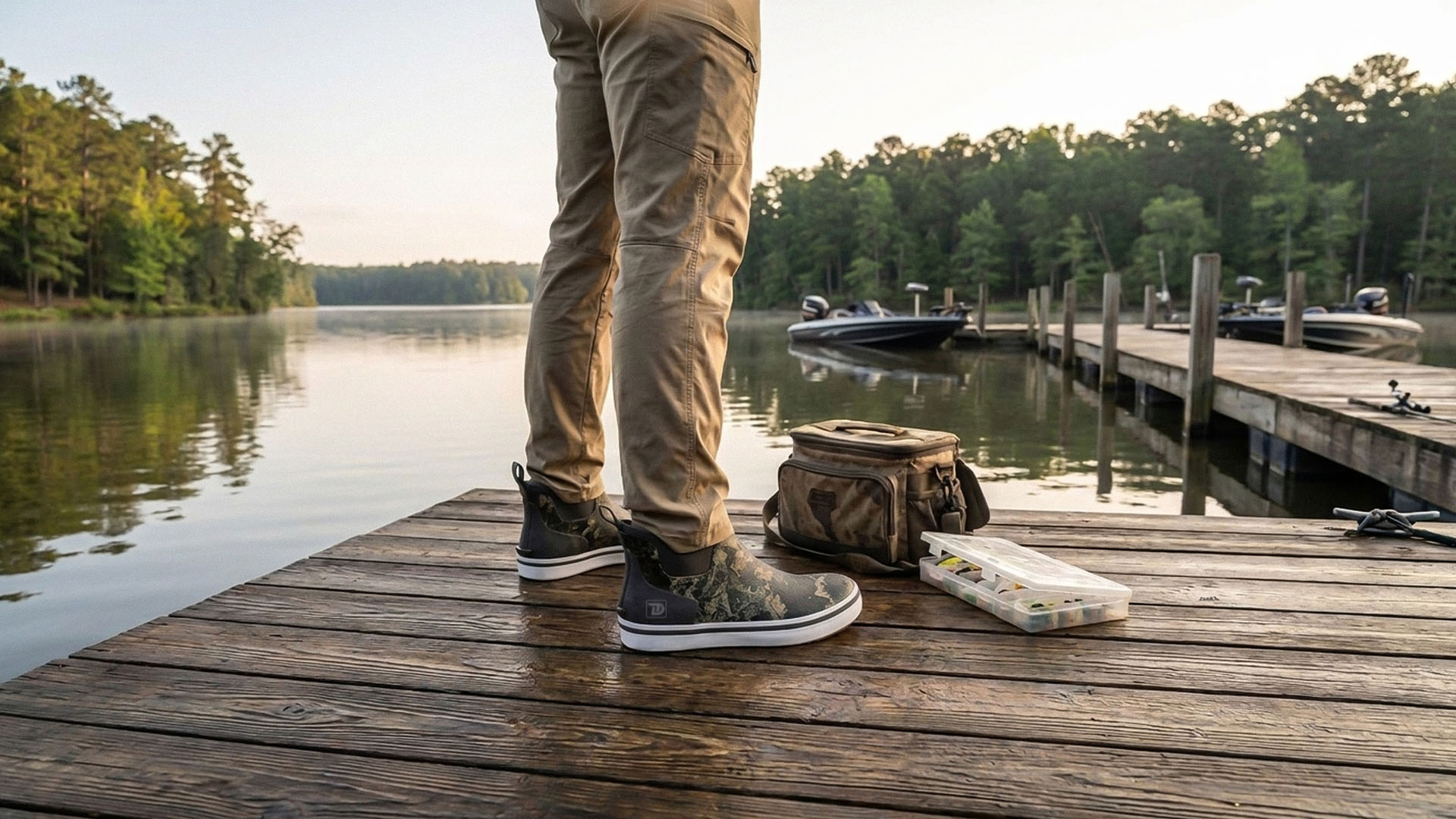
Red snapper fishing can be one of the messiest, hottest, and most physically demanding ways to spend a day offshore.
A typical trip may include an early run to offshore structure, hours of bottom fishing, repeated bait handling, heavy sinkers, wet decks, fish slime, melting ice, and plenty of washdown water before the boat reaches the dock again.
That makes footwear more important than many anglers expect.
The best deck boots for red snapper fishing should be waterproof, easy to clean, stable on wet hard surfaces, comfortable for long periods of standing, and light enough for hot Gulf Coast weather.
For most recreational anglers, that usually means an uninsulated ankle deck boot with a secure heel, marine-focused outsole, removable insole, and enough cushioning for hours of bottom fishing.
This guide explains what to look for in red snapper fishing footwear, why ordinary sneakers and sandals can become a problem, how bait and fish slime affect deck conditions, and how to stay comfortable during long summer trips.
Why Red Snapper Fishing Is Hard on Footwear
Red snapper fishing often combines:
- Hot weather
- Long offshore runs
- Bottom fishing
- Heavy tackle
- Cut bait
- Squid
- Fish slime
- Blood
- Wet fiberglass
- Cooler drainage
- Melting ice
- Rain
- Boat washdowns
The cockpit may stay wet for much of the trip.
Even when the weather is clear, bait water and fish handling can create plenty of moisture.
Regular shoes may become soaked quickly.
Deck boots are designed to handle this kind of environment.
Why Deck Boots Work Well for Red Snapper Fishing
Deck boots provide several advantages:
- Waterproof protection
- Closed-toe coverage
- Easy-clean materials
- Wet-deck traction
- Comfortable standing support
- Better protection from bait and fish residue
- Easier post-trip cleanup
For most Gulf Coast snapper trips, ankle-height deck boots are usually enough.
They give you protection from ordinary deck water without the bulk and heat of tall rubber boots.
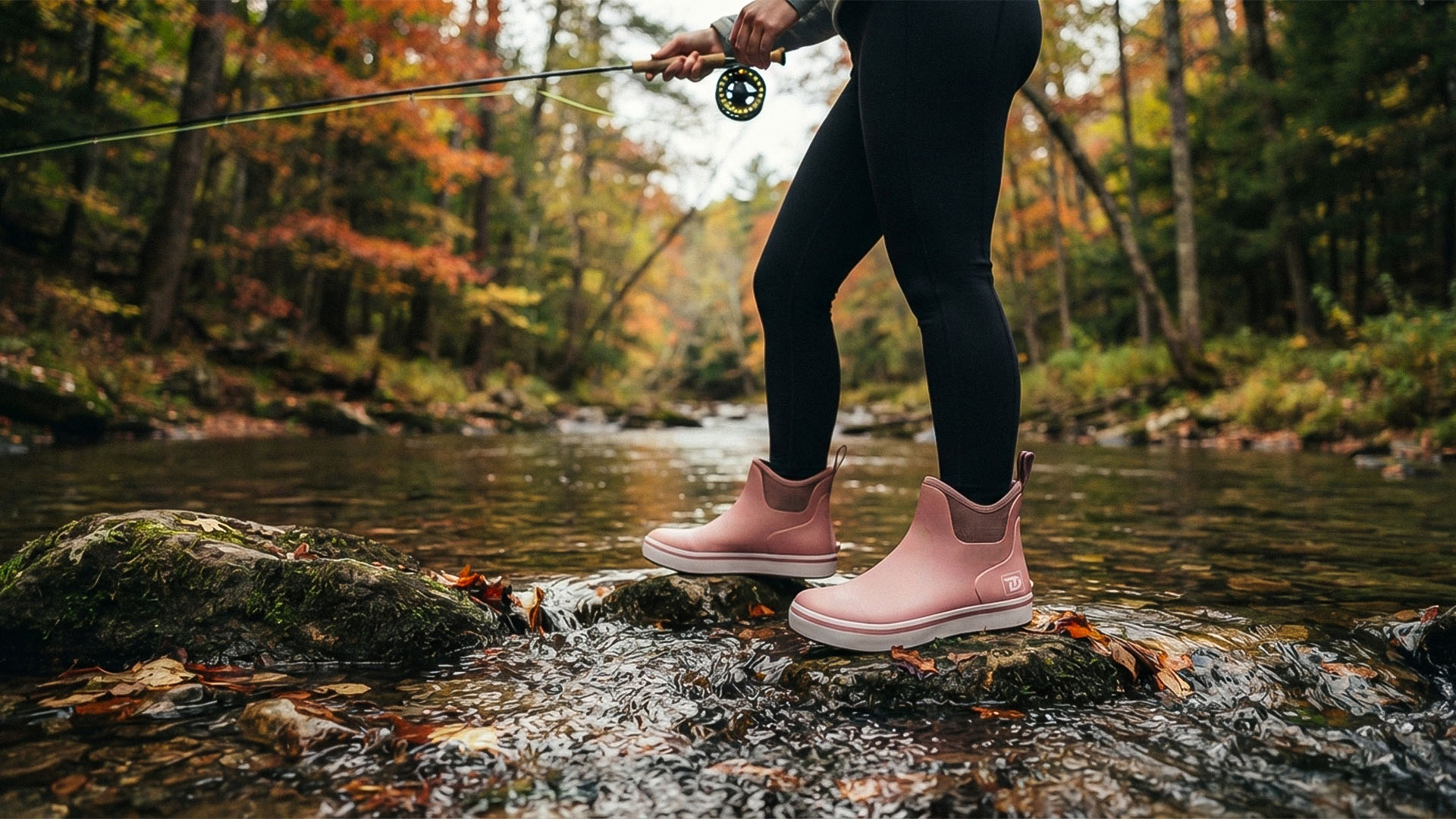
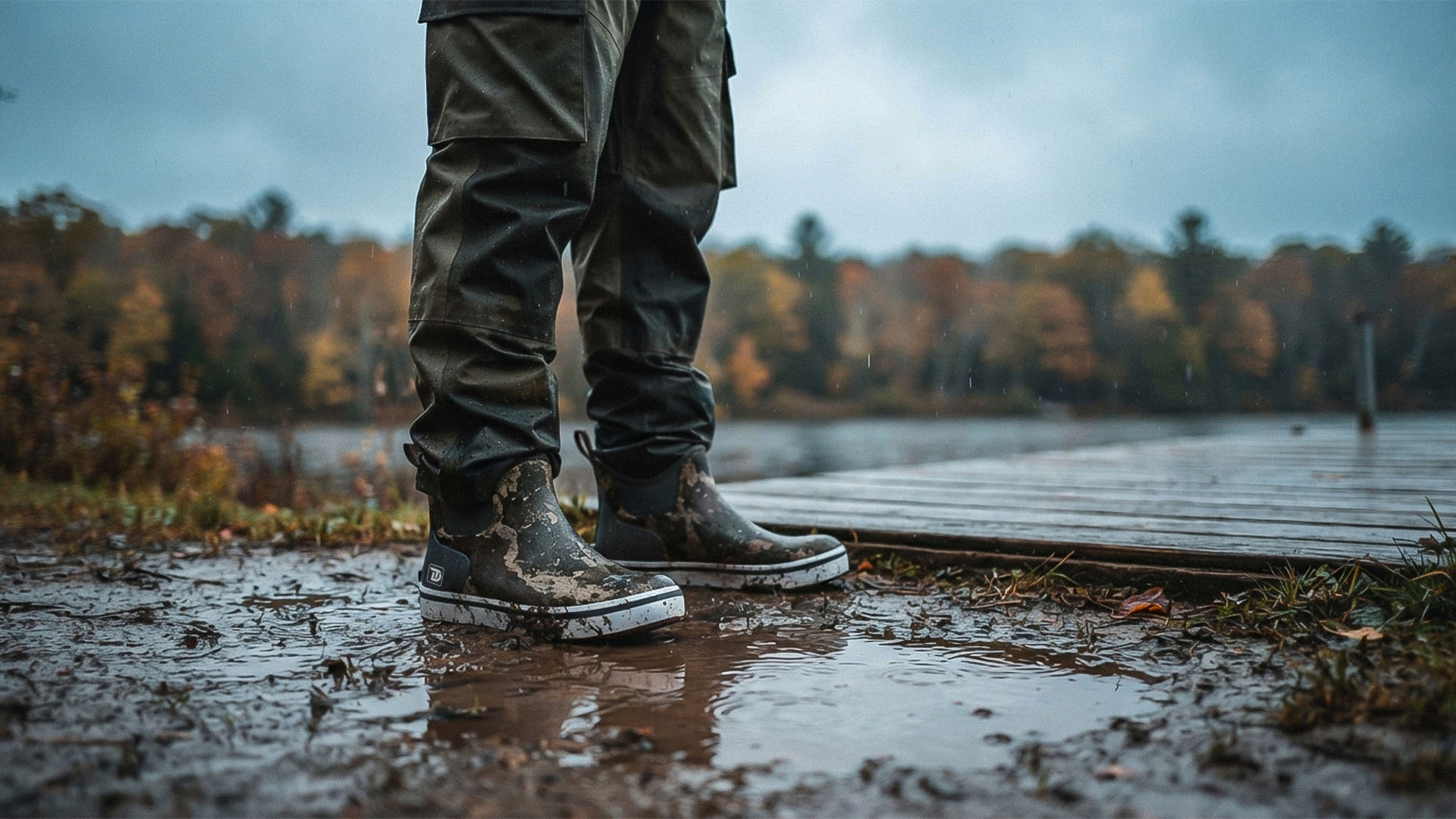
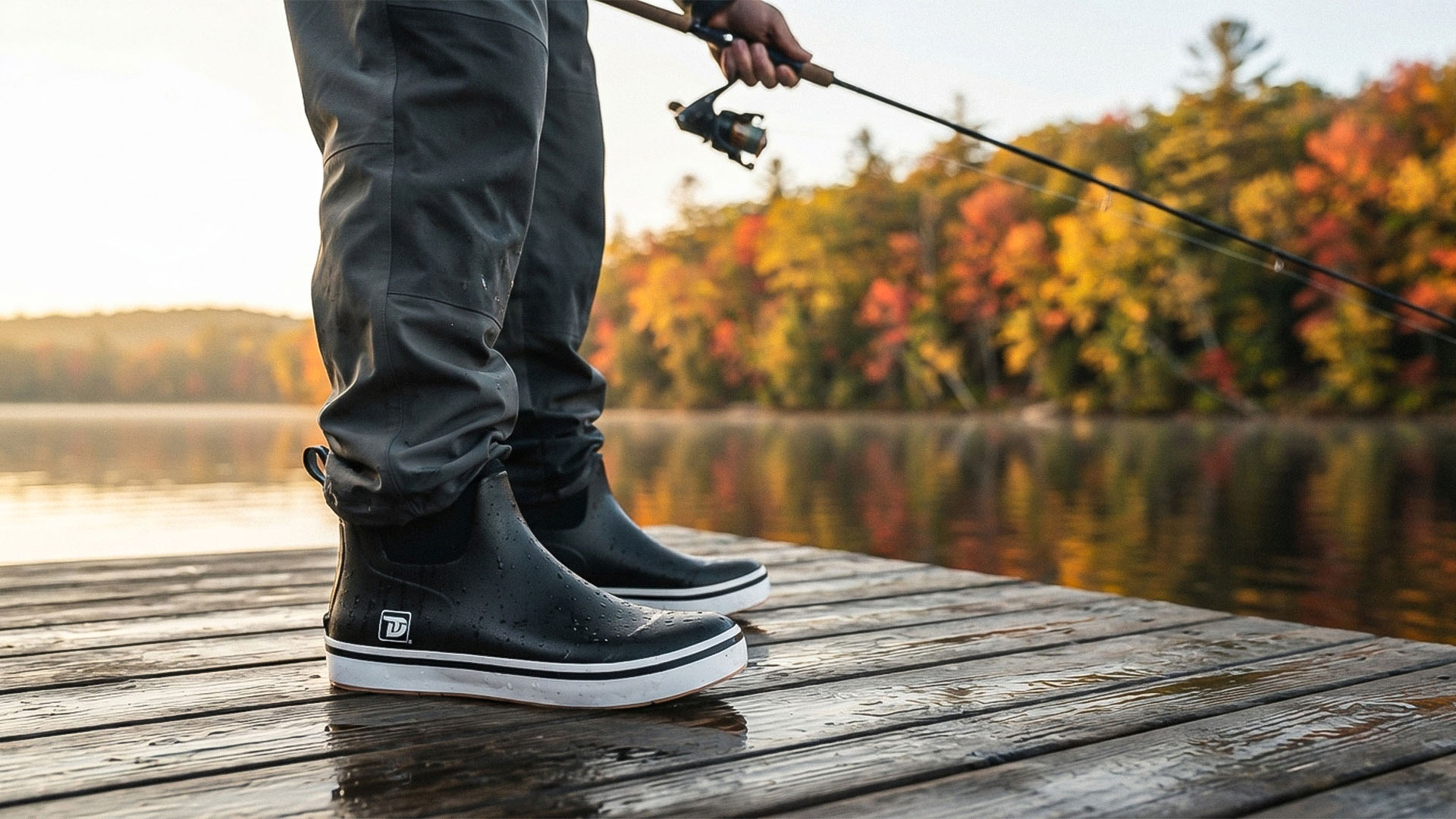
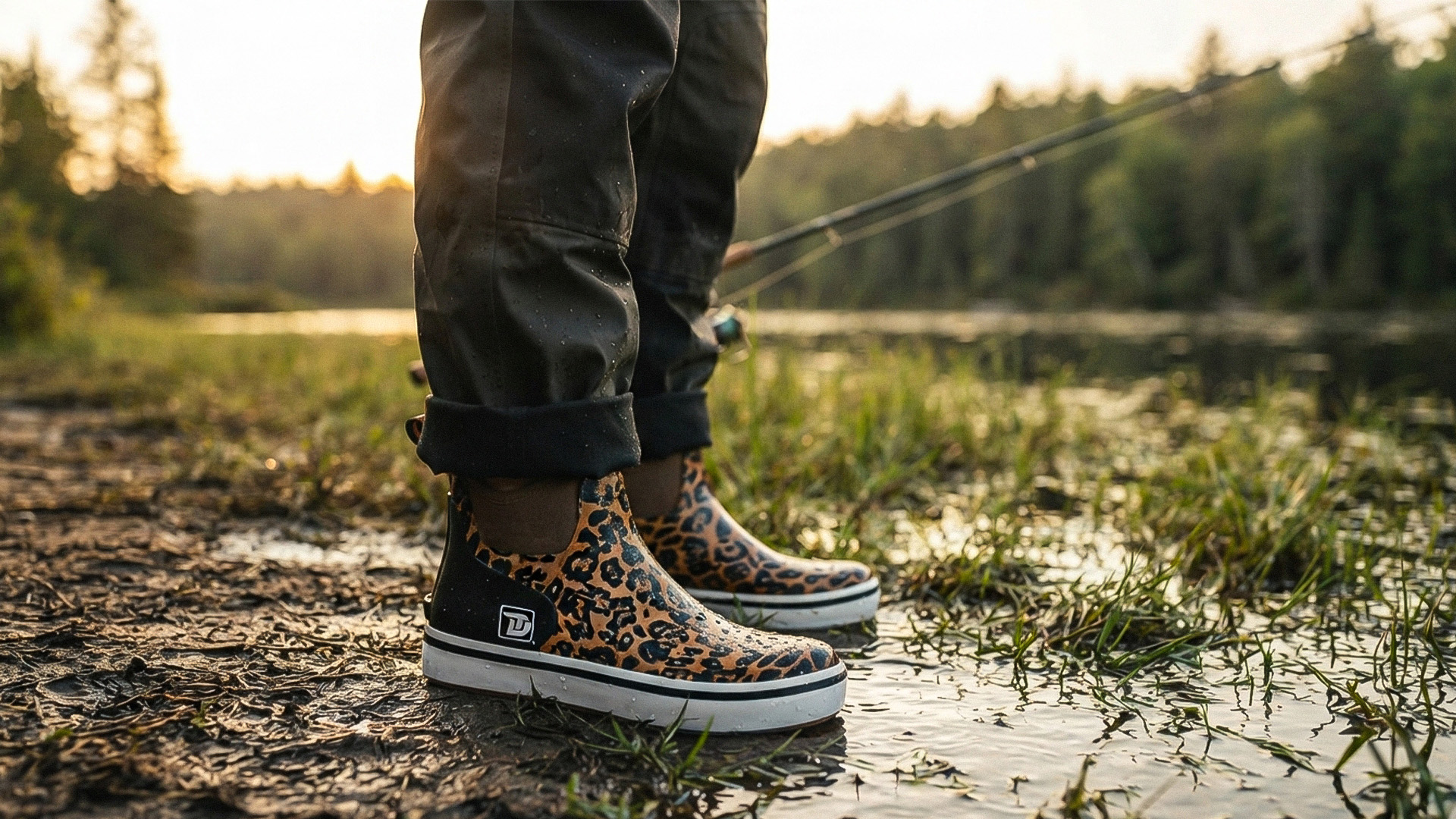
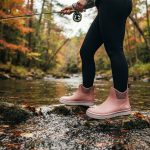
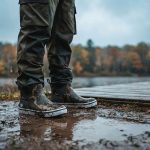
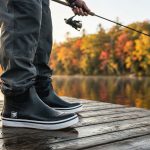
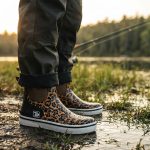
Anglers comparing marine footwear can evaluate TruDaveGear waterproof deck boots alongside other fishing options based on outsole design, fit, cushioning, removable insoles, and warm-weather comfort.
Bottom Fishing Requires Stable Footing
Red snapper fishing usually involves vertical or near-vertical bottom presentations.
You may spend hours:
- Standing near the rail
- Holding heavy tackle
- Dropping rigs
- Reeling from depth
- Bracing against boat movement
- Moving around coolers and rods
Good footing matters because your body is already working against boat motion and tackle weight.
A loose boot can make you feel less stable.
Look for footwear that provides:
- Secure heel control
- Stable midfoot
- Comfortable toe room
- Predictable outsole contact
- Enough cushioning
The boot should move with your foot rather than slide around inside.
Heavy Sinkers Increase the Need for Closed-Toe Footwear
Bottom fishing often uses heavier terminal tackle than many inshore techniques.
Depending on depth and current, anglers may work with substantial sinkers.
Dropped tackle can land near your feet.
Closed-toe deck boots provide more protection than flip-flops or sandals.
However, ordinary deck boots are not safety-toe footwear.
Keep heavy sinkers, hooks, and rigs organized rather than depending on footwear to prevent injury.
Bait Makes Snapper Boats Messy
Red snapper anglers commonly use bait.
That may include:
- Squid
- Cut fish
- Cigar minnows
- Sardines
- Menhaden
- Bonito strips
- Other natural bait
Bait residue can end up on:
- Deck
- bait board
- cooler lids
- gloves
- boots
- tackle areas
Oily bait can create slippery areas and strong odors.
Molded waterproof deck boots are easier to rinse than fabric shoes.
This is one of the biggest practical advantages of deck boots for bottom fishing.
Squid Can Make the Deck Slick
Squid is especially common in offshore bottom fishing.
It can leave:
- Slime
- Water
- ink
- oily residue
- small pieces of bait
around the bait station.
Once stepped on, that material may spread across the deck.
Keep bait contained and clean the area periodically.
A marine outsole helps, but no footwear is completely slip-proof on bait slime.
Red Snapper Slime and Blood
Once fish start coming aboard, the deck can get messy quickly.
Red snapper may leave:
- Fish slime
- Blood
- Scales
- Water
- Ice melt
around the fish box or cooler.
Waterproof boots protect your feet and make cleanup easier.
After heavy fish handling, rinse walking areas when conditions safely allow.
Do not let slime build up where anglers are moving.
Reef Fishing and Boat Movement
Red snapper are commonly associated with offshore structure.
Depending on conditions, the boat may:
- Drift
- Anchor
- Hold position
- Move repeatedly between spots
Your feet need to adjust constantly.
A stable boot helps during:
- Side steps
- turns
- bracing
- rod changes
- moving between fishing positions
Footwear that is too loose can make these small movements more tiring.
Hot Gulf Coast Weather Changes What You Need
Many red snapper trips happen in hot coastal conditions.
That means insulation is usually unnecessary.
For warm-weather snapper fishing, prioritize:
- Uninsulated construction
- Lightweight design
- Ankle-height boot
- Moisture-wicking socks
- Removable insoles
- Easy drying
Heavy insulated footwear may cause:
- Excessive sweat
- Damp socks
- Heat buildup
- Odor
- Foot fatigue
Waterproof does not have to mean winter-weight.
Are Deck Boots Too Hot for Red Snapper Fishing?
Not if you choose the right type.
An uninsulated ankle deck boot can work well even during warm offshore trips.
The biggest factors are:
- Boot height
- insulation
- sock material
- fit
- airflow after use
Avoid thick winter socks.
Use lightweight synthetic or merino-blend crew socks instead.
Best Socks for Red Snapper Fishing
Good hot-weather fishing socks should be:
- Lightweight
- Moisture-wicking
- Fast drying
- Comfortable above the boot collar
- Smooth underfoot
- Low bulk
Good materials include:
- Synthetic fibers
- Lightweight merino wool
- Merino-synthetic blends
Avoid cotton.
Cotton holds sweat and water and can stay damp for hours.
Why Crew Socks Work Better
Crew socks should extend above ankle deck boots.
This helps reduce:
- Collar rubbing
- Blisters
- Sock sliding
- Skin irritation
No-show socks may expose your ankle directly to the boot opening.
That can become uncomfortable after hours of heat, sweat, and boat movement.
Bring Spare Socks
A long red snapper trip may last many hours.
Socks can become wet from:
- Spray
- rain
- washdowns
- sweat
- cooler water
- water entering from the boot opening
Bring one dry pair in a waterproof bag.
Changing socks can make a big difference during a full-day offshore trip.
Deck Boots vs. Sneakers for Snapper Fishing
Sneakers may be comfortable at the dock, but they are not ideal for a messy bottom-fishing trip.
They can absorb:
- Saltwater
- bait juice
- fish slime
- blood
- washdown water
Once wet, they may:
- Stay damp
- smell strongly
- become heavy
- stain
- dry slowly
Deck boots are usually the cleaner and more practical option.
Deck Boots vs. Fishing Shoes
Fishing shoes may be useful for very hot conditions.
They offer:
- More airflow
- lower weight
- quick drying
- more sneaker-like comfort
Deck boots offer:
- Better waterproofing
- easier cleanup
- more protection from bait
- better washdown protection
For a dry inshore trip, fishing shoes may be more comfortable.
For a messy red snapper boat with bait, fish boxes, and washdowns, deck boots usually make more sense.
Why Flip-Flops Are a Bad Idea
Flip-flops are common around coastal marinas.
They are a poor choice for active bottom fishing.
They offer little protection from:
- Heavy sinkers
- hooks
- fish spines
- cooler corners
- wet decks
- bait knives
They also provide poor heel security.
On a moving offshore boat, footwear should stay attached to your feet.
Ankle Deck Boots vs. Tall Rubber Boots
Ankle Deck Boots
Best for:
- Recreational snapper fishing
- Summer trips
- Gulf Coast conditions
- Charter boats
- Easy movement
Tall Rubber Boots
Better for:
- Commercial-style heavy washdowns
- Deep standing water
- colder conditions
- specialized work
For most recreational red snapper fishing, tall boots are unnecessary.
Ankle deck boots provide enough protection with less heat and weight.
Standing Comfort Matters More Than You Think
Bottom fishing can involve long periods of standing in one place.
Your feet may stay planted while your upper body works hard.
That means cushioning matters.
Look for boots with:
- Stable heel cushioning
- supportive footbed
- comfortable forefoot
- enough arch support
- removable insoles
A very thin footbed may feel fine for the first hour and uncomfortable later.
Removable Insoles Are Especially Useful
Removable insoles help with:
- Drying
- odor control
- support replacement
- comfort adjustment
- cleaning
After a hot offshore trip, your boot interior may be damp from sweat even if no water leaked inside.
Remove the insoles and dry them separately.
This is one of the easiest ways to keep fishing boots fresher.
Heel Fit
A secure heel improves stability.
Too much heel lift can cause:
- Blisters
- sock sliding
- toe gripping
- foot fatigue
- instability
Some movement is normal in pull-on boots.
Large heel movement is not.
Test new boots with:
- walking
- stairs
- side steps
- squatting
before taking them offshore.
Wide Feet
Wide-footed anglers should look for true forefoot room.
Signs of boots being too narrow include:
- Little-toe pressure
- numbness
- sidewall rubbing
- big-toe joint discomfort
Do not automatically size up.
Extra length may create heel slip.
Choose a boot shape that matches your foot.
High Instep
Pull-on boots can feel tight across a high instep.
Look for:
- Enough internal volume
- comfortable boot opening
- strong pull tabs
- removable insole
- no top-of-foot pressure
A boot should feel secure, not painful.
Do not expect molded waterproof footwear to stretch significantly.
Non-Marking Sole Requirements
Some charter boats or private boat owners may require non-marking soles.
Ask before the trip.
Non-marking does not automatically mean slip-resistant.
You still want footwear with an outsole suited to wet marine surfaces.
Follow the boat’s specific footwear rules.
Center Console Snapper Fishing
Center consoles are common for offshore reef and bottom fishing.
They may have open decks exposed to:
- Spray
- rain
- direct sun
- fish slime
- washdowns
Deck boots work well because they handle wet cockpits while remaining compact enough for movement around the boat.
Party Boat Red Snapper Fishing
Party boats can become crowded.
Footwear should provide:
- Closed-toe protection
- secure fit
- stable footing
- enough comfort for long standing
Avoid oversized footwear that creates unnecessary bulk.
You may be standing close to other anglers, coolers, rods, and terminal tackle.
A compact ankle deck boot is often a practical choice.
Charter Boat Snapper Fishing
For a first-time charter, deck boots are a safe default.
Before the trip, ask:
- Are deck boots recommended?
- Are non-marking soles required?
- Will the deck be washed during the trip?
- Are fish cleaned onboard?
- Should passengers bring rain gear?
A local captain can tell you exactly what works on that boat.
Rain During Summer Snapper Trips
Summer offshore weather can change quickly.
If rain arrives, waterproof footwear becomes especially useful.
Pair your boots with:
- lightweight rain jacket
- fishing bibs or rain pants
Keep pant legs outside the boot openings.
Do not tuck them inside.
Water should run down the outside of the boot, not into it.
Cooler Drainage and Ice Melt
Red snapper trips often involve significant ice.
Fish boxes and coolers may create water around the deck.
Deck boots help protect against:
- melted ice
- fish-box runoff
- cooler drainage
- wet floors
Fabric shoes soak up this water quickly.
Waterproof boots make the end-of-trip cleanup easier.
Boat Washdowns
The crew may rinse the deck during or after fishing.
Deck boots are ideal for this.
They allow you to stay around the cockpit without worrying about your shoes absorbing hose water.
Still, washdown areas can be slick from:
- soap
- fish slime
- bait oil
Move carefully.
No boot eliminates slip risk.
Cleaning Red Snapper Blood From Boots
After the trip:
- Rinse the boots with fresh water.
- Remove visible fish residue.
- Use mild soap if needed.
- Brush the outsole.
- Rinse all soap away.
- Remove the insoles.
- Dry everything separately.
Do not leave fish blood on the boots overnight.
Warm weather can make odor develop quickly.
Cleaning Squid and Bait Residue
Bait residue can cling to:
- Toe area
- sidewalls
- outsole grooves
- heel
Use mild soap and a brush.
Pay extra attention to tread.
Squid and fish oils can leave the outsole slick.
Rinse thoroughly before the next fishing trip.
Saltwater Care
Rinse deck boots with fresh water after every saltwater trip.
Focus on:
- Outsole
- sidewalls
- pull tabs
- collar
- heel
Salt becomes harder to remove after repeated drying.
A quick rinse after every trip is much easier than deep cleaning later.
Odor Prevention in Hot Weather
Hot Gulf Coast conditions can create strong boot odor quickly.
To reduce smell:
- Wear clean performance socks
- avoid barefoot use
- remove insoles
- rinse bait and fish residue
- dry boots completely
- do not store them in hot vehicles
- clean storage trays
Do not seal damp boots in a gear bag.
Airflow matters.
Keep Boots Out of a Hot Truck
After fishing, deck boots may be wet or damp inside.
Do not leave them in a hot truck all afternoon.
Heat can intensify odor and stress footwear materials.
Once home:
- remove the boots
- rinse them
- remove insoles
- dry with airflow
A few minutes of care can prevent a lot of smell.
Clean Shoes for the Ride Home
Bring another pair of shoes for the drive home.
This helps:
- Keep fish smell out of the vehicle
- protect pedals from wet boots
- give your feet a break
- keep saltwater off carpet
Place dirty deck boots in a washable tray or cargo bin.
Best Deck Boot Features for Red Snapper Fishing
Look for:
Waterproof Construction
Protects against bait water, rain, and washdowns.
Uninsulated Design
Better for Gulf Coast heat.
Ankle Height
Provides enough protection without excess bulk.
Stable Wet-Deck Outsole
Important on wet fiberglass and hard marine surfaces.
Secure Heel Fit
Helps during boat movement and bottom fishing.
Comfortable Cushioning
Important for long standing.
Removable Insoles
Improves drying and odor control.
Easy-Clean Exterior
Useful after bait, slime, blood, and saltwater.
Lightweight Construction
Reduces fatigue in hot weather.
What Not to Wear
Avoid:
- Flip-flops
- Loose slides
- expensive sneakers
- smooth-soled shoes
- overly insulated boots
- cotton socks
- badly worn deck boots
Offshore bottom fishing creates wet, cluttered, and sometimes fast-moving conditions.
Wear footwear designed to handle the job.
Red Snapper Fishing Footwear Checklist
Before leaving:
- Check outsole tread
- inspect boots for cracks
- confirm boots are dry
- wear lightweight performance socks
- pack spare socks
- test heel fit
- bring rain gear
- bring clean driving shoes
After the trip:
- rinse saltwater
- clean fish slime
- remove bait residue
- brush tread
- remove insoles
- dry completely
- clean the boot tray
Common Red Snapper Footwear Mistakes
Wearing Flip-Flops
Heavy sinkers, hooks, and wet decks make them a poor choice.
Wearing Fabric Sneakers
They absorb bait, blood, and washdown water.
Wearing Cotton Socks
Cotton holds sweat and moisture.
Wearing Insulated Boots in Gulf Heat
This creates unnecessary heat buildup.
Buying Boots Too Loose
Loose footwear reduces control.
Ignoring Squid Slime
Bait residue can make decks and outsoles slick.
Tucking Rain Pants Into Boots
Water may run straight into the boot opening.
Forgetting Spare Socks
A long offshore day is much better with dry socks.
Leaving Boots Dirty in a Hot Vehicle
Fish and bait odor become harder to remove.
Ignoring Worn Tread
Old deck boots may lose wet-surface performance.
Final Thoughts
Red snapper fishing is exactly the type of offshore environment where deck boots earn their place.
The weather may be hot, but the deck can still be wet for most of the day.
Squid, cut bait, fish slime, blood, cooler drainage, melting ice, rain, and washdowns create conditions that ordinary sneakers and flip-flops do not handle well.
For most recreational red snapper anglers, lightweight uninsulated ankle deck boots provide the best balance of waterproof protection, comfort, easy cleanup, and warm-weather performance.
Choose boots with a secure heel, stable wet-deck outsole, comfortable toe box, removable insoles, and enough cushioning for long standing.
Wear lightweight synthetic or merino-blend socks instead of cotton.
Bring spare socks and clean driving shoes.
Keep bait and fish residue under control.
No footwear can make a deck covered in squid slime, fish blood, and bait oil completely safe.
After the trip, rinse the boots with fresh water, brush the tread, remove the insoles, and dry everything thoroughly.
The right footwear should let you focus on depth, current, bait presentation, and the next snapper coming off the bottom—not on wet feet or uncomfortable shoes.
Frequently Asked Questions
Are deck boots good for red snapper fishing?
Yes. Deck boots are excellent for red snapper fishing because they protect against bait water, fish slime, blood, saltwater, and boat washdowns.
What boots should I wear for Gulf Coast bottom fishing?
Lightweight uninsulated ankle deck boots are a strong choice for most warm-weather offshore bottom fishing trips.
Are insulated deck boots good for red snapper fishing?
Usually not in warm Gulf Coast conditions. Uninsulated boots are typically more comfortable.
Can I wear sneakers for red snapper fishing?
You can, but sneakers absorb saltwater, bait juice, fish slime, and washdown water and may stay wet for hours.
Can I wear flip-flops for red snapper fishing?
They are not recommended because bottom fishing involves heavy sinkers, hooks, wet decks, and poor heel security.
What socks should I wear with snapper fishing boots?
Wear lightweight synthetic or merino-blend moisture-wicking crew socks. Avoid cotton.
Are ankle deck boots tall enough for snapper fishing?
Yes, for most recreational boats and ordinary washdowns. Very wet commercial conditions may require taller footwear.
Are deck boots too hot for Gulf Coast fishing?
Uninsulated ankle deck boots can work well in hot weather when paired with lightweight moisture-wicking socks.
Are fishing shoes better than deck boots for bottom fishing?
Fishing shoes offer more airflow, but deck boots provide better waterproof protection and easier cleanup after bait and fish handling.
Why is squid hard on fishing footwear?
Squid can leave slime, ink, water, and oily residue on the deck and outsole, making cleanup and traction more difficult.
How do I clean red snapper blood from deck boots?
Rinse with fresh water, use mild soap when needed, brush the outsole and upper, rinse thoroughly, remove insoles, and air dry.
How do I remove bait smell from deck boots?
Clean bait residue promptly, remove the insoles, dry the boots fully, and avoid storing dirty footwear in a hot vehicle.
Should I bring spare socks offshore?
Yes. Spray, sweat, rain, and washdowns can leave socks wet during a long trip.
Should rain pants go inside deck boots?
No. Keep rain pants and bib legs outside the boot opening so water runs down the exterior.
Are deck boots slip-proof on squid and fish slime?
No. No footwear is completely slip-proof on slime, bait oil, soap, or fish blood. Keep the deck and boot tread clean.
What is the best boot height for red snapper fishing?
Ankle-height deck boots are usually the best balance for recreational Gulf Coast fishing.
How should red snapper fishing boots fit?
They should hold the heel securely while allowing enough toe room for natural movement and long standing.