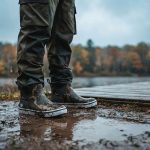
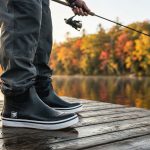
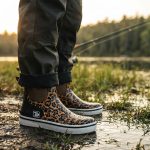
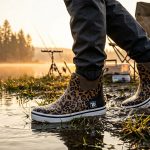
Mahi-mahi fishing looks colorful, fast, and exciting.
The reality on deck can be a lot messier.
A good mahi bite can quickly turn a clean cockpit into a wet working area covered with ocean spray, fish slime, blood, bait water, melting ice, and washdown water. Add tropical heat and long hours offshore, and footwear becomes more important than many anglers expect.
The best deck boots for mahi-mahi fishing need to solve two problems at the same time:
They need to protect your feet from wet marine conditions without making them unbearably hot.
That usually means choosing lightweight, uninsulated waterproof deck boots with a secure fit, wet-deck outsole, removable insoles, and moisture-wicking socks.
This guide explains how to choose deck boots for mahi fishing, why hot-weather footwear is different from winter offshore boots, how to deal with mahi slime and blood, and when fishing shoes may be a better alternative.
Why Mahi-Mahi Fishing Is Hard on Footwear
Mahi fishing often takes place in warm offshore conditions.
The boat may spend hours around:
- Weed lines
- Floating debris
- Current edges
- Buoys
- Sargassum
- Temperature breaks
- Bait schools
During the trip, footwear may be exposed to:
- Ocean spray
- Fish slime
- Blood
- Bait water
- Squid
- Ballyhoo
- Sardines
- Ice melt
- Cooler drainage
- Rain
- Washdown water
- Hot fiberglass decks
The combination of water and heat makes footwear selection different from cold-weather offshore fishing.
You need protection without unnecessary insulation.
Why Deck Boots Work Well for Mahi Fishing
Deck boots are useful because they offer:
- Waterproof construction
- Closed-toe coverage
- Easy-rinse surfaces
- Wet-deck traction
- Comfortable standing support
- Protection from fish slime and bait water
For most recreational mahi trips, ankle-height deck boots are enough.
They are easier to move in than tall rubber boots and generally feel cooler during tropical or summer conditions.
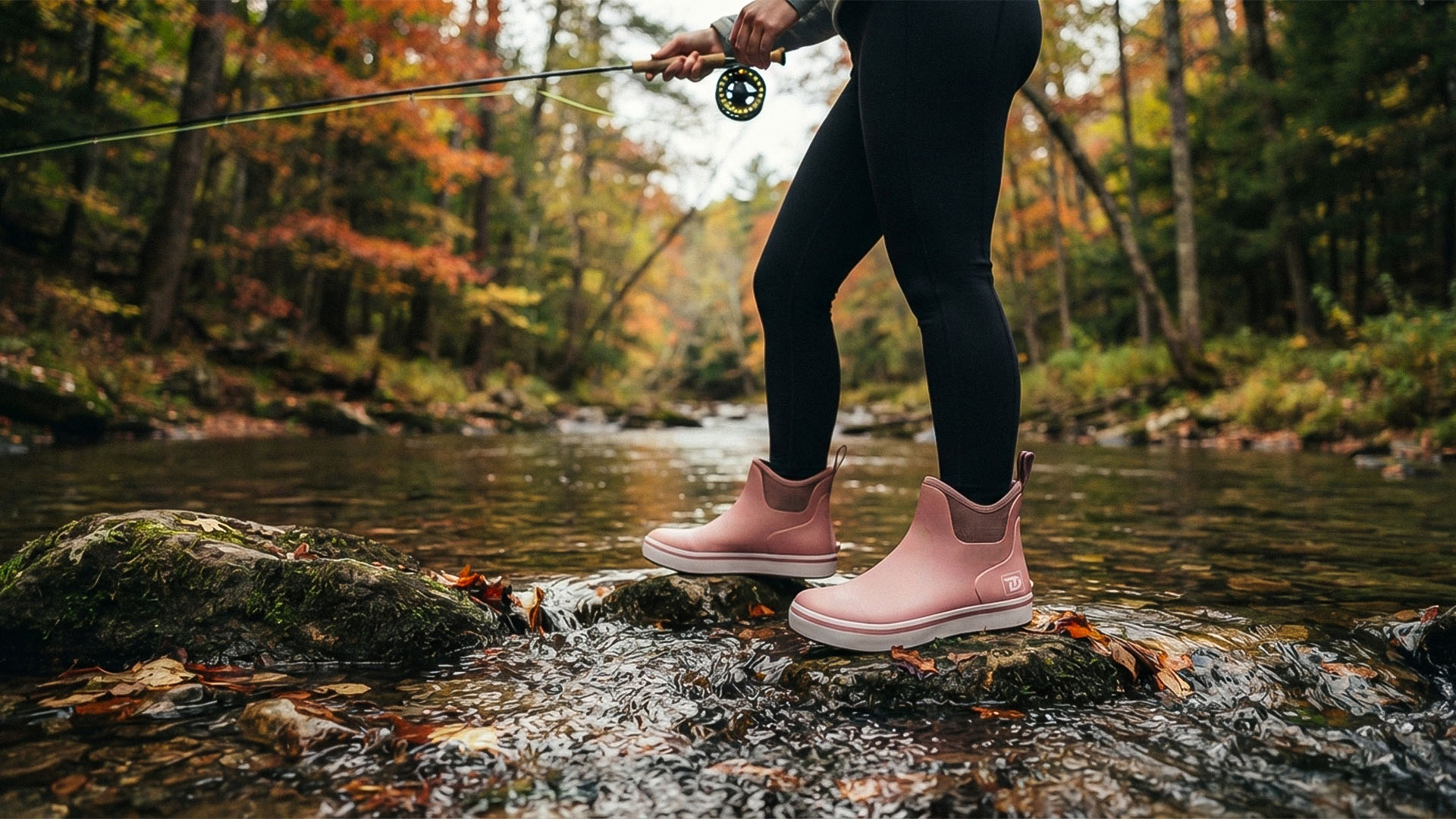
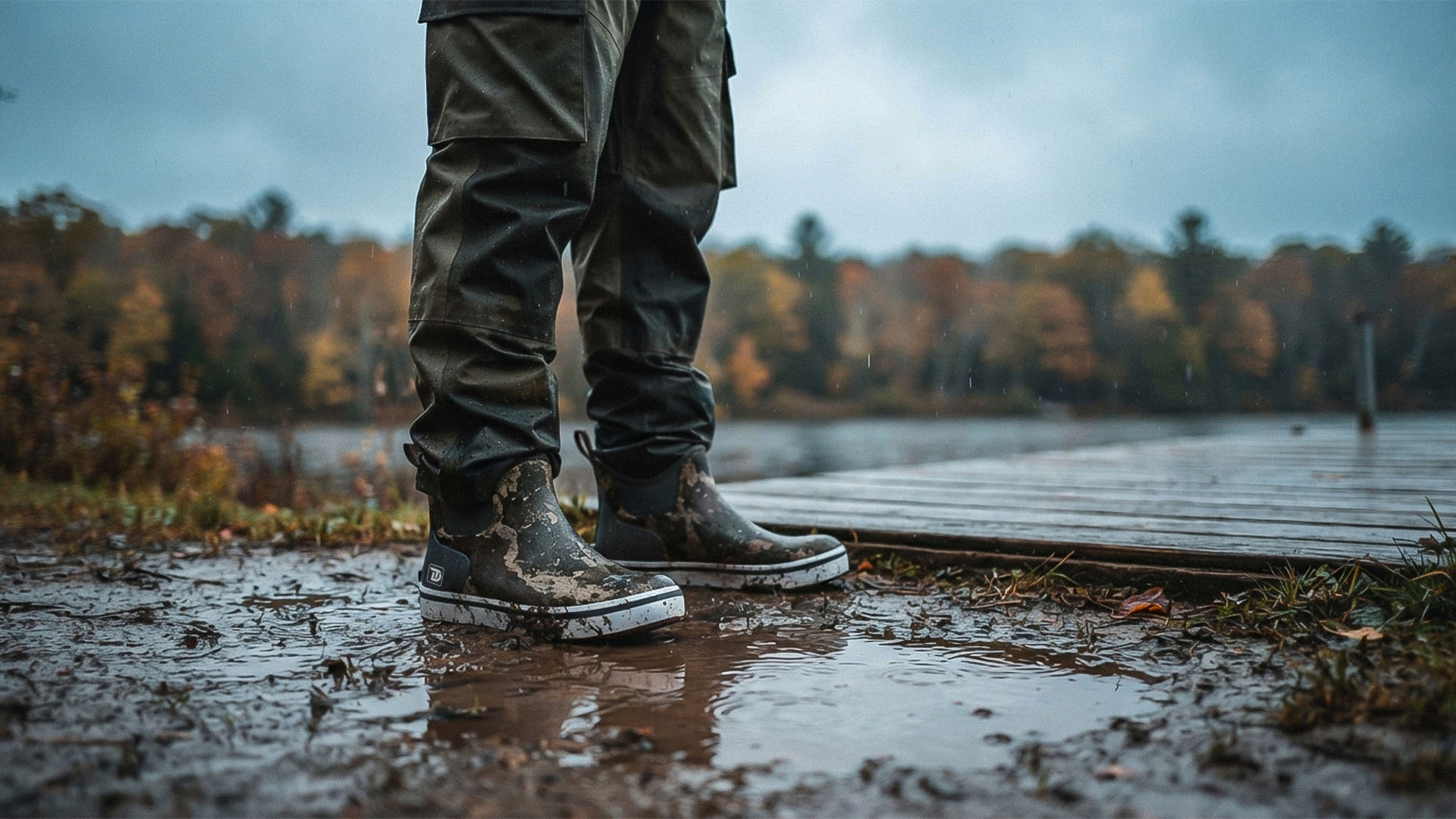
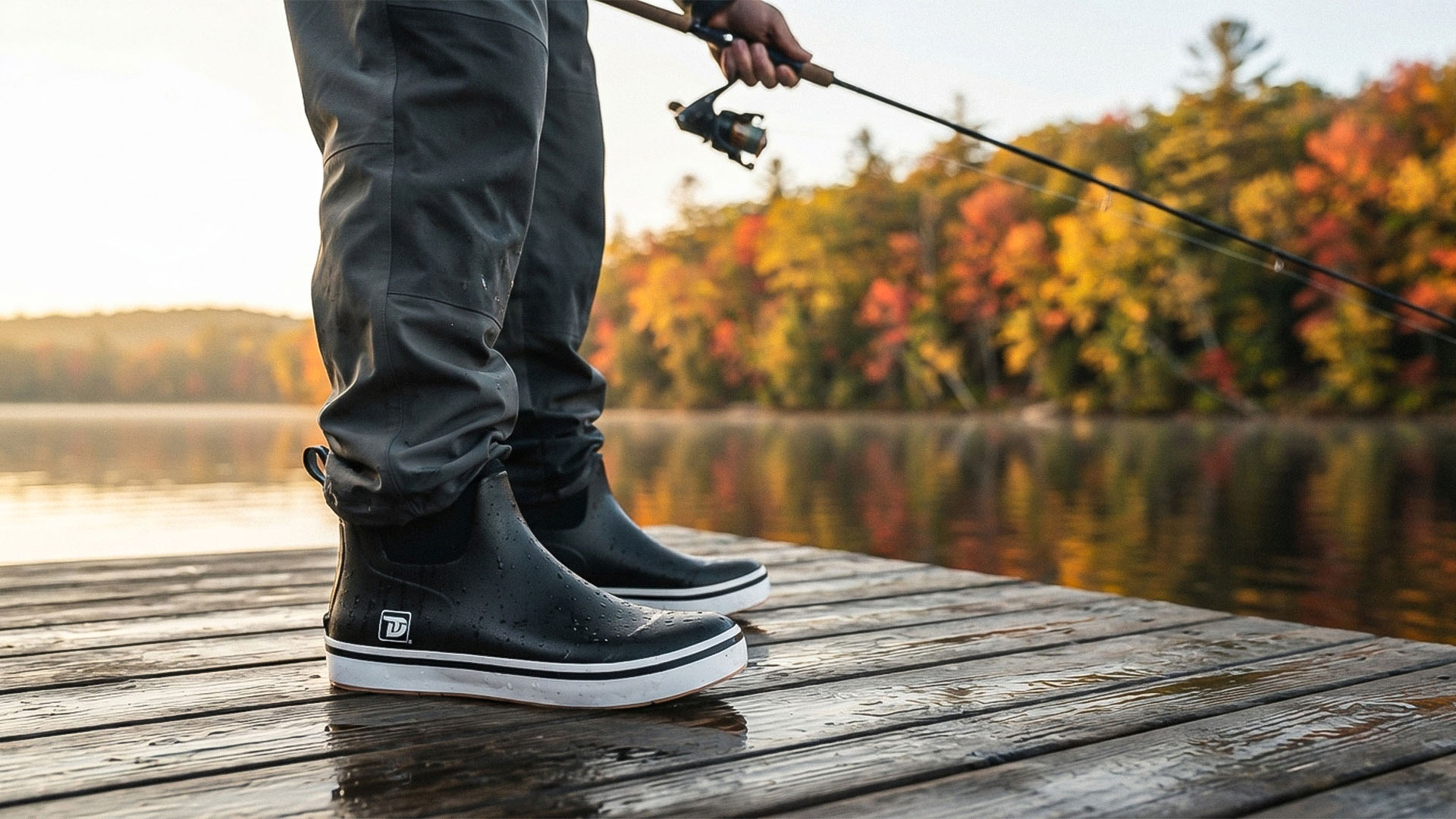
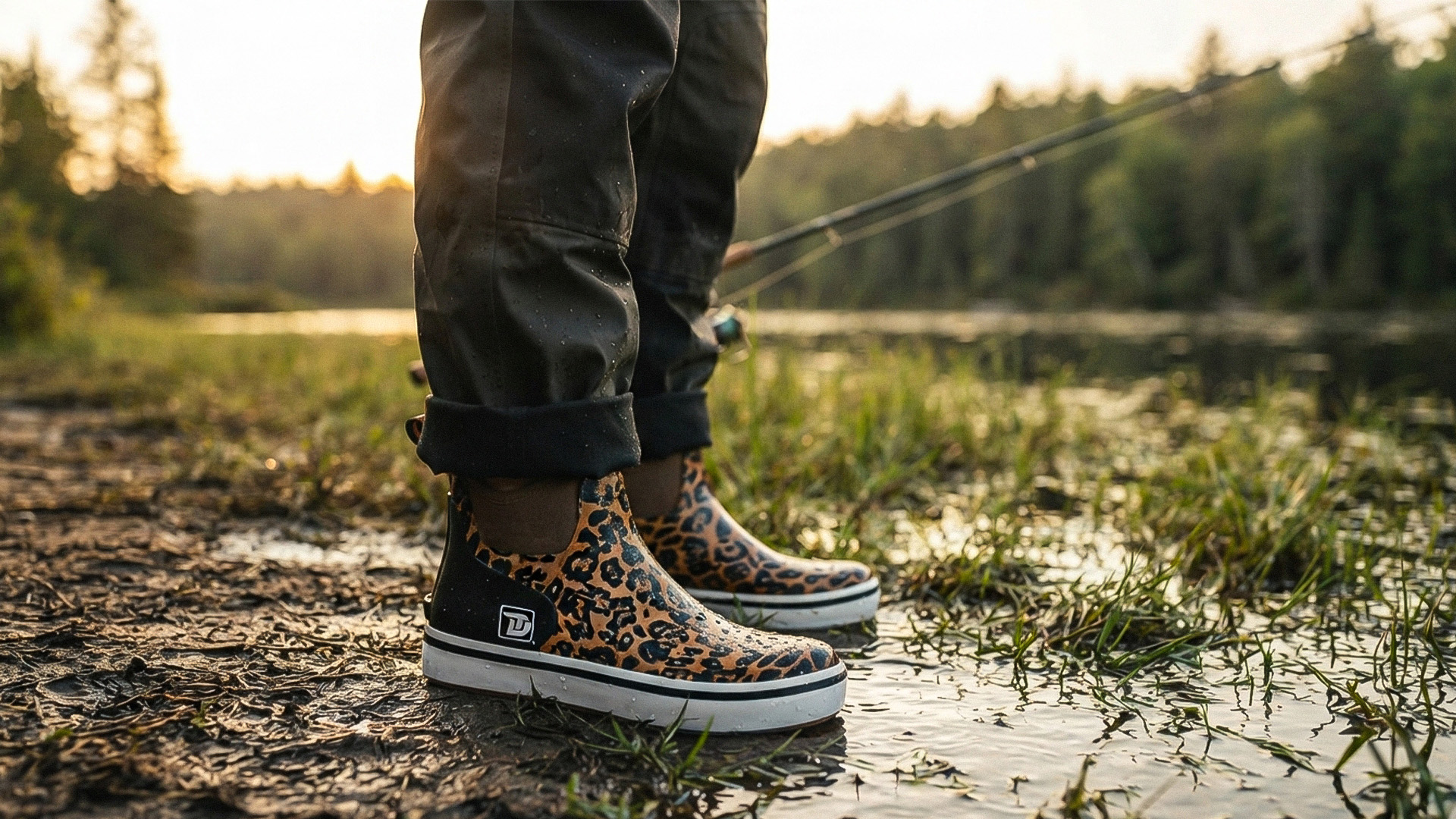
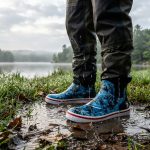
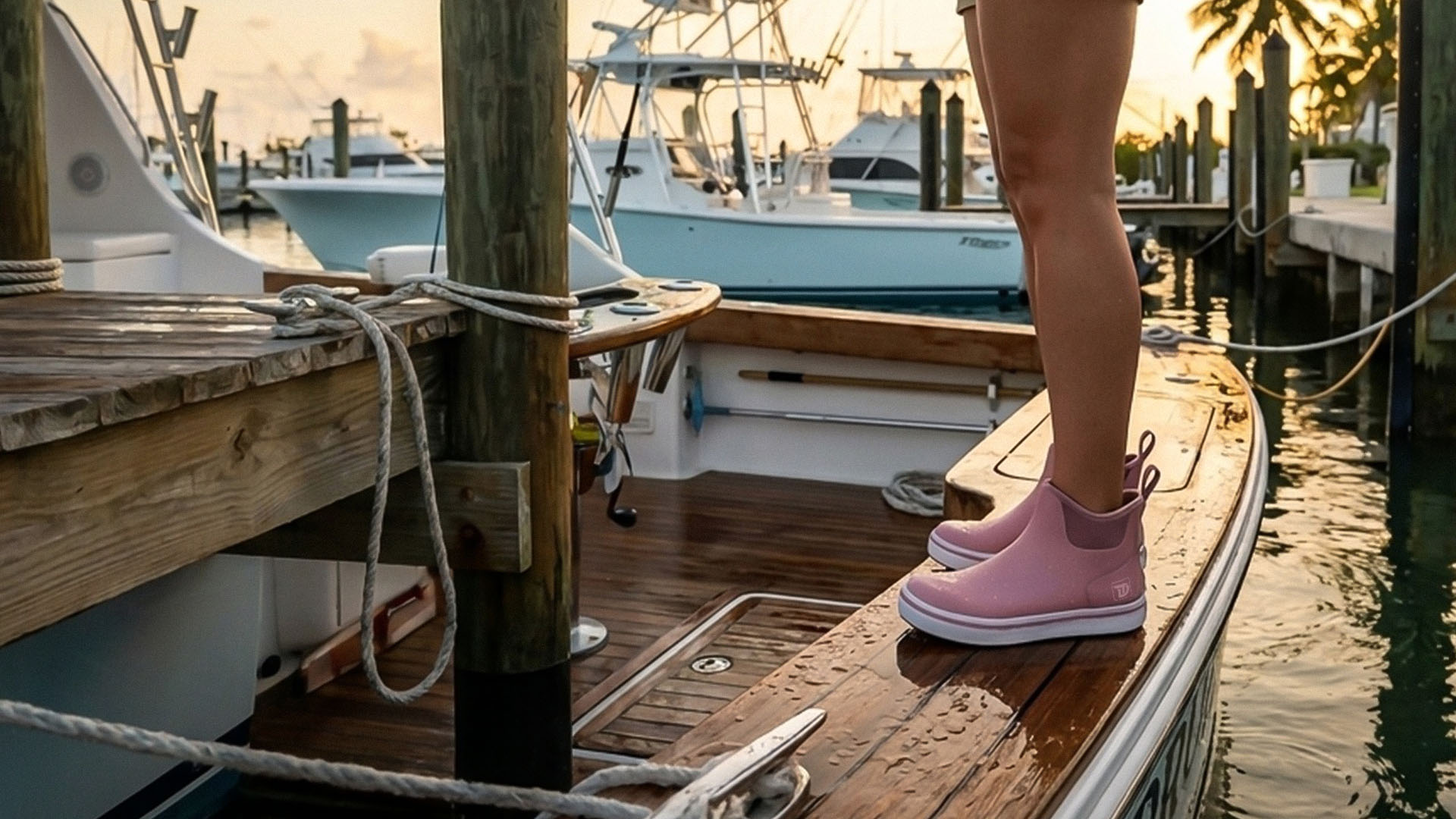
Anglers comparing offshore footwear can review TruDaveGear waterproof deck boots alongside other marine footwear options based on outsole design, uninsulated construction, cushioning, removable insoles, and expected water exposure.
Mahi Fishing Is Usually a Warm-Weather Activity
One of the biggest footwear mistakes is wearing too much boot.
Heavy insulated footwear may be useful for cold offshore fishing, but mahi fishing often happens in warm coastal climates.
Common conditions may include:
- Strong sun
- High humidity
- Warm air
- Warm deck surfaces
- Long summer days
That means insulation is usually unnecessary.
For mahi fishing, prioritize:
- Uninsulated construction
- Lightweight design
- Moisture-wicking socks
- Ankle-height coverage
- Removable insoles
- Easy drying
Waterproof protection still matters, but warmth usually does not.
Why Uninsulated Deck Boots Are Better
Uninsulated deck boots provide water protection without extra thermal layers.
They are usually better for:
- Summer offshore fishing
- Florida fishing
- Gulf Coast trips
- Carolina offshore fishing
- Tropical fishing
- Boat cleaning
- Warm-water charters
They help protect your feet from mahi slime and washdowns without trapping as much heat as insulated boots.
If your primary offshore fishing season is warm, uninsulated boots are usually the better investment.
Mahi Slime Can Make Decks Slick
Mahi-mahi are beautiful fish, but they can be surprisingly messy on deck.
Once landed, they may:
- Kick violently
- Spread slime
- Move across the cockpit
- Knock over bait or gear
- Leave blood and scales
Fish slime can reduce traction significantly.
Deck boots help, but no outsole is completely slip-proof.
Keep the cockpit clean when conditions allow.
Rinse heavy slime before it spreads across the entire working area.
Mahi Can Be Extremely Active on Deck
Mahi are known for explosive movement.
A green fish may still have a lot of energy after it comes aboard.
Keep your feet away from:
- Flopping fish
- hooks
- gaffs
- leaders
- lures
- sharp dorsal areas
- tackle
Closed-toe deck boots provide basic protection from ordinary deck conditions, but they are not puncture-proof.
Do not rely on footwear to protect against hooks or gaff points.
Control the fish and clear the area.
Wet-Deck Traction
Mahi boats may develop slippery decks from:
- Ocean spray
- Fish slime
- Blood
- Bait oil
- Sunscreen
- Rain
- Washdown water
A good deck boot outsole should provide:
- Broad surface contact
- Water-channeling grooves
- Stable heel platform
- Flexible rubber
- Easy-to-clean tread
Avoid heavily worn soles.
A boot that was reliable when new may become less predictable after the tread smooths out.
Inspect footwear before major offshore trips.
Sunscreen Can Make Decks Slippery
Summer fishing means heavy sunscreen use.
Sunscreen may transfer to:
- Hands
- seats
- grab rails
- deck areas
- footwear
A small amount can create a slick surface on fiberglass.
Apply sunscreen carefully and clean spills promptly.
Do not assume that only fish slime causes slipping.
Hot-weather boats can become slick from sunscreen, bait oil, and water combined.
Bait and Mahi Fishing
Depending on the fishing method, mahi anglers may use:
- Ballyhoo
- Squid
- Sardines
- Pilchards
- Cut bait
- Artificial trolling lures
Bait water and fish oils can end up around the cockpit.
Deck boots are easier to rinse than fabric fishing shoes after bait-heavy trips.
If bait oil gets into the outsole grooves, clean it before the next trip.
Oily tread reduces deck contact.
Trolling for Mahi
Trolling often involves long periods of waiting.
Anglers may spend hours:
- Watching the spread
- Checking weed lines
- Looking for birds
- Monitoring floating debris
- Standing near rod holders
Comfort becomes important.
Look for deck boots with:
- Stable heel cushioning
- Supportive footbed
- Enough toe room
- Secure heel
- Manageable weight
A boot should remain comfortable even when the fish are not biting.
Sudden Action Around Weed Lines
Mahi fishing can change quickly.
A quiet trolling session may suddenly turn into multiple hooked fish.
Anglers may need to:
- Clear lines
- grab rods
- move around the cockpit
- prepare bait
- bring fish aboard
- stay out of other anglers’ way
Loose footwear becomes more noticeable during fast movement.
Your boot should follow your foot during side steps and turns.
Oversized boots can reduce control.
Sight Fishing for Mahi
Some anglers sight fish around floating debris, weed lines, or visible fish.
This may involve repeated movement between:
- Bow
- console
- cockpit
- bait station
Footwear should be light enough for easy movement.
Ankle deck boots are usually better than tall rubber boots for this style of fishing.
They provide enough waterproof coverage without unnecessary bulk.
Casting Around Floating Structure
Casting near floating debris or weed lines can mean frequent line movement.
Keep the deck organized.
Avoid stepping on:
- leader
- braid
- hooks
- lures
- loose coils
Closed-toe footwear helps protect your feet from basic contact, but keeping tackle off the floor remains essential.
Good deck organization matters more than any boot feature.
Deck Boots vs. Fishing Shoes for Mahi
This is one of the biggest hot-weather decisions.
Deck Boots Are Better When:
- The cockpit stays wet
- Fish slime is common
- Washdowns happen
- You use a lot of bait
- Rain is possible
- Easy cleanup matters
Fishing Shoes Are Better When:
- The weather is extremely hot
- The boat stays mostly dry
- Maximum airflow matters
- Water entry is unavoidable
- You want quick drainage
For most offshore mahi trips, lightweight deck boots are a strong choice because the cockpit often becomes wet once fish start coming aboard.
Deck Boots vs. Sneakers
Ordinary sneakers are rarely ideal offshore.
They may absorb:
- Saltwater
- mahi blood
- slime
- bait water
- rain
- washdowns
Once soaked, they may remain wet for hours.
Fabric shoes can also hold strong fish odor.
Deck boots are usually easier to clean and dry.
Why Flip-Flops Are a Poor Choice
Flip-flops are popular in warm climates, but active mahi fishing is not the same as sitting at a beach bar.
Flip-flops offer little protection from:
- hooks
- sinkers
- lures
- gaffs
- cooler corners
- fish movement
- wet decks
They also provide poor heel security.
A moving offshore boat requires footwear that stays attached to your feet.
Best Sock Materials for Mahi Fishing
Hot-weather deck boot socks should be lightweight.
Good choices include:
- Synthetic performance socks
- Lightweight merino wool
- Merino-synthetic blends
Avoid cotton.
Cotton holds sweat and water and dries slowly.
In tropical heat, that can lead to:
- Damp feet
- friction
- blisters
- odor
Crew-height socks work especially well with ankle deck boots because they protect against collar rubbing.
Are Merino Socks Too Warm?
Heavy merino socks may be too warm.
Lightweight merino blends can still work well in hot weather.
They help manage:
- sweat
- odor
- friction
Choose thin or lightweight versions.
Sock weight matters more than the word “wool.”
Bring Spare Socks Offshore
Even on hot days, bring spare socks.
They can become wet from:
- heavy spray
- rain
- washdowns
- sweat
- water entering from above
Store them in a dry bag.
Changing socks during a full-day trip can significantly improve comfort.
Do Not Wear Deck Boots Barefoot
Wearing waterproof boots barefoot may seem cooler.
In practice, it often increases:
- sweating
- odor
- rubbing
- blistering
- interior moisture
A lightweight technical sock is usually more comfortable than direct skin contact with the boot lining.
Socks are also much easier to wash than the inside of the boot.
Boot Height for Mahi Fishing
Ankle Deck Boots
Best for:
- Summer offshore trips
- Recreational mahi fishing
- Center consoles
- Charters
- Warm climates
- Boat cleaning
Mid-Height Boots
Useful for:
- Heavy spray
- Rainy conditions
- Wetter boats
Tall Rubber Boots
Usually unnecessary for recreational mahi fishing unless the boat experiences extreme washdowns or commercial-style conditions.
For most anglers, ankle height provides the best balance of coverage and airflow.
Center Console Mahi Fishing
Center consoles are common for mahi fishing.
These boats can be exposed to:
- spray
- rain
- open sun
- wet cockpits
Deck boots work especially well because they provide water protection without relying on enclosed cabins.
Choose lightweight footwear because you may move around the entire boat throughout the day.
Sportfishing Boat Mahi Trips
Larger offshore boats may offer more shelter, but fish-handling areas still become messy.
Deck boots are useful around:
- cockpit
- bait station
- fish boxes
- transom
- washdown areas
Ask whether the boat requires non-marking soles.
Follow captain instructions.
Mahi Fishing Charters
First-time charter passengers often underestimate how wet the boat may become.
Before the trip, ask:
- Are deck boots recommended?
- Are non-marking soles required?
- Will fish be cleaned onboard?
- Is heavy spray expected?
- Should I bring fishing bibs?
- Is there dry storage?
For warm-weather charters, uninsulated ankle deck boots are usually a practical option.
Heat Buildup in Waterproof Boots
Waterproof footwear naturally limits airflow.
In hot climates, sweat is normal.
To improve comfort:
- Choose uninsulated boots
- Wear lightweight socks
- Avoid overly thick insoles
- Dry boots completely
- Keep boots in shade before use
- Bring spare socks
- Remove insoles after the trip
Do not size up just to make the boot feel cooler.
A larger boot does not create true ventilation.
Keep Boots Out of Direct Sun
Mahi trips often involve intense sun.
Dark surfaces can become hot quickly.
Do not leave deck boots:
- On a hot dock
- On exposed fiberglass
- In direct sun for hours
- Inside a closed vehicle
Keep them shaded when possible before wearing them.
This improves comfort and may help protect materials over time.
Removable Insoles Matter in Tropical Conditions
Removable insoles are especially helpful when feet sweat heavily.
They allow you to:
- Dry the boots faster
- Reduce odor
- Clean sweat residue
- Replace worn cushioning
- Improve support
After fishing, remove the footbeds even if the boot shell appears dry.
Moisture may remain underneath.
Footbed Comfort
Long mahi trips require enough cushioning for:
- standing
- trolling
- casting
- boat movement
- fish handling
Look for a footbed that provides:
- stable heel cushioning
- forefoot support
- comfortable arch feel
- controlled movement
Extremely soft foam may feel comfortable at first but can become unstable.
Balanced support works better over long days.
Wide Feet
Wide-footed anglers should look for:
- roomy forefoot
- natural toe spread
- secure heel
- comfortable instep
Do not size up excessively to gain width.
A longer boot may create heel slip and foot rotation.
Choose a boot shape that matches your foot.
High Instep
High-instep anglers should watch for pressure on top of the foot.
Signs of poor fit include:
- numbness
- tightness
- deep sock marks
- difficulty removing boots
Pull-on boots should feel secure, not painful.
Look for enough internal volume and removable footbeds.
Heel Slip
Some heel movement is normal in pull-on footwear.
Excessive heel lift can cause:
- blisters
- sock movement
- foot fatigue
- instability
Test new boots indoors with:
- walking
- side steps
- stairs
- squatting
Do not make a ten-hour mahi trip your first fit test.
Standing on Hot Decks
Deck surfaces can become hot in direct sun.
Boots provide more protection than sandals from hot fiberglass or metal.
However, heat can still transfer through the sole.
Stable cushioning and adequate outsole thickness improve comfort.
If the deck becomes dangerously hot, address the boat condition rather than relying only on footwear.
Rain During Summer Offshore Trips
Tropical showers can appear quickly.
Deck boots provide a major advantage when rain hits because they keep your socks protected from shallow cockpit water.
If wearing rain pants or bibs, keep the legs outside the boot openings.
This allows water to run down the exterior.
Do not tuck pants inside the boot.
Mahi Blood and Boot Cleaning
Clean blood before it dries.
After fishing:
- Rinse with fresh water.
- Use mild soap if necessary.
- Brush the upper.
- Clean outsole grooves.
- Rinse thoroughly.
- Remove the insoles.
- Dry with airflow.
Avoid harsh chemical cleaners unless the footwear manufacturer approves them.
Removing Mahi Slime
Mahi slime may leave a slick film.
Use:
- Fresh water
- Mild soap
- Soft or medium brush
Pay attention to:
- Toe
- Sidewalls
- Heel
- Outsole
Slime packed in tread grooves can reduce traction.
Cleaning Bait Residue
Ballyhoo and other bait can leave oils behind.
Clean bait residue from the boots before storage.
Otherwise, it may lead to:
- Strong odor
- sticky surfaces
- slick tread
A quick rinse after the trip makes deeper cleaning much easier.
Saltwater Care
Rinse boots after every saltwater trip.
Pay attention to:
- outsole
- pull tabs
- collar
- sidewalls
- heel
Fresh water removes salt before it builds up.
For anglers who fish frequently, this should become an automatic post-trip habit.
Odor Control in Hot Weather
Warm temperatures make footwear odor develop faster.
To reduce smell:
- Wear clean socks
- Avoid barefoot use
- Remove insoles
- Rinse fish residue
- Dry boots fully
- Keep them out of hot vehicles
- Clean boot trays
Do not seal wet boots inside a plastic bag or tackle compartment.
Clean Shoes for the Drive Home
Mahi trips can leave boots covered with:
- fish slime
- salt
- bait
- deck wash water
Bring clean shoes for the ride home.
Store dirty boots in:
- Washable tray
- Plastic tote
- Cargo liner
This keeps fish residue out of your vehicle carpet.
It also gives your feet a chance to cool after a long day in waterproof footwear.
Mahi Fishing Footwear Checklist
Before leaving the dock:
- Inspect outsole tread
- Check waterproofing
- Confirm boots are dry
- Wear lightweight performance socks
- Pack spare socks
- Check heel fit
- Bring sunscreen
- Pack rain gear
- Bring clean shoes
After fishing:
- Rinse saltwater
- Remove fish slime
- Clean bait residue
- Brush tread
- Remove insoles
- Air dry completely
- Clean storage tray
Best Deck Boot Features for Mahi Fishing
Look for:
Uninsulated Construction
Better for tropical and summer conditions.
Waterproof Upper
Protects against spray, rain, and washdowns.
Wet-Deck Outsole
Important on wet fiberglass and hard marine surfaces.
Lightweight Design
Reduces fatigue in warm weather.
Secure Heel
Improves control during sudden fish action.
Comfortable Toe Box
Helps during long standing.
Removable Insole
Improves drying and odor management.
Easy-Clean Exterior
Useful after mahi slime, blood, and bait.
Ankle Height
Provides protection without excessive heat.
Common Mahi Fishing Footwear Mistakes
Wearing Insulated Boots in Tropical Heat
This causes unnecessary sweating.
Wearing Flip-Flops
They offer poor protection and stability.
Wearing Expensive Sneakers
Fish slime and saltwater can ruin them quickly.
Wearing Cotton Socks
Cotton holds sweat and stays damp.
Buying Boots Too Loose
Loose footwear reduces control when the bite gets fast.
Ignoring Sunscreen on the Deck
Sunscreen can make fiberglass slick.
Not Cleaning Fish Slime
Slime affects traction and odor.
Tucking Rain Pants Inside Boots
Water may run into the boot opening.
Leaving Boots in a Hot Car
Heat makes odor and material stress worse.
Forgetting Spare Socks
A dry pair can improve comfort during long trips.
Final Thoughts
Mahi-mahi fishing is exactly the kind of offshore environment where deck boots make sense.
The weather may be hot, but the boat can still be wet.
Spray, rain, fish slime, blood, bait water, cooler drainage, and washdowns are common once fishing starts.
For most recreational mahi anglers, lightweight uninsulated ankle deck boots provide the best balance of waterproof protection, mobility, easy cleaning, and warm-weather comfort.
Choose a pair with a stable wet-deck outsole, secure heel, removable insoles, comfortable cushioning, and enough toe room.
Wear lightweight synthetic or merino-blend socks instead of cotton.
Bring a spare pair for long offshore trips.
Avoid insulated boots unless conditions are genuinely cold.
Avoid flip-flops and casual fabric sneakers when the boat is likely to become messy.
Once mahi begin hitting the deck, keep fish slime, blood, bait oil, hooks, and gear under control.
No boot can make a cluttered or heavily contaminated cockpit completely safe.
After the trip, rinse the boots with fresh water, remove fish residue, brush the tread, take out the insoles, and dry everything fully.
The right offshore footwear should help you stay focused on weed lines, birds, floating structure, and the next bright-green fish charging toward the boat—not on wet socks or slippery shoes.
Frequently Asked Questions
Are deck boots good for mahi-mahi fishing?
Yes. Deck boots are excellent for mahi fishing because they protect against spray, fish slime, bait water, rain, and boat washdowns.
What boots should I wear for mahi fishing?
Lightweight uninsulated ankle deck boots are a strong choice for most warm-weather offshore mahi trips.
Are insulated deck boots good for mahi fishing?
Usually not. Mahi fishing often happens in warm weather, so insulated boots may be unnecessarily hot.
Can I wear sneakers mahi fishing?
You can, but sneakers absorb saltwater, fish blood, slime, and bait residue and may stay wet for hours.
Can I wear flip-flops while mahi fishing?
They are not recommended because offshore boats involve hooks, gaffs, wet decks, and sudden movement.
What socks should I wear with deck boots for mahi fishing?
Wear lightweight synthetic or merino-blend moisture-wicking crew socks. Avoid cotton.
Are ankle deck boots tall enough for mahi fishing?
Yes, for most recreational boats and normal washdowns. Wetter conditions may justify mid-height boots.
Are deck boots too hot for tropical fishing?
Uninsulated ankle deck boots can work well. Wear lightweight socks and avoid insulated models.
Are fishing shoes better than deck boots for mahi?
Fishing shoes offer more airflow, but deck boots provide better waterproofing and easier cleanup after fish slime, bait, and washdowns.
How do I clean mahi slime from deck boots?
Rinse with fresh water, use mild soap if needed, brush the upper and outsole, rinse thoroughly, and air dry.
How do I remove fish smell from mahi fishing boots?
Clean fish and bait residue promptly, remove the insoles, rinse the boots, and dry everything completely.
Should I bring spare socks offshore?
Yes. Spare socks are useful if your feet get wet from rain, spray, sweat, or washdowns.
Do mahi fishing boots need removable insoles?
They are highly useful because removable insoles improve drying, odor control, and long-term comfort.
Should fishing bibs go inside deck boots?
No. Keep bib and rain-pant legs outside the boot openings so water runs down the exterior.
Are deck boots slip-proof on mahi slime?
No. No footwear is completely slip-proof on fish slime, bait oil, sunscreen, or soap. Keep the deck clean and move carefully.
How should mahi fishing deck boots fit?
They should hold the heel securely while giving the toes enough room for natural movement and long standing.
What is the biggest footwear mistake for mahi fishing?
Wearing open, absorbent, or overly insulated footwear on a hot, wet offshore boat is one of the most common mistakes.