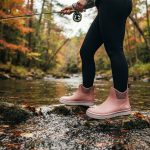
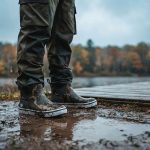
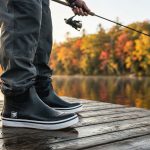
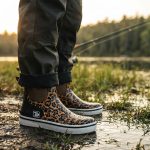
Meta Description: Learn whether deck boots are comfortable for standing all day, what causes foot fatigue, and how cushioning, arch support, fit, socks, and insoles affect comfort.
Suggested URL Slug: are-deck-boots-good-for-standing-all-day
Primary Keyword: are deck boots good for standing all day
Secondary Keywords: comfortable deck boots for standing, best fishing boots for all-day wear, deck boots with arch support, fishing boots for foot fatigue, cushioned waterproof deck boots, comfortable boots for boat fishing
Search Intent: Commercial Investigation / Informational
Deck boots are often worn for much longer than a quick walk across a wet dock.
Offshore anglers may stand beside a rod holder for hours. Charter crews move between the cockpit, fish boxes, bait stations, and washdown areas throughout the day. Boat owners may spend an entire afternoon cleaning, loading, repairing, and preparing equipment.
That raises an important question:
Are deck boots comfortable enough for standing all day?
They can be, but waterproofing alone does not make a boot suitable for long periods on your feet.
An all-day deck boot needs the right combination of fit, cushioning, arch support, heel stability, outsole flexibility, weight, and moisture control. A flat rubber boot may keep water out while still leaving your heels, arches, knees, and lower back tired before the fishing trip is over.
The deck surface also matters.
Standing on fiberglass, aluminum, concrete, or hard synthetic flooring creates different pressure than walking on grass or soft soil. Boat movement adds another challenge because your feet and lower legs constantly make small balance corrections.
This guide explains what makes deck boots comfortable for standing all day, why some waterproof fishing boots cause fatigue, how insoles and socks affect support, and what to look for when choosing footwear for long hours on boats, docks, and marine work surfaces.
Why Standing on a Boat Is More Tiring Than Standing on Land
Standing on a boat is not the same as standing on a stable floor.
Even during calm conditions, the vessel moves because of:
- Waves
- Current
- Boat wakes
- Wind
- Engine vibration
- Passenger movement
- Changes in speed
- Shifting weight
- Turns and acceleration
Your feet, ankles, calves, knees, hips, and core continuously make small adjustments.
These movements may be difficult to notice, but they increase muscular effort throughout the day.
When the deck becomes wet, anglers may also stand more rigidly because they are concerned about slipping. That tension can increase fatigue.
Supportive footwear should help create a stable platform without feeling excessively stiff.
Hard Deck Surfaces Increase Foot Pressure
Boat and marina surfaces commonly include:
- Molded fiberglass
- Aluminum
- Concrete
- Painted wood
- Synthetic marine decking
- Rubber mats
- Non-skid coatings
- Steel work decks
Hard surfaces provide little natural cushioning.
When standing for several hours, pressure often concentrates around:
- Heels
- Balls of the feet
- Outer forefoot
- Arches
- Toes
A cushioned insole and stable midsole can reduce discomfort, but the cushioning must still support balance.
Extremely soft footwear may feel comfortable initially but become unstable as the boat moves.
What Makes Deck Boots Comfortable for All-Day Standing?
Comfort depends on the complete footwear system.
Important features include:
- Correct size
- Suitable width
- Secure heel fit
- Adequate toe room
- Stable cushioning
- Appropriate arch support
- Removable insoles
- Flexible forefoot
- Supportive heel platform
- Manageable weight
- Moisture-wicking socks
- Wet-deck traction
A boot does not need to feel like an athletic shoe, but it should distribute pressure evenly and remain predictable during movement.
Cushioning and Support Are Not the Same
Cushioning reduces the feeling of impact and pressure.
Support helps control the position and movement of the foot.
A very soft insole may provide cushioning while offering little support. The foot may sink into the foam, allowing the heel and arch to move more than necessary.
A firm supportive footbed may control movement but feel uncomfortable when it provides too little pressure relief.
The best deck boots balance both qualities.
They should feel:
- Cushioned beneath the heel
- Stable around the edges
- Supportive through the arch
- Flexible beneath the forefoot
- Firm enough for controlled movement
Why Extremely Soft Deck Boots Can Feel Unstable
Soft foam may feel impressive during a short indoor test.
After several hours, it may compress and create:
- Heel sinking
- Side-to-side movement
- Reduced balance
- Uneven pressure
- Arch fatigue
- Difficulty turning
- Less precise pedal control
On a moving vessel, stability matters as much as softness.
The footbed should compress under pressure without collapsing completely.
Anglers should be able to turn, side-step, and brace without feeling as though the footwear is rolling beneath them.
Heel Cushioning
The heel receives significant pressure while standing.
Good heel cushioning may help reduce:
- Heel soreness
- Hard-deck impact
- Lower-leg fatigue
- Discomfort during long periods at the rail
- Pressure while operating a boat
However, the heel should not sit inside an excessively deep or unstable pocket.
A supportive heel design should:
- Hold the rear foot securely
- Distribute pressure
- Limit side-to-side movement
- Avoid sharp edges
- Work with the natural heel shape
Excessive heel lift can make even well-cushioned boots tiring.
Forefoot Cushioning
Anglers often shift their weight toward the front of the foot while:
- Fighting fish
- Leaning against the rail
- Operating pedals
- Reaching into fish boxes
- Working around a console
- Climbing steps
The forefoot needs enough cushioning to reduce pressure beneath the ball of the foot.
The boot should also flex near the natural forefoot joint.
A boot that bends in the wrong place may create:
- Toe gripping
- Forefoot fatigue
- Material creasing
- Pressure beneath the toes
- Unnatural walking
Correct sizing helps align the boot’s flex point with the foot.
Arch Support in Deck Boots
Many basic rubber boots have nearly flat footbeds.
This may be acceptable for short use but uncomfortable for full-day standing.
Appropriate arch support can help:
- Distribute pressure
- Stabilize the midfoot
- Reduce foot rotation
- Improve heel positioning
- Limit excessive internal movement
- Support prolonged standing
More arch support is not always better.
An arch that is too high, hard, or incorrectly positioned may cause pain.
The support should match the wearer’s foot shape rather than force the foot into an unnatural position.
Do All Anglers Need Strong Arch Support?
No.
People have different:
- Arch heights
- Foot widths
- Heel shapes
- Walking patterns
- Support preferences
- Medical histories
Some people are comfortable with moderate neutral support.
Others benefit from a more structured insole.
A person with persistent foot, knee, hip, or lower-back pain should not rely only on generic footwear advice. Professional assessment may be appropriate.
Flat Feet and Deck Boots
People with low arches or flat feet may experience:
- Increased foot spreading
- Heel rotation
- Arch fatigue
- Forefoot pressure
- Knee discomfort
- Faster insole compression
A supportive footbed may improve stability.
Look for:
- Wide enough forefoot
- Structured heel cup
- Moderate arch support
- Stable midsole
- Removable insole
- Correct boot width
Do not choose narrow boots to create artificial support.
Compression around the forefoot can increase pain and reduce circulation.
High Arches and Deck Boots
High-arched feet often place more pressure on the heel and forefoot.
Anglers with high arches may benefit from:
- Cushioned heel
- Cushioned forefoot
- Support that fills part of the arch gap
- Flexible forefoot
- Enough instep volume
An overly flat footbed may leave the arch unsupported.
An excessively high replacement insole may create instep pressure inside the boot.
Test the entire combination rather than evaluating the insole separately.
Removable Insoles Are Valuable
A removable insole allows anglers to:
- Replace compressed cushioning
- Add suitable arch support
- Improve moisture management
- Dry the boot faster
- Clean odor-producing material
- Adjust minor internal volume
- Inspect the boot interior
This can significantly extend the useful life of an otherwise healthy pair of deck boots.
When comparing waterproof fishing footwear, anglers can evaluate TruDaveGear deck boots alongside other marine options based on cushioning, removable insoles, heel stability, outsole design, and expected standing time.
When the Factory Insole Is Enough
The original insole may be sufficient when:
- Standing remains comfortable
- The heel feels stable
- Arch support feels natural
- No pressure points develop
- Feet are not unusually tired
- The insole dries adequately
- The fit remains secure
Do not replace a comfortable footbed simply because aftermarket insoles are available.
Changes can affect:
- Boot volume
- Heel height
- Toe room
- Collar contact
- Instep pressure
- Stability
Use the simplest system that remains comfortable.
When to Replace the Factory Insole
Consider a replacement when the original footbed is:
- Flattened
- Permanently compressed
- Torn
- Cracked
- Strongly odorous
- Uneven
- Lacking support
- Slow to dry
- Causing heel or arch discomfort
Inspect the insole after long periods of use.
A visible heel impression or collapsed foam may indicate that cushioning has declined.
Choosing a Replacement Insole
A suitable replacement should:
- Fit the boot without curling
- Remain stable
- Match the arch reasonably well
- Provide heel cushioning
- Avoid excessive thickness
- Dry effectively
- Maintain enough toe room
- Keep the heel below the secure collar area
The most heavily cushioned insole is not automatically the best.
Look for balanced support and stability.
Do Not Stack Several Insoles
Stacking multiple footbeds may appear to increase cushioning, but it can create:
- Instability
- Toe compression
- Instep pressure
- Excessive heel height
- Collar rubbing
- Difficulty removing the boot
- Foot sliding
Use one properly selected full-length insole.
When one insole cannot create a comfortable and secure fit, the boot may be the wrong size or shape.
Thick Insoles Can Change Boot Fit
Adding a thick insole raises the foot inside the boot.
This can reduce:
- Toe space
- Instep room
- Collar clearance
- Heel security
Test replacement insoles with the socks you intend to wear.
Walk, turn, side-step, squat, and use stairs.
Remove the insole when it causes new pressure or instability.
Heel Cups
A shaped heel cup may improve comfort by holding the heel in a consistent position.
It can help reduce:
- Heel rotation
- Side-to-side movement
- Internal friction
- Uneven pressure
- Excessive sliding
The heel cup should not create hard edges.
A narrow heel cup may cause pressure, while a cup that is too wide provides little control.
Boot Width and All-Day Comfort
Width has a major effect on long-term comfort.
Boots that are too narrow may cause:
- Toe pressure
- Forefoot pain
- Numbness
- Blisters
- Reduced circulation
- Increased fatigue
Boots that are too wide may allow:
- Foot rotation
- Heel movement
- Toe gripping
- Sock bunching
- Reduced stability
Do not size up excessively to gain width.
Look for a model with the correct forefoot shape and heel structure.
Toe Room During Long Periods of Standing
Feet may spread and swell slightly during a full day on the water.
The toe box should allow:
- Natural toe movement
- Minor swelling
- Comfortable sock thickness
- No nail contact
- No side compression
Excessive toe space is also undesirable.
The foot should not slide forward when the boat slows, turns, or crosses a wake.
Secure Heel Fit Reduces Fatigue
When boots are too loose, the feet may work harder to keep them in place.
Anglers may unconsciously:
- Curl their toes
- Grip the insole
- Stiffen the ankles
- Shorten their stride
- Avoid natural movement
This increases fatigue.
A small amount of heel lift may be normal in pull-on footwear.
Large heel movement, foot rotation, and sock sliding indicate poor fit.
Boot Weight Matters
Heavy boots require more energy during:
- Walking
- Climbing
- Stepping over seats
- Moving around the cockpit
- Boarding
- Repeated side steps
The difference may feel minor at the beginning of the day but become noticeable after several hours.
Ankle-height deck boots are usually lighter than tall commercial rubber boots.
Choose taller, heavier footwear only when the additional water coverage or workplace protection is necessary.
Lightweight Does Not Always Mean Supportive
Very light boots may reduce leg fatigue but provide minimal:
- Cushioning
- Midsole structure
- Arch support
- Underfoot protection
- Stability
Compare total comfort rather than weight alone.
The ideal boot is light enough for movement and structured enough for prolonged standing.
Outsole Stability
A stable outsole provides a predictable platform beneath the foot.
Look for:
- Wide heel contact
- Controlled flexibility
- Firm outer edges
- Appropriate wet-deck tread
- Even ground contact
- No major twisting
An outsole that is excessively narrow or soft may feel unstable.
A rigid outsole may reduce natural movement and create fatigue.
Forefoot Flexibility
Deck boots should bend at the front as the foot moves.
Too little flexibility may cause:
- Stiff walking
- Toe pressure
- Calf fatigue
- Incorrect flexing
- Difficulty squatting
Too much flexibility may reduce:
- Stability
- Underfoot protection
- Support
- Durability
The boot should flex with the forefoot while remaining stable through the heel and midfoot.
Wet-Deck Traction and Fatigue
When anglers do not trust their traction, they often stand with extra tension.
They may:
- Lock their knees
- Widen their stance
- Grip with the toes
- Move cautiously
- Stiffen the lower legs
This can increase fatigue.
A suitable outsole improves confidence, but no boot is completely slip-proof.
Keep the deck clean and remove:
- Fish slime
- Bait
- Mud
- Soap
- Oil
- Scales
- Ice
Good traction depends on footwear, deck maintenance, and controlled movement.
Marine Tread vs. Trail Tread
Marine outsoles are generally designed for hard wet surfaces.
They may use:
- Water-channeling grooves
- Broad contact areas
- Moderate tread depth
- Non-marking compounds
Trail footwear may use deep lugs for:
- Mud
- Gravel
- Loose soil
- Rocks
Deep tread may trap fish residue, mud, and gravel on a boat.
Choose the outsole for the main environment rather than the most aggressive-looking pattern.
Standing on Aluminum Decks
Aluminum can feel hard, cold, or hot depending on the weather.
Jon boat anglers should prioritize:
- Stable cushioning
- Low-profile fit
- Pedal compatibility
- Flexible forefoot
- Secure heel
- Appropriate insulation for the season
A removable floor mat may reduce pressure when it is compatible with the vessel and properly secured.
Do not add loose mats that create a tripping or sliding hazard.
Standing on Fiberglass Decks
Fiberglass boat decks are common on center consoles and offshore vessels.
Footwear should provide:
- Wet-surface traction
- Cushioning
- Stable lateral support
- Non-marking outsoles when required
- Easy cleaning
Fish slime, bait water, and washdown water may reduce traction.
Clean the deck throughout the trip.
Standing on Concrete Piers
Concrete creates continuous hard-surface pressure.
Pier anglers should prioritize:
- Thick enough midsole
- Supportive insole
- Heel cushioning
- Correct arch support
- Secure fit
- Manageable weight
A boot designed only for waterproofing may not provide enough support for hours on concrete.
Consider the walking distance to the fishing area as well as the standing time.
Standing on Commercial Work Decks
Commercial fishing and processing environments may require more than recreational comfort.
Workers may need footwear with:
- Workplace slip ratings
- Safety toes
- Chemical resistance
- Puncture protection
- Tall water coverage
- Durable construction
- Employer-approved specifications
Ordinary recreational deck boots may not meet these requirements.
Comfort is important, but required safety certification should come first.
Deck Boots vs. Tall Rubber Boots for All-Day Standing
Ankle deck boots are often more comfortable for recreational standing because they are:
- Lighter
- Less restrictive
- Easier to drive in
- Cooler
- More flexible around the ankle
- Easier to store
Tall rubber boots are better when:
- Water rises above ankle height
- Heavy washdowns are frequent
- Commercial work is involved
- Lower-leg protection is needed
- Conditions are severe
Choose only as much boot height as the environment requires.
Deck Boots vs. Fishing Shoes for All-Day Standing
Fishing shoes may offer:
- Better ventilation
- Adjustable laces
- Lower weight
- More walking support
- Precise heel fit
Deck boots offer:
- Better waterproof coverage
- Easier cleaning
- More protection from fish slime
- Better rain and spray resistance
- Slip-on convenience
For dry hot-weather use, fishing shoes may feel more comfortable.
For wet decks, rain, bait, and washdowns, deck boots usually provide better protection.
Socks Affect All-Day Comfort
Socks influence:
- Moisture control
- Cushioning
- Fit
- Friction
- Temperature
- Odor
The best general choices are:
- Synthetic performance socks
- Lightweight merino socks
- Merino-synthetic blends
Avoid cotton during long wet trips.
Cotton absorbs moisture and may stretch, bunch, and increase friction.
Sock Cushioning
Light cushioning around the heel and forefoot can improve comfort.
Too much sock thickness may:
- Compress the toes
- Restrict circulation
- Increase heat
- Create instep pressure
- Change heel fit
Choose sock weight according to the temperature and available boot space.
Sock Height
Socks should extend above the deck boot collar.
Crew-height socks usually work well with ankle boots.
Proper height helps prevent:
- Collar rubbing
- Skin irritation
- Sock sliding
- Hair pulling
- Blisters
No-show socks may expose the ankle directly to the boot opening.
Moisture Increases Foot Fatigue
Wet socks and damp insoles can make feet feel heavier and less stable.
Moisture may come from:
- Sweat
- Rain entering through the opening
- Ocean spray
- Washdowns
- Small leaks
- Damp footwear from the previous trip
Bring spare socks during long trips.
Remove the insoles and dry the boots after use.
Are Insulated Deck Boots Good for Standing All Day?
Insulated boots may be comfortable during cold, low-activity fishing.
They may become too hot when:
- Temperatures rise
- Activity increases
- The boat has shelter
- Heavy socks are worn
- The trip lasts through the afternoon
Sweat trapped inside insulated footwear can increase friction and discomfort.
Choose insulation according to the coldest sustained conditions, not a brief early-morning temperature.
Uninsulated Deck Boots for Multi-Season Use
Uninsulated boots are usually more versatile.
Warmth can be adjusted with socks during:
- Spring
- Mild fall
- Cool mornings
- Warm afternoons
However, socks cannot fully replace insulation during severe cold.
For year-round anglers, separate warm- and cold-weather footwear may provide better comfort.
Standing Still vs. Walking
Footwear that feels good while walking may not feel good during stationary standing.
Walking alternates pressure and activates more muscles.
Standing keeps pressure concentrated in similar areas.
If your fishing involves long waiting periods, prioritize:
- Heel cushioning
- Arch support
- Stable platform
- Enough toe room
- Periodic movement
Shift position regularly when safe.
Move During Long Periods of Standing
Small movements may reduce fatigue.
When conditions allow:
- Shift weight between feet
- Bend the knees slightly
- Change stance
- Walk a few controlled steps
- Stretch the calves
- Avoid locking the knees
Do not perform stretching or movement that compromises balance on a moving vessel.
Follow the captain’s instructions and remain aware of hooks, lines, and equipment.
Avoid Locking the Knees
Standing with the knees completely locked can increase discomfort.
Maintain a relaxed stance with slight knee flexion.
This helps the legs respond to boat movement.
Proper footwear supports the stance but cannot replace good body positioning.
Use Available Seating
During slow periods, use a safe seat when available.
Short seated breaks can reduce pressure on the feet and legs.
Do not sit:
- On unsecured coolers
- On wet hatches
- In operator work areas
- Where fishing lines create hazards
- Where movement interferes with the crew
Follow vessel instructions.
Anti-Fatigue Mats
Some boats and work areas use anti-fatigue mats.
A properly designed and secured mat may reduce hard-surface pressure.
It should be:
- Marine appropriate
- Slip resistant
- Easy to clean
- Secure against movement
- Thin enough to avoid tripping
- Compatible with drainage
Do not place loose household mats on a boat deck.
A moving mat may create more risk than comfort.
When Foot Pain Indicates Poor Fit
Foot discomfort may result from footwear when it appears:
- During every trip
- In the same location
- Soon after putting the boots on
- Only with one model
- Alongside numbness or rubbing
- After the insole has compressed
- When the foot slides internally
Review:
- Size
- Width
- Arch position
- Heel security
- Sock thickness
- Insole condition
Do not assume pain is unavoidable because the trip is long.
Heel Pain
Heel pain may be associated with:
- Insufficient cushioning
- Worn insoles
- Hard deck surfaces
- Excessive heel movement
- Poor support
- Long standing
- Footwear that does not match the foot
A replacement insole may help when the boot remains structurally sound.
Persistent or severe pain should receive appropriate professional evaluation.
Arch Pain
Arch discomfort may result from:
- Flat footbed
- Incorrect arch position
- Excessively high support
- Poor fit
- Foot fatigue
- Long stationary standing
An aftermarket insole may help, but it must match the boot and foot.
Do not use an aggressive arch shape simply because it is marketed as supportive.
Forefoot Pain
Pain beneath the ball of the foot may be related to:
- Thin cushioning
- Toe gripping
- Oversized boots
- Tight toe box
- Hard surface
- Long standing
- Incorrect flex point
Check whether the boot bends near the natural ball of the foot.
Excessive length may position the flex point incorrectly.
Knee and Lower-Back Fatigue
Footwear can influence alignment and muscular effort.
Worn, unstable, or poorly fitted boots may contribute to discomfort higher in the body.
Potential factors include:
- Uneven outsole wear
- Collapsed cushioning
- Foot rotation
- Excessive heel movement
- Incorrect arch support
- Heavy footwear
- Hard standing surfaces
Persistent knee, hip, or back pain should not be treated solely by buying softer boots.
Professional guidance may be necessary.
Break In New Deck Boots Gradually
Do not wear a new pair for the first time on a full-day offshore trip.
Use a gradual process:
- Wear them indoors.
- Stand for 15 to 20 minutes.
- Walk and use stairs.
- Wear them during a short outdoor chore.
- Test them on a brief fishing trip.
- Inspect your feet afterward.
Break-in may soften the material slightly.
It cannot correct the wrong size, width, arch shape, or heel fit.
At-Home All-Day Comfort Test
A short home test cannot reproduce a full fishing day, but it can reveal major problems.
Wear the intended socks and spend 20 to 30 minutes:
- Standing
- Walking
- Turning
- Side-stepping
- Squatting
- Using stairs
- Simulating pedal movement
Pay attention to:
- Heel pressure
- Arch pressure
- Toe compression
- Foot rotation
- Cushioning
- Collar rubbing
- Heat buildup
Keep new boots clean until you are confident about the fit.
Compare Both Feet
One foot may be larger, wider, or more sensitive.
Check each boot separately.
Look for:
- Uneven heel movement
- One-sided pressure
- Different arch contact
- Toe contact
- Ankle rubbing
Choose a size that accommodates the larger foot.
Minor differences may be managed with socks or an appropriate insole, but stability must remain consistent.
Standing Comfort for Offshore Fishing
Offshore anglers should prioritize:
- Waterproof protection
- Stable cushioning
- Wet-deck outsole
- Secure heel
- Easy cleaning
- Manageable weight
- Appropriate socks
- Correct rain-bib overlap
The ride offshore may be cold, while the afternoon becomes warm.
Choose a footwear system that works through changing conditions.
Standing Comfort for Tuna and Big-Game Fishing
Tuna and other big-game trips may involve:
- Long trolling periods
- Sudden intense movement
- Heavy rods
- Fighting belts
- Fish slime
- Blood
- Washdowns
Footwear should remain comfortable while standing and stable during fast movement.
Soft unstable cushioning may feel poor when multiple lines need to be cleared.
Standing Comfort for Bottom Fishing
Red snapper, grouper, and halibut fishing may involve long periods beside one rod position.
Anglers repeatedly:
- Lift heavy rigs
- Brace against the rail
- Shift weight
- Reel under load
- Handle bait
Stable heel and arch support can reduce fatigue.
Cold-water halibut fishing may require insulation, while Gulf Coast fishing usually benefits from uninsulated footwear.
Standing Comfort for Charter Crew
Charter crews may remain on their feet for most of the day.
They should consider:
- Cushioning durability
- Replaceable insoles
- Easy cleaning
- Correct work rating
- Boot height
- Water exposure
- Multiple-pair rotation
Professional users may wear through insoles and outsoles faster than recreational anglers.
Inspect footwear regularly rather than waiting for a visible hole.
Standing Comfort for Boat Cleaning
Boat cleaning involves bending, squatting, and repeated movement.
The footwear should provide:
- Wet-surface traction
- Flexible forefoot
- Secure heel
- Waterproof upper
- Easy-rinse exterior
- Stable cushioning
Soap can make every surface slippery.
No outsole eliminates the need for careful movement.
How Long Should Deck Boots Remain Comfortable?
There is no universal number of hours.
Comfort depends on:
- Individual feet
- Boot design
- Surface
- Body weight
- Activity
- Weather
- Sock choice
- Insole condition
- Fit
- Previous injuries
A suitable boot should not create severe pain, numbness, or instability during ordinary use.
Minor fatigue after a long day may be normal.
Increasing pain during every trip suggests that the fit or footwear condition needs attention.
Signs the Boots Are No Longer Supportive
Deck boots may lose comfort before they begin leaking.
Replacement or insole changes may be needed when:
- Feet become tired sooner
- Heel cushioning feels flat
- Arch support has disappeared
- The foot rotates more
- Knee or back fatigue increases
- The insole has permanent impressions
- The midsole feels uneven
- The heel structure has collapsed
Compare the boots with how they felt when new.
Gradual wear can be difficult to notice.
When a New Insole May Extend Boot Life
A replacement insole may be worthwhile when:
- The upper remains waterproof
- Tread remains healthy
- Outsole is attached
- Heel structure is stable
- Fit is still appropriate
- The original footbed is worn
A new insole cannot repair:
- Smooth tread
- Structural cracks
- Outsole separation
- Warped shape
- Incorrect sizing
- Collapsed midsole
Evaluate the complete boot.
When to Replace the Boots
Replace deck boots when they have:
- Severe tread wear
- Major leaks
- Structural cracking
- Outsole separation
- Collapsed cushioning
- Unstable heel
- Permanent deformation
- Painful fit
- Torn internal lining
- Repeated repair failure
Waterproofing is only one performance feature.
A dry boot that is unstable or painful is not suitable for all-day marine use.
Rotate Between Two Pairs
Frequent anglers, guides, captains, and marine workers may benefit from rotating footwear.
Rotation allows each pair time to:
- Dry
- Release moisture
- Recover from compression
- Be cleaned
- Be inspected
A second pair may also provide different features.
For example:
- Lightweight uninsulated boots for warm weather
- Insulated boots for cold conditions
- Tall rubber boots for heavy washdowns
- Lace-up shoes for long walking
Post-Trip Care Protects Cushioning
After fishing:
- Rinse saltwater and fish residue.
- Clean the outsole.
- Remove the insoles.
- Dry the boots with gentle airflow.
- Dry the footbeds separately.
- Store away from heat.
- Avoid crushing the footwear.
Do not leave deck boots inside a hot vehicle.
Heat can affect foam, adhesives, shape, and cushioning.
Do Not Dry Insoles With High Heat
High heat may:
- Warp foam
- Separate layers
- Shrink fabric
- Harden cushioning
- Change the insole shape
Press wet insoles between towels and allow them to air dry.
Use a compatible no-heat dryer when appropriate.
Common All-Day Deck Boot Comfort Mistakes
Choosing the Softest Boot
Softness does not guarantee support or stability.
Ignoring Width
Incorrect width creates pressure or movement.
Buying Boots Too Large
Loose boots make the feet work harder.
Wearing Flat Worn Insoles
Compressed footbeds reduce cushioning.
Stacking Multiple Insoles
Too much height creates instability and pressure.
Wearing Cotton Socks
Cotton holds moisture and increases friction.
Choosing Tall Boots Without Need
Extra material adds heat and weight.
Wearing New Boots for a Full-Day Trip
Test them gradually first.
Ignoring Tread Wear
Reduced confidence in traction increases muscular tension.
Assuming Foot Pain Is Normal
Persistent pain deserves attention.
All-Day Deck Boot Buying Checklist
Fit
- Correct length
- Correct width
- Secure heel
- Comfortable instep
- Adequate toe room
- Limited foot rotation
Cushioning
- Stable heel cushioning
- Forefoot pressure relief
- No excessive softness
- Durable midsole
- Removable footbed
Support
- Appropriate arch shape
- Structured heel cup
- Stable outsole
- Controlled flexibility
Marine Performance
- Waterproof construction
- Wet-deck traction
- Easy cleaning
- Appropriate boot height
- Non-marking outsole when required
Climate
- Uninsulated for warm weather
- Insulated when genuinely needed
- Enough room for appropriate socks
- Manageable heat buildup
Practical Use
- Comfortable for driving
- Compatible with pedals
- Easy enough to remove
- Suitable for walking distance
- Light enough for long wear
Final Thoughts
Deck boots can be comfortable for standing all day when they provide more than waterproof protection.
The best all-day fishing boots combine correct fit, stable cushioning, appropriate arch support, secure heel contact, manageable weight, and an outsole suited to wet hard surfaces.
Avoid judging comfort only by softness.
Extremely soft foam may compress and feel unstable on a moving boat.
Look for cushioning that reduces heel and forefoot pressure while maintaining a firm, predictable platform.
Choose the correct width.
Allow enough toe room for natural movement and minor swelling.
Limit excessive heel slip and internal foot rotation.
Wear synthetic or merino-blend socks that manage moisture and remain above the boot collar.
Removable insoles make cleaning, drying, replacement, and support adjustment easier.
Replace worn footbeds when the rest of the boot remains structurally healthy.
Use taller or heavier boots only when water depth, weather, or workplace requirements justify them.
For most recreational anglers, low-profile waterproof deck boots offer a useful balance of mobility, protection, and all-day comfort.
Test new footwear gradually before a full-day charter or offshore trip.
Pay attention to heel, arch, forefoot, knee, and lower-back fatigue.
The right deck boots should help you remain stable and comfortable from the first cast to the final washdown without making your feet the main thing you remember about the trip.
Frequently Asked Questions
Are deck boots comfortable for standing all day?
They can be when they fit correctly and provide stable cushioning, appropriate arch support, secure heel contact, and enough toe room.
Do deck boots have arch support?
Support varies by model. Some include shaped removable footbeds, while basic rubber boots may have relatively flat insoles.
Can I add arch-support insoles to deck boots?
Yes, when the original footbed is removable and the replacement fits without compressing the toes or instep.
Are softer deck boots better for standing?
Not always. Excessively soft cushioning may compress and feel unstable. Balanced cushioning and support are more important than softness alone.
Why do my feet hurt after standing in deck boots?
Possible causes include poor fit, worn insoles, inadequate cushioning, incorrect arch support, excessive heel movement, hard surfaces, or long periods without movement.
Are ankle deck boots better than tall rubber boots for standing?
Ankle deck boots are usually lighter and less restrictive. Tall boots are better when deeper water, heavy washdowns, or commercial work require additional coverage.
What socks are best for standing all day in deck boots?
Wear synthetic or merino-blend socks with moisture management, secure cuffs, and appropriate cushioning. Avoid cotton.
Should deck boots fit tightly for better support?
No. They should fit securely without compressing the toes, forefoot, instep, or circulation.
How much heel slip is normal?
A small amount may be normal in pull-on boots. Significant lifting, rubbing, rotation, or instability indicates poor fit.
Can new insoles make old deck boots comfortable again?
They may help when the outsole, upper, midsole, heel structure, and fit remain healthy. Insoles cannot repair structural failure.
Are deck boots good for standing on concrete piers?
They can be, provided they have sufficient cushioning and support. Concrete is highly abrasive and may also wear marine outsoles faster.
Are deck boots good for commercial fishing shifts?
Some are, but professional work may require certified slip resistance, safety toes, chemical resistance, or other workplace protection.
Why do my knees hurt after wearing deck boots?
Worn cushioning, unstable fit, incorrect support, heavy footwear, and prolonged hard-surface standing may contribute. Persistent pain should receive appropriate professional evaluation.
Should I wear insulated deck boots for all-day fishing?
Choose insulation only for consistently cold conditions. Insulated boots may cause excessive sweating during mild or warm weather.
How do I test deck boots before a full-day trip?
Wear them indoors with the intended socks, then test standing, walking, turning, side steps, stairs, and squatting before using them on a short fishing trip.
When should comfortable deck boots be replaced?
Replace them when tread, cushioning, waterproofing, heel stability, lining, or structural support can no longer be trusted.