Meta Description: Learn what to wear grouper fishing, including deck boots, fishing bibs, leader gloves, sun protection, rain gear, and clothing for heavy offshore bottom fishing.
Suggested URL Slug: what-to-wear-grouper-fishing
Primary Keyword: what to wear grouper fishing
Secondary Keywords: grouper fishing clothes, bottom fishing outfit, shoes for grouper fishing, deck boots for offshore fishing, grouper fishing gloves, Gulf Coast fishing clothing, offshore bottom fishing gear
Search Intent: Informational / Commercial Investigation
Grouper fishing is not a light-duty day on the water.
Whether you are dropping live bait over Gulf Coast reefs, working jigs around Atlantic wrecks, or fishing hard bottom from a charter boat, grouper fishing usually involves heavy tackle, strong drag settings, thick leaders, large hooks, and fish determined to reach structure.
The physical demands affect what you should wear.
Anglers may spend hours standing over a wet deck, repeatedly lowering heavy rigs, bracing against the boat, clearing lines, handling bait, and moving quickly when a fish reaches the surface.
The deck may become covered with saltwater, bait residue, fish slime, ice, and washdown water. Grouper also have rough mouths, stiff fins, sharp gill-cover edges, and powerful bodies that can make careless handling difficult.
The best grouper fishing outfit should protect your feet, hands, skin, and clothing without restricting movement.
This guide explains what to wear grouper fishing, including waterproof deck boots, fishing bibs, gloves, shirts, pants, socks, sun protection, and weather layers for offshore bottom-fishing trips.
Why Grouper Fishing Clothing Needs to Be Durable
Grouper fishing places anglers in close contact with heavy fishing equipment.
A typical setup may include:
- Heavy conventional or spinning rods
- Large reels
- Thick braided line
- Heavy monofilament or fluorocarbon leaders
- Large circle hooks
- Substantial sinkers
- Live or cut bait
- Rod belts
- Gaffs
- Landing nets
- Large fish boxes
The fishing can shift from slow waiting to intense effort within seconds.
Once a grouper takes the bait, the angler may need to apply immediate pressure before the fish reaches rocks, wrecks, ledges, or reef structure.
Your clothing should allow you to brace, lift, bend, and move without catching on equipment.
It should also protect you from the wet, dirty, and abrasive conditions that come with offshore bottom fishing.
Dress for the Boat Ride and the Fishing Grounds
Conditions at the dock may be different from conditions offshore.
A grouper trip may begin before sunrise with cool air, damp docks, and a windy boat ride. By midday, the sun may be intense and the humidity uncomfortable.
Prepare for:
- Early-morning wind
- Ocean spray
- Direct sunlight
- Sudden rain
- High humidity
- Long periods without shade
- Cold return trips
- Changing sea conditions
A lightweight layering system allows you to adjust throughout the day.
Do not wear one heavy jacket that becomes useless once the temperature rises.
Use a Three-Layer Offshore Clothing System
A practical offshore system includes:
- Moisture-wicking base layer
- Lightweight insulating layer
- Waterproof and wind-resistant outer layer
You may not wear all three layers during the entire trip.
The advantage is being able to remove one layer at a time as conditions change.
Base Layer: Keep Moisture Away From Your Skin
The base layer should dry quickly and manage sweat.
Good options include:
- Synthetic performance fishing shirts
- Lightweight merino wool shirts
- Thermal synthetic layers in cold weather
- Long-sleeve sun shirts
Avoid heavy cotton.
Cotton absorbs sweat, rain, spray, and bait water. Once wet, it may stay damp for hours.
A wet cotton shirt can become uncomfortable when the wind increases or the boat begins the return trip.
Mid Layer: Add Warmth Without Restricting Movement
The mid layer is useful during early departures and cold offshore runs.
Suitable options include:
- Lightweight fleece
- Thin synthetic jacket
- Performance fishing hoodie
- Insulated vest
- Merino wool pullover
The layer should fit comfortably under your waterproof shell.
You should still be able to:
- Lift a heavy rod
- Use a fighting belt
- Bend toward the rail
- Reach into a baitwell
- Move around the cockpit
- Handle a landing net
Avoid oversized sweatshirts with long cords or loose sleeves.
Grouper boats may contain large hooks, rod holders, cleats, gaffs, and other snagging hazards.
Outer Layer: Block Wind, Spray, and Rain
A lightweight waterproof shell is one of the most useful pieces of offshore clothing.
It protects against:
- Wind during the boat ride
- Ocean spray
- Rain
- Cool morning temperatures
- Water from deck washdowns
Look for:
- Adjustable cuffs
- Secure hood
- High collar
- Full shoulder mobility
- Enough room for layers
- Packable construction
- Corrosion-resistant hardware where possible
Avoid loose rain ponchos.
They can catch wind and become tangled around rods, hooks, rails, and boat equipment.
What Shirt Should You Wear Grouper Fishing?
A lightweight long-sleeve fishing shirt is the most versatile choice.
It provides coverage from:
- Sun
- Bait
- Fish slime
- Spray
- Minor contact with leader material
- Cool offshore wind
Choose a shirt with quick-drying fabric and a secure fit.
Useful features include:
- Breathable panels
- Comfortable cuffs
- High neckline
- Stretch
- Lightweight construction
- Minimal loose straps
A fishing shirt should allow unrestricted arm movement while keeping excess fabric away from reels and hooks.
Should You Wear a Sun Hoodie?
A lightweight sun hoodie works well during warm offshore trips.
The hood can protect the neck, ears, and sides of the face from direct sunlight.
Choose a performance hoodie rather than a thick cotton sweatshirt.
The hood should fit securely enough that it does not blow into your eyes or block peripheral vision.
Secure or remove long drawstrings.
What Pants Should You Wear?
Quick-drying fishing pants are usually the most practical option.
They protect the legs from:
- Direct sun
- Fish slime
- Bait
- Hooks
- Rod butts
- Heavy sinkers
- Cooler edges
- Wet seats
- Grouper fins
Choose pants that provide:
- Flexibility
- Breathability
- Secure pockets
- Comfortable seated fit
- Easy cleaning
- Tapered or adjustable cuffs
Avoid jeans when water exposure is likely.
Wet denim becomes heavy, stiff, and slow to dry.
Can You Wear Shorts Grouper Fishing?
Shorts can work during hot-weather trips, especially when the boat has shade and conditions remain calm.
However, shorts leave the legs exposed to:
- Sunburn
- Fish spines
- Hooks
- Bait residue
- Wet deck equipment
- Rod belts
- Cooler corners
- Grouper movement on deck
Lightweight pants generally provide more complete protection during full-day bottom-fishing trips.
When wearing shorts, choose quick-drying fishing shorts with enough length to protect the thighs.
Fishing Bibs for Grouper Fishing
Waterproof fishing bibs are particularly useful during offshore bottom fishing.
They help protect clothing from:
- Cut bait
- Live bait water
- Fish slime
- Blood
- Ocean spray
- Rain
- Ice
- Cooler drainage
- Deck washdowns
Bibs also prevent water from entering around the waist more effectively than ordinary rain pants.
For warm Gulf or Atlantic conditions, lightweight uninsulated bibs are usually the most practical choice.
What to Look for in Fishing Bibs
Good grouper-fishing bibs should allow:
- Full knee movement
- Comfortable bending
- Easy sitting
- Access to pockets
- Unrestricted walking
- Proper overlap with deck boots
- Enough ventilation for the climate
Reinforced knees and seat areas can be useful for anglers who frequently kneel around fish boxes or tackle.
Avoid excessively loose cuffs that drag across the deck.
Lightweight vs. Heavy-Duty Bibs
Choose lightweight bibs for:
- Recreational charters
- Warm-weather fishing
- Occasional rain
- Routine fish handling
- Moderate spray
Choose heavier commercial-style bibs for:
- Professional crew work
- Cold weather
- Constant washdowns
- Frequent fish processing
- Severe offshore conditions
Heavier gear provides more protection but can increase heat and fatigue.
Best Footwear for Grouper Fishing
Grouper fishing footwear should protect against water, hooks, fish spines, heavy weights, and deck equipment.
Look for:
- Closed-toe construction
- Secure fit
- Wet-surface traction
- Waterproof or quick-draining materials
- Stable cushioning
- Easy cleaning
- Appropriate boot height
Common options include:
- Waterproof ankle deck boots
- Tall rubber fishing boots
- Closed-toe fishing shoes
- Quick-draining boat shoes
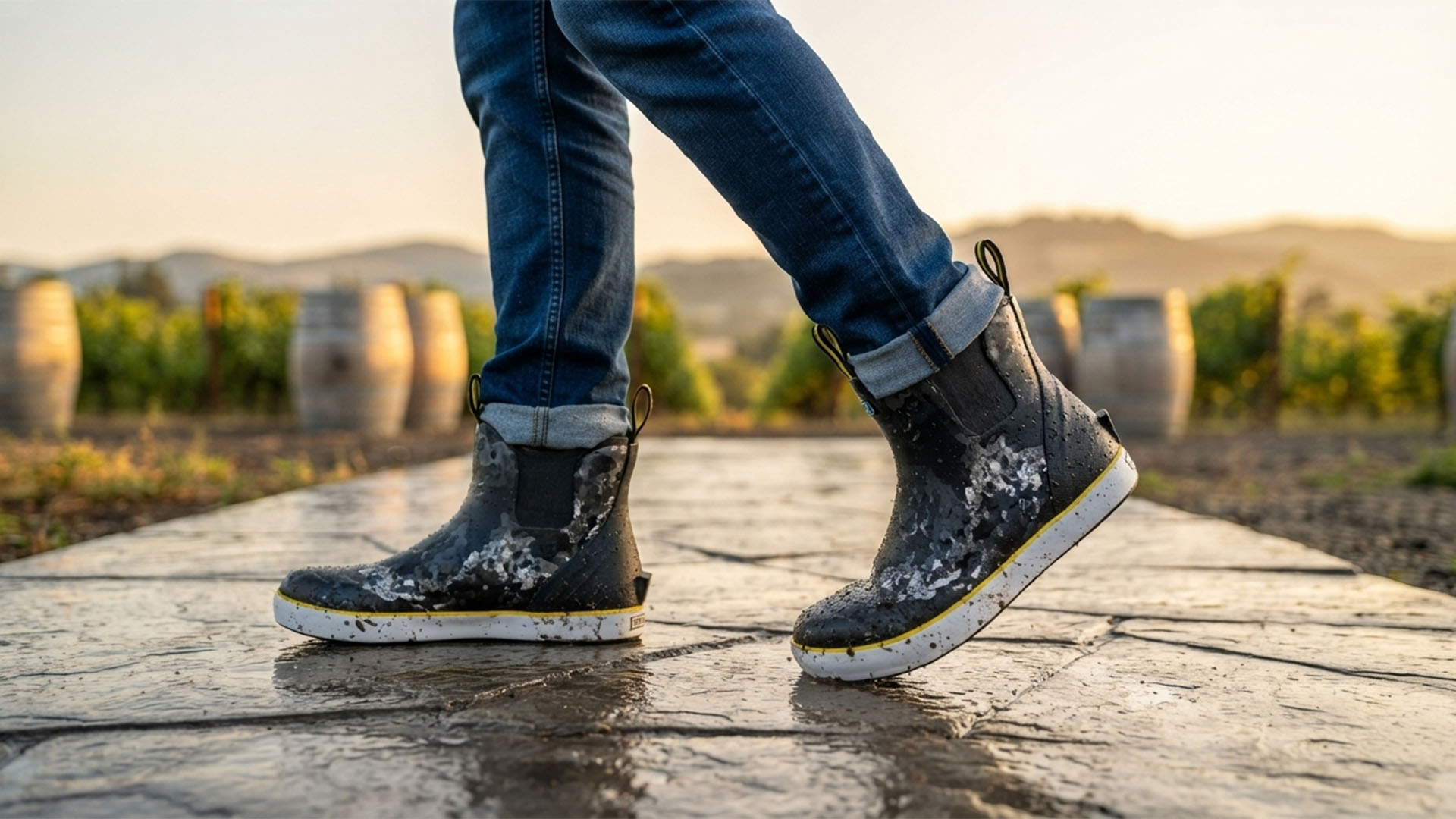
For most recreational grouper trips, ankle deck boots provide a strong balance of waterproof protection, mobility, and comfort.
Why Deck Boots Work Well for Grouper Fishing
Bottom-fishing boats can become wet quickly.
Water may come from:
- Ocean spray
- Rain
- Baitwells
- Fish boxes
- Cooler drainage
- Landing fish
- Deck washdowns
Ankle deck boots protect against shallow standing water without adding the bulk of knee-high rubber boots.
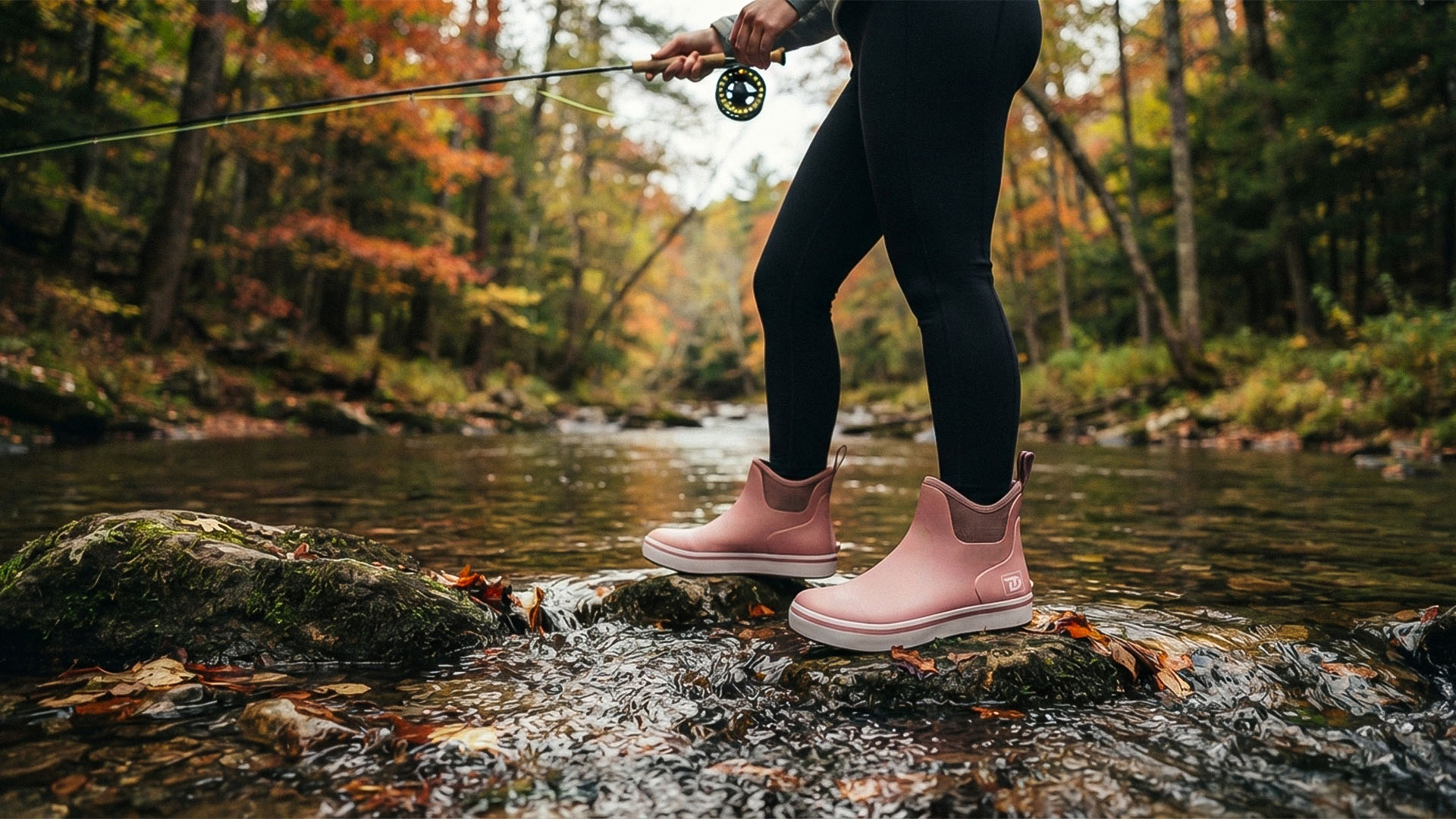
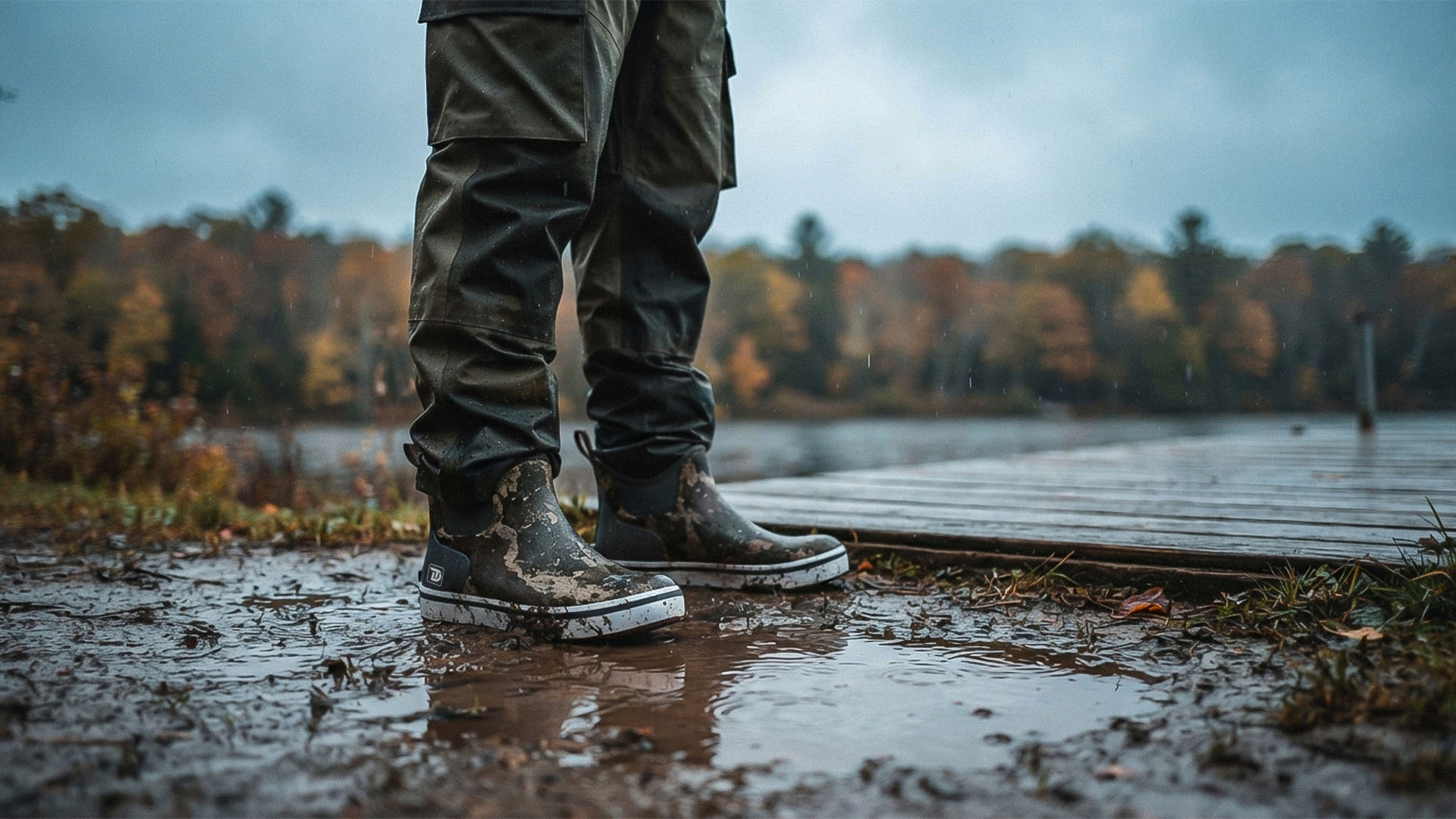
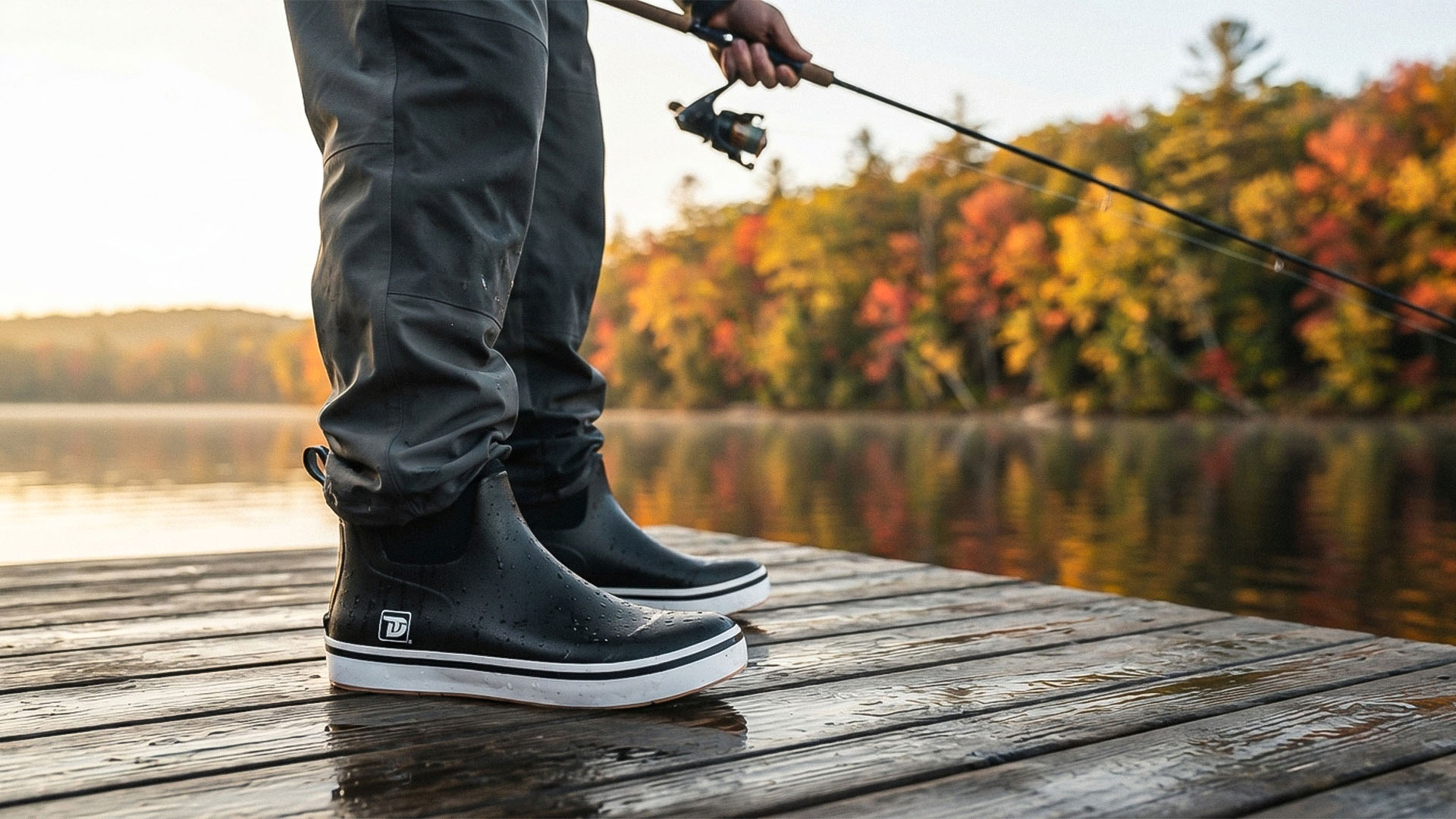
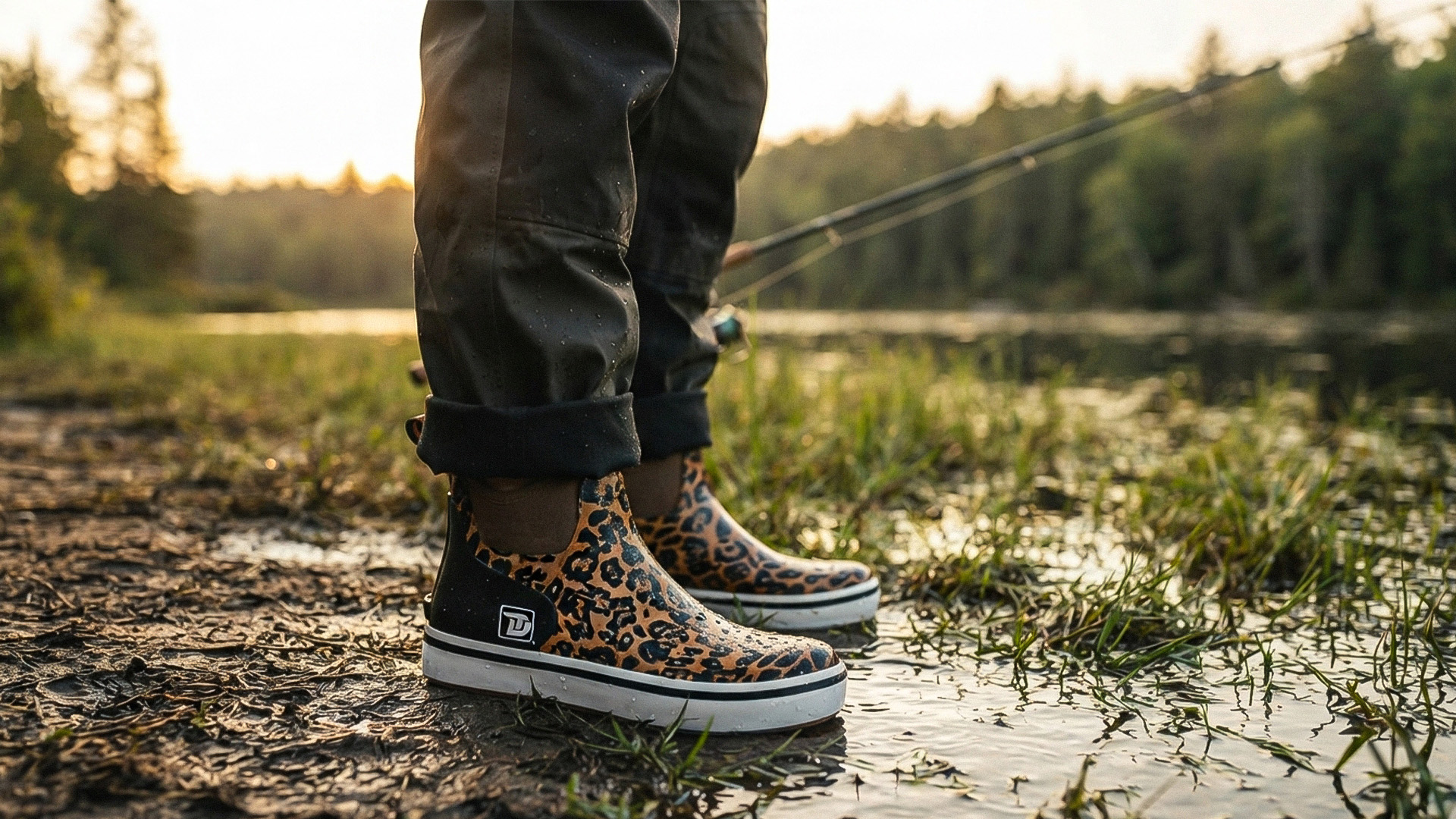
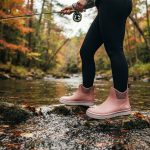
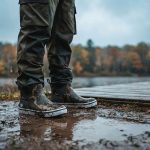
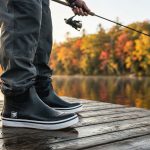
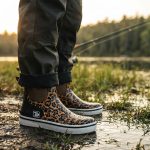
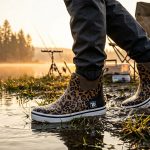
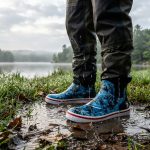
Anglers comparing offshore footwear can review TruDaveGear waterproof deck boots alongside other fishing-specific options designed for wet boat decks.
Consider:
- Fit
- Outsole design
- Cushioning
- Weight
- Waterproof construction
- Ease of cleaning
- Expected water depth
A good deck boot should remain stable when the angler braces against the rail or moves around the cockpit.
When Tall Rubber Boots Are Better
Tall rubber fishing boots may be the better choice when:
- Water regularly rises above ankle height
- Heavy washdowns are constant
- The trip involves commercial fishing
- Weather conditions are severe
- Lower-leg protection is important
- Cold water and air require more coverage
Tall boots provide more protection but also add:
- Weight
- Heat
- Storage volume
- Lower-leg restriction
For many recreational charter and center-console trips, ankle boots provide enough coverage.
Quick-Draining Fishing Shoes
Quick-draining shoes may be more comfortable in extremely hot conditions where wet feet are expected.
They are useful for:
- Tropical fishing
- Beach boarding
- Warm inshore trips
- Boats with constantly wet decks
Choose a closed-toe model with a secure heel.
Loose water shoes may shift when the angler braces against heavy drag.
The outsole should provide enough stability on hard wet surfaces.
Avoid Flip-Flops and Open Sandals
Grouper fishing involves heavy equipment.
Open footwear provides limited protection from:
- Large hooks
- Heavy sinkers
- Fish spines
- Knives
- Gaffs
- Coolers
- Hatches
- Rod holders
A large sinker or fish dropped onto an exposed foot can cause injury.
Secure closed-toe footwear is the better choice.
Choose the Right Wet-Deck Outsole
Boat decks may use:
- Molded fiberglass
- Non-skid coatings
- Synthetic decking
- Rubber mats
- Painted surfaces
- Wood
The outsole should provide stable contact on wet hard surfaces.
Look for:
- Wide contact area
- Water-channeling tread
- Stable heel platform
- Moderate flexibility
- Non-marking materials when required
Deep hiking lugs may collect bait, scales, mud, and other debris.
No outsole is completely slip-proof.
Keep the deck clean and take controlled steps.
Cushioning for Heavy Bottom Fishing
Grouper anglers may spend hours standing in one location and repeatedly lifting heavy rigs.
The boat’s movement adds additional stress because the feet and legs constantly adjust.
Footwear should provide:
- Supportive removable insoles
- Stable heel cushioning
- Correct width
- Enough toe room
- Minimal heel lift
- Moderate arch support
- Manageable overall weight
Extremely soft foam may feel comfortable initially but compress under prolonged standing.
Choose cushioning that remains stable under load.
Test New Boots Before the Trip
Do not make a full-day grouper charter the first time you wear new boots.
Wear them during:
- Short boat trips
- Yard work
- Marina visits
- Boat cleaning
- Indoor fit tests
Check for:
- Heel rubbing
- Toe pressure
- Excessive warmth
- Sock compatibility
- Arch discomfort
- Difficulty removing the boots
Footwear problems become harder to solve once the boat is far offshore.
What Socks Should You Wear?
Wear socks that manage moisture and reduce friction.
Hot Weather
Use lightweight synthetic or thin merino-blend socks.
Mild Weather
Use light or medium-weight moisture-wicking socks.
Cold Conditions
Use medium or heavyweight merino wool socks with enough boot space.
Avoid cotton.
Cotton absorbs sweat and water, dries slowly, and can increase blister risk.
Bring Spare Socks
Even waterproof boots can become wet inside because of:
- Sweat
- Rain entering through the opening
- Heavy spray
- Deck washdowns
- Small leaks
- Accidental water exposure
Keep at least one dry pair in a waterproof bag.
Changing socks during a full-day trip can significantly improve comfort.
Keep Bib Legs Outside the Boot Openings
Waterproof bibs and rain pants should generally overlap the outside of ankle deck boots.
This directs water down the exterior.
Tucking bib legs inside short boots can funnel water into the openings.
Once water enters waterproof footwear, it may remain trapped for hours.
Gloves for Grouper Fishing
Gloves are particularly useful during grouper fishing because the tackle and fish can be abrasive.
Possible options include:
- Lightweight sun gloves
- Leader-handling gloves
- Fish-handling gloves
- Bait gloves
- General-purpose fishing gloves
- Cold-weather gloves
One glove may not work for every task.
A thin sun glove does not provide the same protection as a heavy leader glove.
Leader-Handling Gloves
Heavy grouper leaders can place significant pressure on the hands.
Do not wrap fishing line or leader around bare fingers.
Use appropriate gloves and techniques when handling heavy leader material.
First-time charter guests should follow the crew’s instructions and allow experienced crew members to manage difficult leadering tasks.
Improper handling can cause line cuts, burns, or sudden loss of control.
Fish-Handling Gloves
Grouper have rough mouths, strong bodies, and stiff fins.
Fish-handling gloves can improve grip and reduce direct contact with slime and rough surfaces.
However, gloves do not eliminate the risk of:
- Hooks
- Gill-cover edges
- Dorsal spines
- Sudden fish movement
Keep hands away from the hook and mouth unless you are using proper tools.
Grouper Spines and Gill Plates
Grouper have stiff dorsal spines and rough gill-cover areas.
When handling a fish:
- Control the body securely
- Avoid pressing against raised dorsal spines
- Keep fingers away from exposed hooks
- Use appropriate grips or tools
- Follow the captain’s instructions
- Do not allow large fish to move freely around the deck
Long pants and closed footwear provide additional protection when fish are being landed.
Protect Your Hands From Hooks
Bottom-fishing rigs may use large circle hooks and multiple connections.
Keep hooks secured when rigs are not in use.
Use:
- Hook covers
- Rig holders
- Tackle boxes
- Rod hook keepers
- Protective storage
Do not leave baited hooks loose on the deck.
Heavy Sinkers and Foot Protection
Grouper rigs may use heavy sinkers to reach deep water and hold bottom.
Keep weights secured.
Do not allow sinkers to swing freely while moving around the boat.
Closed-toe deck boots provide basic protection from minor impacts, but most are not safety-toe footwear.
Keep your feet clear of hanging rigs and fish boxes.
Fighting Belts and Clothing
Heavy grouper fishing may involve a fighting belt.
The belt should sit securely against the body without pressing hard objects from pockets into the waist.
Wear clothing that remains smooth beneath the belt.
Avoid:
- Bulky waist pockets
- Large belt buckles
- Phones in front pockets
- Hanging tools
- Thick jacket folds
Follow the crew’s guidance when positioning the belt and rod.
Sun Protection Offshore
Grouper trips may involve hours of direct sunlight.
Water reflects ultraviolet exposure upward toward the face, neck, and hands.
Use:
- Long-sleeve sun shirt
- Broad-spectrum sunscreen
- Secure hat
- Polarized sunglasses
- Neck gaiter
- Lip protection
- Lightweight sun gloves
Apply sunscreen before leaving the dock.
Reapply according to the product instructions.
Commonly Missed Sun-Exposure Areas
Pay attention to:
- Ears
- Back of the neck
- Hands
- Lower legs
- Tops of feet
- Under the chin
- Areas around sunglasses
- Open shirt collars
Cloud cover does not eliminate ultraviolet exposure.
Best Hat for Grouper Fishing
Choose a hat that remains secure during fast offshore travel.
Suitable options include:
- Fitted fishing cap
- Performance sun hat
- Wide-brim hat with a chin strap
- Lightweight waterproof hat
- Knit cap for cold mornings
Use a retainer strap when necessary.
Loose hats often disappear during the first high-speed run.
Polarized Sunglasses
Polarized sunglasses reduce glare and protect the eyes from:
- Bright sunlight
- Hooks
- Bait
- Wind
- Spray
- Flying debris
They may also help you see:
- Surface activity
- Bait
- Floating debris
- Color changes
- Nearby structure markers
- Other vessels
Use a secure retainer and bring a backup pair.
Neck Gaiter
A lightweight neck gaiter provides coverage around:
- Neck
- Ears
- Lower face
- Sides of the head
It can also provide wind and spray protection during the boat ride.
Choose a breathable, quick-drying fabric for warm-weather fishing.
What to Wear on an Early-Morning Grouper Trip
A practical early-morning outfit includes:
- Moisture-wicking long-sleeve shirt
- Lightweight fleece or hoodie
- Windproof waterproof shell
- Quick-drying pants
- Fishing bibs
- Waterproof deck boots
- Medium-weight socks
- Secure hat
- Light gloves
- Neck gaiter
Remove insulation gradually as the day warms.
Store removed layers in a dry bag.
What to Wear During Summer
A summer grouper outfit may include:
- Lightweight long-sleeve sun shirt
- Quick-drying pants or shorts
- Uninsulated deck boots
- Thin synthetic socks
- Hat
- Polarized sunglasses
- Neck gaiter
- Sunscreen
- Lightweight rain shell
- Packable fishing bibs
Hydration and heat management are essential.
Choose light fabrics and avoid unnecessary insulation.
What to Wear During Spring
Spring offshore conditions may include cool mornings, wind, rain, and warmer afternoons.
Wear:
- Moisture-wicking base layer
- Lightweight fleece
- Waterproof shell
- Fishing pants
- Deck boots
- Medium-weight synthetic or merino socks
- Hat
- Light gloves
Bring a dry shirt and spare socks.
What to Wear During Fall
Fall grouper trips may begin and end in cool conditions.
Wear:
- Long-sleeve base layer
- Lightweight insulation
- Windproof waterproof shell
- Fishing bibs
- Quick-drying pants
- Waterproof deck boots
- Merino socks
- Warm hat
- Gloves
- Neck gaiter
Keep sun protection available for the middle of the day.
What to Wear During Winter
A winter grouper outfit may require:
- Thermal base layers
- Fleece or synthetic insulation
- Waterproof and windproof jacket
- Heavy fishing bibs
- Insulated pants
- Warm socks
- Insulated waterproof boots
- Warm hat
- Waterproof gloves
- Neck gaiter
- Complete dry clothing backup
Do not make boots too tight with heavy socks.
Restricted circulation can make feet colder.
What to Wear During Rain
A rainy offshore outfit includes:
- Waterproof hooded jacket
- Waterproof bibs
- Moisture-wicking base layer
- Waterproof deck boots
- Synthetic or merino socks
- Brimmed hat under the hood
- Spare socks
- Dry shirt
- Dry gloves
Adjust jacket cuffs and bib closures before the rain becomes heavy.
What to Wear on a Grouper Charter
Before a charter, ask:
- What footwear is recommended?
- Are non-marking soles required?
- Is rain gear provided?
- How long is the trip?
- How far offshore will the boat travel?
- Is there dry storage?
- Are gloves recommended?
- Will fish be cleaned onboard?
- Should passengers bring food and water?
A practical charter outfit includes:
- Long-sleeve fishing shirt
- Quick-drying pants or shorts
- Waterproof jacket
- Fishing bibs when recommended
- Deck boots or approved fishing shoes
- Hat
- Polarized sunglasses
- Spare socks
- Small dry bag
Follow the captain’s instructions.
Clothing That Can Get Dirty
Grouper fishing can expose clothing to:
- Live bait
- Cut bait
- Fish slime
- Blood
- Saltwater
- Ice
- Cooler drainage
- Cleaning water
Wear clothing that can be washed easily.
Avoid delicate garments or items that must remain spotless.
Use a Small Dry Bag
A dry bag protects:
- Phone
- Wallet
- Keys
- Medication
- Spare socks
- Dry shirt
- Backup sunglasses
- Batteries
- Fishing license
Do not assume every boat compartment is completely dry.
Keep contaminated clothing separate from clean items.
Bring a Dry Shirt
A dry shirt is useful after:
- Rain
- Heavy sweating
- Spray
- Fish handling
- Deck washdowns
Changing before the return trip can reduce discomfort from wind exposure.
Prepare for Heat and Humidity
Waterproof bibs, boots, and long sleeves can trap heat when the materials are too heavy.
Manage heat by:
- Wearing lightweight fabrics
- Choosing uninsulated boots
- Removing unnecessary layers
- Using jacket ventilation
- Drinking water regularly
- Changing damp socks
- Taking shade breaks when available
Do not remove essential sun protection simply because the wind makes conditions feel cooler.
Seasickness and Clothing
Seasickness may feel worse when clothing is too hot, tight, or wet.
Wear adjustable layers.
Bring:
- Appropriate motion-sickness medication
- Water
- Light snacks
- Small towel
- Dry shirt
- Sealable bags
Follow medication instructions and consider possible side effects.
Keep Clothing Away From Fishing Equipment
A grouper boat may contain:
- Large hooks
- Heavy sinkers
- Gaffs
- Rod holders
- Cleats
- Fish boxes
- Leader material
- Cutting tools
- Fighting belts
Avoid:
- Long drawstrings
- Loose sleeves
- Hanging straps
- Loose scarves
- Open pockets
- Unsecured hoods
Streamlined clothing reduces snagging risk.
Keep the Deck Clear
Store removed jackets, gloves, and bags in designated areas.
Do not leave clothing:
- Near rod holders
- On the cockpit floor
- Around fish boxes
- Beside the helm
- Across walkways
A clear deck becomes especially important when several anglers hook fish at the same time.
Cleaning Deck Boots After Grouper Fishing
After the trip:
- Rinse the boots with fresh water.
- Remove bait, slime, and blood.
- Use mild soap when necessary.
- Brush the outsole grooves.
- Remove the insoles.
- Dry everything completely.
- Avoid high heat.
- Store the boots in a ventilated area.
Do not leave contaminated boots inside a hot vehicle.
Cleaning Bibs and Fishing Clothing
Rinse or wash clothing exposed to saltwater and fish residue.
Follow the manufacturer’s care instructions.
Pay attention to:
- Knees
- Cuffs
- Pockets
- Zippers
- Bib straps
- Seat areas
Dry everything fully before storage.
Common Grouper Fishing Clothing Mistakes
Wearing Flip-Flops
They provide limited protection from hooks, sinkers, fish spines, and wet decks.
Wearing Cotton From Head to Toe
Cotton remains wet and dries slowly.
Dressing Only for Afternoon Heat
The offshore run may feel much colder.
Forgetting Gloves
Heavy leaders and rough fish can damage unprotected hands.
Wearing Loose Boots
Heel movement reduces stability during heavy fights.
Wearing Overly Thick Socks
They may restrict circulation inside the boots.
Choosing Smooth Casual Shoes
Wet decks require appropriate outsoles.
Tucking Bibs Into Short Boots
This directs water into the footwear.
Forgetting Dry Clothing
Rain and washdowns can soak your outfit.
Wearing Loose Clothing Around Hooks
Secure every cord, strap, and pocket.
Grouper Fishing Clothing Checklist
Clothing
- Long-sleeve moisture-wicking fishing shirt
- Quick-drying pants or shorts
- Lightweight fleece or hoodie
- Waterproof shell
- Fishing bibs
- Secure hat
- Neck gaiter
Footwear
- Waterproof ankle deck boots
- Tall rubber boots when needed
- Moisture-wicking socks
- Spare socks
- Clean shoes for the drive home
Gloves
- Sun gloves
- Leader-handling gloves
- Fish-handling gloves
- Bait gloves
- Cold-weather gloves when necessary
Sun Protection
- Broad-spectrum sunscreen
- Polarized sunglasses
- Lip protection
- Secure hat
- Neck gaiter
Dry Storage
- Dry shirt
- Spare pants
- Towel
- Phone protection
- Medication
- Backup glasses
- Waterproof dry bag
Safety and Personal Equipment
- Personal flotation device
- First-aid kit
- Motion-sickness supplies
- Communication equipment
- Headlamp for early departures
- Personal medication
Final Thoughts
The best grouper fishing outfit should protect you from sun, spray, rain, heavy tackle, rough leader material, fish spines, and wet boat decks.
Start with a lightweight moisture-wicking shirt.
Wear quick-drying pants or shorts based on the weather and level of protection you need.
Bring a light insulating layer for the offshore run.
Use a waterproof shell and fishing bibs when rain, spray, bait, and deck washdowns are expected.
Choose secure closed-toe footwear.
For most recreational grouper anglers, waterproof ankle deck boots provide a useful combination of water protection, cushioning, mobility, and easy cleaning.
Use taller boots when deeper water or professional working conditions require more coverage.
Wear task-appropriate gloves for leaders, bait, and fish handling.
Protect your head, neck, eyes, and hands from the sun.
Keep clothing and personal gear away from hooks, sinkers, gaffs, and cockpit walkways.
Grouper fishing demands strong tackle and quick reactions.
The right clothing keeps you comfortable and ready when a fish tries to reach the reef.
Frequently Asked Questions
What should I wear grouper fishing?
Wear a moisture-wicking long-sleeve fishing shirt, quick-drying pants, waterproof deck boots, appropriate socks, fishing bibs, sun protection, gloves, and a waterproof outer layer.
What shoes are best for grouper fishing?
Waterproof ankle deck boots work well for spray, wet decks, bait water, fish slime, and washdowns. Tall rubber boots may be better for commercial work or deeper standing water.
Are deck boots good for grouper fishing?
Yes. Deck boots provide waterproof protection, wet-surface traction, easy cleaning, and more mobility than tall rubber boots for many recreational trips.
Should I wear shorts grouper fishing?
Shorts can work in hot weather, but lightweight pants provide more protection from sun, hooks, heavy sinkers, fish slime, fins, and boat equipment.
Do I need fishing bibs for grouper fishing?
Fishing bibs are useful during rain, spray, bait handling, fish landing, and deck washdowns. Lightweight bibs are generally best for warm recreational trips.
What gloves should I wear grouper fishing?
Use sun gloves for ultraviolet protection, leader gloves for heavy line, and fish-handling gloves for controlling landed fish. Different tasks may require different gloves.
Can I handle grouper leaders with bare hands?
Heavy leaders can cut or burn the hands under tension. Use appropriate gloves and techniques, and follow the crew’s instructions.
What socks should I wear with deck boots?
Wear lightweight synthetic socks in warm weather and merino wool socks in cooler conditions. Avoid cotton because it holds moisture and dries slowly.
Can I wear flip-flops on a grouper charter?
Flip-flops are generally not recommended because they provide limited protection from large hooks, heavy sinkers, fish spines, knives, and wet deck surfaces.
Should bib legs go inside or outside deck boots?
Bib legs should generally overlap the outside of ankle deck boots so water runs down the exterior instead of entering through the boot openings.
What should I wear for an early-morning grouper trip?
Wear a moisture-wicking base layer, lightweight fleece, waterproof shell, fishing pants, bibs, deck boots, medium-weight socks, a secure hat, and light gloves.
How do I clean deck boots after grouper fishing?
Rinse them with fresh water, remove bait, blood, and fish slime with mild soap, clean the tread, remove the insoles, and dry everything completely.