Meta Description: Learn what to wear red snapper fishing, including Gulf Coast sun clothing, waterproof deck boots, rain gear, gloves, and footwear for wet offshore boat decks.
Suggested URL Slug: what-to-wear-red-snapper-fishing
Primary Keyword: what to wear red snapper fishing
Secondary Keywords: red snapper fishing clothes, Gulf Coast fishing outfit, shoes for red snapper fishing, offshore deck boots, summer deep sea fishing clothing, red snapper charter outfit, Gulf fishing footwear
Search Intent: Informational / Commercial Investigation
Red snapper fishing along the Gulf Coast often combines intense sun, high humidity, long offshore runs, heavy bottom-fishing tackle, and wet boat decks.
A trip may begin before daylight when the marina feels cool and calm. Several hours later, anglers may be standing under direct sun while handling bait, heavy sinkers, sharp hooks, and fish with stiff dorsal spines.
The deck may become wet from ocean spray, livewell water, rain, fish slime, cooler drainage, and washdowns.
That makes clothing and footwear more important than many first-time anglers expect.
The right red snapper fishing outfit should protect you from heat, sun, rain, sharp equipment, and slippery surfaces without limiting your movement around the boat.
This guide explains what to wear red snapper fishing on the Gulf Coast, including shirts, pants, waterproof deck boots, socks, rain gear, hats, polarized sunglasses, gloves, and clothing for full-day offshore charters.
Why Red Snapper Fishing Requires Practical Clothing
Red snapper fishing is usually a form of offshore bottom fishing.
Anglers may travel significant distances before reaching reefs, wrecks, ledges, and other offshore structure.
Once the boat arrives, fishing often involves:
- Heavy rods and reels
- Large hooks
- Thick leader material
- Heavy sinkers
- Cut bait
- Fish slime
- Sharp dorsal spines
- Repeated bending and lifting
- Long periods of standing
- Frequent movement around coolers and fish boxes
Unlike casual freshwater fishing, offshore bottom fishing can become physically demanding.
Your clothing should allow you to move freely while providing enough coverage for the working environment.
Dress for the Entire Trip
Do not select your outfit based only on the expected afternoon temperature.
A red snapper trip may include several different conditions:
- A cool pre-dawn marina
- A windy offshore boat ride
- Bright midday sun
- High humidity
- Sudden rain
- Heavy ocean spray
- A wet return trip
- Evening temperature drops
A flexible clothing system works better than one heavy outfit.
Wear light layers that can be added or removed as the day changes.
Start With a Moisture-Wicking Base Layer
The first layer should move sweat away from your skin and dry quickly.
Good options include:
- Lightweight synthetic fishing shirts
- Long-sleeve sun shirts
- Performance athletic shirts
- Lightweight merino-blend shirts
Avoid heavy cotton as your primary fishing layer.
Cotton absorbs sweat, rain, spray, and bait water. Once wet, it can remain damp for hours.
That may feel uncomfortable during a windy offshore ride or after the temperature drops.
Wear a Lightweight Long-Sleeve Fishing Shirt
A long-sleeve performance shirt is one of the best choices for Gulf Coast red snapper fishing.
It helps protect your arms from:
- Direct sunlight
- Reflected ultraviolet exposure
- Fish slime
- Bait
- Minor contact with fishing equipment
- Cool morning wind
Look for a shirt with:
- Lightweight fabric
- Quick-drying construction
- Breathable panels
- Comfortable cuffs
- A secure collar
- Enough stretch for fishing
- Minimal loose cords
The shirt should provide coverage without feeling heavy.
A properly designed sun shirt can be more comfortable than exposed skin during long hours offshore.
Is a Fishing Hoodie Too Warm?
A lightweight sun hoodie can work well during red snapper fishing.
It provides additional coverage around the neck, ears, and sides of the face.
Choose a thin performance hoodie rather than a heavy cotton sweatshirt.
A good fishing hoodie should:
- Dry quickly
- Allow airflow
- Fit under a rain jacket
- Remain secure in wind
- Avoid long hanging drawstrings
The hood can also provide light protection during the offshore run.
What Pants Should You Wear?
Lightweight fishing pants are usually the most versatile option.
They protect your legs from:
- Sun
- Fish slime
- Bait
- Hooks
- Sinkers
- Cooler edges
- Boat hardware
- Wet seats
- Dorsal spines during fish handling
Choose pants that are:
- Quick-drying
- Breathable
- Flexible
- Comfortable while sitting
- Easy to wash
- Secure around the ankle
Lightweight technical fishing pants or hiking-style pants both work well.
Avoid jeans.
Wet denim becomes heavy, stiff, and slow to dry.
Can You Wear Shorts Red Snapper Fishing?
Yes, shorts can work during hot Gulf Coast trips.
They are most comfortable when:
- The weather is consistently warm
- The boat offers some shade
- Rain and heavy spray are limited
- The trip is relatively short
- Sun protection is carefully maintained
However, shorts expose more skin to sunlight, hooks, fish, bait, and equipment.
For a full-day trip, lightweight pants usually provide more complete protection without adding excessive heat.
What to Look for in Fishing Shorts
Choose shorts with:
- Quick-drying fabric
- Stretch
- Secure pockets
- A comfortable waistband
- Enough length to protect the thighs
- Minimal loose material
Do not keep exposed hooks, knives, or heavy sinkers in ordinary pockets.
Use proper tackle storage and protective tool sheaths.
Bring a Lightweight Mid Layer
Even during warm Gulf Coast weather, the offshore ride may feel cool before sunrise.
A lightweight mid layer can help during:
- Early departures
- High-speed runs
- Strong wind
- Cloud cover
- Evening returns
- Sudden weather changes
Useful options include:
- Thin fleece
- Lightweight performance hoodie
- Synthetic jacket
- Lightweight vest
Choose something packable.
Once the day warms, store it in a dry bag or protected compartment.
Use a Windproof and Waterproof Outer Shell
A lightweight shell protects against wind, spray, and rain.
Look for:
- Waterproof or water-resistant construction
- Wind protection
- Secure hood
- Adjustable cuffs
- High collar
- Full arm movement
- Packable design
Avoid loose rain ponchos.
They can catch wind and become tangled around hooks, rod holders, cleats, and other equipment.
A fitted fishing shell is generally safer and easier to move in.
Do You Need Fishing Bibs?
Waterproof fishing bibs can be extremely useful during offshore bottom fishing.
They protect against:
- Ocean spray
- Rain
- Fish slime
- Cut bait
- Blood
- Livewell water
- Cooler drainage
- Deck washdowns
Bibs also provide more coverage around the waist than ordinary rain pants.
Choose lightweight, uninsulated bibs for warm Gulf Coast conditions unless the trip takes place during colder weather.
The bibs should allow you to bend, sit, climb, and move around the boat comfortably.
Lightweight Bibs vs. Heavy Commercial Bibs
Lightweight bibs are usually better for recreational red snapper charters.
They provide water and contamination protection without trapping as much heat.
Heavy commercial bibs may be appropriate for:
- Professional crew work
- Severe weather
- Cold-season trips
- Constant deck washdowns
- Fish-processing environments
Do not wear more protection than the conditions require.
Excessively heavy gear can increase fatigue and overheating.
Best Footwear for Red Snapper Fishing
Footwear should protect your feet from water, hooks, fish spines, heavy sinkers, and boat equipment.
Good red snapper fishing footwear should provide:
- Closed-toe protection
- Secure fit
- Wet-surface traction
- Water resistance
- Enough cushioning
- Easy cleaning
- Appropriate boot height
Common options include:
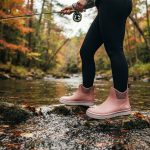
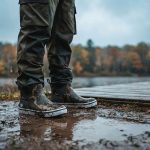
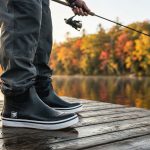
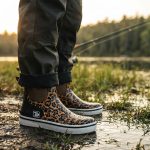
- Waterproof ankle deck boots
- Quick-draining fishing shoes
- Closed-toe boat shoes
- Tall rubber fishing boots
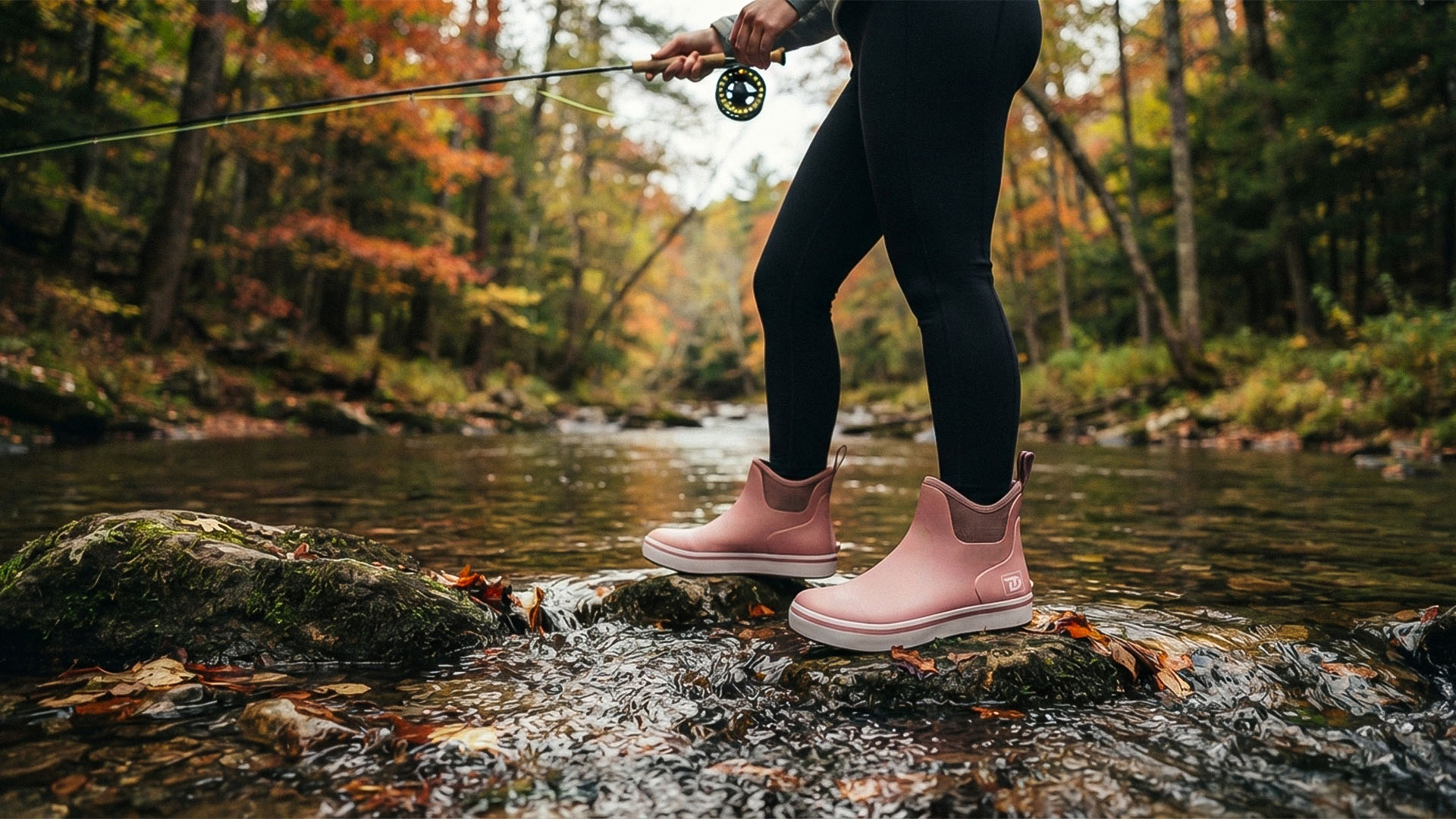
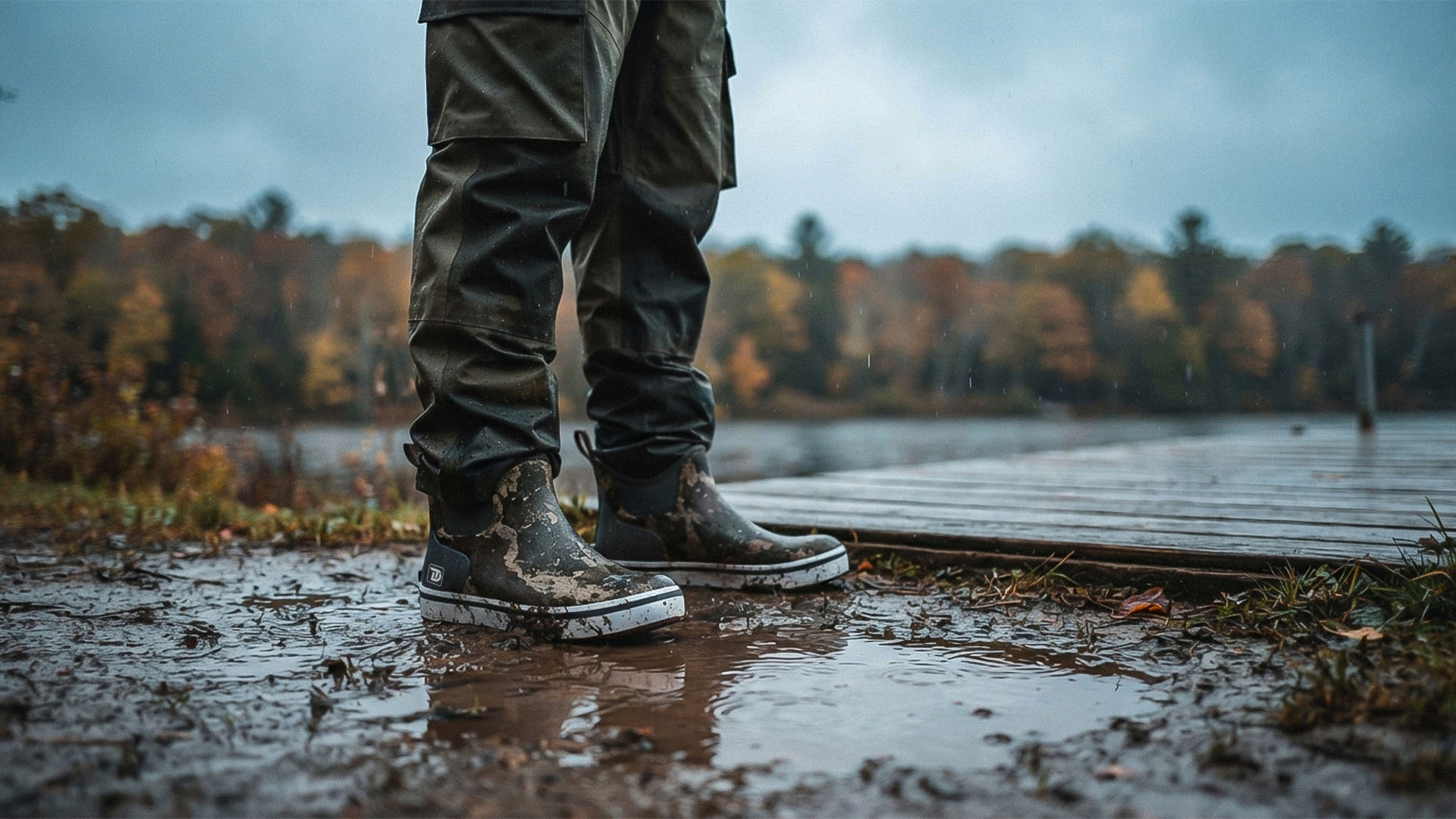
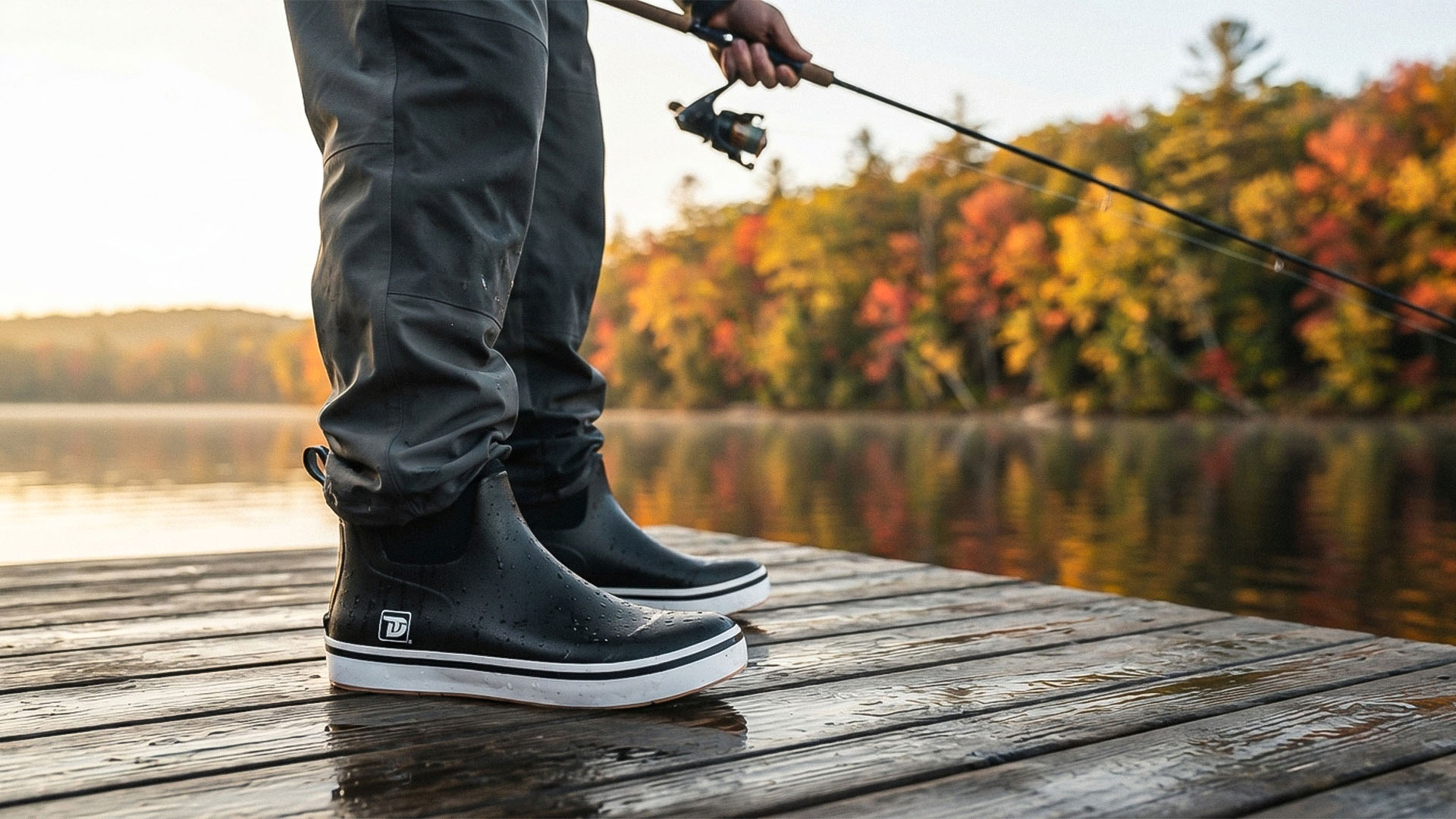
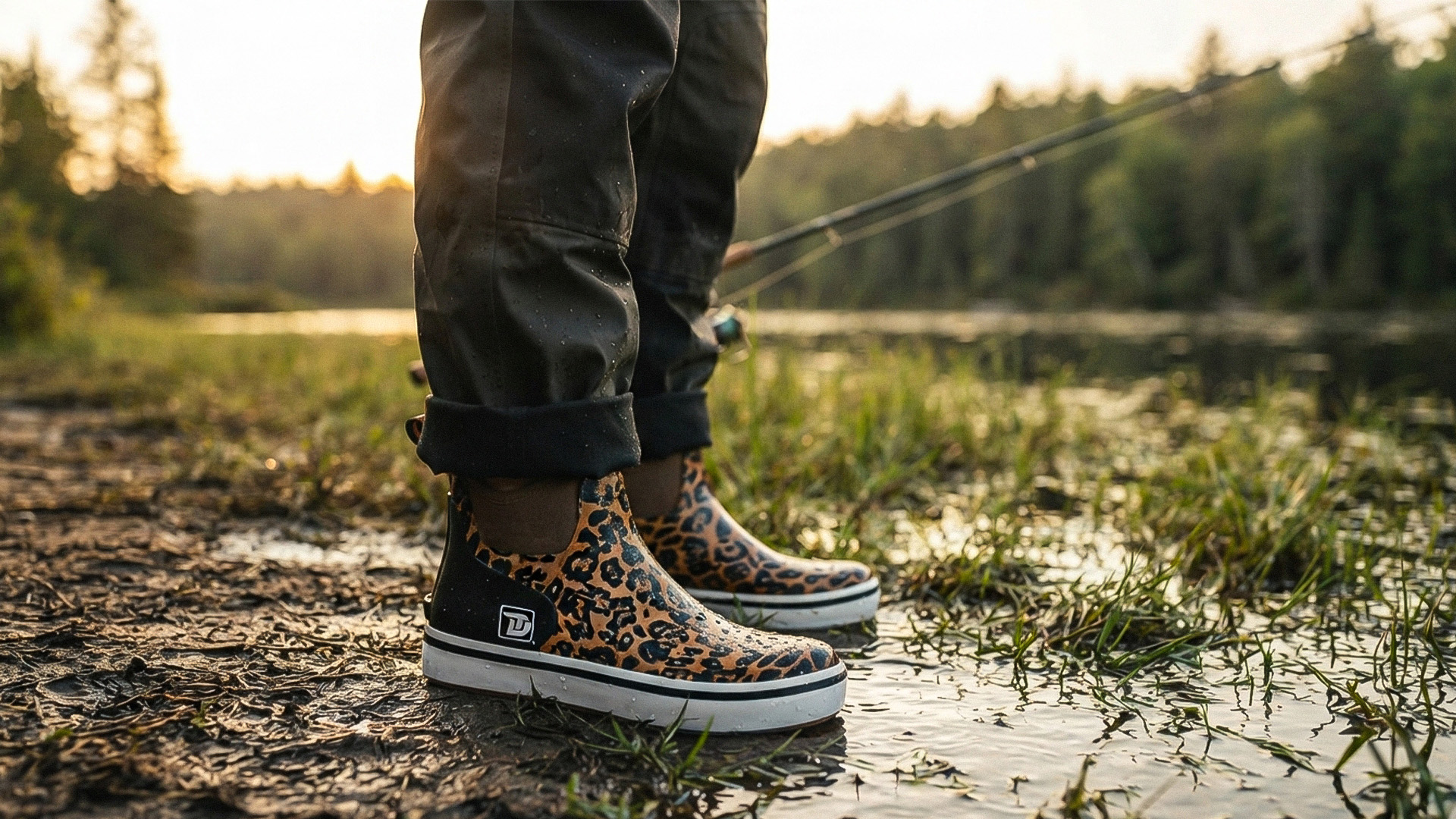
For many recreational anglers, ankle-height deck boots provide the best balance between water protection and mobility.
Why Deck Boots Work Well for Red Snapper Fishing
Red snapper boats can become wet and messy.
Deck boots help protect feet from:
- Ocean spray
- Rain
- Fish slime
- Bait water
- Shallow standing water
- Cooler drainage
- Routine deck washdowns
Ankle-height boots are usually lighter and easier to move in than tall commercial rubber boots.
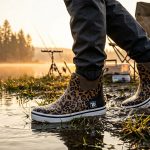
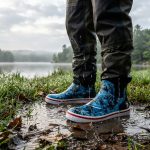
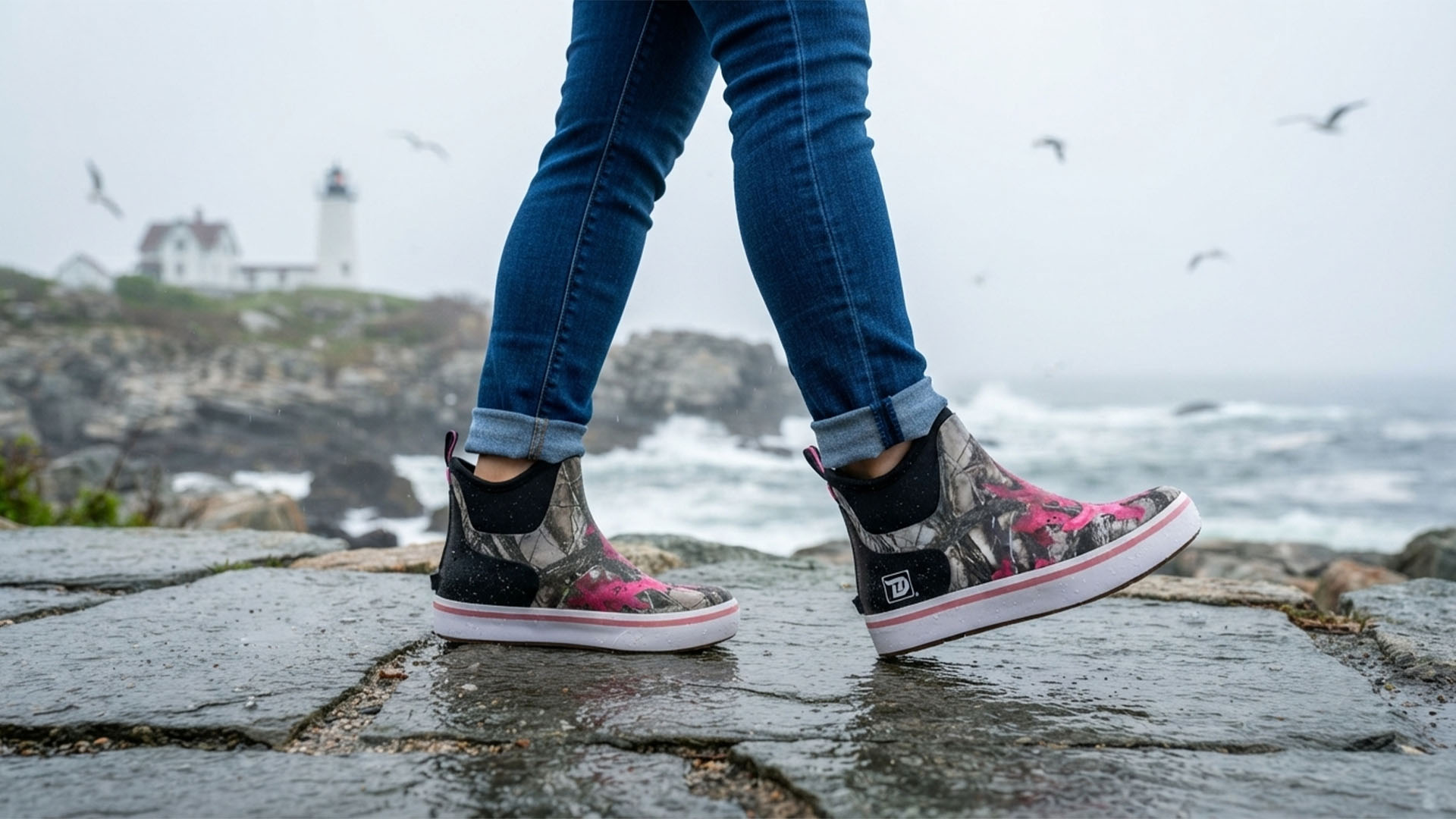
Anglers comparing offshore footwear can review TruDaveGear waterproof deck boots alongside other purpose-built fishing options.
The best choice should be based on fit, cushioning, weight, wet-deck traction, and the amount of water exposure expected during the trip.
When Tall Rubber Boots Are Better
Tall rubber boots may be more appropriate when:
- Water frequently rises above ankle height
- Heavy washdowns are constant
- Conditions are unusually rough
- The trip takes place in cold weather
- You are working as professional crew
- More lower-leg protection is required
Tall boots provide more coverage, but they also add weight, heat, and restriction.
For most recreational Gulf Coast charters, ankle boots are usually sufficient.
Quick-Draining Fishing Shoes
Quick-draining shoes work well in very hot weather when wet feet are expected.
They are useful for:
- Warm offshore trips
- Beach boarding
- Shallow-water launches
- Boats with continuously wet decks
- Anglers who prefer more ventilation
Choose a secure closed-toe design.
The footwear should remain attached during sudden movement and provide enough protection from hooks and fish spines.
Avoid Flip-Flops and Open Sandals
Flip-flops are not recommended for active offshore bottom fishing.
They offer limited protection from:
- Large hooks
- Heavy sinkers
- Fish spines
- Knives
- Coolers
- Hatches
- Gaffs
- Wet deck surfaces
Red snapper fishing equipment can be heavy.
A dropped sinker or fish can injure an exposed foot.
Wear secure closed-toe footwear.
Outsole Traction for Offshore Decks
Boat decks may include:
- Molded fiberglass
- Non-skid coatings
- Synthetic decking
- Rubber mats
- Painted surfaces
Look for an outsole designed for wet hard surfaces.
Useful features include:
- Wide contact area
- Water-channeling tread
- Stable heel platform
- Moderate flexibility
- Non-marking construction when required
Aggressive hiking tread is not always better.
Deep lugs may collect bait, mud, fish scales, and debris.
No outsole is completely slip-proof.
Keep the deck clean and move carefully.
Cushioning for Long Hours of Bottom Fishing
Bottom fishing often involves standing in one area for long periods.
You may repeatedly brace against the boat while lifting heavy rigs and fighting fish.
Footwear should provide:
- Supportive removable insoles
- Stable heel cushioning
- Correct width
- Enough toe room
- Minimal heel lift
- Moderate arch support
- Manageable weight
A waterproof boot that fits poorly can become painful after several hours.
Test new footwear before the trip.
What Socks Should You Wear?
For warm-weather red snapper fishing, wear lightweight synthetic or thin merino-blend socks.
They help manage sweat and reduce friction.
For cooler trips, use medium-weight merino wool socks.
Avoid cotton because it:
- Absorbs moisture
- Dries slowly
- Increases friction
- Can contribute to blisters
- Feels uncomfortable when wet
Bring at least one spare pair in waterproof storage.
Why Spare Socks Matter
Even fully waterproof boots can become wet inside because of:
- Sweat
- Rain entering from above
- Heavy spray
- Deck washdowns
- Accidental water exposure
- Small leaks
Changing into dry socks can improve comfort during a full-day trip.
Store the spare pair in a sealed dry bag.
Keep Bib Legs Outside the Boots
Waterproof bibs or rain pants should usually overlap the outside of ankle deck boots.
This directs water down the exterior.
Tucking bib legs inside the boots can channel rain, spray, and washdown water directly into the openings.
Once water enters waterproof footwear, it may remain trapped for the rest of the day.
Protect Your Feet From Heavy Sinkers
Red snapper rigs may use substantial weight to reach deep structure.
Keep sinkers secured when they are not in use.
Do not leave heavy weights loose on the deck.
Closed-toe footwear provides some basic protection, but ordinary deck boots are not safety-toe work boots.
Avoid placing your feet beneath hanging rigs or fish boxes.
Gloves for Red Snapper Fishing
Gloves can provide protection during several parts of the trip.
Useful types include:
- Lightweight sun gloves
- Fish-handling gloves
- Bait-handling gloves
- General fishing gloves
- Cold-weather gloves
Gloves may help protect against:
- Sun exposure
- Fish slime
- Sharp leader material
- Rough bait
- Minor abrasion
However, gloves do not eliminate the risk of hooks and fish spines.
Handle fish carefully.
Red Snapper Spines and Fish Handling
Red snapper have stiff dorsal spines that can cause painful punctures.
Allow the crew to handle fish when instructed.
When holding a fish:
- Keep fingers away from exposed hooks
- Support the body securely
- Avoid pressing against the dorsal fin
- Use appropriate fish-handling tools
- Follow local regulations and crew instructions
Do not allow a fish to move freely around the deck near bare legs or open footwear.
Sun Protection for Gulf Coast Fishing
Sun exposure is one of the biggest challenges during Gulf Coast offshore fishing.
Water reflects sunlight upward, increasing exposure around the face, neck, hands, and chin.
Use:
- Long-sleeve sun shirt
- Broad-spectrum sunscreen
- Secure hat
- Polarized sunglasses
- Neck gaiter
- Lip protection
- Lightweight sun gloves
Apply sunscreen before leaving the dock.
Reapply according to the product instructions.
Areas Anglers Commonly Miss
Pay attention to:
- Ears
- Back of the neck
- Hands
- Lower legs
- Tops of feet
- Under the chin
- Areas around sunglasses
- Shirt collar openings
Cloud cover does not eliminate ultraviolet exposure.
Best Hat for Red Snapper Fishing
Choose a hat that remains secure during offshore travel.
Good options include:
- Fitted fishing cap
- Performance sun hat
- Wide-brim hat with chin strap
- Lightweight waterproof hat
Avoid loose hats.
A high-speed boat ride can remove them immediately.
Use a retainer strap when necessary.
Polarized Sunglasses
Polarized sunglasses reduce glare and protect your eyes from:
- Bright sunlight
- Hooks
- Bait
- Wind
- Ocean spray
- Flying debris
They may also help you see:
- Floating structure
- Bait activity
- Surface fish
- Color changes
- Nearby boats
- Debris in the water
Use a secure retainer and bring a backup pair.
Neck Gaiter
A lightweight neck gaiter adds sun protection around:
- Neck
- Ears
- Lower face
- Sides of the head
It can also provide light wind and spray protection during the offshore run.
Choose breathable, quick-drying material.
Clothing for an Early-Morning Trip
A practical early-morning outfit includes:
- Long-sleeve performance shirt
- Lightweight fleece or hoodie
- Windproof waterproof shell
- Quick-drying pants
- Deck boots
- Lightweight or medium socks
- Secure hat
- Neck gaiter
Remove the insulating layer as the sun rises.
Do not wait until you are sweating heavily.
What to Wear During Summer
A summer red snapper outfit may include:
- Lightweight long-sleeve sun shirt
- Quick-drying pants or shorts
- Uninsulated deck boots
- Thin synthetic socks
- Hat
- Polarized sunglasses
- Neck gaiter
- Sunscreen
- Lightweight rain shell
- Packable bibs
Hydration and heat management are essential.
What to Wear During Spring
Spring offshore weather can include cool mornings, warm afternoons, wind, and rain.
Wear:
- Moisture-wicking base layer
- Lightweight mid layer
- Waterproof shell
- Fishing pants
- Deck boots
- Medium-weight socks
- Hat
- Light gloves when necessary
Bring dry backup clothing.
What to Wear During Fall
Fall trips may begin and end in cooler conditions.
Wear:
- Long-sleeve base layer
- Fleece or lightweight insulation
- Windproof shell
- Fishing bibs
- Quick-drying pants
- Waterproof deck boots
- Merino socks
- Warm hat
- Gloves
Keep sun protection available for midday.
What to Wear During Rain
A rainy offshore outfit includes:
- Waterproof jacket
- Waterproof bibs
- Moisture-wicking shirt
- Waterproof deck boots
- Synthetic or merino socks
- Brimmed cap under the hood
- Spare socks
- Dry shirt
Adjust cuffs and closures before the rain becomes heavy.
What to Wear on a Red Snapper Charter
Ask the charter operator:
- What footwear is recommended?
- Are non-marking soles required?
- Is rain gear provided?
- Is there dry storage?
- How long is the trip?
- Is food or water included?
- Will fish be cleaned onboard?
- Should passengers bring gloves?
A basic charter outfit includes:
- Long-sleeve fishing shirt
- Quick-drying pants or shorts
- Waterproof jacket
- Deck boots or approved fishing shoes
- Hat
- Polarized sunglasses
- Sunscreen
- Spare socks
- Small dry bag
Follow the captain’s instructions.
Bring Clothing That Can Get Dirty
Red snapper fishing can expose clothing to:
- Cut bait
- Fish slime
- Blood
- Saltwater
- Cooler water
- Ice
- Deck-cleaning water
Wear clothing that can be washed easily.
Avoid delicate garments or anything that must remain spotless.
Use a Small Dry Bag
A dry bag protects:
- Phone
- Wallet
- Keys
- Medication
- Spare socks
- Dry shirt
- Backup sunglasses
- Battery pack
- Fishing license
Do not assume every boat compartment remains dry.
Keep wet clothing and bait-contaminated items separate from clean gear.
Pack a Dry Shirt
A dry shirt can improve comfort after:
- Heavy sweating
- Rain
- Spray
- Fish handling
- Deck washdowns
Changing before the offshore return trip can help reduce wind chill.
Prepare for Gulf Coast Rain and Thunderstorms
Warm Gulf Coast weather can produce rapidly changing conditions.
Check the marine forecast before departure.
Bring rain gear even when the morning appears clear.
Clothing cannot protect you from lightning.
If thunderstorms approach, follow the captain’s instructions and boating safety procedures.
Do not remain exposed simply because you are wearing waterproof clothing.
Heat Management
Waterproof bibs, deck boots, and long sleeves may trap heat if the materials are too heavy.
To remain comfortable:
- Choose lightweight fabrics
- Wear uninsulated boots
- Remove unnecessary layers
- Use ventilation
- Change damp socks
- Drink water regularly
- Take shade breaks when available
Do not remove essential sun protection simply because wind makes the air feel cooler.
Seasickness and Clothing
Seasickness can feel worse when clothing is tight, wet, or excessively warm.
Wear adjustable layers.
Bring:
- Appropriate motion sickness medication
- Water
- Light snacks
- Small towel
- Dry shirt
- Sealable bags
Follow medication instructions and consider possible side effects.
Keep Clothing Clear of Fishing Equipment
Red snapper boats may contain:
- Heavy sinkers
- Large hooks
- Gaffs
- Rod holders
- Cleats
- Fish boxes
- Coolers
- Cutting tools
- Leader material
Avoid:
- Long drawstrings
- Loose scarves
- Open pockets
- Oversized sleeves
- Hanging straps
- Unsecured hoods
Streamlined clothing reduces snagging risk.
Keep the Deck Organized
Do not leave clothing, bags, or footwear in walkways.
Store removed layers in designated spaces.
Keep hooks and sinkers secured.
A clean deck is especially important when several anglers hook fish at the same time.
Clean Deck Boots After the Trip
After red snapper fishing:
- Rinse the boots with fresh water.
- Remove bait and fish slime.
- Clean blood with mild soap.
- Brush the outsole grooves.
- Remove the insoles.
- Dry everything completely.
- Avoid high heat.
- Store in a ventilated area.
Do not leave contaminated footwear inside a hot vehicle.
Clean Bibs and Fishing Clothing
Rinse or wash clothing exposed to saltwater, blood, bait, and fish slime.
Follow manufacturer instructions.
Pay attention to:
- Cuffs
- Pockets
- Knees
- Bib straps
- Seat areas
- Zippers
Dry all clothing completely before storage.
Common Red Snapper Fishing Clothing Mistakes
Wearing Flip-Flops
They provide limited protection from hooks, spines, sinkers, and wet decks.
Wearing Heavy Cotton
Cotton stays wet and dries slowly.
Dressing Only for Midday Heat
The offshore run may feel cold.
Forgetting Rain Gear
Gulf weather can change quickly.
Wearing Boots That Are Too Loose
Heel movement reduces stability and increases fatigue.
Using Thick Socks in Tight Boots
This may restrict circulation and create pressure.
Wearing Smooth-Soled Casual Shoes
Wet decks require suitable outsoles.
Forgetting Spare Socks
Wet feet can affect the entire trip.
Wearing Loose Clothing Around Hooks
Secure straps and cords.
Bringing No Dry Shirt
Spray and washdowns are common.
Red Snapper Fishing Clothing Checklist
Clothing
- Lightweight long-sleeve fishing shirt
- Quick-drying pants or shorts
- Lightweight fleece or hoodie
- Windproof waterproof shell
- Fishing bibs
- Hat
- Neck gaiter
- Gloves
Footwear
- Waterproof ankle deck boots
- Quick-draining fishing shoes
- Lightweight synthetic socks
- Spare socks
- Clean shoes for the drive home
Sun Protection
- Broad-spectrum sunscreen
- Polarized sunglasses
- Lip protection
- Sun gloves
- Secure hat
Weather Protection
- Rain jacket
- Lightweight bibs
- Dry shirt
- Small towel
- Waterproof dry bag
Personal and Safety Gear
- Personal flotation device
- Personal medication
- Motion sickness supplies
- First-aid kit
- Communication equipment
- Headlamp for early departures
Final Thoughts
The best red snapper fishing outfit should protect you from Gulf Coast sun, humidity, rain, spray, fish spines, heavy tackle, and wet boat decks.
Start with a lightweight moisture-wicking shirt.
Wear quick-drying pants or shorts based on the trip length and expected exposure.
Bring a light insulating layer for the offshore run.
Carry a waterproof shell and fishing bibs for rain, spray, bait, and deck washdowns.
Wear secure closed-toe footwear.
For most recreational anglers, waterproof ankle deck boots provide a practical balance of water protection, cushioning, easy cleaning, and mobility.
Choose taller boots only when deeper water or professional working conditions require more coverage.
Use lightweight moisture-wicking socks and bring a spare pair.
Protect your face, neck, eyes, hands, and legs from the sun.
Keep clothing streamlined around hooks and heavy rigs.
Red snapper fishing can be hot, wet, messy, and physically demanding.
The right outfit helps you stay comfortable enough to focus on the next bite.
Frequently Asked Questions
What should I wear red snapper fishing?
Wear a lightweight long-sleeve fishing shirt, quick-drying pants or shorts, waterproof deck boots, moisture-wicking socks, a hat, polarized sunglasses, sunscreen, and a packable waterproof jacket.
What shoes are best for red snapper fishing?
Waterproof ankle deck boots work well for wet decks, spray, bait water, fish slime, and washdowns. Quick-draining shoes may be more comfortable in extremely hot conditions.
Are deck boots good for Gulf Coast fishing?
Yes. Deck boots provide waterproof protection, wet-surface traction, easy cleaning, and better mobility than tall rubber boots for many recreational offshore trips.
Should I wear shorts red snapper fishing?
Shorts work in hot weather, but lightweight pants provide better protection from sun, fish spines, hooks, bait, and deck equipment.
Do I need bibs for red snapper fishing?
Lightweight waterproof bibs are useful during rain, rough conditions, fish handling, bait preparation, and deck washdowns. They may be unnecessary on short, dry trips.
What socks should I wear with deck boots?
Wear thin synthetic or lightweight merino-blend socks in warm weather. Use medium-weight merino socks in cooler conditions. Avoid cotton.
Can I wear flip-flops on a red snapper charter?
Flip-flops are generally not recommended because they provide limited protection from large hooks, heavy sinkers, fish spines, knives, and wet deck surfaces.
What should I wear for an early-morning red snapper trip?
Wear a moisture-wicking base layer, lightweight fleece, windproof shell, fishing pants, deck boots, moisture-wicking socks, a secure hat, and a neck gaiter.
Should rain pants go inside or outside deck boots?
Rain pants and bib legs should generally overlap the outside of ankle boots so water runs down the exterior instead of entering through the openings.
Do I need gloves for red snapper fishing?
Gloves are optional but useful for sun protection, bait handling, and fish handling. They do not eliminate the risk of hooks or dorsal spines.
How do I clean deck boots after red snapper fishing?
Rinse them with fresh water, clean away bait, blood, and fish slime with mild soap, brush the tread, remove the insoles, and dry everything completely.
What should I bring on a red snapper charter?
Bring weather-appropriate clothing, waterproof footwear, sun protection, rain gear, spare socks, personal medication, motion sickness supplies, and a small dry bag. Confirm what the charter provides before departure.