Meta Description: Use this offshore fishing gear checklist to prepare clothing, footwear, tackle, safety equipment, food, and personal essentials for a full day of deep-sea fishing.
Suggested URL Slug: offshore-fishing-gear-checklist
Primary Keyword: offshore fishing gear checklist
Secondary Keywords: what to bring offshore fishing, deep sea fishing checklist, offshore fishing essentials, fishing boat gear checklist, what to pack for deep sea fishing, offshore fishing clothing
Search Intent: Informational / Commercial Investigation
An offshore fishing trip requires more preparation than a few hours at a local lake.
Once the boat leaves the marina, replacing forgotten equipment becomes difficult or impossible. Weather may change, ocean spray can soak clothing, the ride may become rough, and a trip expected to last six hours can easily turn into a full day on the water.
The right offshore fishing gear helps you stay comfortable, organized, and prepared without covering the boat in unnecessary equipment.
What you need depends on the target species, vessel, season, distance from shore, and whether you are fishing from your own boat or joining a charter.
However, most successful offshore trips are built around the same basic categories:
- Clothing and footwear
- Fishing tackle
- Safety equipment
- Sun and weather protection
- Food and hydration
- Personal comfort items
- Storage and organization
- Backup equipment
Use this offshore fishing gear checklist as a practical starting point for your next full day at sea.
Start With the Type of Offshore Trip
Before packing, define the trip.
A half-day charter near shore requires less equipment than a private boat trip traveling 40 miles offshore.
Ask the following questions:
- How long will the trip last?
- How far offshore will the boat travel?
- What species are you targeting?
- What weather is expected?
- Will the boat provide tackle?
- Is food or water included?
- Is there dry storage?
- Will you be fishing overnight?
- Are there specific charter rules?
- How many people will be onboard?
Answering these questions helps prevent both underpacking and overpacking.
Offshore Fishing Clothing Checklist
Clothing should protect you from sun, wind, rain, spray, and changing temperatures.
Even warm-weather trips can feel cold during an early morning run offshore.
A basic clothing checklist includes:
- Long-sleeve performance fishing shirt
- Quick-drying fishing pants or shorts
- Moisture-wicking underwear
- Lightweight insulating layer
- Waterproof jacket
- Waterproof bib pants when needed
- Fishing hat
- Neck gaiter
- Polarized sunglasses
- Appropriate socks
- Waterproof or quick-drying footwear
- Spare dry clothes
Avoid heavy cotton clothing.
Cotton absorbs sweat and water, then remains damp for long periods.
Synthetic performance fabrics or lightweight merino wool layers are usually more practical.
Choose Clothing in Layers
Offshore temperatures can change throughout the day.
The marina may feel warm, while the boat ride becomes cold because of wind and spray. Later, direct sunlight may make heavy clothing uncomfortable.
A simple layering system works well.
Base Layer
The base layer sits against your skin and helps manage moisture.
Choose a lightweight, quick-drying shirt.
For cold-weather fishing, consider thermal synthetic or merino wool layers.
Mid Layer
A fleece, lightweight jacket, or insulated vest can provide warmth during early departures and windy conditions.
Choose something that fits comfortably under your rain gear.
Outer Layer
A waterproof and wind-resistant jacket protects against rain and ocean spray.
In rough weather, waterproof bib pants provide additional protection around the waist and legs.
Layers allow you to adjust instead of relying on one heavy garment.
Offshore Fishing Footwear
The boat deck may become wet from spray, rain, fish slime, bait, and washdowns.
Footwear should provide a secure fit and traction on wet surfaces.
Common offshore options include:
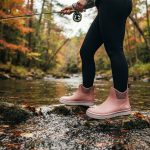
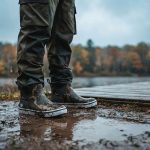
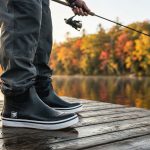
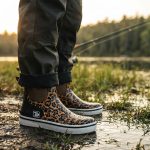
- Waterproof ankle deck boots
- Tall rubber fishing boots
- Quick-drying fishing shoes
- Closed-toe boat shoes
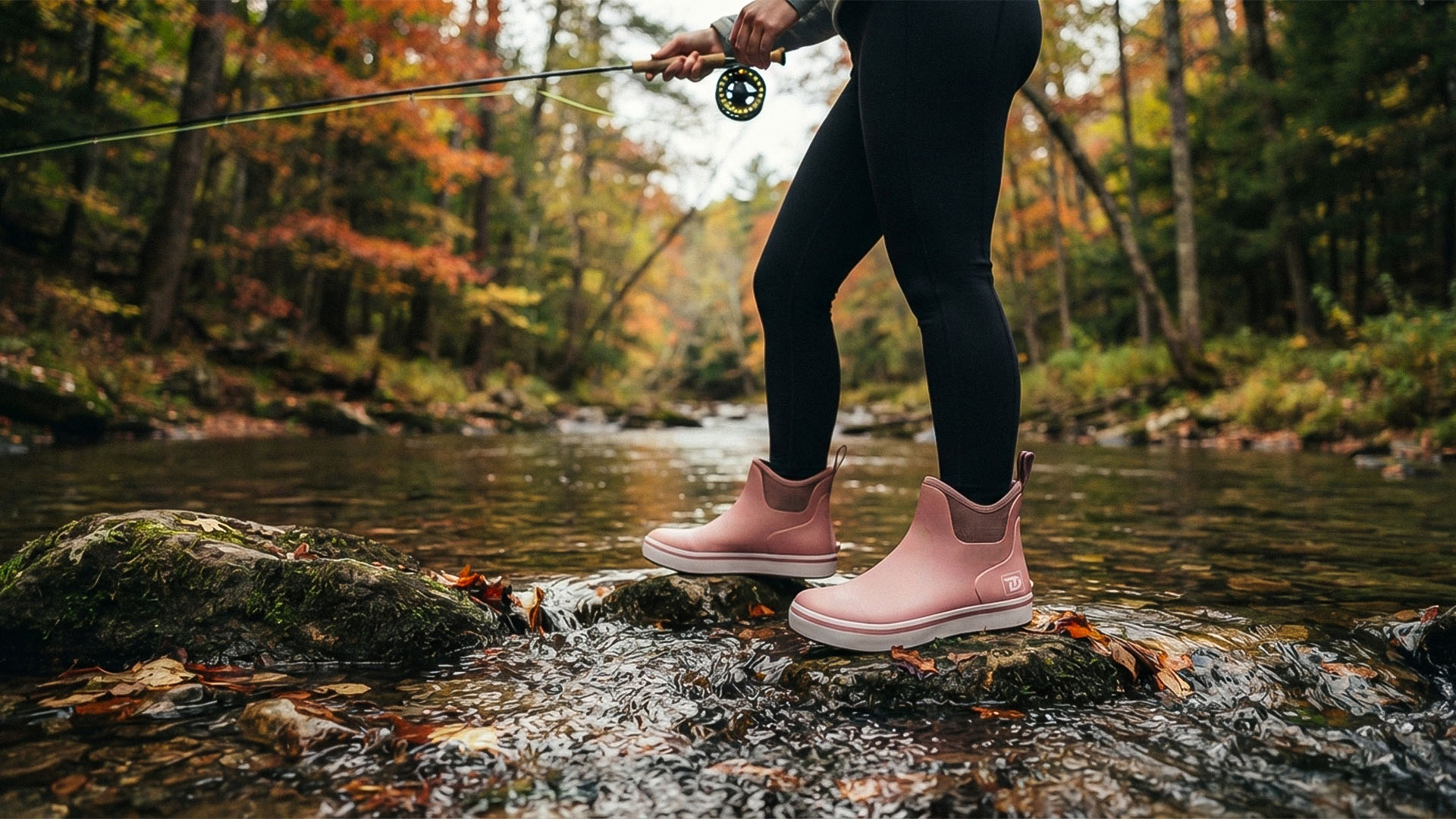
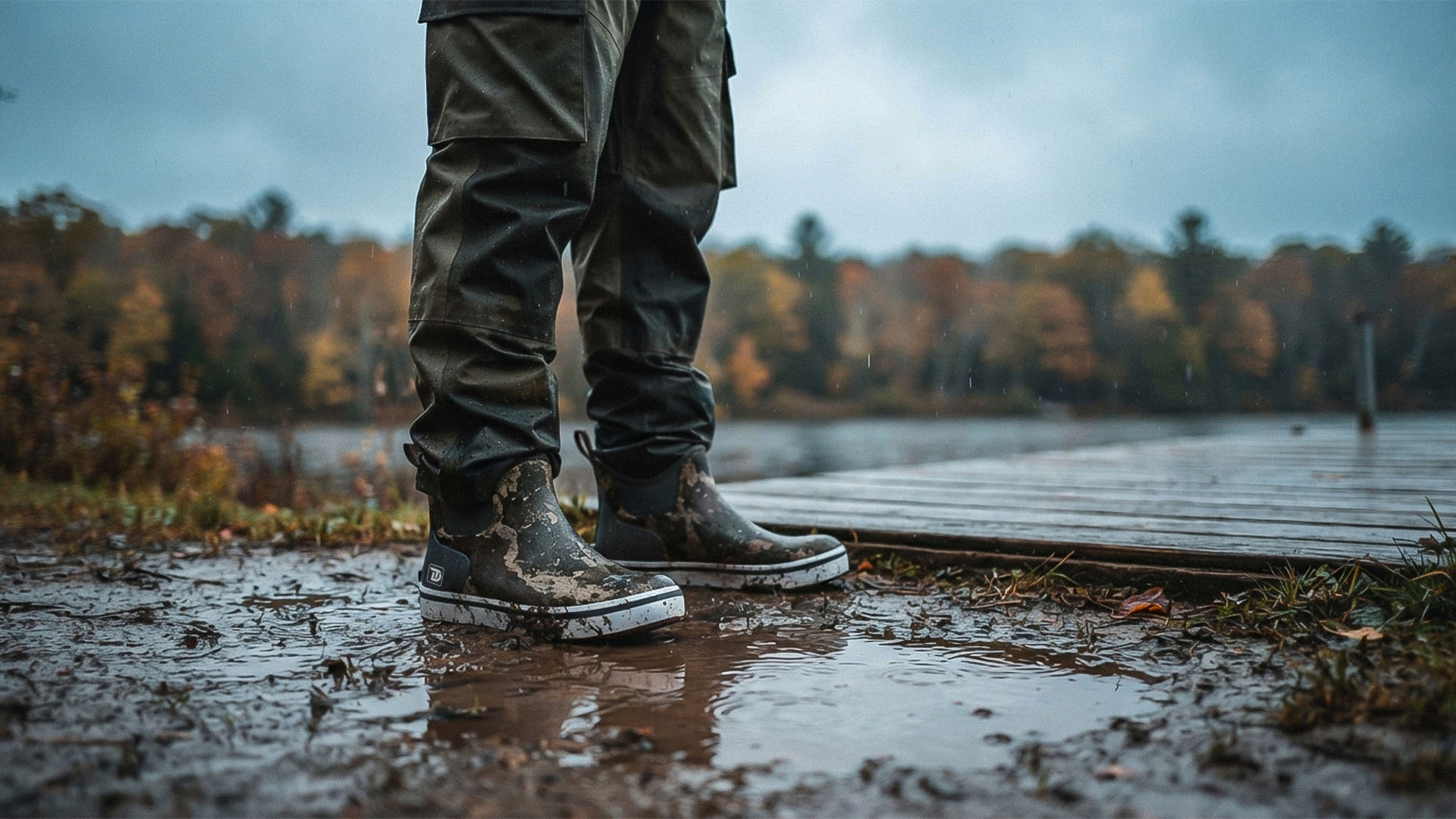
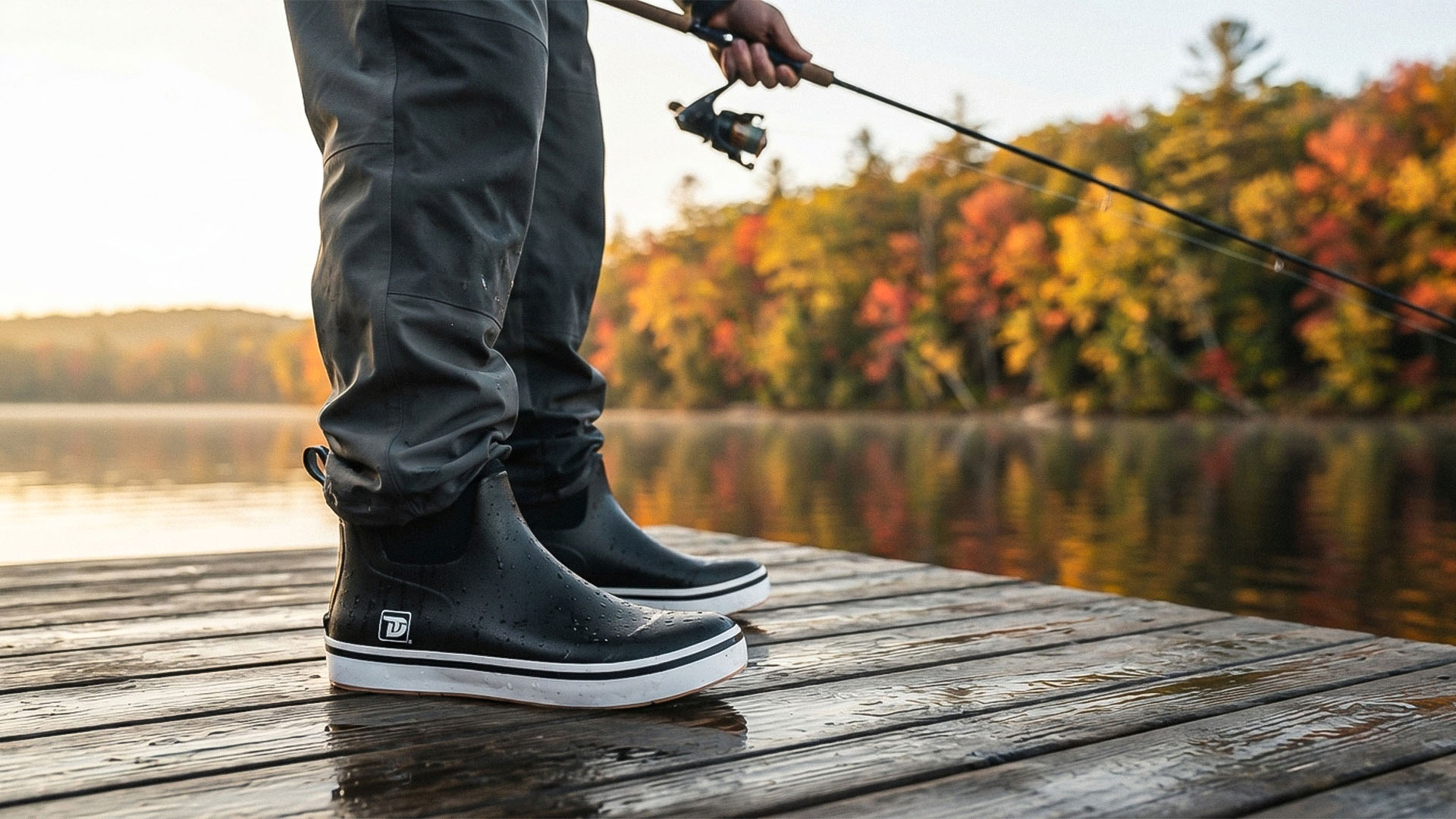
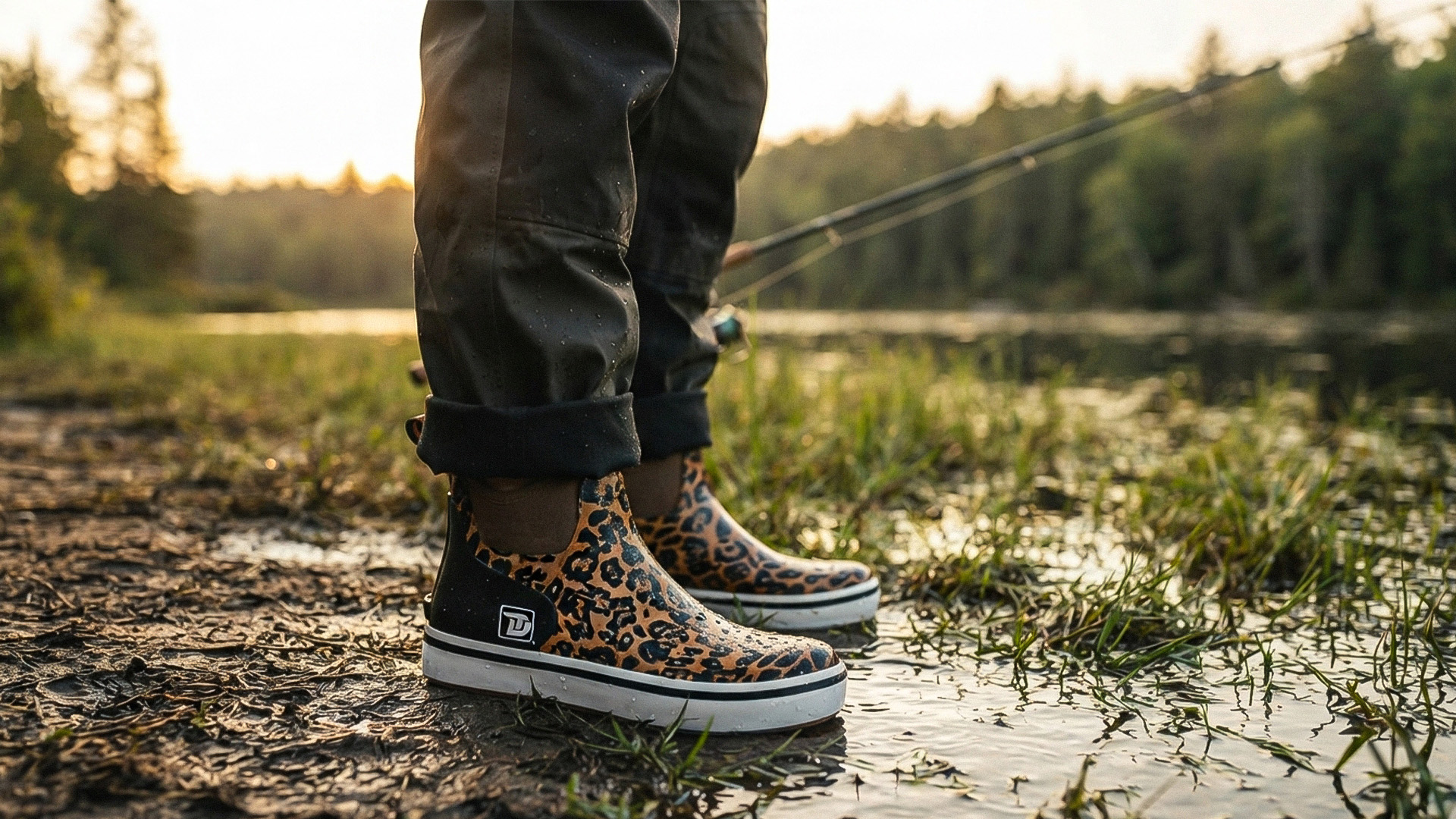
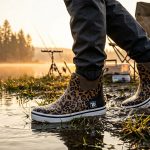
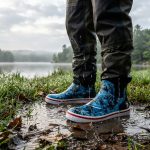
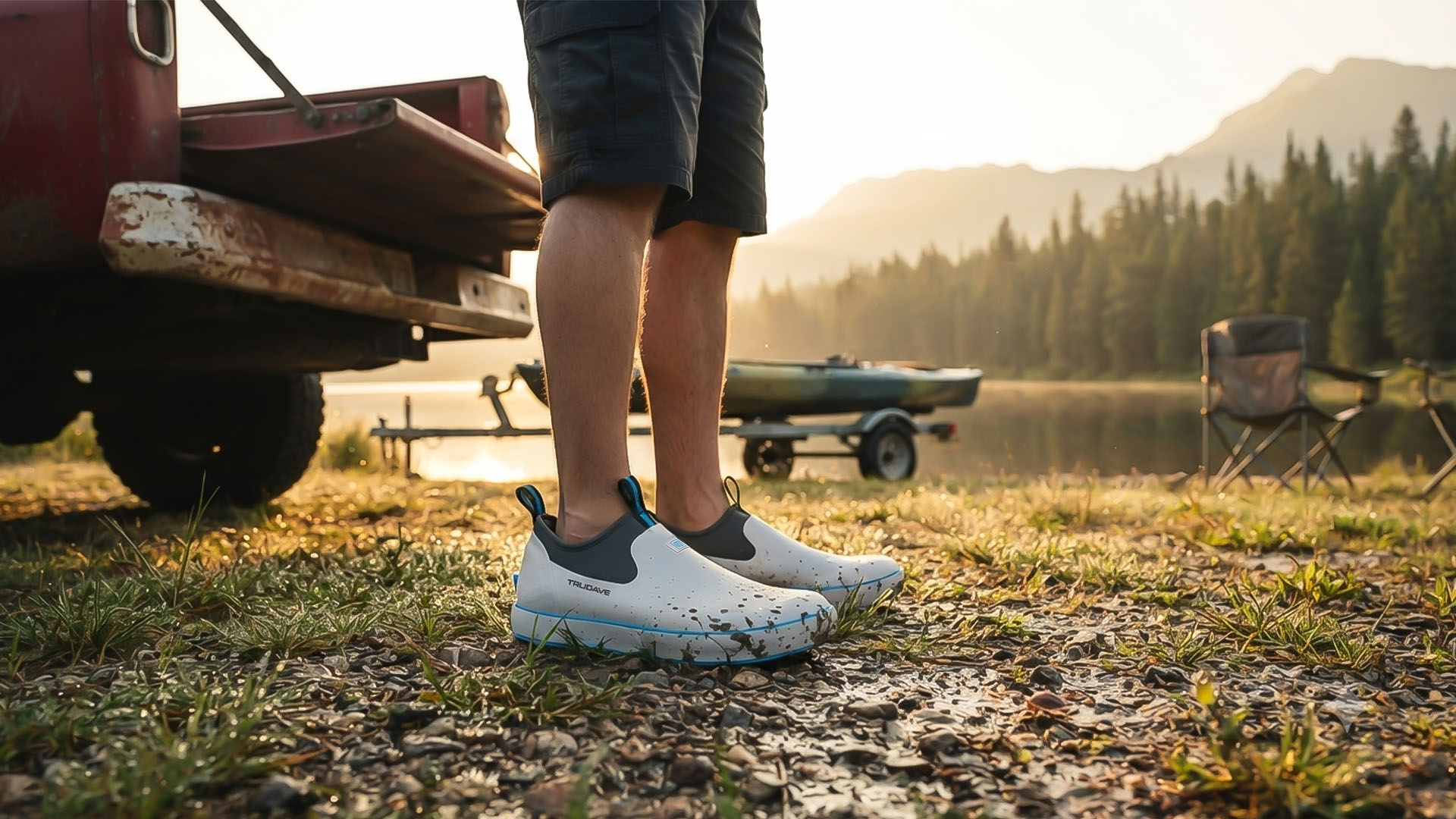
For many recreational offshore anglers, ankle deck boots provide a practical balance between waterproof protection, mobility, and comfort.
They work well around shallow standing water, routine deck washdowns, rain, and ocean spray.
Anglers comparing waterproof footwear can review [TruDaveGear deck boots for fishing] when evaluating options for long days on wet boat decks.
Tall boots may be more appropriate for commercial work, severe weather, or deeper standing water.
Quick-drying shoes can work in hot climates when getting wet is unavoidable.
Avoid smooth-soled sneakers, loose sandals, and flip-flops during active offshore fishing.
Hooks, fish spines, coolers, and heavy equipment can create hazards for exposed feet.
Bring Spare Socks
A dry pair of socks requires very little space.
Keep at least one extra pair in a waterproof bag.
Wet socks can create friction, cold feet, and discomfort during long trips.
Synthetic socks work well in warm and moderate conditions.
Merino wool socks are useful during colder weather.
Avoid thick socks that make your boots too tight.
Sun Protection Essentials
Sun exposure offshore can be intense.
Water reflects light upward, increasing exposure around the face, neck, and underside of the chin.
Bring:
- Broad-spectrum sunscreen
- Lip protection
- Polarized sunglasses
- Long-sleeve sun shirt
- Hat
- Neck gaiter
- Lightweight gloves when appropriate
Apply sunscreen before leaving the dock.
Reapply according to the product instructions, especially after sweating or getting wet.
Pay attention to commonly missed areas:
- Ears
- Back of the neck
- Hands
- Lower legs
- Tops of feet
- Under the chin
Physical coverage is often easier to maintain than sunscreen alone during full-day trips.
Polarized Sunglasses
Polarized sunglasses reduce glare and improve visibility on the water.
They can help anglers see bait, surface activity, floating debris, and changes in water color.
Use a retainer strap so the glasses remain secure during rough conditions.
Bring a protective case and, when possible, a backup pair.
Losing your only sunglasses early in a full-day trip can create hours of discomfort.
Fishing Tackle Checklist
Tackle needs vary by target species and fishing method.
Do not bring your entire garage.
Pack equipment that matches the plan.
A general tackle checklist may include:
- Rods and reels
- Spare reel or backup rod
- Leader material
- Main line
- Hooks
- Swivels
- Sinkers
- Jigs
- Lures
- Bait rigs
- Circle hooks when appropriate
- Sabiki rigs for catching bait
- Pliers
- Line cutters
- Hook remover
- Dehooking tool
- Crimping tool
- Measuring device
- Tackle box or tackle bag
- Spare terminal tackle
Check local regulations and target species requirements before the trip.
Charter customers should ask what tackle is provided before bringing personal equipment.
Bring Backup Tackle
Offshore fishing can be hard on gear.
Lines break.
Hooks bend.
Leaders become damaged.
Lures are lost.
Reels may develop problems.
Bring enough backup equipment to continue fishing without packing excessive duplicates.
Useful backup items include:
- Extra leaders
- Spare hooks
- Additional swivels
- Replacement lures
- Extra line
- Backup pliers
- Spare rod and reel
A backup rod can save the trip if your main setup fails far from shore.
Tools for Handling Fish
Landing and handling larger fish may require specialized equipment.
Depending on the target species and vessel, consider:
- Landing net
- Gaff
- Dehooking tool
- Fish grips
- Heavy-duty pliers
- Gloves
- Measuring board
- Fish descending device
- Venting equipment where legal and appropriate
Use tools according to local regulations and accepted handling practices.
Some fisheries require specific release equipment.
Know the rules before leaving the dock.
Bait and Bait Storage
Live and frozen bait require proper storage.
Your checklist may include:
- Live bait
- Frozen bait
- Bait cooler
- Ice
- Aerator
- Bait net
- Cutting board
- Bait knife
- Bait scissors
- Small containers for rigged baits
Keep bait separate from food and personal drinks.
Secure bait containers so they do not move around the deck.
Clean bait residue before it creates slippery conditions.
Fishing License and Regulations
Carry the appropriate fishing license unless the charter or vessel license covers passengers.
Regulations may include:
- Size limits
- Bag limits
- Closed seasons
- Protected species
- Gear restrictions
- Circle-hook requirements
- Descending-device requirements
- Reporting requirements
Regulations can change.
Check current rules through the appropriate state or federal authority before the trip.
Do not rely on old screenshots or last season’s information.
Safety Equipment Checklist
Safety equipment is more important than fishing tackle.
Vessel operators should confirm that all required equipment is onboard, accessible, and in working condition.
A general offshore safety checklist may include:
- Properly sized personal flotation devices
- Throwable flotation device
- First-aid kit
- Fire extinguisher
- Emergency signaling devices
- Marine radio
- Emergency position-indicating equipment when appropriate
- Sound-producing device
- Navigation lights
- Bilge pumps
- Anchor and line
- Emergency tools
- Flashlight or headlamp
- Spare batteries
- Knife
- Emergency blanket
- Seasickness supplies
Required equipment varies by vessel, location, and distance offshore.
Follow applicable boating laws and Coast Guard requirements.
Personal Flotation Devices
Every person onboard should know where life jackets are stored and how to use them.
Wearable flotation should fit correctly.
Children require properly sized equipment.
Inflatable personal flotation devices should be inspected according to manufacturer instructions.
During rough conditions, high-speed travel, night fishing, or emergency situations, wearable flotation may provide important protection.
Follow vessel procedures and local requirements.
Marine Communication Equipment
Cell phone coverage becomes unreliable offshore.
A marine VHF radio is an important communication tool.
Vessel operators should know:
- How to make a distress call
- Which channels to use
- The vessel’s location
- The vessel’s name and description
- How to communicate the nature of an emergency
Keep phones and other electronics in waterproof cases.
Portable backup communication devices may be useful on longer offshore trips.
First-Aid Kit
Fishing injuries can involve hooks, knives, fish spines, cuts, burns, and seasickness.
A well-stocked first-aid kit may include:
- Adhesive bandages
- Sterile gauze
- Medical tape
- Antiseptic supplies
- Elastic bandage
- Tweezers
- Scissors
- Disposable gloves
- Pain reliever
- Seasickness medication
- Emergency contact information
- Personal medications
Keep the kit in a waterproof container.
Everyone onboard should know where it is stored.
Food and Hydration
Offshore trips often last longer than expected.
Bring more drinking water than you think you will need.
A food and hydration checklist may include:
- Water
- Electrolyte drinks
- Sandwiches
- Fruit
- Energy bars
- Nuts
- Simple snacks
- Ice
- Insulated cooler
Avoid relying entirely on sugary drinks.
Heavy, greasy meals may make seasickness worse for some people.
Choose foods that are easy to store and eat while the boat is moving.
Secure coolers so they do not slide across the deck.
Seasickness Preparation
Seasickness can affect experienced boaters as well as first-time passengers.
Prepare before leaving the dock.
Helpful items may include:
- Appropriate motion sickness medication
- Water
- Light snacks
- Ginger products
- Sunglasses
- Small towel
- Sealable bags
Follow medication instructions and consider possible side effects.
Some motion sickness products work best when taken before the boat leaves.
Stay in fresh air, look toward the horizon, and avoid spending unnecessary time inside enclosed areas when feeling sick.
Waterproof Storage
Offshore boats are wet environments.
Store important items in waterproof containers or dry bags.
Protect:
- Phone
- Wallet
- Keys
- Fishing license
- Medications
- Spare clothing
- Camera
- Battery packs
- Paper documents
- Extra socks
Use smaller waterproof bags inside a larger gear bag to organize items.
Do not assume a closed boat compartment will remain completely dry.
Electronics Checklist
Depending on the trip, useful electronics may include:
- Phone
- Waterproof phone case
- Portable battery pack
- Camera
- Action camera
- Spare memory cards
- Charging cables
- Headlamp
- Flashlight
- Spare batteries
- Handheld GPS
- Marine radio
Charge all equipment the night before.
Protect charging ports from saltwater.
Use retention straps on expensive devices when operating around the rail.
Cooler and Fish Storage
If you plan to keep fish, prepare enough ice and storage space.
Consider:
- Fish cooler
- Ice
- Insulated fish bag
- Cutting tools
- Labels or storage bags
- Cleaning gloves
- Drain plug check
Large offshore species may require more space than a standard personal cooler provides.
Confirm the boat’s fish-storage capacity before the trip.
Keep fish storage separate from food and drinks when possible.
Personal Comfort Items
Small personal items can improve a long day offshore.
Consider packing:
- Hand towel
- Wet wipes
- Toilet paper
- Personal medication
- Spare contact lenses or glasses
- Small waterproof seat cushion
- Ear protection
- Hair ties
- Lip balm
- Insect repellent
- Light gloves
Pack only what you are likely to use.
Space on fishing boats is limited.
What Not to Bring Offshore
Avoid bringing unnecessary, fragile, or unsecured items.
Common mistakes include:
- Large rigid suitcases
- Excessive tackle
- Glass containers
- Expensive jewelry
- Loose sandals
- Unprotected electronics
- Oversized coolers without approval
- Clothing that cannot get wet
- Large amounts of cash
- Unsecured knives or tools
Ask the captain or boat owner before bringing large personal equipment.
Crowded decks create safety problems.
Offshore Fishing Charter Checklist
Charter customers usually need less equipment because the vessel may provide rods, reels, bait, tackle, licenses, and safety equipment.
Before the trip, ask the charter operator what is included.
A basic charter packing list may include:
- Weather-appropriate clothing
- Waterproof jacket
- Secure fishing footwear
- Hat
- Polarized sunglasses
- Sunscreen
- Food and drinks
- Seasickness supplies
- Personal medication
- Dry bag
- Spare socks
- Small towel
- Phone in a waterproof case
Follow the charter’s rules regarding coolers, alcohol, footwear, and personal tackle.
Night-Before Preparation Checklist
Prepare the night before instead of rushing at the marina.
Complete the following:
- Check the marine forecast
- Confirm departure time
- Charge electronics
- Inspect rods and reels
- Tie leaders
- Organize tackle
- Freeze water bottles when useful
- Prepare food
- Pack dry clothing
- Confirm fishing licenses
- Check medication
- Inspect footwear
- Load safety equipment
- Inform someone on land about the trip plan
Good preparation reduces delays and forgotten equipment.
Check the Marine Forecast
The standard weather forecast does not provide enough information for offshore boating.
Check marine-specific conditions, including:
- Wind speed
- Wind direction
- Wave height
- Wave period
- Rain
- Thunderstorm risk
- Visibility
- Small-craft advisories
- Temperature
Conditions at the marina may be very different from conditions offshore.
Vessel operators should adjust or cancel plans when weather exceeds the safe capabilities of the boat or crew.
Create a Float Plan
A float plan tells someone on shore where you are going and when you expect to return.
Include:
- Names of passengers
- Vessel description
- Registration information
- Departure location
- Planned fishing area
- Expected return time
- Emergency contact information
Tell the contact person what to do if the boat does not return or communicate as planned.
A float plan is especially important for private boats traveling offshore.
Common Offshore Packing Mistakes
Bringing Too Much Tackle
Extra equipment creates clutter and makes it harder to find what you need.
Pack for the target species and planned fishing method.
Forgetting Rain Gear
A clear forecast does not guarantee a dry trip.
Spray alone can soak ordinary clothing.
Wearing Poor Footwear
Smooth soles and loose shoes can create problems on wet decks.
Wear secure, water-ready footwear.
Not Packing Dry Clothes
Keep a spare shirt and socks in a waterproof bag.
Bringing Too Little Water
Offshore heat and sun can cause dehydration quickly.
Pack more water than you expect to drink.
Failing to Secure Equipment
Loose tackle boxes, coolers, and tools can move when the boat changes direction.
Secure everything before departure.
Depending on Cell Service
Cell coverage may disappear offshore.
Use appropriate marine communication equipment.
Printable Offshore Fishing Gear Checklist
Clothing
- Long-sleeve fishing shirt
- Quick-drying pants or shorts
- Base layer
- Mid layer
- Waterproof jacket
- Fishing bibs
- Deck boots or fishing shoes
- Socks
- Spare clothing
- Hat
- Sunglasses
- Neck gaiter
Fishing Gear
- Rods and reels
- Backup rod
- Hooks
- Leaders
- Swivels
- Sinkers
- Lures
- Bait
- Pliers
- Line cutters
- Dehooking tool
- Tackle bag
- Fish-handling tools
Safety
- Personal flotation devices
- First-aid kit
- Marine radio
- Emergency signals
- Fire extinguisher
- Flashlight
- Emergency tools
- Float plan
- Personal medication
Food and Personal Items
- Drinking water
- Electrolytes
- Food
- Snacks
- Sunscreen
- Lip protection
- Seasickness supplies
- Dry bag
- Phone case
- Battery pack
- Towel
Final Thoughts
A successful offshore fishing trip begins before the boat leaves the dock.
The best gear checklist is not the longest one.
It is the checklist that matches the vessel, weather, target species, trip length, and people onboard.
Start with safety equipment.
Add clothing that protects you from sun, wind, rain, and spray.
Choose secure footwear for wet decks.
Bring enough water, food, tackle, and backup equipment to handle a full day at sea.
Protect personal items in waterproof storage.
Check the marine forecast.
Create a float plan.
Confirm what the boat or charter already provides.
Offshore fishing can be unpredictable, but thoughtful preparation makes the trip safer and more comfortable.
Pack what you need.
Secure everything properly.
Then focus on finding fish instead of thinking about the equipment you left at home.
Frequently Asked Questions
What should I bring on an offshore fishing trip?
Bring weather-appropriate clothing, secure fishing footwear, sun protection, rain gear, food, water, personal medication, fishing tackle, waterproof storage, and required safety equipment. Charter customers should confirm what the boat provides.
What should I wear offshore fishing?
Wear a long-sleeve performance shirt, quick-drying pants or shorts, secure deck boots or fishing shoes, a hat, polarized sunglasses, and a waterproof outer layer. Bring additional layers for cold early mornings and windy conditions.
How much water should I bring deep-sea fishing?
Bring enough water for the full trip plus additional water in case the trip lasts longer than expected. Individual needs vary based on heat, activity, trip duration, and personal health.
Are deck boots necessary for offshore fishing?
Deck boots are not required for every trip, but they are useful in rain, spray, shallow standing water, and frequent washdown conditions. Secure quick-drying fishing shoes may work better in very hot weather.
What should I bring on a fishing charter?
Bring clothing, rain gear, secure footwear, sun protection, food, drinks, seasickness supplies, personal medication, and a waterproof bag. Ask the charter operator whether tackle, bait, licenses, and fish storage are provided.
Should I bring my own fishing gear on a charter?
Many charters provide rods, reels, tackle, and bait. Ask before bringing personal equipment because the vessel may have limited storage or specific rules.
What should I keep in a dry bag while fishing?
Keep your phone, wallet, keys, medications, fishing license, spare socks, dry clothing, chargers, and other moisture-sensitive items inside a dry bag.