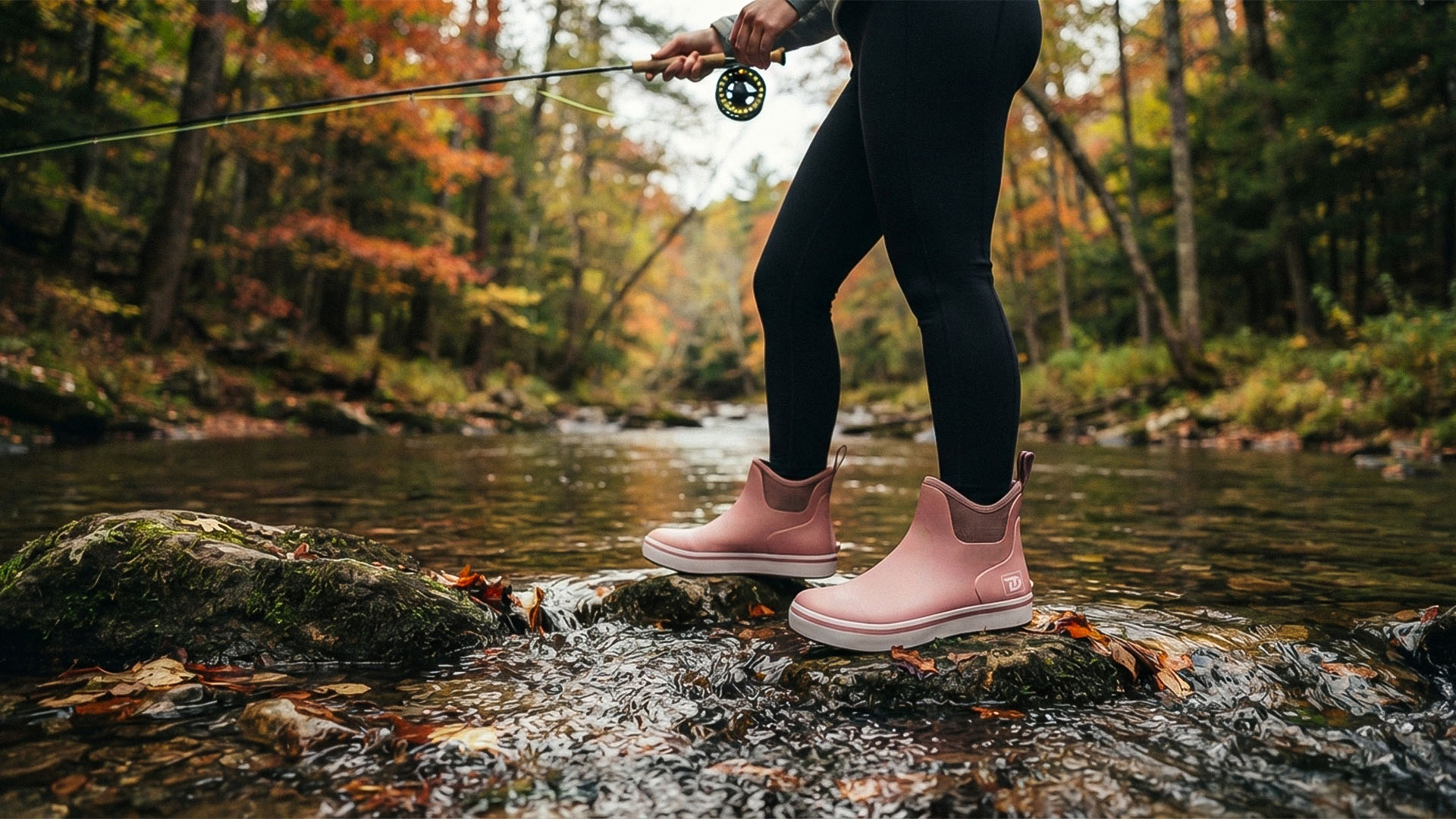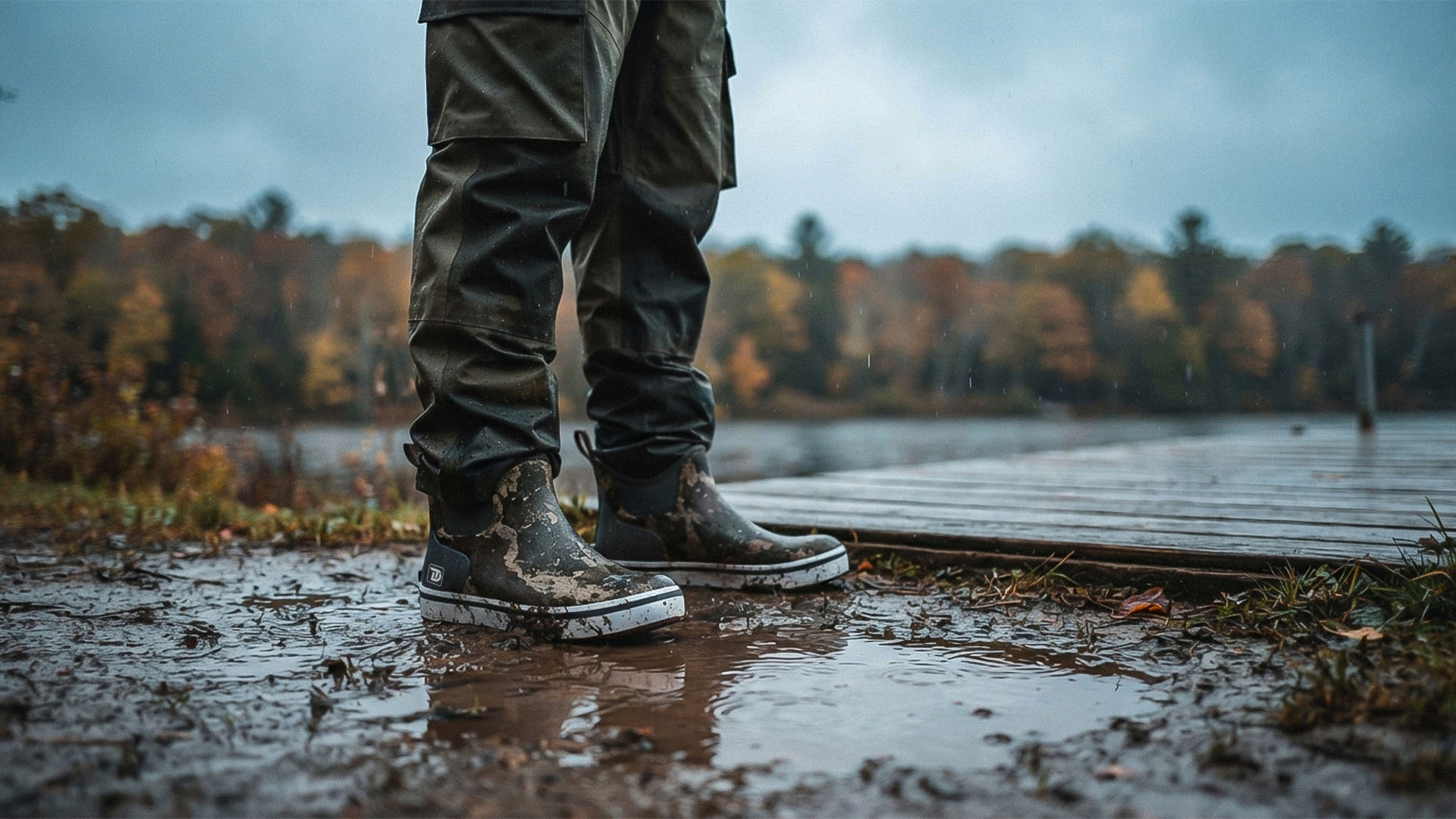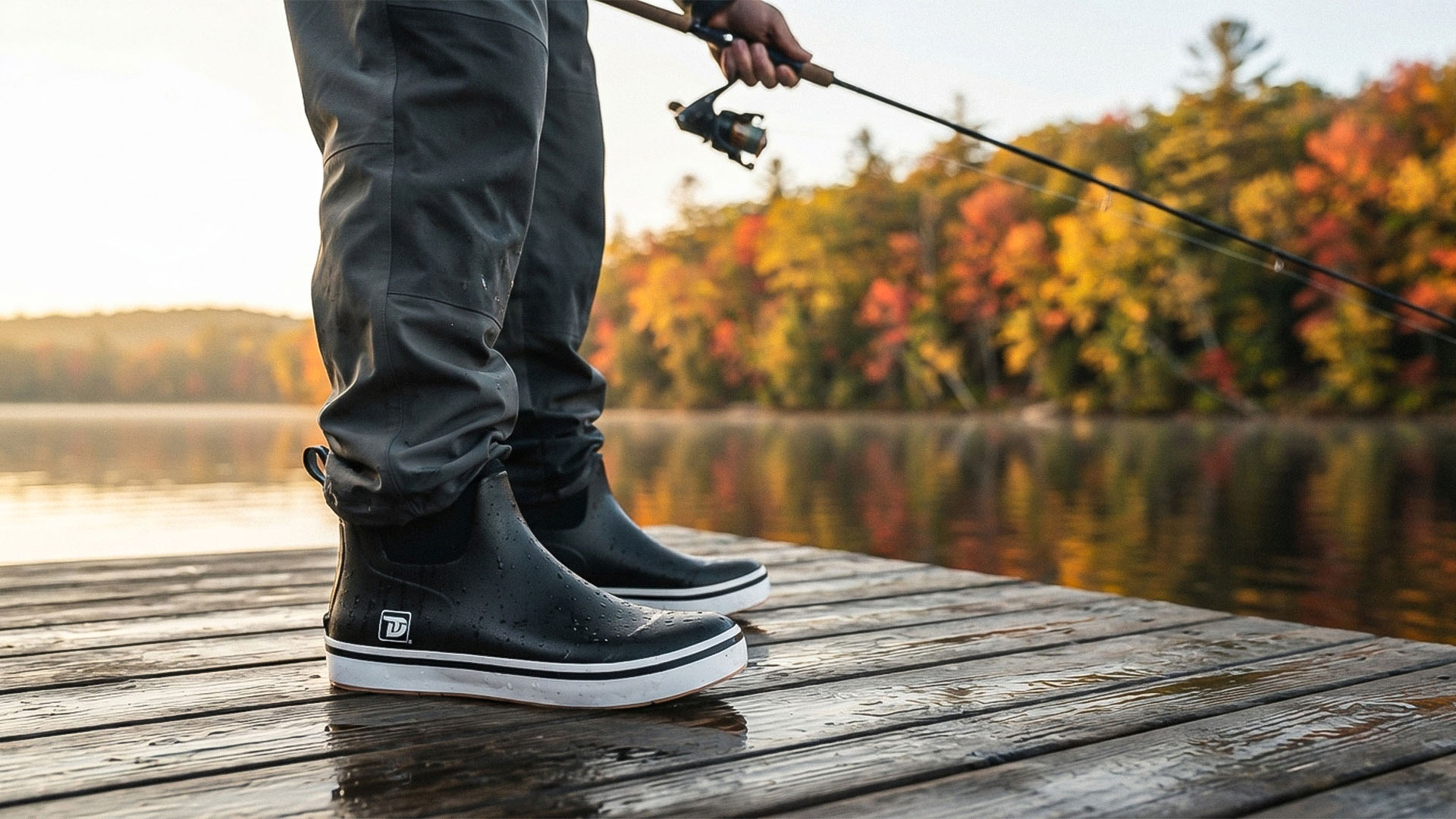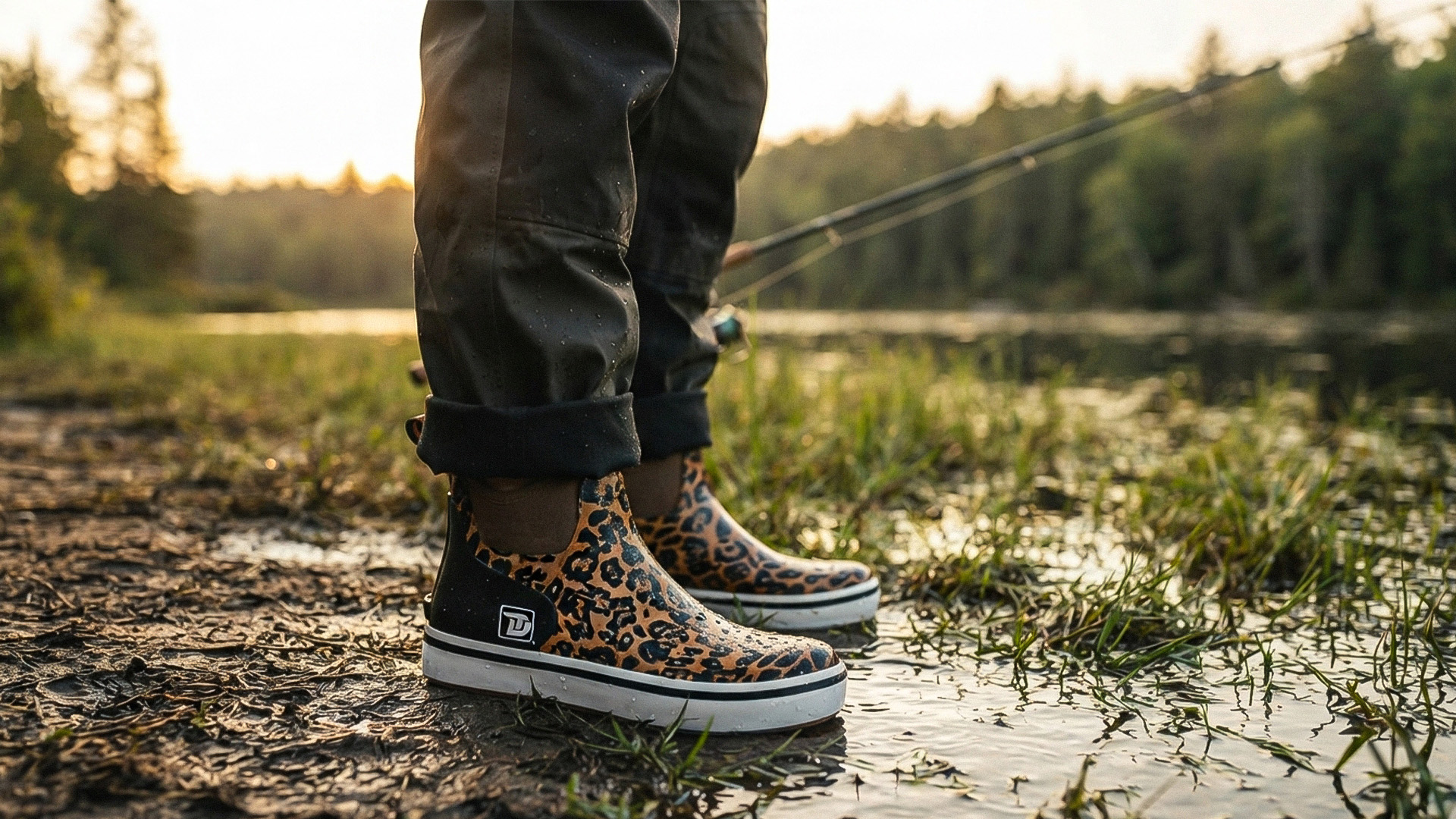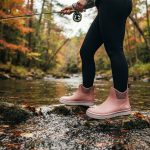
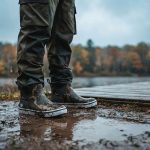
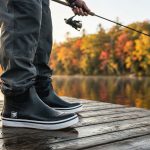
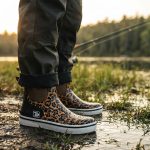
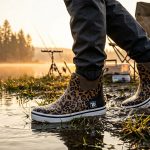
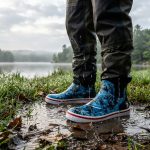
There‘s a specific kind of misery that only sets in around 6:00 AM. The coffee hasn’t even kicked in yet, and you step outside to start the day. Five minutes later, you feel it—that slow, creeping dampness soaking through the toe box of your boots. By the time you get back to the truck, your socks feel like cold, wet sponges.
Nothing ruins a morning faster than soggy feet.
I used to think this was just part of outdoor life. Rain puddles? Manageable. Creek crossings? Fine. But morning dew? That stuff was kryptonite.
Here‘s the dirty secret I learned the hard way: walking through wet, knee-high grass is actually much harder on your footwear than standing in a creek. When you stand in water, it’s static pressure. But when you walk through dew-soaked grass, every single blade acts like a tiny, wet paintbrush, constantly wiping and forcing moisture against the seams and materials of your boots. It physically pushes the water through the microscopic pores of “water-resistant” fabrics.
To beat it, you need absolute waterproofing.
Sneakers are a lost cause. Even cheap “waterproof” boots often fail the wet grass test, relying on fragile coatings that strip away with the first abrasive step. That‘s when I discovered Trudave Gear—and realized I’d been fighting the morning dew with the wrong weapons.
The Deck Boot Solution You Didn‘t Know You Needed
Don’t let the name fool you. While they were born on the slippery decks of offshore fishing boats, low-cut deck boots are the unsung heroes of wet-grass chores.
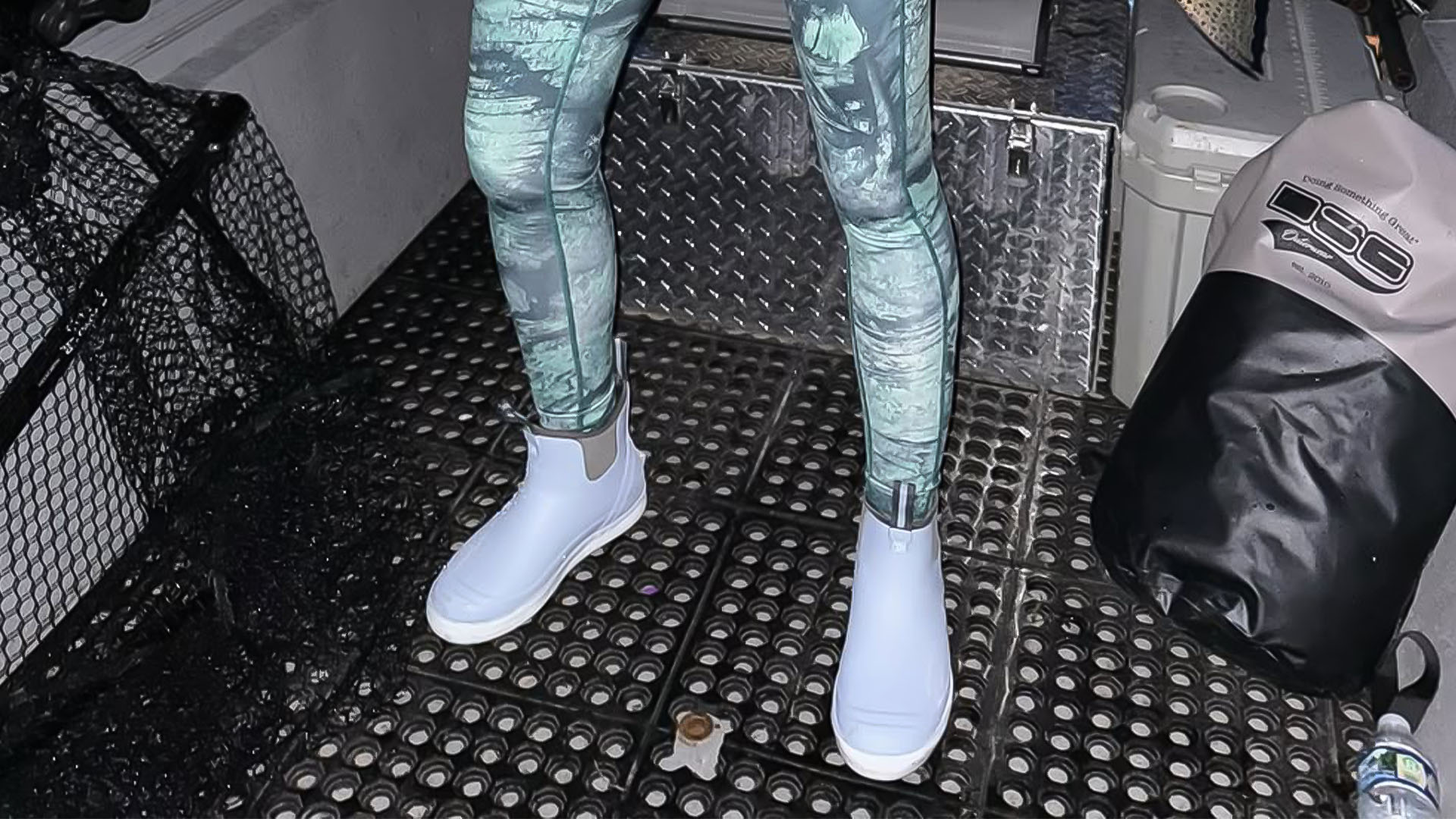
If you don‘t need intense ankle support, premium deck boots—like the incredibly tough lineups from TrudaveGear—offer a game-changing solution. Their WaveLock Series features 100% waterproof rubber, easy slip-on convenience at the back door, and outsoles specifically designed to grip wet fiberglass—which translates perfectly to slick, wet turf. Once you’re done, just hose them off. No laces, no fuss.
Trudave‘s deck boot lineup is built around one simple question: What kind of angler are you?
The Static Specialist: WaveLock Series (Insulated)
If you’re the angler who launches at 5 AM in March, scraping frost off the windshield, the WaveLock is your boot. It‘s built for the “static” angler—the one who spends more time standing still than moving.
Why it works: The Insulated Deck Boot acts as a barrier. The neoprene lining traps your body heat essentially like a wetsuit. You can wear a regular cotton or blend sock and still be fine.
Key features:
- 100% Waterproof Armor: Made from premium natural rubber with sealed construction to keep your feet dry while fishing, boating, or working in wet conditions.
- Thermal Insulation: Features a soft lining and thermal insulation that retain heat while allowing breathability—perfect for cold mornings on the boat or dock.
- WaveLock Traction Outsole: Uses micro-channel siping that disperses water instantly, keeping your footing solid even on wet fiberglass or metal surfaces.
- Practical Design: Stretchy side panels for quick slip-on comfort, reinforced heel armor for balance, and an easy-off heel tab.
The trade-off: If the sun comes out and you decide to hike 3 miles, your feet will sweat, and you‘ll get uncomfortable.
Verdict: Choose WaveLock if you hate cold toes and spend more time standing or sitting than walking.
The Active Specialist: DeckFlow Series (Breathable)
If you’re the one moving—casting lines inshore, scrubbing the deck, or navigating a wet city commute—the DeckFlow is your answer. It‘s the boot for the “active” angler who generates their own heat.
Why it works: The Standard Deck Boot is a shell. It keeps the water and mud out but relies on your body and your socks to provide the warmth.
Key features:
- Lightweight & Breathable: Engineered with a low-profile ankle cut and breathable lining, keeping you light on your feet from sunrise to sunset.
- Impenetrable Moisture Barrier: The one-piece seamless rubber construction blocks out heavy rain, marine sprays, and splashes.
- Non-Marking Siped Outsole: Channels water away and grips securely on wet wood and fiberglass decks, without scuffing your boat‘s gel coat.
- Reinforced Toe and Heel Panels: Extend durability while maintaining a sleek, minimalist design.
The trade-off: If you stand still on ice for an hour in thin socks, you will freeze.
Verdict: Choose DeckFlow if you’re active and want one boot that does it all.
The Year-Round Hack: One Boot, Three Seasons
What if you fish in both cold and warm weather? You have two good options.
Option 1: Buy both. The WaveLock for the cold months, the DeckFlow for the warm months. Together, they cost less than a single pair of premium deck boots—and you get the right boot for every condition, not a compromise.
Option 2: Buy the DeckFlow plus wool socks. The breathable boot covers spring through fall comfortably. A few pairs of good merino wool socks provide the warmth for the 20% of days when it‘s actually cold. This is the smart play for anglers who want one pair to cover 90% of their trips without overheating in summer.
The 7-Day Torture Test: Proof in the Mud
Trudave didn’t just claim their boots could handle the abuse. They proved it.
A brand new pair of Trudave boots was worn for 7 days straight—168 hours of field scouting, truck driving, warehouse work, and trudging through flooded timber. No backup shoes. No babying.
Day 1 — The Break-In Myth. Right out of the box, the flexibility of the upper and the EVA midsole felt completely dialed in. After 8 hours on concrete and a 2-mile gravel hike: zero hot spots or blisters.
Day 3 — The Mud & Water Assault. Knee-high wet grass, thick clay mud, and standing water. The aggressive tread pattern cleared the thick mud with every step, preventing the boots from turning into heavy, slick bowling balls. Socks? Bone dry.
Day 5 — The “Sweat Box” Check. Fast-paced hiking in 75°F weather. The moisture-wicking lining actually did what it was supposed to do, avoiding the dreaded “swamp foot.”
Day 7 — The Aftermath. After 168 hours, the boots were beaten to crap visually. But a garden hose revealed an upper that was fully intact. No blown seams. No peeling soles. No cracked rubber at the toe flex point.
The final verdict: “A 7-day continuous wear test is stupid. You should rotate your boots to let them dry and recover. But this test proved exactly what we built Trudave gear to do: survive when you don‘t have the luxury of a backup plan.”
What Real Anglers Are Saying
Trudave holds a 4.1/5 rating on Trustpilot based on verified purchaser reviews. Here’s what real owners emphasize about their boots:
Dry feet (the consistent win):
“We purchased waterproof boots back in May for working on our little farm… And best of all, our feet stay DRY!!! It has been about two months now and these boots are still going strong and keeping our feet protected. Would recommend these boots 100%.”
Build quality and comfort:
“Bought some boots from Trudave, These boots are well made and comfortable. The size is slightly larger, but with socks they fit well and comfortably.”
“Great shoe. Just what I was looking for.”
Heavy-duty validation:
“Merchandise was delivered in a timely manner, and it‘s exactly what I had ordered… They’ve got good colors especially if you‘re in The Pressure Washing Industry and the boots are comfortable.”
Sizing advice from the field:
- Sizing runs slightly large. Most owners recommend wearing medium-to-heavy socks for optimal fit.
- Order directly from Trudave. One verified buyer reported: “I order from Amazon twice and got the wrong size both times. I order from Trudave and got the right size First time.”
A note on steel toe claims: Some purchasers have noted confusion about steel toe advertising. Trudave’s standard deck boots feature a steel shank for underfoot puncture protection—they are not certified steel toe for workplace impact safety. If your job requires ASTM-certified steel toe protection, verify specific certifications before purchase.
Keeping Your Boots Alive
Proper care doubles the lifespan of any boot. Here‘s the simple routine that works for both the WaveLock and DeckFlow:
- Rinse after every use. Especially after saltwater exposure.
- Air dry naturally—never use heat. “Avoid sunlight or heat to preserve the rubber flexibility and waterproof durability”.
- Use mild soap only. Avoid degreasers, bleach, or harsh chemicals.
- Store upright in a cool, dry place away from direct sunlight.
- Check your tread periodically. When the lugs wear down and the sole feels hard like plastic, it’s time for new boots.
The Bottom Line
Here‘s the honest truth about deck boots in 2026.
You can spend $100–$180 on a pair of boots with a logo that’s been around for decades. You‘ll get a good boot. It will keep your feet dry. It will work. Or you can spend $50–$90 on a pair of Trudave boots that do the same things—with better comfort engineering, the same waterproofing, and comparable slip resistance.
The WaveLock keeps you warm and planted when you’re sitting still in cold weather. The DeckFlow keeps you comfortable and secure when you‘re moving on the deck in warm weather. Both keep you upright—and that’s the only thing that really matters.
| Decision Factor | WaveLock | DeckFlow |
|---|---|---|
| Best For | Cold mornings, stationary fishing | Warm weather, active movement |
| Temperature Range | 20°F to 50°F | 45°F to 80°F+ |
| Lining | Thermal insulation + soft lining | Breathable mesh |
| Key Advantage | Traps body heat like a wetsuit | Prevents “swamp foot” during activity |
| Outsole | Micro-channel siping | Non-marking siped outsole |
The fish don‘t care what logo is on your boots. The deck doesn’t check the brand tag. It only cares if you‘re still upright—dry, comfortable, and focused—when the bite finally turns on.
Trudave keeps you there. And you won’t even remember you‘re wearing them.
Now go catch something. Your boots will handle the rest.